
My stepmother, Ava Covington, handed me a gold-embossed invitation to her 50th birthday gala, explicitly telling me to dress in formal evening wear.


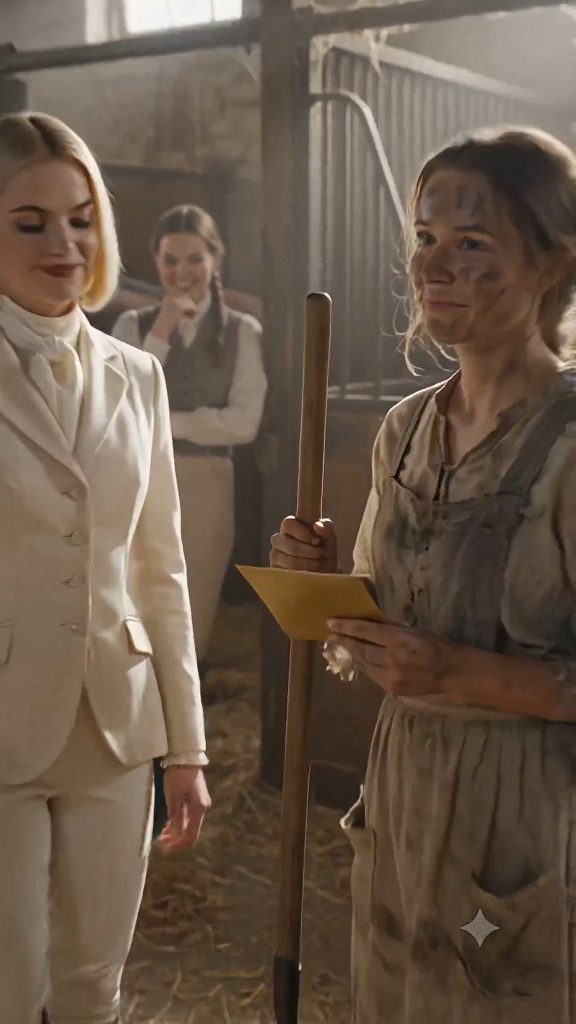









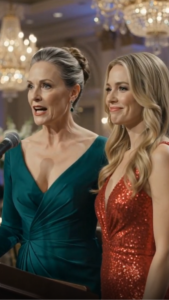
The murmuring in the ballroom erupted into outright chatter. Ava, clearly furious, shot a venomous glance at Deacon Ward, but he simply gave a small, formal bow and returned to his place, seemingly unbothered.
Chloe just stared at her mother, then at me, her perfect makeup unable to hide her confusion.
I met Ava’s furious gaze. A small, satisfied hum buzzed in my chest. Three years. It had taken three long, grueling years for this moment.
The memory of my first day back in Copper Creek flashed through my mind. The dust, the oppressive Montana sun, the worn-out truck my grandfather Silas lent me. I had driven past the grand gates of Covington Manor, a knot of bitter resentment tightening in my gut. My father’s land, taken by *her*.
I had known then what I needed to do. I couldn’t fight Ava directly. She held all the power, all the money. But the old land covenants, the ones Silas had painstakingly dug out of dusty county records, offered a different path. An absurd, archaic path, but a path nonetheless.
“Please, enjoy the party, Miss Covington,” Deacon Ward called out, his voice cutting through the remaining tension. He offered a slight, formal smile.
Ava stiffened. She spun on her heel, grabbing Chloe by the arm, and practically dragged her towards a cluster of aghast town council members, no doubt to spin some damage control.
I watched them go, then took a slow sip of the champagne offered by a passing waiter, savoring the cool, crisp taste.
The covenant was clear: any biological heir who performed continuous physical labor on the land for 36 months, and could prove continuous residency through official estate communications, would regain voting control over the estate trust. It was an ancient clause, designed to protect the land from absentee landlords, a relic from the early 1900s.
My “low-wage employment” as a stable hand, scrubbing manure for $12 an hour, was no accident. It was the physical labor. The rent-free stable apartment, the mailing address. The gala invitation was the final piece of the puzzle, the irrefutable proof of residency and interaction with the estate’s administration.
I glanced down at the emerald necklace shimmering at my throat. It wasn’t just a beautiful piece of jewelry, nor was it rented. It was my mother’s. She had left it for me, tucked away in an ancient velvet box, with a cryptic note that simply read: “For when you need to claim what’s yours.”
My grandfather Silas had explained its true purpose just weeks ago, during one of our hushed, late-night phone calls.
“That necklace, Lisa,” he had rasped, his voice full of old wisdom, “it’s more than just pretty stones. It’s the original land warranty token. Registered with the county clerk in 1952.”
He explained that back then, before widespread digital records, specific, identifiable objects were sometimes used to represent legal claims, especially for land passed down through generations. A physical ‘token’ of ownership, linked to the deeds.
My mother, a quiet woman who had loved my father deeply, had understood the depths of his financial recklessness long before he died. She had kept the necklace, and its true meaning, a secret. Perhaps she had always known I might need it.
Now, as the emeralds pulsed softly against my skin, they were not just a fashion statement. They were a silent declaration. They were the physical embodiment of my right to be here, not just as a guest, but as a claimant. The necklace was not just an heirloom; it was a key.
More Stories






+ There are no comments
Add yours