
My Wife Kept My Son in a Wheelchair to Steal Our $400M Company — Then an Expired 2012 Trust Clause Exposed Her Scheme

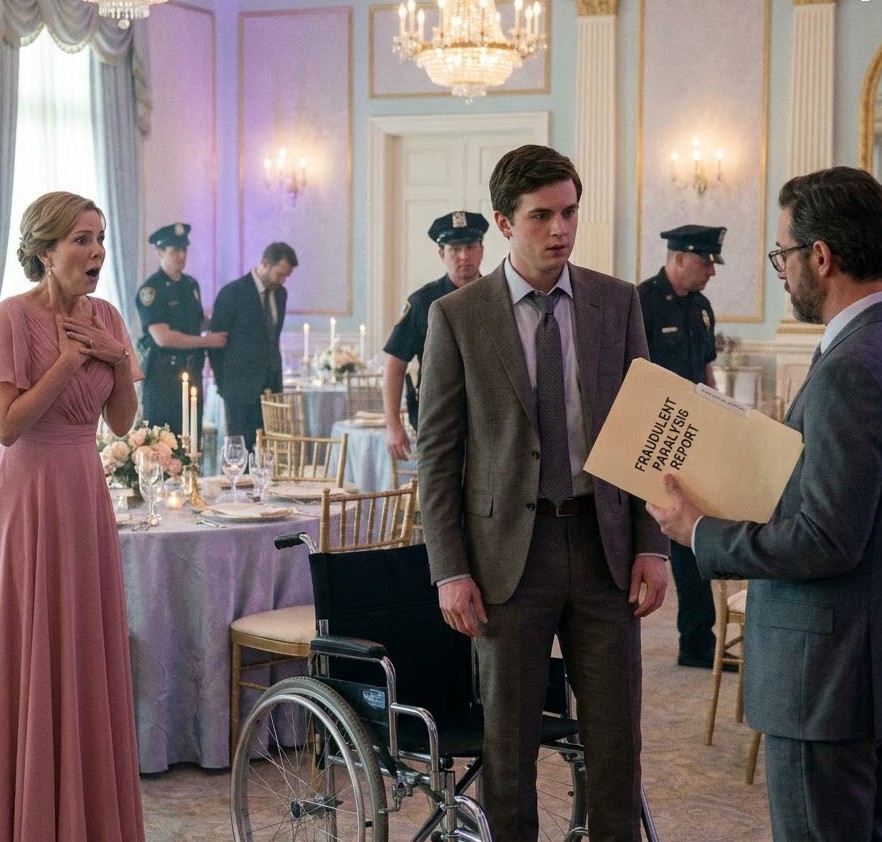


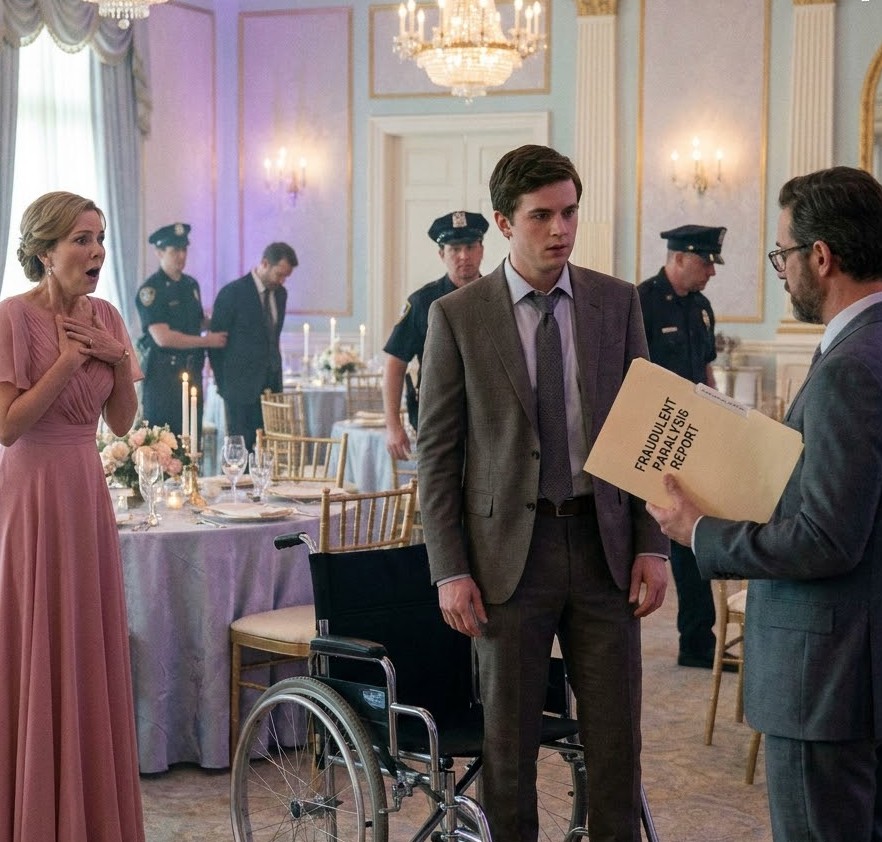


I led Julian out of the chaotic boardroom, past the gawking faces of junior executives, and into a small, unused office down the hall. The room smelled faintly of lemon polish and disuse.
Julian sank onto a worn visitor’s chair, breathing heavily, but his shoulders were straighter than I’d seen them in years.
“Son,” I started, my voice raw. “Why didn’t you tell me? About the clause, about… about standing up?”
Julian looked at the floor, then met my eyes, a flicker of something defiant in his gaze.
“I couldn’t, Dad,” he said, his voice quiet, almost hoarse from disuse. “Not if it was going to work.”
He explained. Eleven months ago, he’d started secretly working with David Gable. Not at the company rehab facility, where Eleanor held sway, but at a nondescript gym in the Ukrainian Village, miles from our usual haunts.
“I used Mom’s money,” Julian said, referring to the small bequest his late mother had left him. “Personal funds. Kept it all off the company books, outside Eleanor’s insurance tracking.”
The meticulous, detailed record-keeping David had shown us was suddenly illuminated. It was a clandestine operation, meticulously planned and executed.
“I knew,” Julian continued, his voice gaining strength, “that if Eleanor found out I was recovering before the 2012 charter expired, she would use her proxy power.”
A cold knot tightened in my stomach. I could almost hear Eleanor’s clinical explanations, her “concerns” for Julian’s long-term care, all while maneuvering for control.
“She would have pushed through an early corporate restructuring,” Julian explained, his eyes fixed on me. “Sold off my non-voting equity units, tied them up in some trust I couldn’t touch.”
He had foreseen it all. While I was lamenting his physical state, and unknowingly aiding Eleanor’s narrative, Julian had been strategizing his return.
“I had to remain in the wheelchair publicly,” he said, a grim determination hardening his features. “Until my legal rights naturally restored themselves. Until that clause kicked in.”
He had chosen silence. He had chosen to endure the charade, the pity, and Eleanor’s suffocating control, all for the sake of reclaiming his independence.
The full weight of his sacrifice, and my own naivete, pressed down on me. I had been so focused on protecting him, I hadn’t realized he was protecting himself, and me, from a far greater threat.
More Stories








+ There are no comments
Add yours