
Accused of Embezzling Cult Funds, She Uncovered a Betrayal Rooted in an Ancient Inheritance Clause
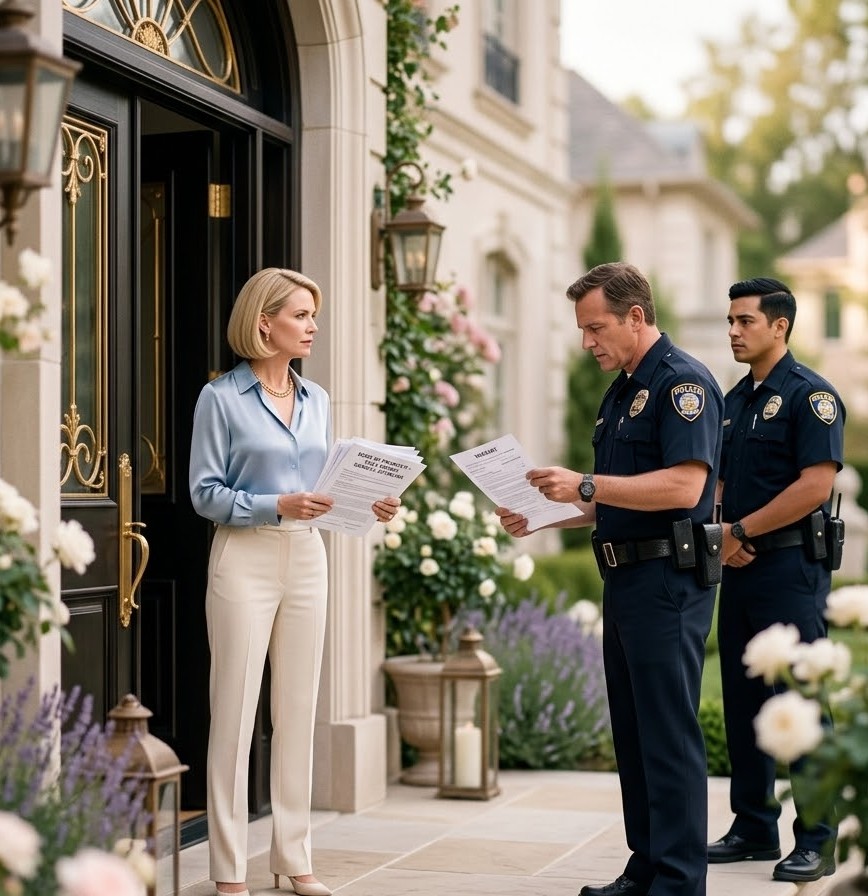


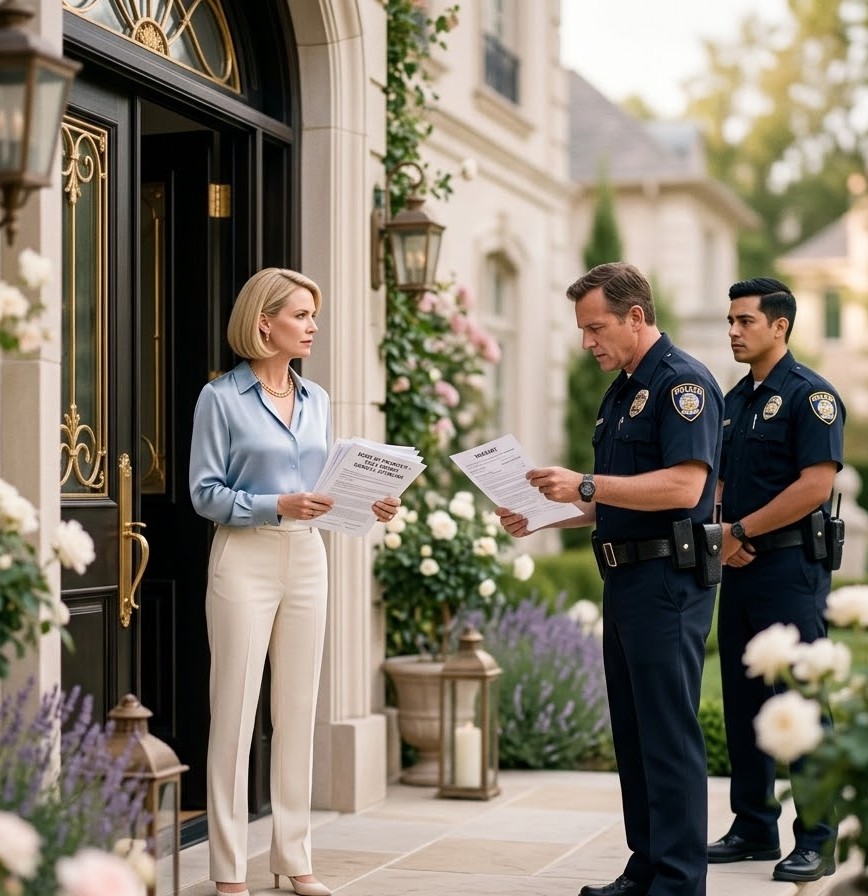


The confrontation with Sister Bethany left a bitter taste. Her judgment, born from Thomas’s lies, solidified my understanding: I was truly alone in this fight. My only path was to find the undeniable proof that would not only clear my name but expose Thomas and his enablers. The Communal Dwelling held the answers, and my great-aunt Elara was guiding my search, even from beyond the grave.
I returned to Elara’s study, the room where I had discovered the cryptic ledger. The space felt less like a dusty storage room and more like an active workshop, brimming with potential clues. My great-aunt had been meticulous, organized. If she had hidden one important item, she might have hidden others.
My gaze fell upon the old wooden desk where I had first found the ledger. It was a heavy, dark oak piece, sturdy and unadorned. I ran my hands over its smooth, polished surface, then along the rougher underside, searching for any irregularity. The worn wood spoke of countless hours spent here, of a quiet life dedicated to knowledge and order.
My fingers brushed against a slightly raised imperfection on the underside of the central drawer. It was barely perceptible, a tiny bump that could easily be mistaken for a knot in the wood. But something about its deliberate placement, its subtle difference from the surrounding grain, caught my attention. It was too regular to be natural.
With careful exploration, I felt a faint seam, almost imperceptible to the eye. It ran along the edge of what felt like a small, rectangular panel. My heart began to beat a little faster. This was no accident of carpentry; it was a deliberate concealment.
I pressed gently along the seam, then applied a bit more pressure. Nothing. I tried again, this time feeling for a latch or a spring mechanism. My fingers probed the small indentation, searching for the release. The wood was old, stiff.
Finally, with a soft click, a small, narrow drawer, no wider than my hand, sprang open from the underside of the desk. It was so well-hidden, so cleverly disguised, that it could easily have gone unnoticed for decades. The thrill of discovery surged through me.
Inside, nestled on a bed of faded velvet, were not more documents, but two small, personal items. One was a tarnished silver locket, intricate in its design, surprisingly heavy in my palm. The other was a single, dried flower, pressed flat and delicate, its vibrant color long faded to a soft brown.
These were clearly not legal documents or financial records. They were mementos, cherished keepsakes. The locket was smooth and cool against my skin. It felt like a direct link to Elara, a personal touch that transcended the dry entries of the ledger.
The dried flower, fragile and almost crumbly, held a quiet beauty. It was a tangible connection to a past moment, a forgotten memory. These were treasures, not clues in the traditional sense, but deeply personal objects that spoke of Elara’s life, her heart.
The placement of these items, hidden so carefully, so deliberately, spoke volumes. Elara had deemed them important enough to conceal, perhaps from prying eyes, or simply to preserve their sanctity. It felt like she was leaving me breadcrumbs, drawing me closer to her truth.
I held the locket up to the light. It was oval-shaped, its surface dulled by time, but the craftsmanship was still evident. Tiny, delicate engravings adorned its edges. This was clearly an heirloom, something of significant sentimental value.
This discovery, while not a direct piece of evidence against Thomas, was a profound personal cruelty. It showed how completely Elara’s personal legacy, her private world, had been swallowed by the Brotherhood’s communal identity. Her cherished mementos had been left to gather dust, forgotten and unhonored.
I tried to open the locket, my fingers fumbling with the tiny clasp. It was stiff, resistant, as if guarding its secrets closely. I didn’t want to force it, fearing I might damage its fragile hinge. I decided to leave it for now, for a quieter moment.
The small, hidden compartment was itself a clue. It spoke of a need for secrecy, of things deemed too precious or too private to be left in plain sight. This mirrored my own current situation, forcing me to operate in the shadows, to uncover truths discreetly.
The presence of the locket and the flower, rather than more papers, initially felt like a detour, a sentimental distraction. But then I considered Elara’s methodical mind. She would not hide something without reason. These objects must hold a deeper significance, a connection to the larger puzzle.
I carefully placed the locket and the dried flower back into the compartment, but not before noticing a faint, almost invisible etching on the back of the silver locket. It was a tiny symbol, intricately carved, too small to discern clearly in the dim light of the study.
My curiosity was piqued. Was this merely a decorative flourish, or something more? Elara’s ledger had mentioned “The Founder’s Edict” and “The Keeper’s Covenant,” terms that Brother Malachi had dismissed as allegory. But this hidden compartment, these personal tokens, hinted at a deeper, more tangible history.
The fact that these intimate objects were hidden so carefully suggested that Elara, despite her quiet nature, harbored secrets or beliefs that she couldn’t share openly. This feeling of shared secrecy, of a hidden world, resonated deeply with my current experience.
I closed the hidden compartment, the faint click echoing in the quiet room. The dwelling was not just a collection of communal spaces; it was a repository of forgotten histories, a silent witness to generations of Keepers. And I was slowly beginning to unlock its true story.
This discovery strengthened my resolve. If Elara had gone to such lengths to conceal these personal items, what other secrets might the dwelling hold? The path was winding, but each new reveal, however small, brought me closer to the truth.
More Stories











+ There are no comments
Add yours