Hospital Board Member Eleanor Beaumont Demanded Her Daughter-in-Law End Her Comatose Son's Life — But Dr. Evelyn Reed Knew the Truth


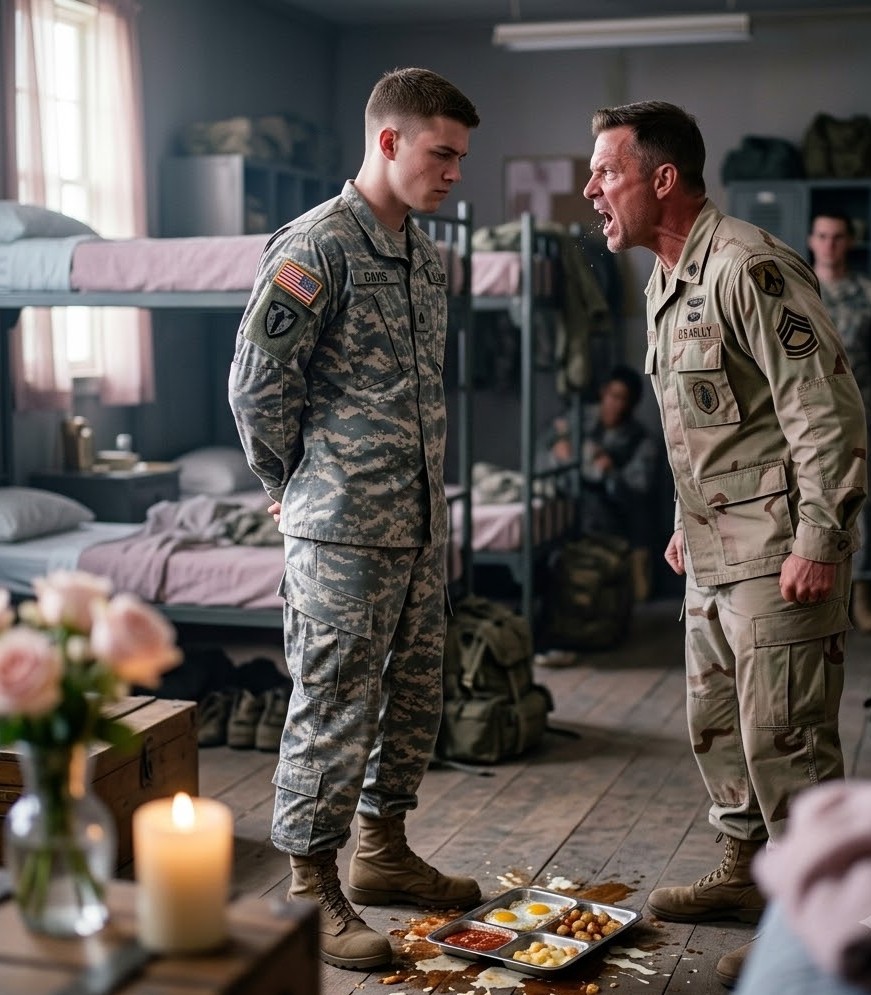
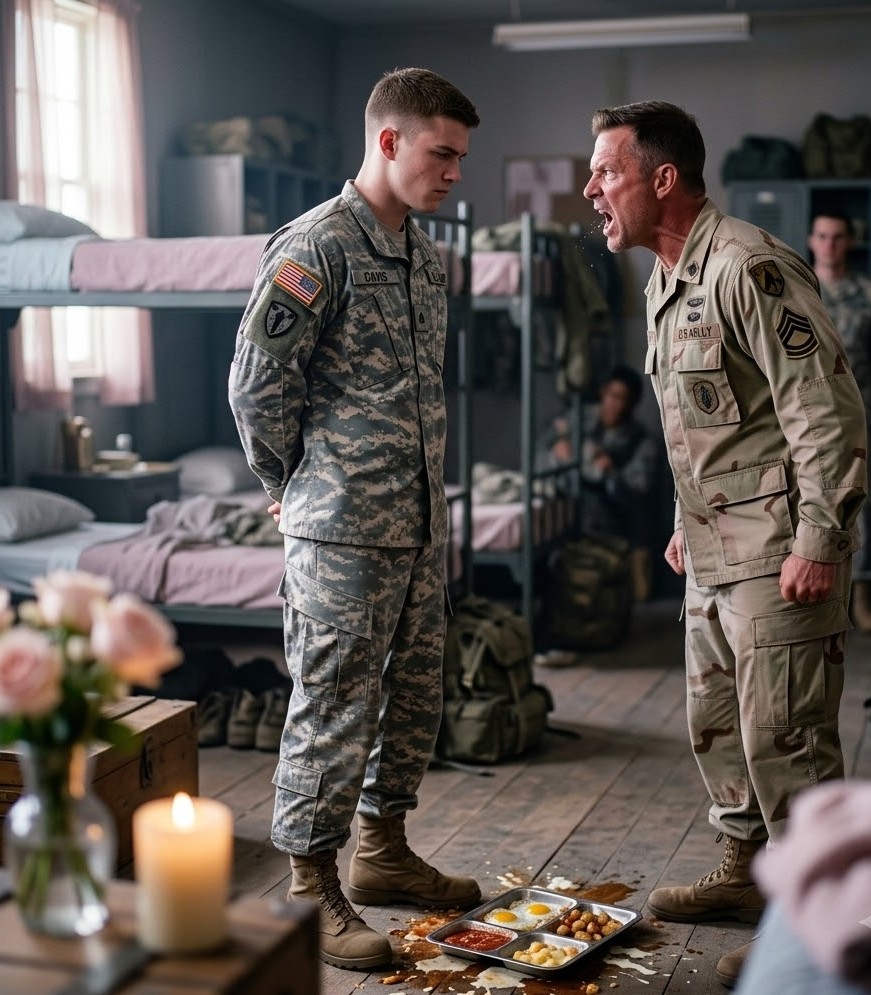
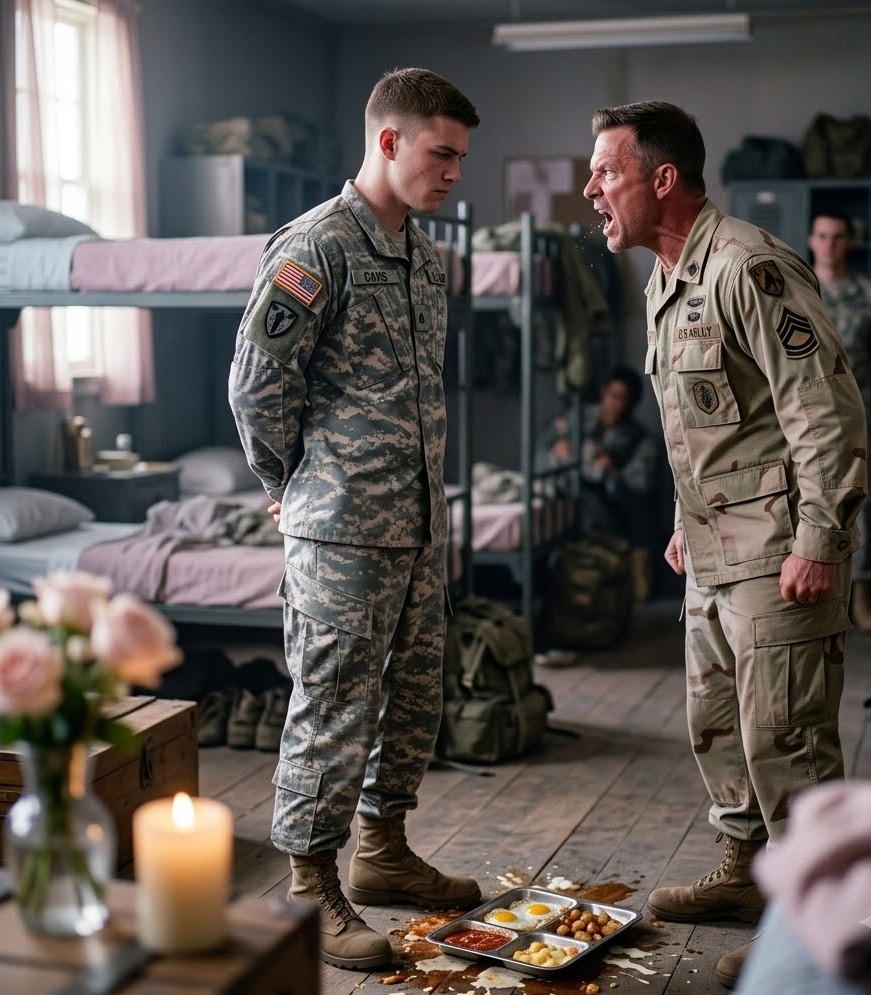
Eleanor’s call to Dr. Finch reverberated through the hospital like a tremor. Within hours, a formal ethics committee meeting was convened. I was officially notified that my access to patient records was suspended, and an investigation into my conduct was underway. My medical license, the culmination of years of rigorous training and sacrifice, was now on the line.
The personal cruelty of Eleanor’s attack was chilling. She wasn’t just trying to win an argument; she was aiming to professionally obliterate me. She wanted to strip me of my identity, my career, my very ability to care for Thomas. It was a calculated move to silence me permanently.
Dr. Finch met with me privately before the ethics committee hearing, his face grave. He couldn’t openly support me without jeopardizing his own position, but his concern was palpable.
“Eleanor is pushing hard, Evelyn,” he warned, his voice low. “She’s framed this as a flagrant abuse of power, a breach of patient confidentiality for personal gain. She’s painting you as unstable.”
“For personal gain?” I scoffed, a bitter laugh escaping me. “My gain is Thomas’s life, Alistair. And the truth.”
He nodded, his eyes filled with a weary understanding. “I know. But the optics, from the committee’s perspective… without context, without proof of her malicious intent, it looks bad.”
“She hid Thomas’s genetic diagnosis for decades,” I insisted, the raw injustice of it burning in my chest. “She actively suppressed the truth. Isn’t that a graver ethical breach than me trying to save my husband?”
Dr. Finch sighed, running a hand over his face. “In a perfect world, yes. But Eleanor has influence. She has allies on that board. They see you as a young resident challenging a powerful figure.”
His words confirmed my fear. Eleanor wasn’t just relying on the letter of the law; she was leveraging her entrenched power and influence to twist the narrative. She was using the very institutions meant to uphold ethics as a weapon against me.
The ethics committee hearing itself was a suffocating affair. Five senior physicians and administrators sat on one side of a long, polished table, their expressions neutral, almost impassive. Eleanor sat with her lawyer, a smug look of vindication on her face.
I sat alone, facing the committee. They laid out the charges: unauthorized access to highly restricted patient records, specifically Thomas Beaumont’s, and the alleged dissemination of “unsubstantiated medical theories” to a board member (Eleanor herself).
“Dr. Reed,” the committee chair, a stern-faced Dr. Harrison, began. “Did you, or did you not, access the archived medical records of Mr. Thomas Beaumont, your husband, without explicit spousal consent and without the necessary authorization for a non-treating physician?”
“Yes, I did,” I admitted, my voice clear and steady. There was no point in denying the act itself. “But my intent was to understand the full scope of my husband’s medical history, which I believe was being deliberately withheld.”
Eleanor’s lawyer immediately interjected, “Objection. Dr. Reed’s personal theories are irrelevant to the violation of hospital protocol and patient privacy.”
“Sustained,” Dr. Harrison intoned, turning back to me. “Dr. Reed, your personal beliefs about ‘deliberate withholding’ are not pertinent to the charges of unauthorized access. Furthermore, you then confronted Mrs. Eleanor Beaumont, a hospital board member and Thomas Beaumont’s medical proxy, with these allegedly ‘found’ records. Is that correct?”
“I presented her with factual medical information,” I clarified, “a genetic test result that directly contradicted her lifelong denial of a hereditary condition in her family. A condition that now afflicts her son.”
A ripple of discomfort went through the committee members. Eleanor’s lawyer, sensing the shift, quickly stepped in again.
“Mrs. Beaumont has already refuted these claims as unsubstantiated and medically unsound,” he stated, his voice smooth. “Dr. Reed is making baseless accusations and attempting to smear the reputation of a grieving mother.”
The personal cruelty of his words, designed to portray Eleanor as the victim and me as the aggressor, was almost unbearable. They were twisting everything, weaponizing grief and institutional power.
Dr. Harrison cleared his throat. “Dr. Reed, regardless of the veracity of these claims, your actions constitute a serious breach of trust and protocol. You knowingly accessed restricted information. You then used that information to confront a board member, causing distress.”
“Distress?” I scoffed, unable to contain my indignation. “She forged Thomas’s advance directive! She’s pushing a dangerous, experimental procedure for him! She hid his genetic diagnosis from him for twenty years! She is the one causing distress, and putting Thomas’s life in grave danger!”
The room fell silent. My outburst, fueled by righteous anger, had pierced the carefully maintained decorum. Dr. Harrison looked genuinely taken aback. Eleanor, however, merely smiled thinly, a glint of triumph in her eyes.
“Dr. Reed,” Dr. Harrison said, his voice now colder. “Your emotional state is not helping your case. The charges against you are clear. We will be reviewing all evidence, and a decision regarding the suspension or revocation of your medical license will be made within seven business days.”
He banged his gavel, a sharp, decisive sound. “This hearing is adjourned.”
I walked out of the committee room in a daze. The gravity of the situation was crushing. Eleanor had successfully used the system against me. She had leveraged my integrity, my desperate search for truth, to brand me as unethical, unstable, and dangerous.
The personal cost was immense. My career, my future, everything I had worked for, was hanging by a thread. Eleanor’s silent victory was a chilling testament to her ruthlessness. She had silenced me, at least institutionally.
But as I left the hospital, the crisp evening air hitting my face, a fierce determination solidified within me. Eleanor could try to revoke my license, she could try to destroy my reputation. But she could not erase the truth I had found. She could not silence Isabella. And she could not silence the escalating suspicions of Dr. Finch.
Eleanor might have thought she had won this round, stripping me of my professional standing. But she had only strengthened my resolve. The price of silence was too high, and I was no longer willing to pay it. This was no longer just a medical fight; it was a war, and I was ready to take it to a different battlefield.
More Stories















+ There are no comments
Add yours