Bret Baier’s Emotional Confession: Why He Feels Unworthy of Being Called “Dad” by Paul
Bret Baier, a well-known figure, recently opened up about a deeply personal and emotional struggle involving a boy named Paul, who suffers from a severe heart condition. In a candid admission, Baier said he does not deserve to be called “dad” by Paul because he was unable to “do this” — a crucial action that could have helped the boy escape the relentless cycle of surgeries and medical interventions. This heartfelt confession sheds light on the immense challenges faced by families dealing with chronic health conditions and the emotional toll it takes on caregivers and loved ones.
Understanding the Heart Condition That Changed Paul’s Life
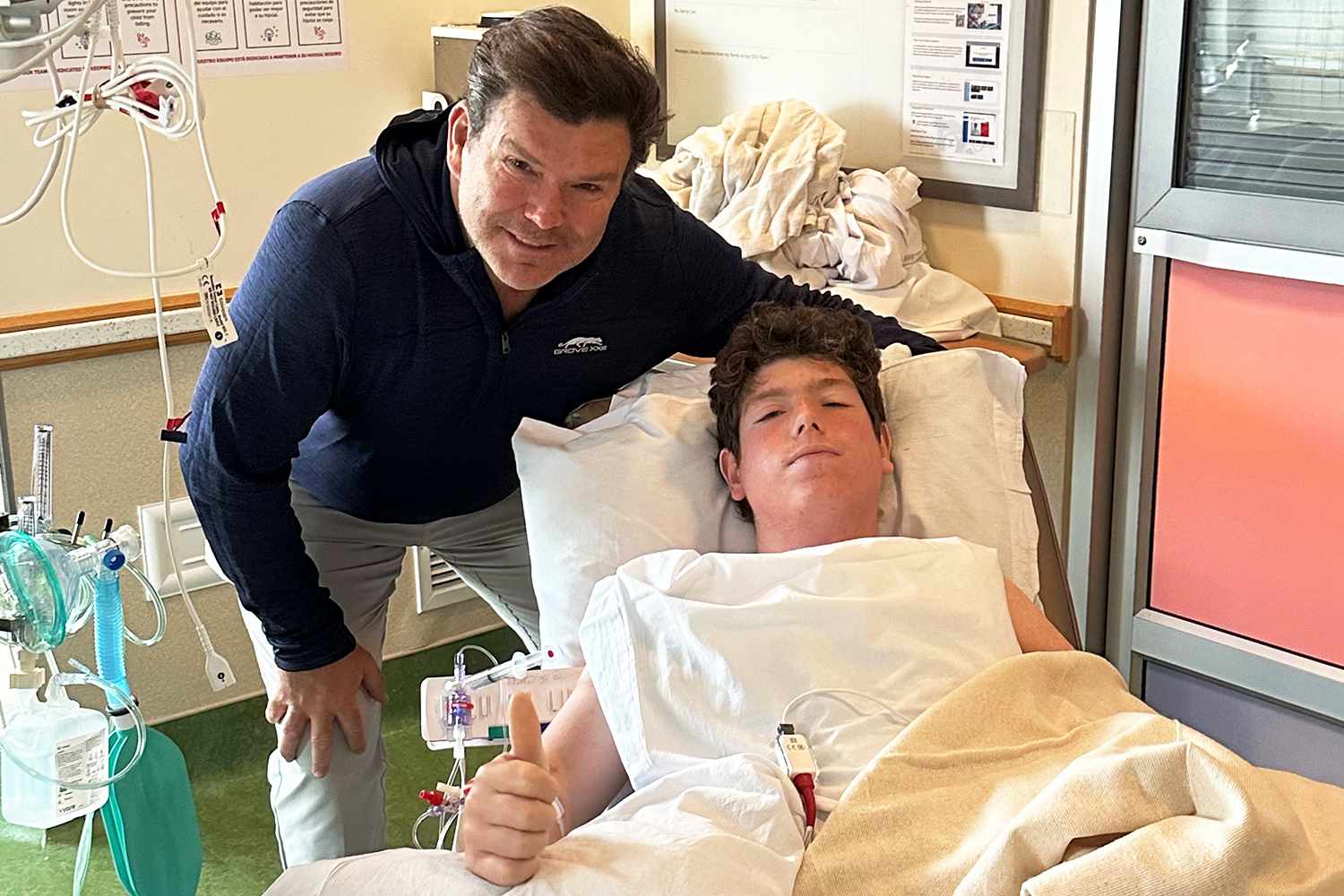
Paul’s heart condition is a rare and complex medical issue that requires constant attention and multiple surgeries. Children with such conditions often face a lifetime of hospital visits, procedures, and uncertainty. The emotional and physical strain on both the patient and their family can be overwhelming. For Bret Baier, who has been a supportive figure in Paul’s life, the inability to provide a permanent solution or relief has been a source of deep sorrow.
The phrase “do this,” as Baier mentioned, refers to the hope of finding a way to help Paul avoid the ongoing surgeries that disrupt his childhood and quality of life. Unfortunately, despite advances in medical science, some conditions remain difficult to treat definitively, leaving families in a continuous battle for stability and health.
The Role of Caregivers and the Emotional Impact of Chronic Illness

Caregivers like Bret Baier often carry a heavy emotional burden. They witness the pain and suffering of their loved ones and sometimes feel powerless to change the situation. Baier’s statement about not deserving to be called “dad” highlights the feelings of guilt and helplessness that many caregivers experience.
This emotional weight can affect mental health, relationships, and overall well-being. It is important to recognize the sacrifices and emotional labor involved in caring for someone with a chronic illness. Support systems, counseling, and community resources play a vital role in helping caregivers cope with these challenges.
How Families Cope with Constant Medical Challenges

Families like Paul’s develop resilience and strength through their journey. They learn to navigate the healthcare system, advocate for the best possible care, and find moments of joy amidst the difficulties. Bret Baier’s involvement in Paul’s life demonstrates the importance of having a support network, even when the outcomes are uncertain.
Medical advancements continue to improve the prognosis for many heart conditions, but the emotional and practical challenges remain significant. Sharing stories like Baier’s helps raise awareness and encourages empathy for families facing similar battles.
The Importance of Compassion and Understanding

Bret Baier’s honest reflection serves as a reminder that compassion and understanding are crucial when dealing with chronic illnesses. It is easy to judge or misunderstand the struggles of others, but hearing from someone directly involved provides valuable insight.
Calling someone “dad” or a caregiver is not just about the ability to fix problems but about being present, loving, and supportive through difficult times. Baier’s humility and honesty invite us all to appreciate the complexities of caregiving and the profound impact it has on everyone involved.
Conclusion
Bret Baier’s heartfelt admission about not deserving to be called “dad” by Paul highlights the emotional challenges faced by families dealing with chronic heart conditions. While Baier may feel inadequate, his presence and support are invaluable to Paul’s journey. If you or someone you know is caring for a loved one with a chronic illness, remember that seeking support and sharing your story can make a difference. Don’t hesitate to reach out to local support groups or healthcare professionals to find the help you need. Together, we can foster a community of compassion and resilience.


