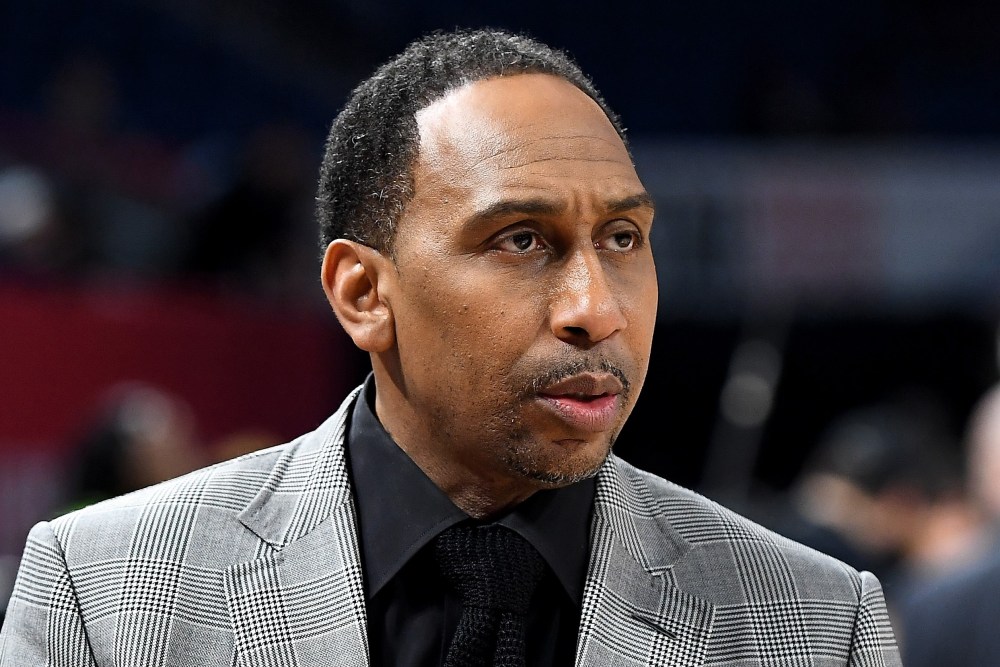
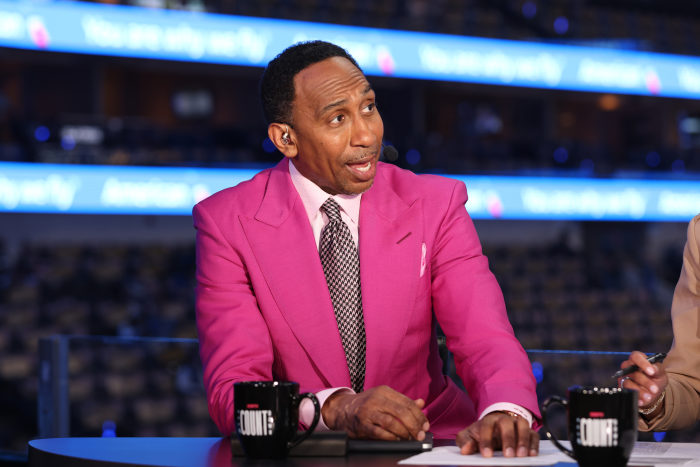
Stephen A. Smith Reveals Why He Won’t Let His Children Work at ESPN
Stephen A. Smith, one of the most recognizable voices in sports media, recently made headlines by openly stating that he will not allow his children to work at ESPN. This candid revelation sheds light on a deeper, often unspoken reality within the sports broadcasting world. According to Smith, the cost of working in such a high-profile environment is simply too high, and the sacrifices required are not something he wants his family to endure. This article explores the reasons behind Smith’s decision, the pressures of working at ESPN, and what this means for the future of sports media legacies.
The High Cost of Working at ESPN: Stephen A. Smith’s Perspective
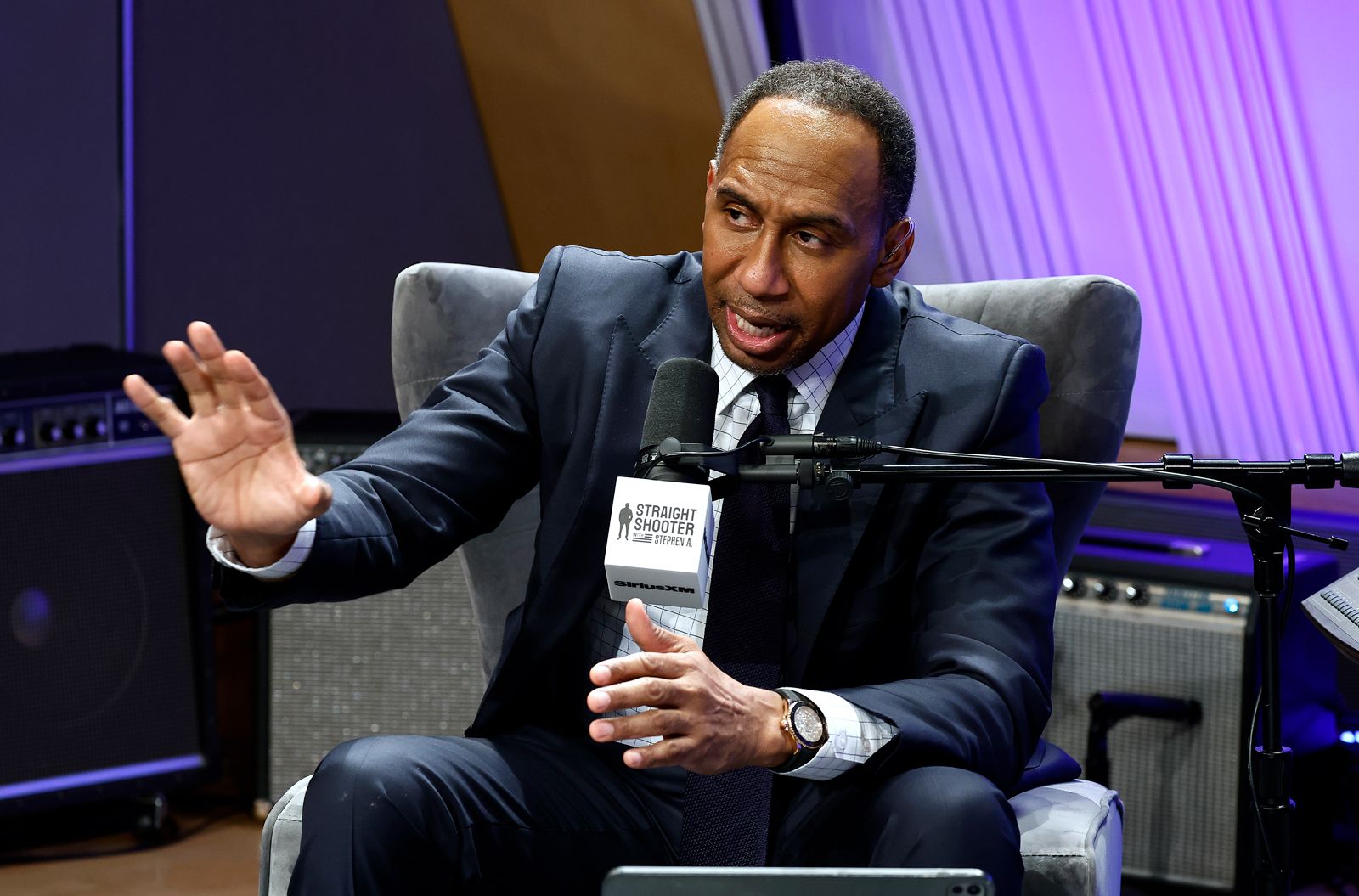
Stephen A. Smith’s career at ESPN has been marked by success, influence, and a distinctive voice that resonates with millions of sports fans. However, behind the scenes, Smith acknowledges that the environment at ESPN can be grueling and demanding. He explained that the intense scrutiny, long hours, and constant pressure to perform take a significant toll on personal life and mental health.
Smith’s refusal to let his children follow in his footsteps at ESPN is rooted in his desire to protect them from these challenges. He believes that while the network offers unparalleled opportunities, the personal cost is often underestimated. The demanding nature of sports media, coupled with the public’s relentless attention, creates a stressful atmosphere that can affect one’s well-being and family relationships.
Moreover, Smith highlighted that the competitive culture within ESPN fosters an environment where employees must constantly prove their worth, often at the expense of their personal lives. This reality, he argues, is something he does not want his children to experience, regardless of their potential talent or passion for sports.
Behind the Scenes: The Reality of Sports Media Careers

The sports media industry, especially at a powerhouse like ESPN, is known for its fast pace and high stakes. Professionals in this field often face unpredictable schedules, frequent travel, and the pressure to deliver compelling content daily. For many, this means sacrificing time with family and enduring a level of public scrutiny that few other professions encounter.
Stephen A. Smith’s insights reveal that the glamour of being a sports commentator or analyst often masks the underlying difficulties. The constant need to stay relevant, manage public perception, and handle criticism can lead to burnout and strained personal relationships. This environment can be particularly challenging for younger professionals who are still finding their footing in the industry.
Smith’s stance also points to a broader conversation about work-life balance in high-profile careers. His decision to shield his children from these pressures underscores the importance of mental health and personal fulfillment over professional legacy.
What This Means for the Future of Sports Media Legacies

Stephen A. Smith’s decision not to encourage his children to work at ESPN challenges the common narrative of following in a parent’s professional footsteps, especially in high-profile industries. It raises important questions about the sustainability of careers in sports media and the evolving values around work and family.
As the media landscape continues to change, with new platforms and opportunities emerging, there may be alternative paths for the next generation of sports enthusiasts. Smith’s perspective encourages aspiring media professionals to consider the full picture—the rewards and the challenges—before committing to such demanding careers.
This candid admission also opens the door for more open discussions about the pressures faced by media personalities and the need for supportive work environments that prioritize well-being alongside performance.
Conclusion

Stephen A. Smith’s firm stance on not allowing his children to work at ESPN reveals a compelling behind-the-scenes truth about the high costs associated with sports media careers. His decision highlights the importance of balancing professional ambition with personal well-being and family priorities. For those inspired by Smith’s career, it serves as a reminder to carefully consider the demands of the industry before pursuing a similar path. If you want to stay updated on the latest sports media insights and career advice, be sure to follow our blog for more in-depth articles and expert perspectives.