Please be gentle… Lisa Rinna warns about the dark side of living in “Housewife mode,” just as Colton Underwood faces death threats after a past scandal resurfaces
In the world of reality television, fame often comes with a heavy price. Lisa Rinna, a prominent figure on “The Real Housewives,” recently spoke candidly about the emotional struggles and the less glamorous side of living in what she calls “Housewife mode.” At the same time, former reality star Colton Underwood is confronting intense public backlash, including death threats, after a scandal from his past has come back into the spotlight. These two stories underscore the complex and often harsh realities behind the scenes of celebrity life.
The Dark Side of Living in “Housewife Mode”: Lisa Rinna’s Candid Warning

Lisa Rinna has been a staple on reality TV for years, known for her candid personality and dramatic flair. However, behind the scenes, she warns that living in “Housewife mode” is far from the glamorous lifestyle viewers might imagine. Rinna recently opened up about the emotional toll that constant scrutiny and the pressure to maintain a certain image can take on a person.
“Please be gentle,” Rinna urged fans and critics alike, emphasizing the vulnerability that comes with being in the public eye. She explained that the persona portrayed on screen is often a carefully curated version of reality, and the emotional labor involved in sustaining that image can be exhausting. The constant judgment from viewers and social media users can lead to anxiety, stress, and a feeling of isolation.
Rinna’s warning sheds light on the mental health challenges many reality stars face but rarely discuss openly. The pressure to entertain, maintain relationships, and stay relevant can create a toxic environment, leading to burnout and emotional distress. Her message is a reminder that behind the drama and spectacle, there are real people dealing with real struggles.
How Reality TV Fame Impacts Mental Health
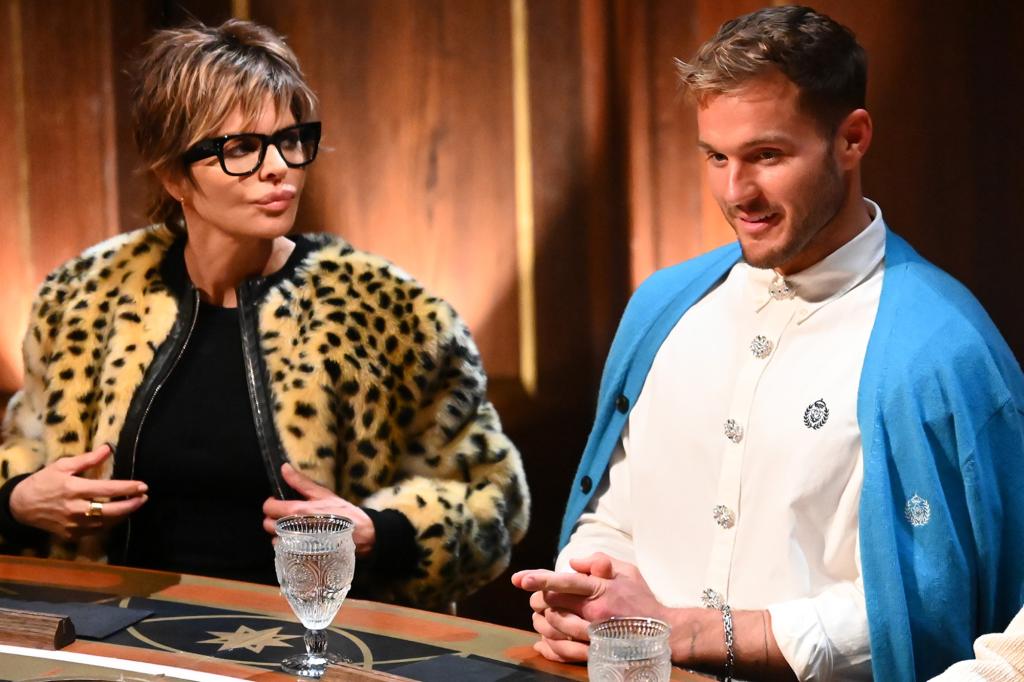
The phenomenon of reality TV fame is a double-edged sword. While it offers opportunities for financial gain and public recognition, it also exposes individuals to relentless public scrutiny. For stars like Lisa Rinna, the challenge lies in balancing authenticity with the demands of the show’s narrative.
Mental health professionals have noted an increase in anxiety and depression among reality TV personalities, often linked to the invasive nature of fame. Social media amplifies this effect, as fans and critics alike dissect every action and word. The resulting pressure can lead to a cycle of stress and emotional exhaustion.
Lisa Rinna’s plea for gentleness is a call for empathy from audiences who consume reality TV. Recognizing the humanity behind the entertainment can foster a more supportive environment for those living in the spotlight.
Colton Underwood Faces Death Threats Amid Resurfaced Scandal
While Lisa Rinna discusses the emotional challenges of reality TV, Colton Underwood’s recent experiences highlight the darker consequences of public exposure. The former “Bachelor” star has been subjected to death threats and severe backlash after a scandal from his past resurfaced, bringing intense media scrutiny and public condemnation.
Underwood’s situation is a stark example of how quickly public opinion can turn and how unforgiving the spotlight can be. The resurfaced scandal has not only affected his career but also his personal safety, illustrating the extreme pressures reality stars can face beyond the cameras.
This backlash raises important questions about accountability, forgiveness, and the boundaries of public judgment. While celebrities are often held to high standards, the severity of threats and harassment crosses a dangerous line that can have serious consequences for mental health and well-being.
The Broader Implications of Celebrity Scandals

Colton Underwood’s experience is not unique; many public figures have faced similar intense scrutiny after past mistakes come to light. The rapid spread of information through social media means that scandals can resurface years later, reigniting controversy and public outrage.
This environment creates a challenging landscape for celebrities trying to move forward from their past. The fear of backlash can stifle personal growth and discourage openness about mistakes and redemption.
Moreover, the extreme reactions, such as death threats, highlight the need for a more compassionate and measured response from the public. While accountability is important, it must be balanced with respect for personal safety and mental health.
Conclusion

Lisa Rinna’s heartfelt warning about the dark side of living in “Housewife mode” and Colton Underwood’s troubling experience with death threats after a resurfaced scandal reveal the complex and often harsh realities of life in the public eye. These stories remind us that behind the entertainment and drama are real people facing emotional challenges and personal risks. As viewers and fans, it’s crucial to approach reality TV stars with empathy and understanding. If you or someone you know is struggling with the pressures of public scrutiny or mental health challenges, don’t hesitate to seek professional support. Let’s foster a culture of kindness and support in the world of reality television and beyond.