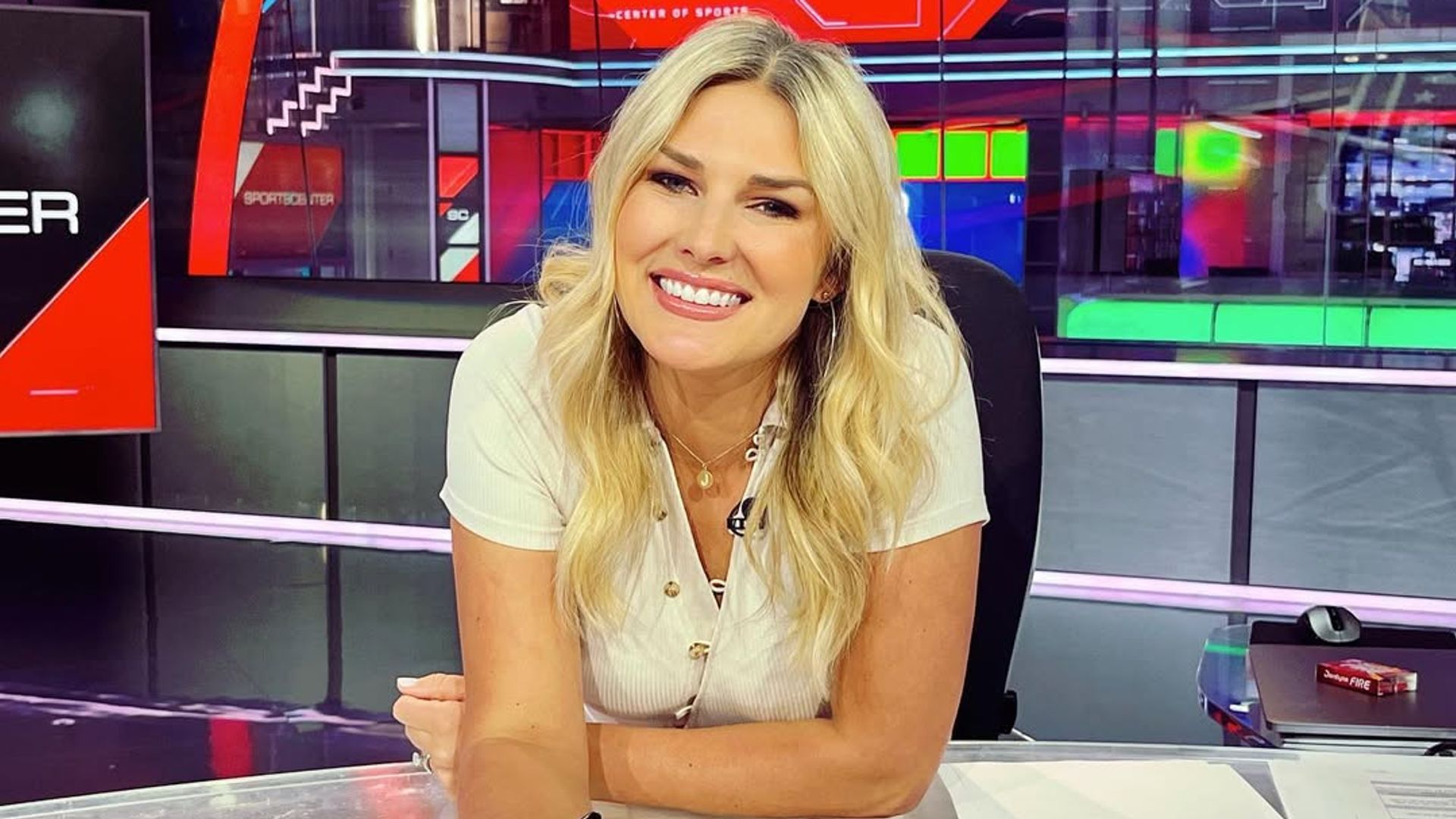
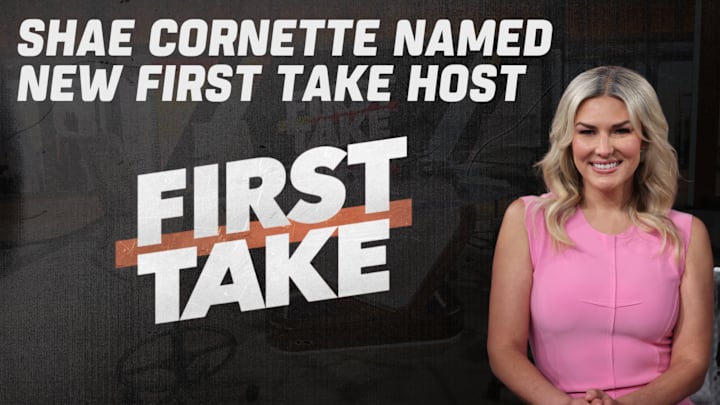
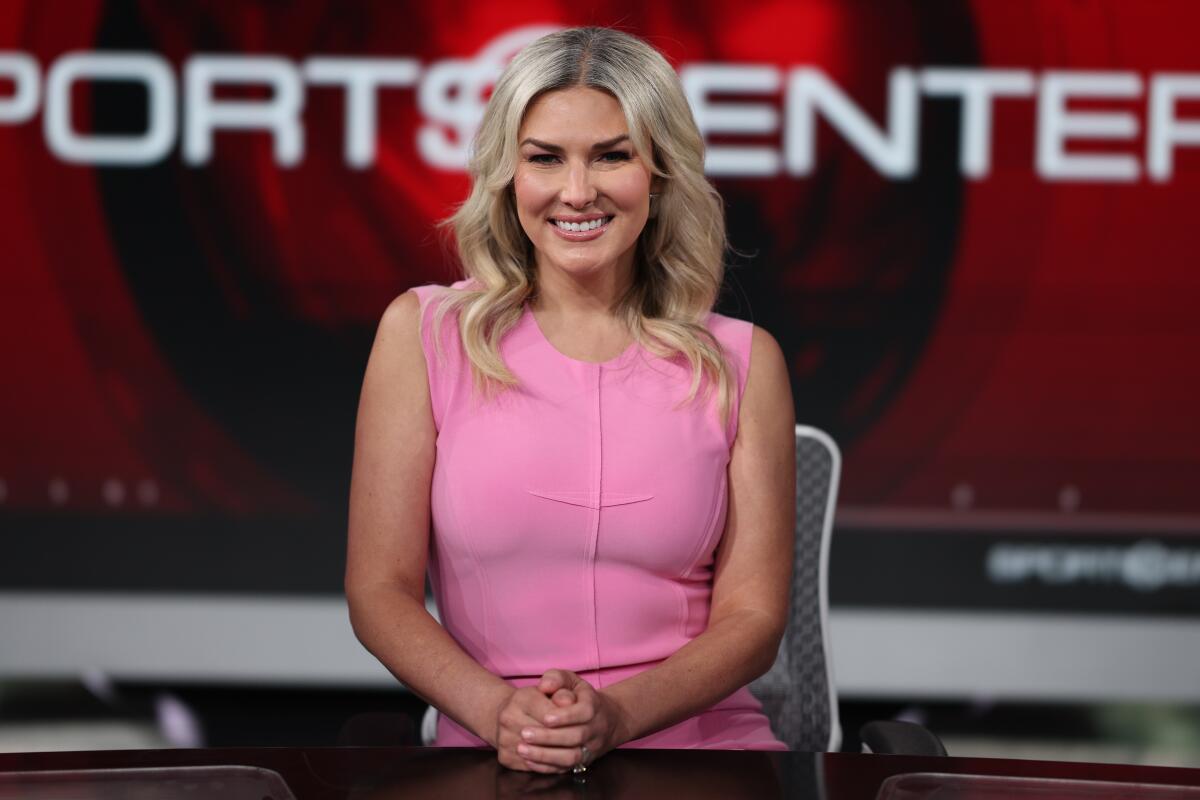
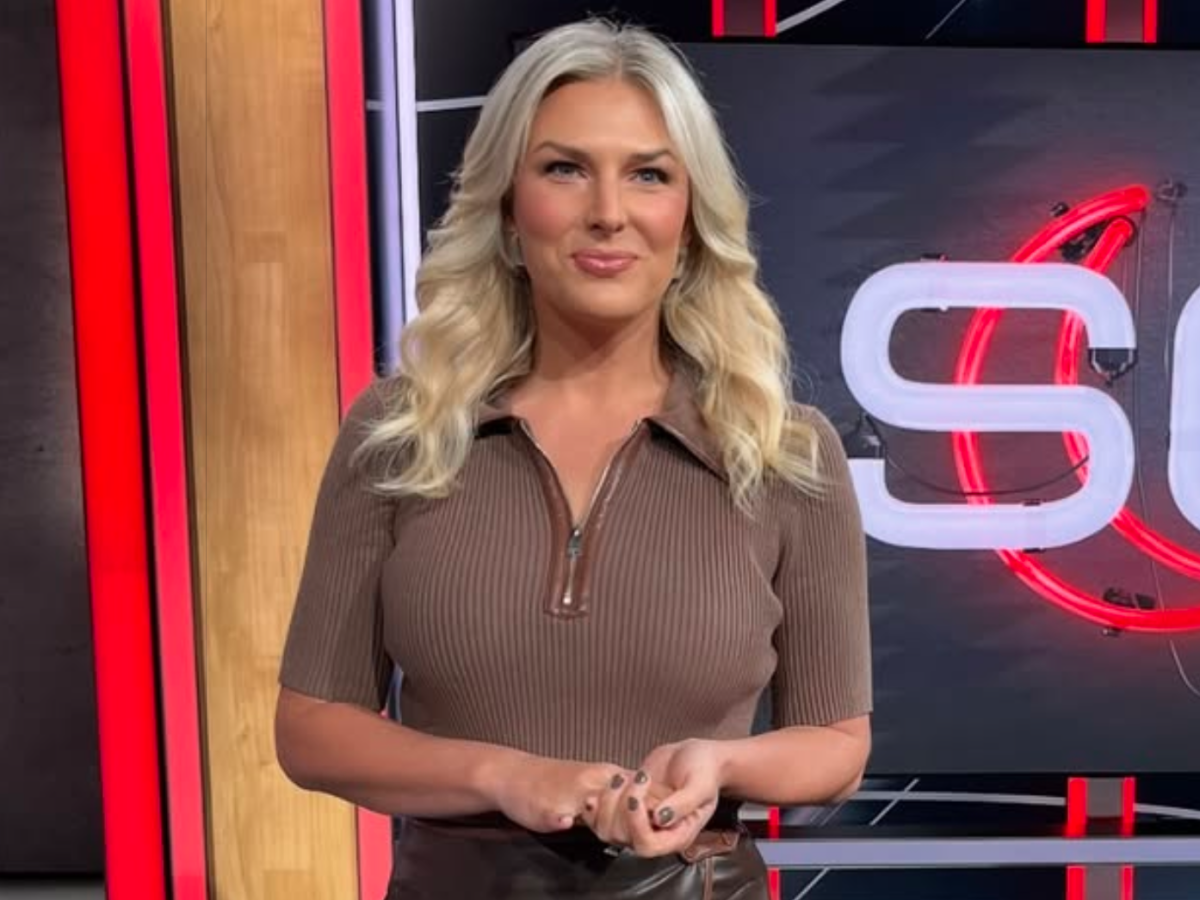
Shae Cornette Finally Speaks Out About Why ESPN Selected Her as Molly Qerim’s Replacement
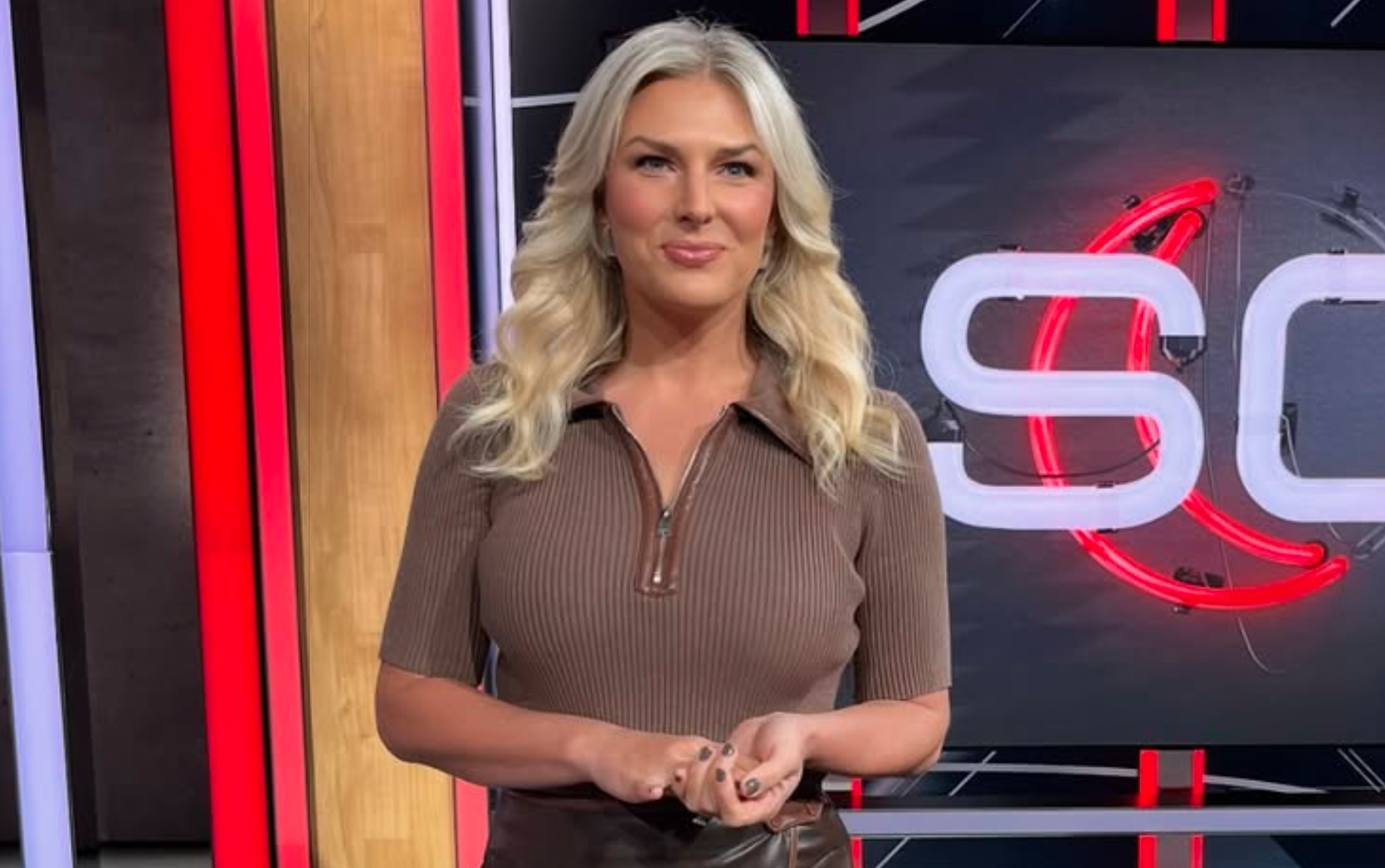
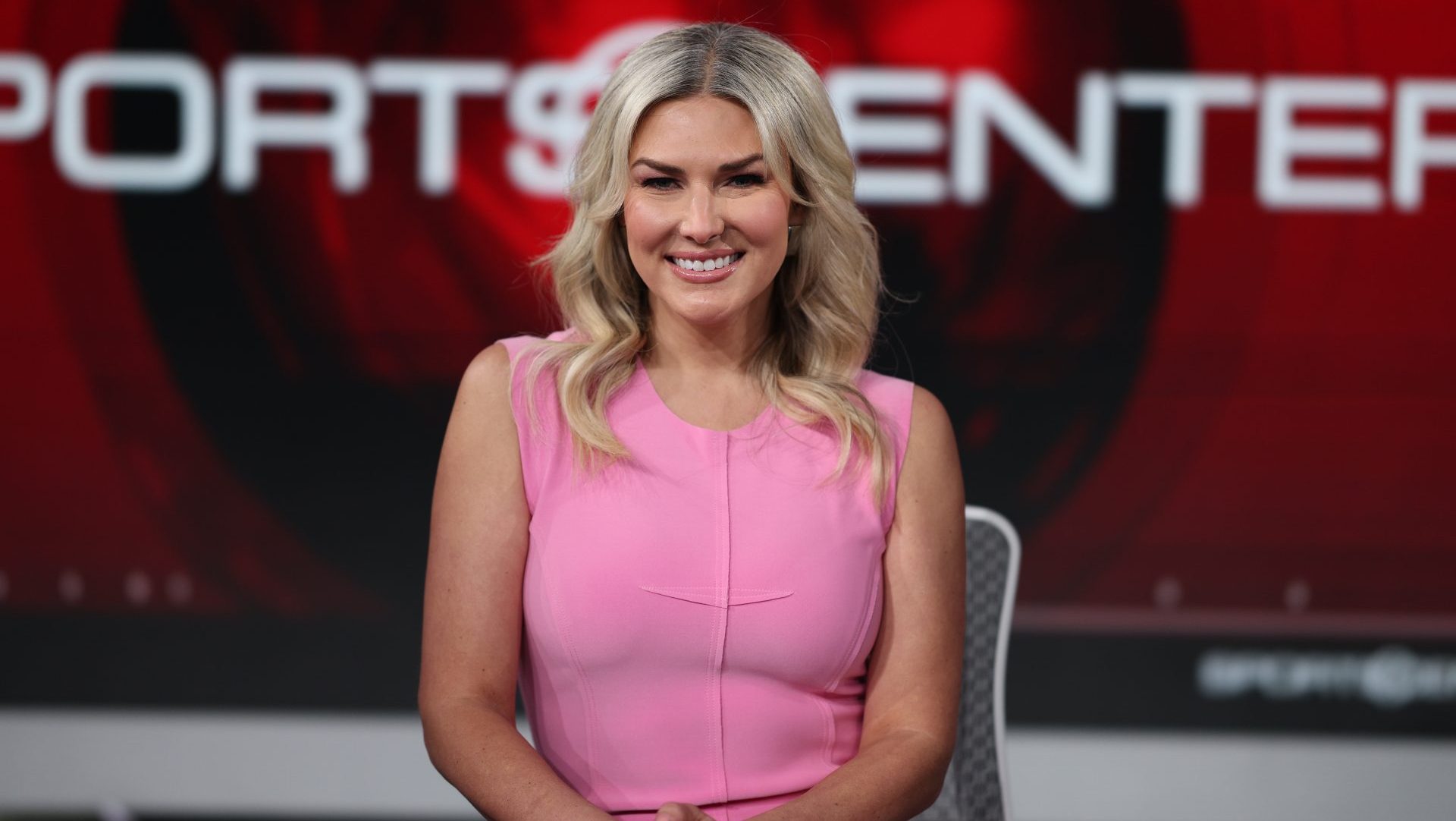
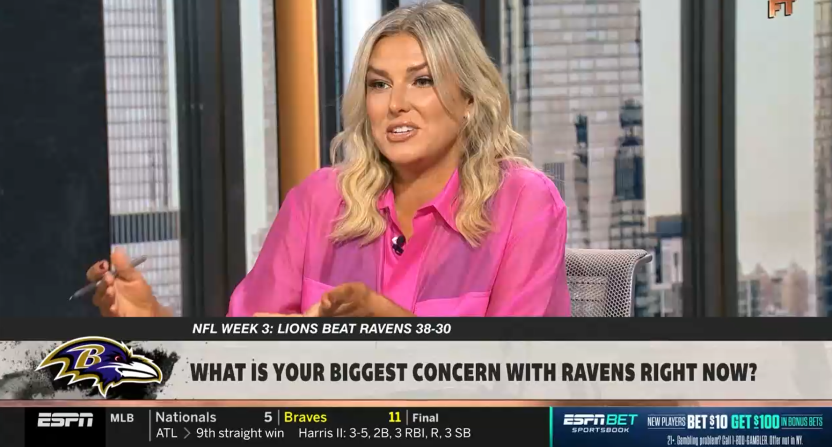
When Shae Cornette stepped into the spotlight as the new host replacing Molly Qerim on ESPN’s flagship show, many fans and insiders were curious about the reasons behind the network’s decision. Recently, Cornette opened up candidly about her experience and the underlying factors that influenced ESPN’s choice. In a heartfelt revelation, she shared that she came to realize the network viewed her as “expendable,” shedding light on the often harsh realities of the sports broadcasting industry.
Why ESPN Selected Shae Cornette as Molly Qerim’s Replacement
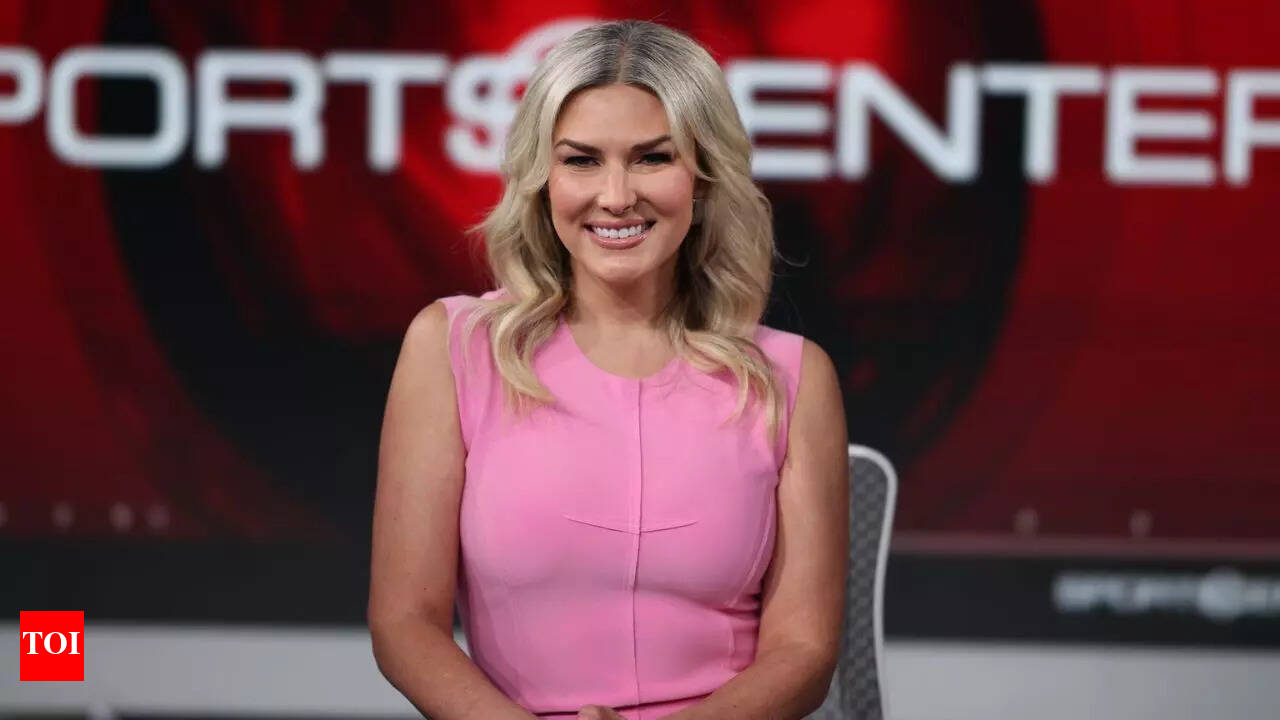
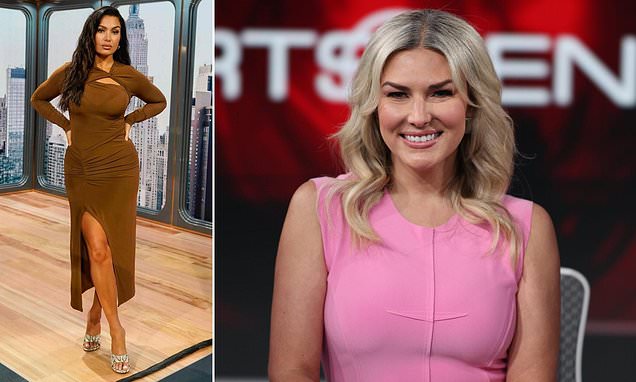
The decision to replace a prominent figure like Molly Qerim was not taken lightly by ESPN. As one of the most recognizable faces on the network, Qerim had built a strong rapport with audiences. When ESPN announced Shae Cornette as her successor, it sparked a wave of speculation. Cornette’s recent comments provide clarity on the situation, revealing that ESPN’s selection was influenced by more than just her talent or on-air presence.
Cornette explained that while she was honored to be chosen, she gradually realized that ESPN’s management saw her primarily as a temporary solution. “I’ve realized they only viewed me as expendable,” she said, highlighting a sense of disposability that many professionals in the media industry face. This insight offers a rare glimpse into the corporate mindset behind casting decisions and the challenges hosts endure behind the scenes.
The Challenges Shae Cornette Faced as ESPN’s New Host
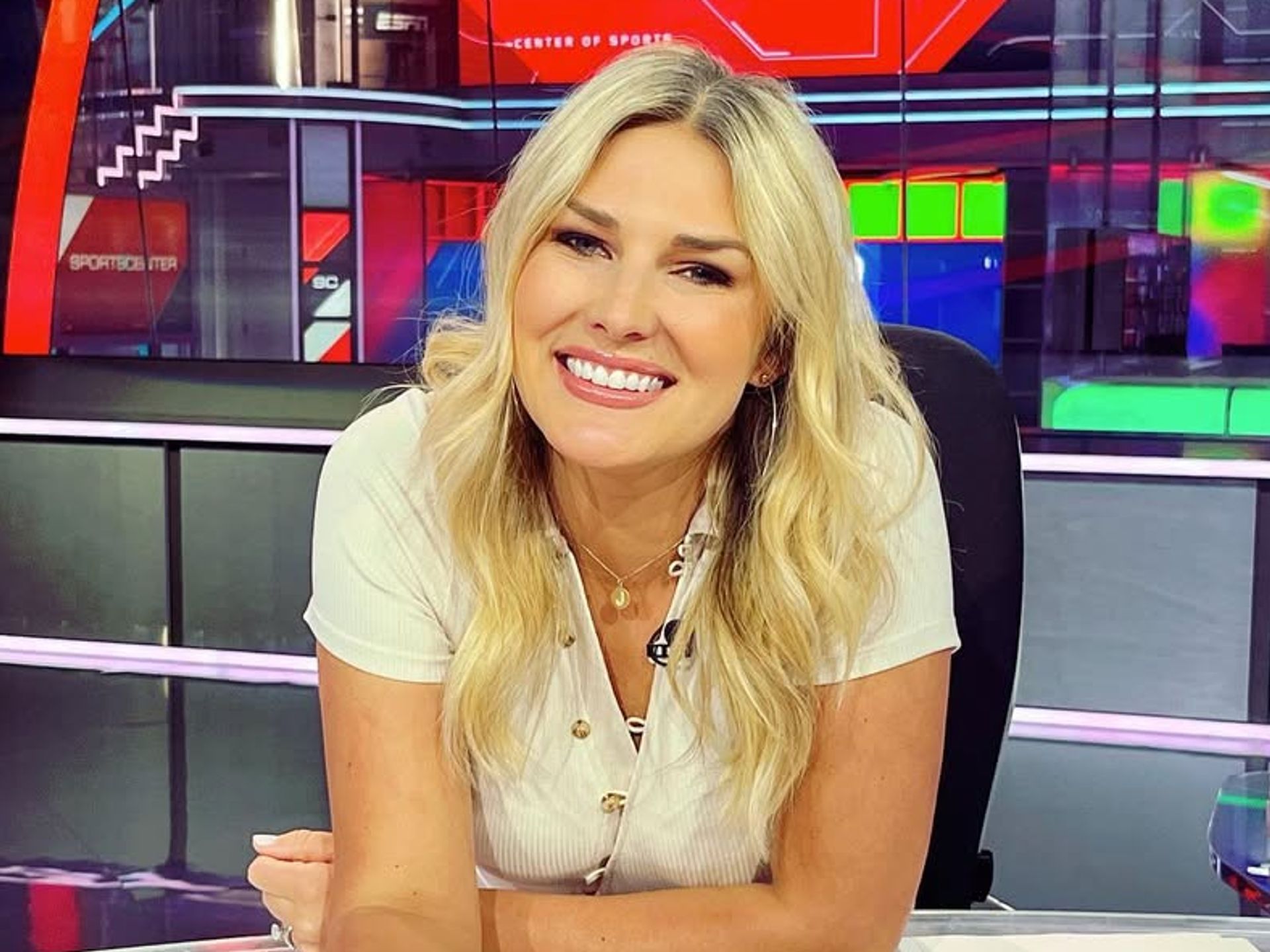
Taking over a high-profile role like Molly Qerim’s comes with immense pressure. Cornette had to navigate not only the expectations of a loyal audience but also the internal dynamics of a competitive network. Her candid admission about feeling expendable underscores the emotional toll such roles can have on broadcasters.
Moreover, Cornette’s experience reflects a broader trend in sports media, where talent turnover is frequent, and job security can be uncertain. Despite her professionalism and dedication, the feeling of being a placeholder rather than a permanent fixture weighed heavily on her. This reality is often masked by the glitz and glamour of television but remains a significant challenge for many in the industry.
What This Means for the Future of Sports Broadcasting

Shae Cornette’s revelations prompt important questions about how networks like ESPN manage talent and communicate with their on-air personalities. The notion of being “expendable” suggests a need for more transparent and supportive workplace environments. For aspiring broadcasters, Cornette’s story serves as both a cautionary tale and a source of inspiration to remain resilient despite uncertainties.
As the sports media landscape continues to evolve, networks must balance business decisions with the well-being of their talent. Cornette’s experience could encourage ESPN and others to rethink how they approach replacements and foster a culture that values longevity and respect for their hosts.
Conclusion
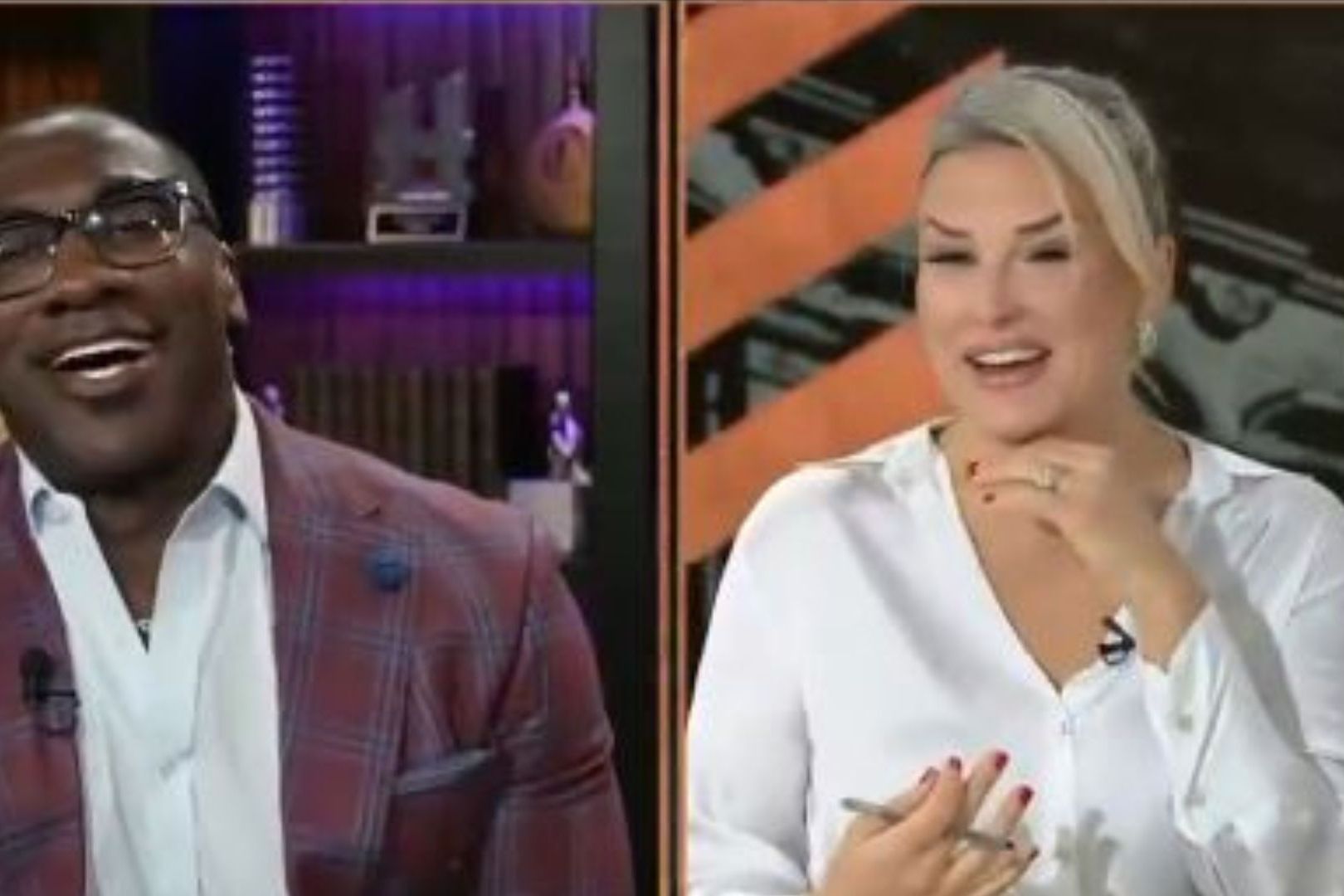
Shae Cornette’s honest reflections on why ESPN selected her as Molly Qerim’s replacement reveal the complex and sometimes harsh realities behind the scenes in sports broadcasting. Feeling viewed as expendable is a difficult truth, but Cornette’s courage in speaking out highlights the importance of transparency and respect in the industry. If you’re passionate about sports media or interested in the dynamics of television hosting, stay tuned for more insider stories and expert insights. Don’t forget to share this article and join the conversation about the future of sports broadcasting!