NBC’s Willie Geist Opens Up About His Concerns for His Teenage Son
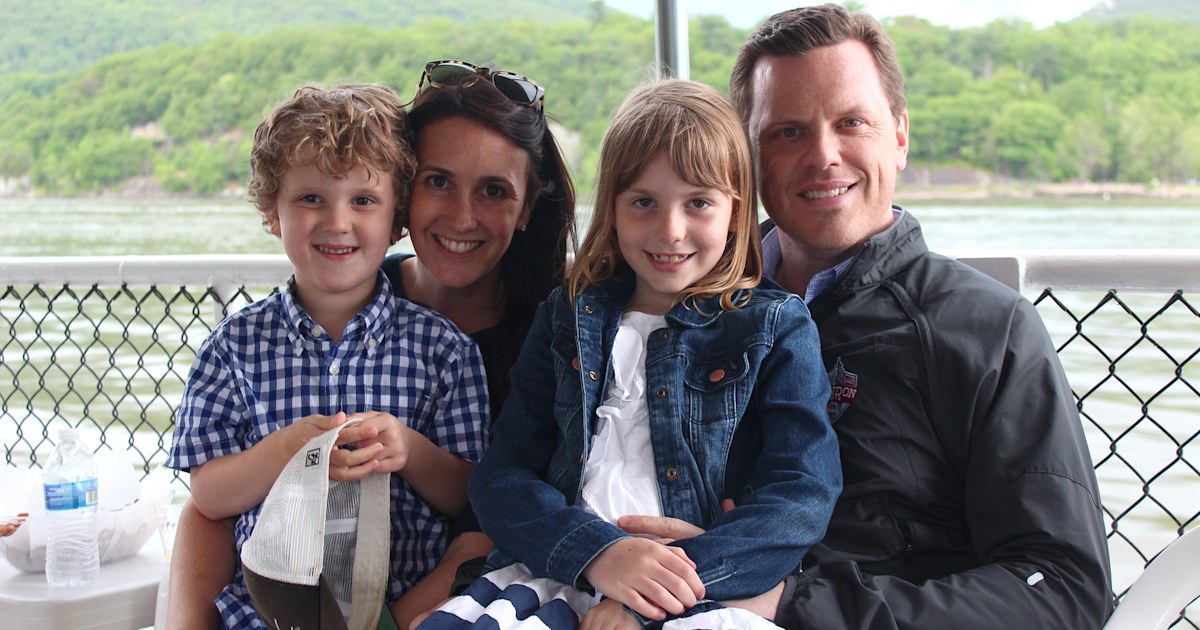
NBC’s Willie Geist recently spoke candidly about his experiences as a father, particularly focusing on the challenges of raising his teenage son. In a heartfelt admission, Geist expressed, “He’s so different from his sister,” shedding light on the distinct personalities and needs that come with parenting children of different genders and temperaments. This honest reflection offers a glimpse into the evolving dynamics of modern fatherhood and the unique concerns parents face during their children’s adolescent years.
Understanding the Differences: Willie Geist’s Perspective on Parenting His Teenage Son

Parenting is never a one-size-fits-all journey, and Willie Geist’s comments underscore this truth. His teenage son’s personality and behavior differ significantly from that of his daughter, which has prompted Geist to adapt his parenting approach accordingly. This difference is not uncommon among parents who raise children with diverse temperaments and interests.
Geist’s openness about these differences highlights the importance of recognizing and respecting each child’s individuality. For many parents, the teenage years can be a time of uncertainty and concern, especially as children begin to assert their independence and develop their own identities. Geist’s experience reflects a broader reality: parenting teenagers requires flexibility, patience, and a willingness to embrace change.
Challenges and Rewards of Raising a Teenage Son

Raising a teenage son often comes with its own set of challenges. Adolescence is a critical period marked by physical, emotional, and psychological changes. For Geist, these challenges are compounded by the fact that his son’s personality contrasts sharply with his daughter’s, requiring tailored parenting strategies.
Some common concerns parents face with teenage sons include communication barriers, risk-taking behaviors, and the struggle to balance discipline with freedom. Geist’s candid admission about his worries is a reminder that even public figures encounter these universal parenting hurdles.
Despite these challenges, raising a teenage son also brings immense rewards. Watching a child grow into a confident, responsible young man is a source of pride and joy. Geist’s reflections emphasize the importance of nurturing a strong parent-child relationship built on trust and understanding.
Adapting Parenting Styles to Meet Individual Needs

One of the key takeaways from Willie Geist’s experience is the necessity of adapting parenting styles to fit each child’s unique personality. While his daughter may respond well to certain approaches, his son requires different methods to thrive.
Effective parenting involves active listening, empathy, and flexibility. By acknowledging his son’s distinct needs, Geist demonstrates a commitment to fostering an environment where both children can flourish. This approach not only strengthens familial bonds but also supports the healthy development of each child.
Parents can learn from Geist’s example by embracing the differences among their children and tailoring their guidance accordingly. This personalized approach helps address specific challenges and encourages positive growth during the formative teenage years.
Conclusion

Willie Geist’s honest reflections on raising his teenage son highlight the complexities and rewards of parenting children with different personalities. His experience serves as a valuable reminder that every child is unique and requires individualized attention and care. If you’re navigating the challenges of parenting teenagers, take inspiration from Geist’s approach—embrace the differences, stay patient, and adapt your parenting style to support your child’s growth. For more insights on effective parenting strategies, subscribe to our newsletter and stay informed on how to nurture strong, healthy family relationships.