CBS News Faces Major Lawsuit After Kristi Noem Reveals Malicious Editing of Interview
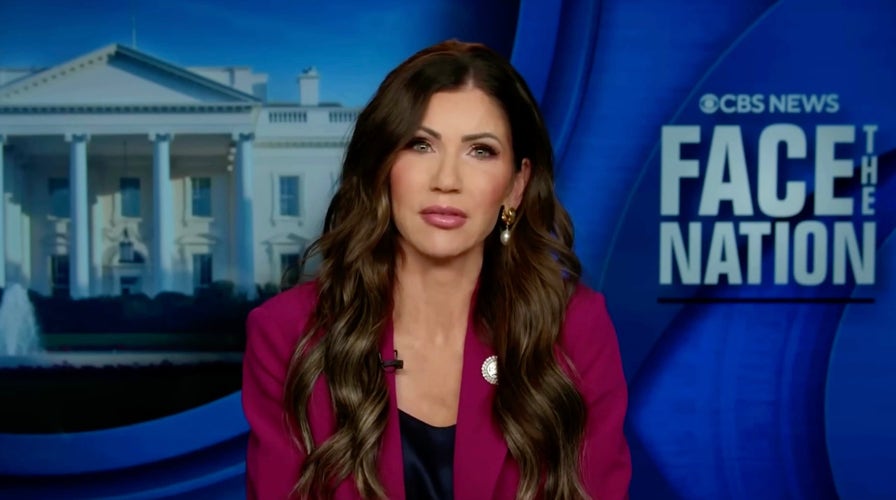
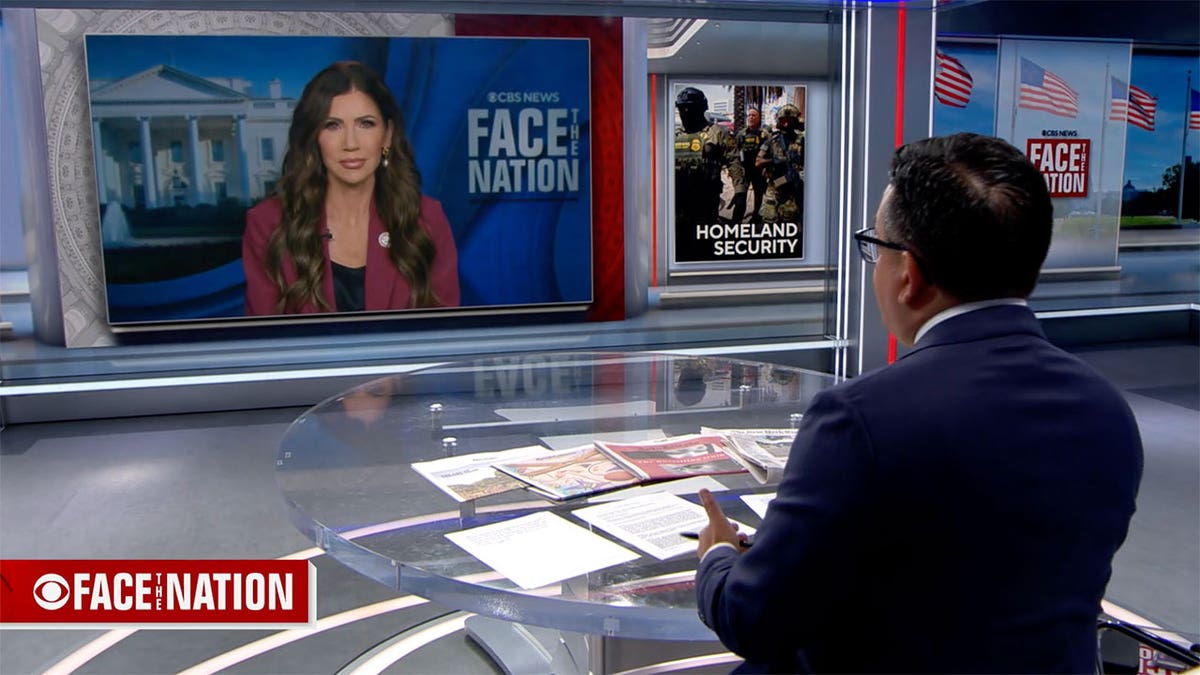
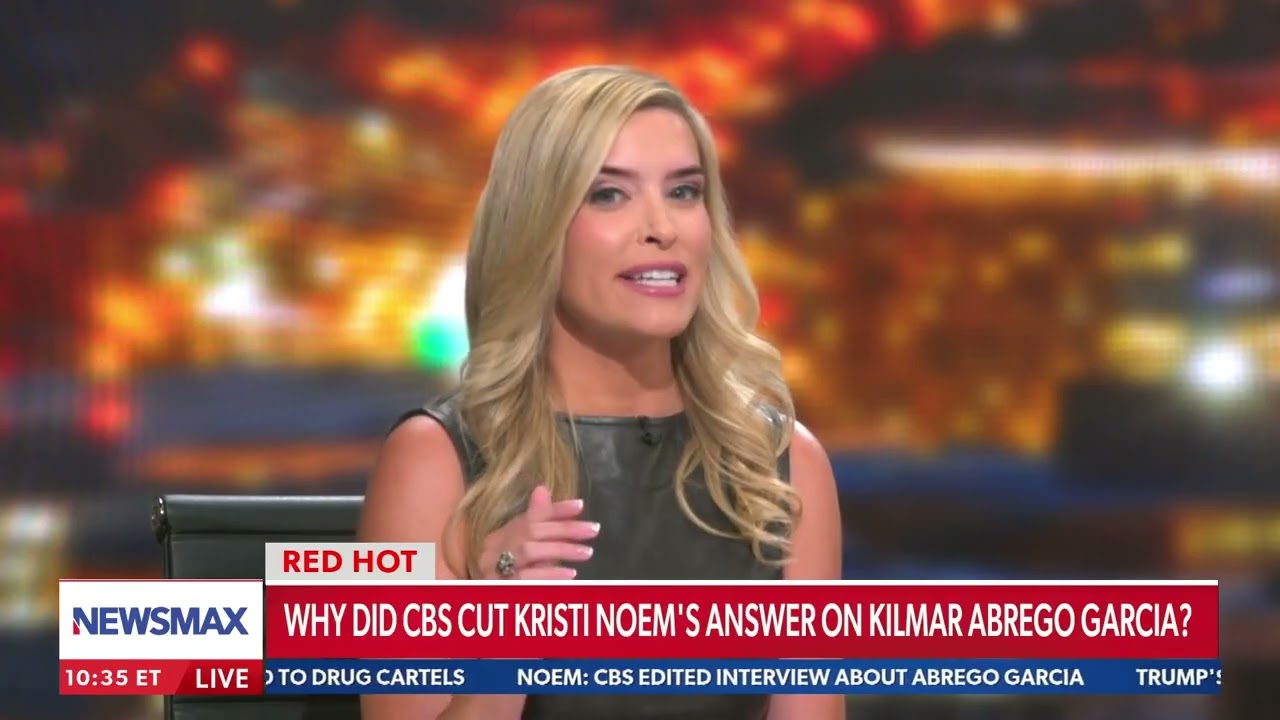
CBS News is currently embroiled in a significant legal battle following revelations by South Dakota Governor Kristi Noem that her interview with the network was deliberately and maliciously edited. This controversy has raised serious questions about journalistic integrity and the ethical standards of major news organizations. But what exactly went wrong during the interview process, and how did this situation escalate into a lawsuit? In this article, we explore the details behind the lawsuit, the implications for CBS News, and the broader impact on media trust.
What Went Wrong: The Malicious Editing of Kristi Noem’s Interview
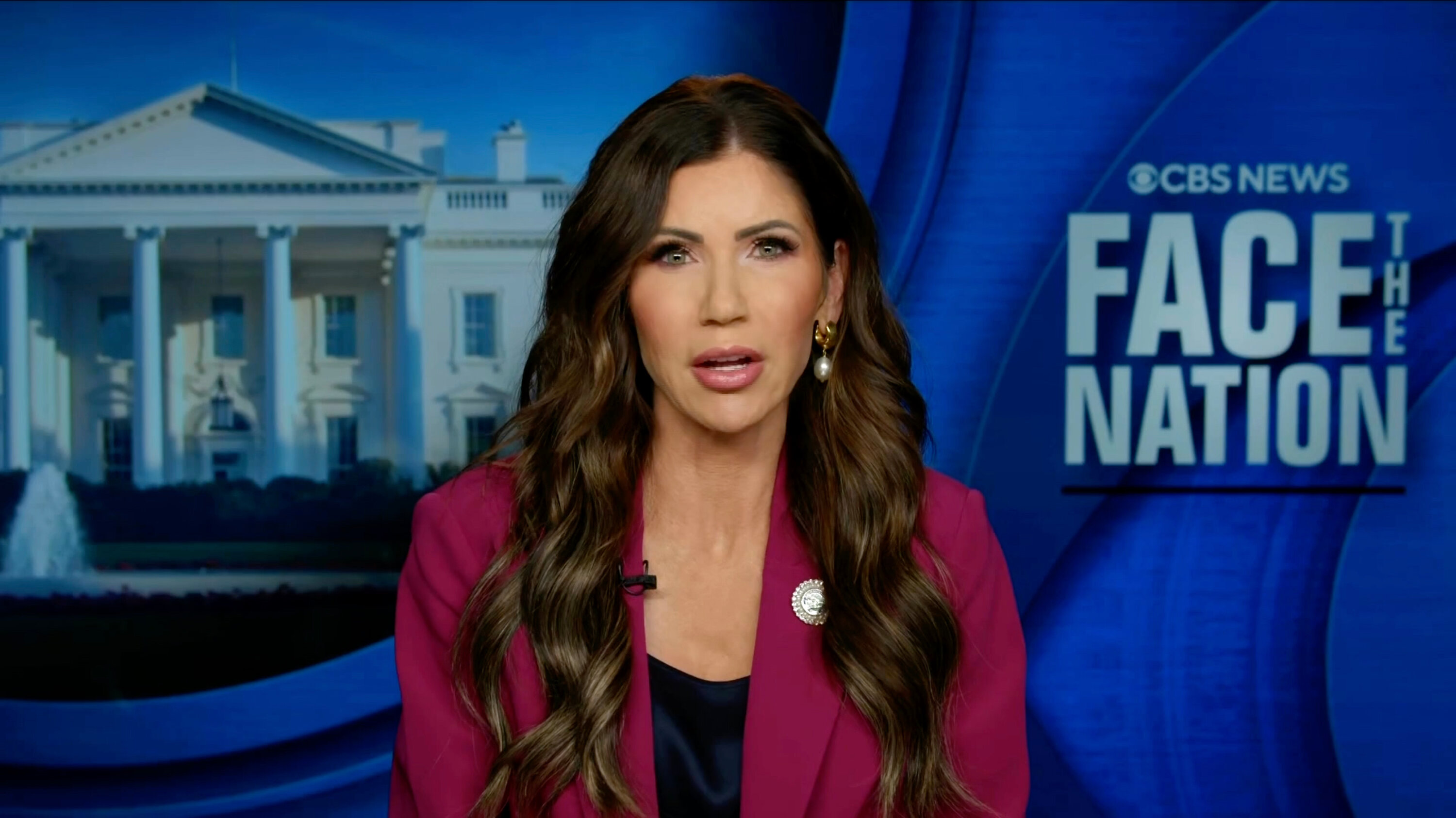
The core issue at the heart of the lawsuit is the allegation that CBS News intentionally manipulated footage from Kristi Noem’s interview to misrepresent her statements. According to Noem, the network selectively edited her responses, removing context and altering the narrative in a way that painted her in a negative light. This type of editing goes beyond standard journalistic practice and crosses into unethical territory, potentially damaging the reputation of the interviewee and misleading the public.
Kristi Noem provided evidence supporting her claims, including unedited footage and transcripts, which she shared publicly to highlight the discrepancies. This evidence suggests that CBS News not only omitted key parts of her answers but also rearranged segments to create a false impression. Such actions undermine the trust viewers place in news outlets to provide accurate and fair reporting.
The Legal and Ethical Implications for CBS News
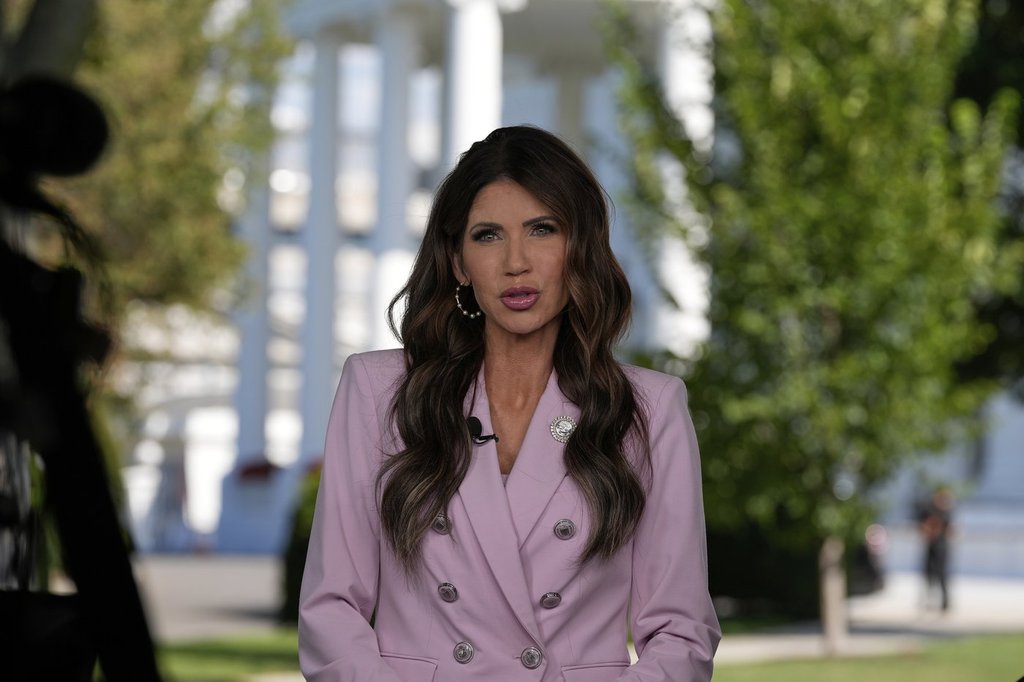
The lawsuit filed against CBS News centers on defamation and breach of journalistic ethics. If proven, these allegations could have far-reaching consequences for the network, including financial penalties and damage to its credibility. The case also brings to light the broader issue of media accountability, especially in an era where misinformation and biased reporting are hotly debated topics.
From an ethical standpoint, journalists are expected to present information truthfully and fairly, ensuring that interviewees’ words are not distorted. Malicious editing violates these principles and can erode public confidence in the media. For CBS News, this lawsuit serves as a critical reminder of the importance of maintaining transparency and integrity in news reporting.
Public Reaction and the Impact on Media Trust
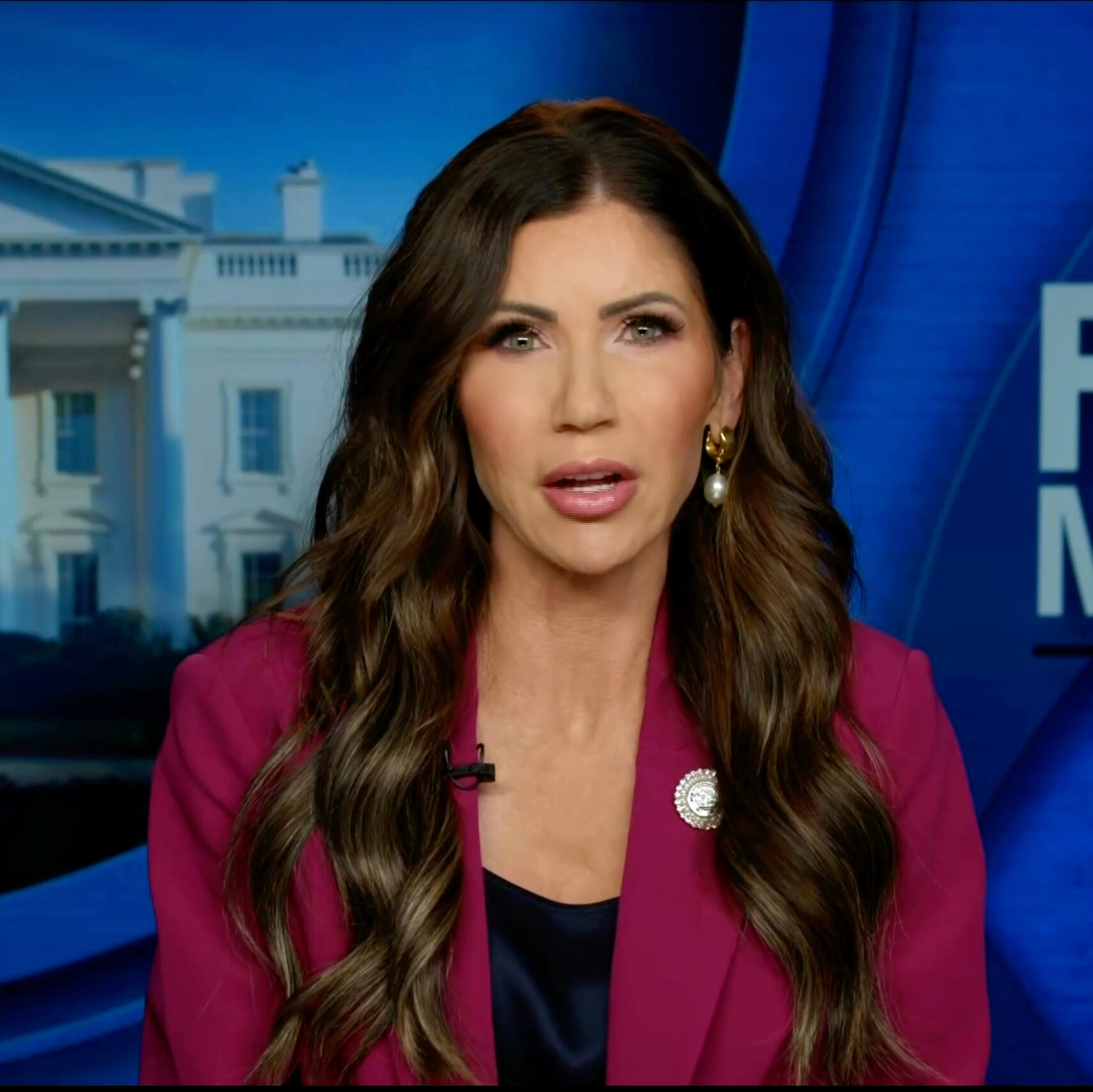
The public response to the lawsuit and the revelations about the interview editing has been mixed but largely critical of CBS News. Many viewers expressed disappointment and concern over the network’s editorial practices, fearing that such manipulation could be widespread. This incident has fueled ongoing debates about media bias and the reliability of mainstream news sources.
Supporters of Kristi Noem have rallied behind her, emphasizing the need for accountability and fair treatment in media coverage. Conversely, some critics argue that all news outlets face challenges in balancing editorial control with accurate reporting. Regardless, the controversy has undeniably spotlighted the necessity for greater scrutiny of how interviews and news stories are produced.
Conclusion: The Importance of Media Integrity and Accountability
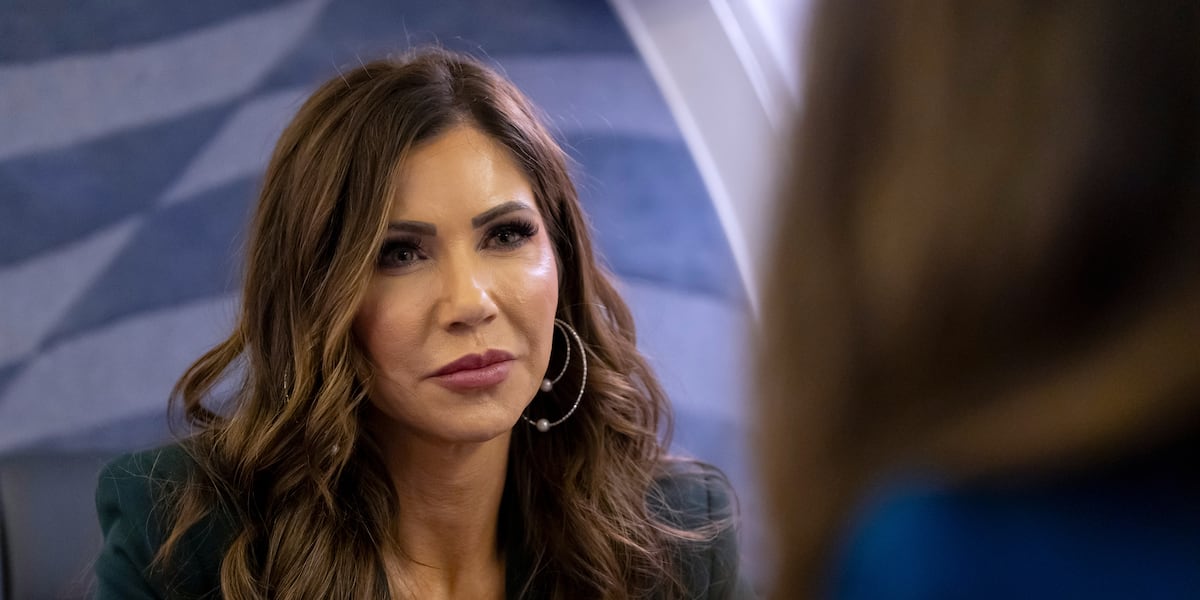
The lawsuit against CBS News following Kristi Noem’s revelations about malicious interview editing highlights a critical issue in today’s media landscape: the need for honesty and ethical standards in journalism. As viewers, it is essential to demand transparency and hold news organizations accountable for their reporting practices. For CBS News, this legal challenge is a pivotal moment to restore trust and reaffirm its commitment to truthful journalism.
If you value accurate and fair news coverage, stay informed about this developing story and support efforts to promote media integrity. Together, we can encourage responsible journalism that respects both the interviewee and the audience.