
Trapped on My Own Farm by My Son, I Used My Late Wife's Secret Phone to Fight for Her Legacy


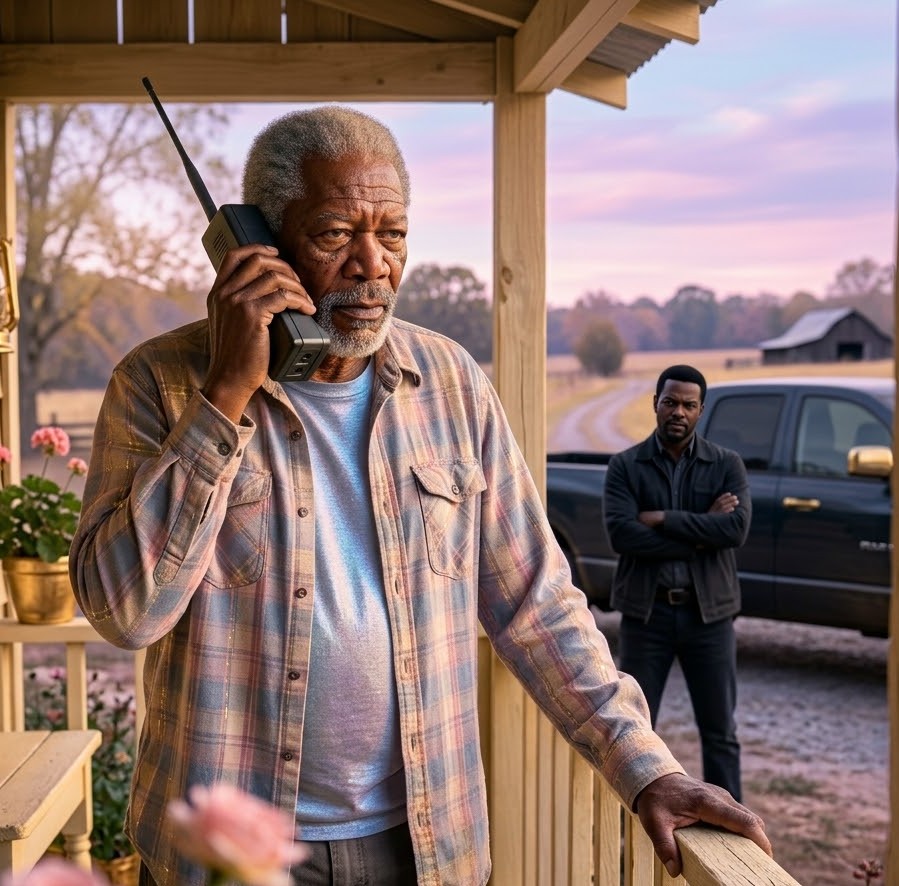

The county supervisor began by outlining the purpose of the hearing: to address the severe zoning violations and environmental concerns detailed in the Stop Work Order against Thorne Heritage Farm. The severity of the alleged infractions, he stressed, could lead to significant fines or even a forced sale.
He then gave the floor to Marcus. My son rose, smoothed his suit jacket, and approached the podium with an air of practiced solemnity. He glanced at me, a brief, triumphant flash in his eyes.
“Thank you, Supervisor,” Marcus began, his voice calm and clear, projecting an image of concern. “As many of you know, Thorne Heritage Farm is not just a property; it’s a family legacy. My mother, Sarah Thorne, poured her heart into it.” He paused, letting the sentimental words sink in.
He held up a copy of Desmond King’s appraisal report. “Unfortunately, since my mother’s passing, the farm has faced significant challenges. This independent appraisal report, conducted by a reputable professional, Mr. Desmond King, clearly details the declining condition of the property. It highlights severe drainage issues, soil erosion, and what it terms ‘environmental liabilities’ that significantly devalue the land.”
He pointed to specific sections of the report, though no one in the audience could see the actual text. He was relying on the weight of his words, the perceived authority of the document, to create a sense of undeniable truth. This was the specific, petty cruelty: calling Sarah’s vibrant, thriving farm a landscape of “liabilities.”
“Furthermore,” Marcus continued, then held up a copy of Officer Jenkins’s official Stop Work Order. “The county zoning office, through Officer Jenkins’s diligent inspections, has corroborated these findings. The farm is currently in violation of several critical environmental codes. The Stop Work Order, as difficult as it is, was a necessary step to protect our community.”
He paused again, allowing the full impact of these official pronouncements to settle. He was framing himself as the reluctant messenger, delivering harsh but necessary truths. He made no mention of the $125,000 in diverted grants, nor the luxury resort development. He selectively presented information, twisting reality to fit his narrative.
“My father, while a good man,” Marcus said, his voice laced with false sympathy, “is simply not equipped to manage an operation of this complexity in its current state. His… emotional unavailability since my mother’s passing, coupled with his inexperience in modern agricultural practices, has unfortunately exacerbated these issues.”
I clenched my jaw, fighting the urge to stand up and shout. He was using my grief, my emotional vulnerability, as a public weapon against me. It was a calculated, personal insult, designed to discredit me not just as a farmer, but as a father, as a man. He wanted to portray me as weak, as incapable, precisely what Sarah had feared I would become after her death.
“Therefore,” Marcus concluded, his voice firm, “I urge this board to consider a sensible path forward. A strategic sale of the farm’s development rights, managed by capable hands, would allow for its revitalization and ensure a stable future for the land, while also providing much-needed economic stimulus for our community.” He looked out at the audience, a picture of earnest conviction. “It is, I believe, the only way to truly save Thorne Heritage Farm.”
He finished, and a scattering of polite applause, mixed with uncertain murmurs, rippled through the room. He had delivered his performance flawlessly, leaving many in the audience believing his version of events, seeing him as the pragmatic son trying to rescue a failing family asset. He had painted me as an obstacle, clinging to an unsustainable past. The misunderstanding was deeply entrenched.
Marcus stepped away from the podium, a smug look on his face, and returned to his seat next to Brenda Maxwell, who gave his arm a reassuring squeeze. Officer Jenkins, from his spot in the back, offered a subtle nod of approval. The trap was sprung, and Marcus believed he had sealed the farm’s fate.
More Stories









+ There are no comments
Add yours