
The Prom Night Truth: My Mother's Hidden Cultural Feud Over a Forgotten Deed Threatened My Best Friend's Future


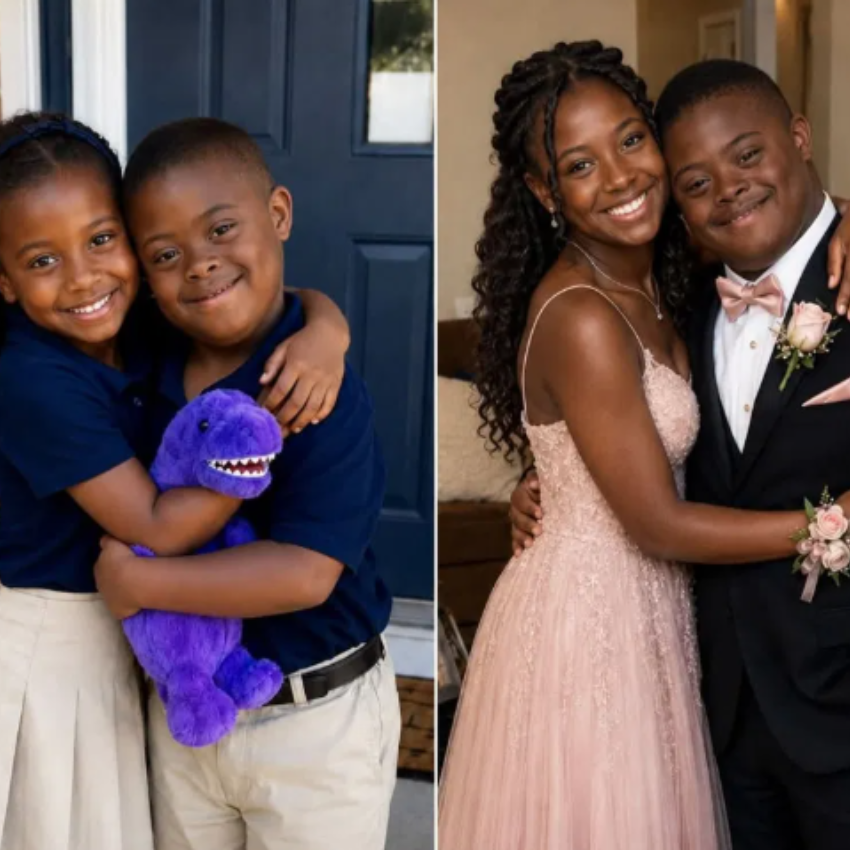


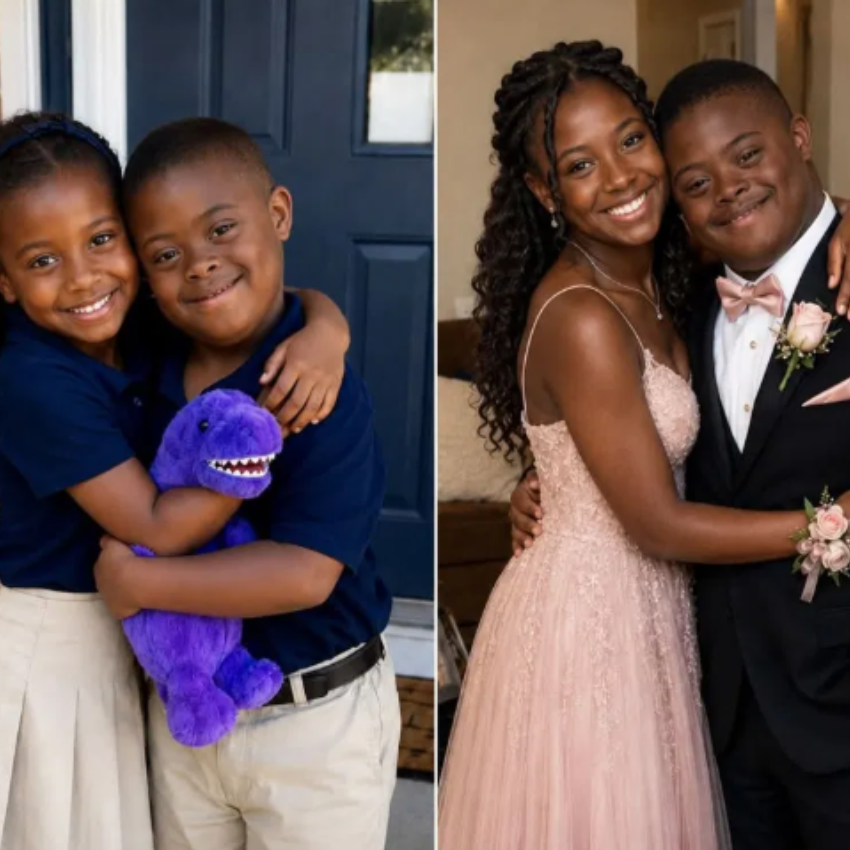


In the weeks that followed Beverly’s public humiliation and legal consequences, the community’s retribution against her became severe. The very people who had once admired her, or quietly tolerated her influence, now openly scorned her. Ascension Athletics was seized, its doors padlocked, a stark symbol of her downfall. Her home, once a beacon of prosperity, was put up for sale to cover restitution. Her former friends turned their backs, leaving her utterly isolated.
Watching this unfold, my heart ached, not for Beverly, but for Noah. He was bewildered, lost. He had relied completely on his mother for everything, and now her world, and by extension his, had completely imploded. He had nowhere to go, no one to truly care for him in the wake of his mother’s disgrace. His cheerful demeanor had dimmed, replaced by a quiet, confused sadness. The casual cruelty of his mother’s actions had unintended, devastating consequences for him.
I visited him a few times, bringing him his favorite snacks, trying to offer what comfort I could. He barely spoke, just clung to my hand, his eyes filled with a vulnerable fear. He didn’t understand the complex legalities, only that his mother was gone, his home was gone, and his world had been violently uprooted. The casual cruelty of his mother’s complete downfall meant he was collateral damage, a young man with Down syndrome cast adrift.
The images of his distress, his profound vulnerability, weighed heavily on me. I saw not the son of my family’s betrayer, but my best friend, lost and alone. My promise to him, held onto since childhood, had been to always be there for him, to protect him. And now, he needed protection more than ever.
The community, still reeling from the revelations, was eager for closure. MJ, ever the journalist, scheduled a follow-up interview with me for The Beacon Star. He wanted my perspective, my reflections on the journey to justice. This was my moment to speak truth, to solidify Beverly’s utter condemnation.
But looking at Noah, at the profound impact his mother’s complete downfall was having on his care and his future, I made a difficult decision. A sacrifice. I knew it would draw criticism. I knew it might even jeopardize my burgeoning reputation as an activist, and a college scholarship opportunity tied to community engagement that I was seriously pursuing. That scholarship, worth $20,000 a year, was my path to college without loans. This was a significant personal cost, with no immediate reward.
During the interview, I spoke carefully, choosing my words with immense thought. “What Beverly Evans did was wrong,” I stated, my voice clear. “It caused my family immense pain and suffering. We have received justice, and I am grateful for that.”
Then, I paused, taking a deep breath. “But I also believe we need to understand the complexities of our community’s history. Generations of struggle, the pressure to succeed, the changing legal landscape around land trusts… these factors can sometimes lead to misunderstandings, to actions that, while deeply hurtful, may not always stem from pure, unadulterated malice.”
MJ looked at me, surprised by my nuance. He had expected a definitive condemnation, a final nail in Beverly’s coffin.
“I believe,” I continued, looking directly into the camera, “that while accountability is vital, collective healing also requires empathy. It requires us to look at the broader context, to learn from these mistakes, and to prevent them from ever happening again. Not just by punishing individuals, but by strengthening our communal bonds and protecting our most vulnerable members.”
I carefully framed Beverly’s actions as a “complex misunderstanding of cultural and legal boundaries within a rapidly changing community,” rather than outright malicious intent. I acknowledged the pain but emphasized the need for collective healing. It was a diplomatic tightrope walk, designed to soften the blow for Noah. It was a form of specific, personal cruelty against myself, sacrificing my clear stance for his well-being.
The article published my statement, highlighting my call for “empathy and collective healing.” While many in the community applauded my maturity and wisdom, some reacted with anger. Social media buzzed with criticism.
“Nia Johnson is letting Beverly off the hook!” one comment read.
“After all that pain, she’s still defending the rich?” another posted.
My scholarship committee, a panel of prominent community leaders, quietly expressed “concern” about my “lack of a strong stance on justice for historical wrongs.” My activism, once praised, was now viewed with suspicion. My phone rang less often. Invitations to speak at local events dried up. The criticism, the questioning of my motives, felt like a constant, low-grade personal cruelty.
Lena understood immediately. She saw the cost, the sacrifice I was making. She held me tight one evening, saying nothing, just stroking my hair. She knew the weight of my choice.
I had given up a clear victory, a chance to solidify my reputation and secure my future, for Noah. I knew the truth. Beverly was malicious. But protecting Noah, ensuring he had some stability, some hope, mattered more to me than any personal triumph or scholarship. It was a sacrifice that came with no immediate reward, only the quiet satisfaction of knowing I had honored my deepest promise to my best friend. The sting of public misunderstanding was a small price to pay for his fragile peace.
More Stories














+ There are no comments
Add yours