
The Prom Night Truth: My Mother's Hidden Cultural Feud Over a Forgotten Deed Threatened My Best Friend's Future


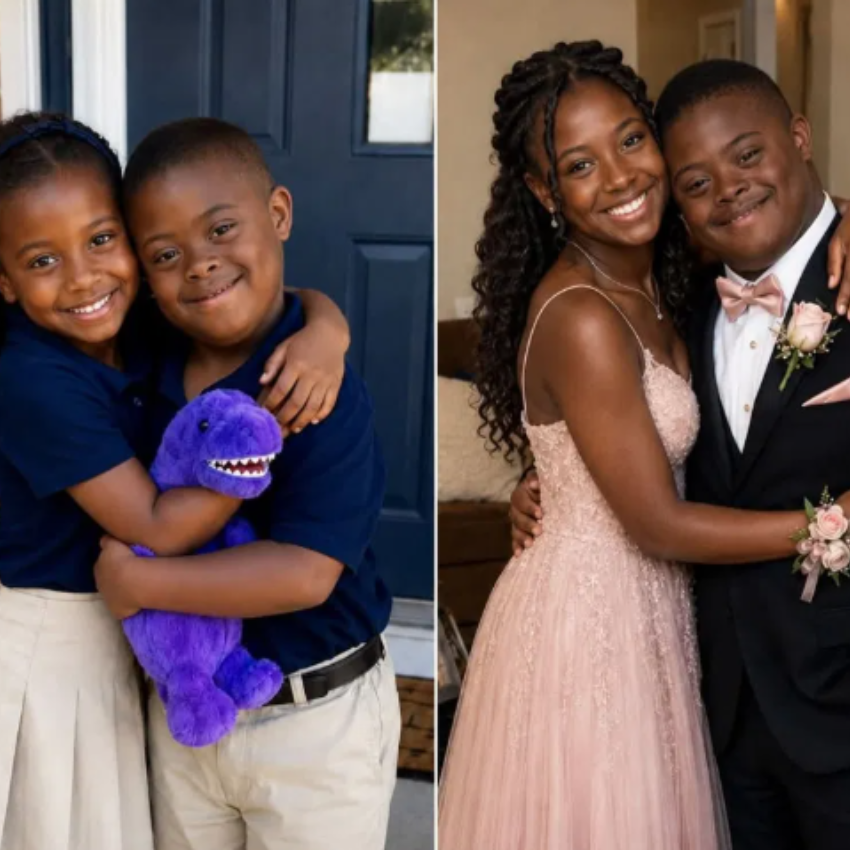


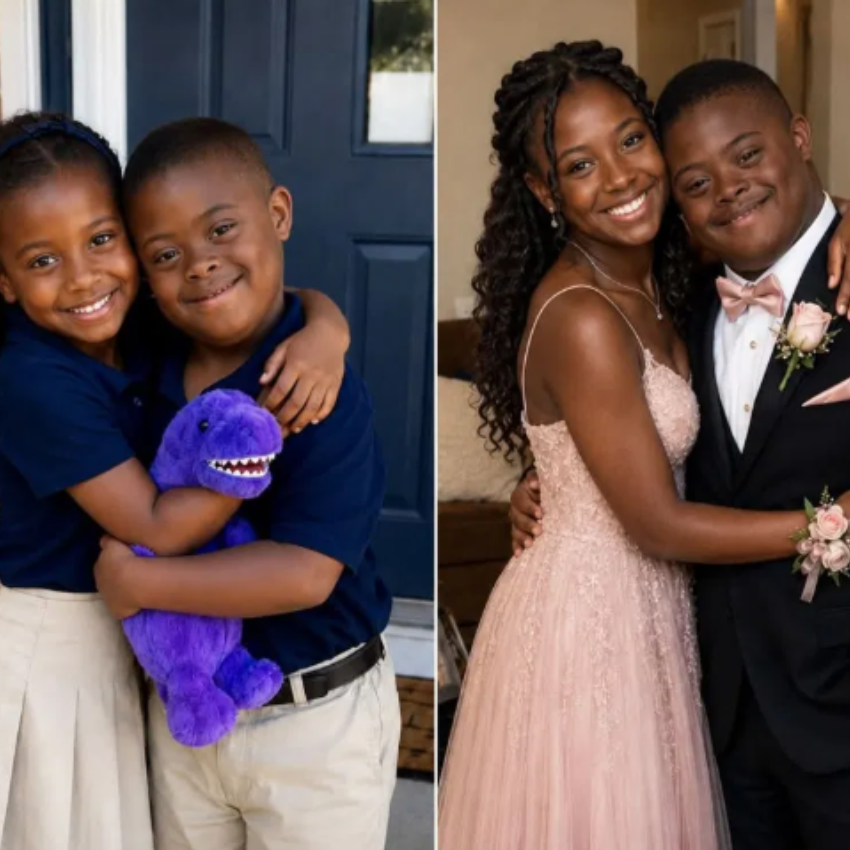


MJ’s discovery of the unfiled deed and the suspicious amendment was a breakthrough, but it was also a declaration of war. Beverly Evans wasn’t a woman who took challenges lightly. Our inquiries, coupled with MJ’s open investigation, had clearly reached her ears, and she responded with immediate, ruthless force.
The first sign came in the mail. A thick envelope, emblazoned with a prominent local law firm’s letterhead, arrived for me. My hands trembled as I opened it. It was a cease-and-desist letter, drafted by Darnell Evans, Beverly’s lawyer cousin. The language was cold, formal, and utterly chilling.
It accused me of “defamation of character” and “interference with established property rights.” It threatened severe legal action if I continued to pursue “baseless and malicious allegations” against Beverly Evans. It even hinted at reporting my actions to any institutions I was associated with, explicitly mentioning “educational and scholarship committees,” implying I was creating a reputation as a “troublemaker.”
The paper, still crisp and smelling faintly of chemicals, felt like a slap across the face. This was the specific, mundane, personal cruelty. It wasn’t just a legal threat; it was a targeted attack on my future, a direct strike at my college dreams and the scholarships I’d worked so hard for. Beverly was weaponizing my aspirations against me, using my very ambition as leverage. It was a calculated move to intimidate me into silence, to make me choose between justice and my personal future.
“They’re trying to scare you, Nia,” MJ said, his voice grim as he read the letter later that day. We were at a quiet cafe, trying to maintain some discretion. “They want you to back down. They want you to think this will ruin your life.”
“It could, couldn’t it?” I asked, my voice small. “A defamation suit… that could jeopardize everything. My scholarship applications, my standing in the community…”
“It’s a scare tactic,” MJ reiterated. “Darnell knows this is a weak case for defamation, especially if we have solid proof. But it’s designed to make you hesitate. To make you think twice.”
The casual ease with which they deployed such a devastating threat, aimed at a teenager’s future, solidified my understanding of their callousness. It wasn’t about legal merit; it was about power and intimidation. It was designed to hurt, not to win in court.
Meanwhile, Aunt Seraphina, Beverly’s influential aunt, launched her own campaign. The rumors started subtly, whispers at church potlucks, veiled comments during community events. Lena and I became pariahs. Invitations to social gatherings dried up. People who had once greeted us warmly now offered only brief, distant nods.
One Sunday after church, a group of women, led by Aunt Seraphina, cornered Lena in the fellowship hall. I watched from a distance as Aunt Seraphina, her face stern, spoke in hushed but emphatic tones, gesturing towards us occasionally. The other women nodded, their eyes darting to Lena and then to me with expressions ranging from pity to outright disapproval. It was a silent judgment, a communal cold shoulder.
Later, Aunt Carol pulled me aside, her eyes filled with concern. “Seraphina is really going to town,” she said, her voice low. “She’s telling everyone Lena is ‘rehashing old bitterness,’ that we’re ‘disrespecting community elders’ and ‘sowing discord.’ She’s painting us as troublemakers, trying to tear down a respected family.”
“But it’s not true!” I protested, feeling a surge of frustration. “Beverly defrauded us!”
“Doesn’t matter to some people,” Aunt Carol said sadly. “They see Seraphina, they see the Evans name, and they don’t want to get on their bad side. They’re afraid of losing favor, of being ostracized themselves. It’s how the powerful stay powerful, baby. They control the narrative, they control who gets supported and who gets shunned.”
The casual dismissal of truth in favor of social standing was another profound act of petty cruelty. It wasn’t about right or wrong; it was about appearances and fear. The community, once a source of strength, was now a weapon wielded against us. It reinforced the painful reality that Lena’s family had faced decades ago: vulnerability and isolation against a powerful, unified front.
Aunt Seraphina’s words, amplified through the community grapevine, were a powerful form of social engineering. They isolated us, made us feel like outsiders in our own neighborhood. The smiles and nods that used to define our interactions were replaced by averted gazes and hushed conversations. It was a subtle, yet deeply effective form of torment.
“It’s working,” I admitted to MJ later, my voice heavy. “People are looking at us differently. My mother is barely leaving the house again.”
“Of course it’s working,” MJ said, his jaw tight. “That’s their playbook. Hit you with legal threats to scare you, and hit you with social pressure to isolate you. They want to make you feel like you’re alone, that no one will believe you.”
He paused, looking at me intently. “But you’re not alone, Nia. You have me. You have your Aunt Carol. And we have the truth. This just proves how desperate they are. They wouldn’t be fighting so hard if they didn’t have something to hide.”
His words were a comfort, but the sting of isolation was real. I thought of Noah, his bright, innocent face. Would his mother use him against me? Would the community pressure make him pull away? The thought twisted my gut. Beverly’s manipulation extended beyond legal and social spheres; it threatened the very foundation of my most cherished relationships.
The cease-and-desist letter sat on my desk, a stark reminder of the forces arrayed against us. The implication that my desire for justice could jeopardize my academic future felt like a deeply unfair, personal attack. It was a clear message: stay in your place, or lose everything. This wasn’t just a legal battle; it was a psychological war, aimed directly at my resolve.
“What do we do about Darnell’s letter?” I asked MJ.
“We respond firmly, through proper channels,” he said. “We inform them we have evidence of fraudulent activity regarding the land trust, and that any attempts at intimidation will be met with full legal action. We show them we’re not backing down. But we also accelerate our investigation.”
The pressure was immense. Every conversation felt like walking on eggshells. Every glance from a neighbor felt like an interrogation. Beverly had expertly leveraged her family’s standing to turn the community against us, making us feel like traitors to our own kind. It was a profoundly cruel tactic, turning a place that should have been a safe haven into a hostile environment.
“We need more,” I said, my voice resolute despite the fear. “We need something undeniable. Something that proves everything, even to people who are afraid to believe it.”
MJ nodded. “Exactly. We’ve got the unfiled deed. We’ve got your grandmother’s letters. Now we need to find the people who can testify about the filing of that fraudulent amendment. We need witnesses who can speak to Beverly’s specific actions. And we need to do it fast, before this pressure campaign breaks you, or your mother.”
The casual way Beverly and her family wielded their influence, turning friends into strangers, felt like a constant, subtle humiliation. It was a chilling echo of my family’s original ostracization, proving that even after twenty years, the mechanisms of power and control remained the same. This wasn’t just a legal challenge; it was a deeply personal battle against a pervasive culture of silence and fear.
The thought of facing this kind of systematic pressure, especially as a young woman trying to build her future, was daunting. But the more Beverly tried to silence us, the more determined I became. She might control the narrative for now, but the truth, I believed, would ultimately prevail. The legal threats and social isolation were simply proof that we were hitting a nerve, that we were close to unraveling her carefully constructed façade.
More Stories














+ There are no comments
Add yours