
Her Parents Stole Her Wartime Celebration, So She Reallocated Their Luxury Trip to Wounded Veterans



In the days following the public unraveling, an uneasy quiet settled over Syracuse. The once-bustling Croft hardware store, Arthur’s legacy, became notably quieter. Its windows, usually adorned with patriotic displays and seasonal promotions, now reflected a desolate emptiness. Customers, once loyal, averted their gazes as they passed, their silence a damning indictment. The whispers in town were sharp, unforgiving, turning the once-respected Croft name into a byword for greed and deceit.
I received no word from my parents. Their silence was absolute, a heavy, suffocating blanket that descended upon what was left of our familial bond. No angry calls, no desperate pleas, no attempts at explanation or apology. Just silence, a permanent severance, harsher than any shouted confrontation. The bond I had once desperately sought, the approval I had craved, dissolved into an empty space.
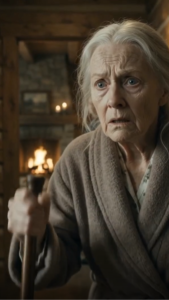
Liam, my brother, shattered by the revelation, avoided me completely. I saw him once from a distance, walking briskly down Main Street, his shoulders hunched, his gaze fixed on the pavement. He was caught between his innate loyalty to the parents who had raised him and the painful, undeniable truth of their actions. He didn’t speak to me, didn’t meet my eyes. His avoidance was a fresh wound, the collateral damage of a war I had been forced to wage.
A small, anonymous package arrived at my office a few days later. Inside, nestled among tissue paper, were a dozen homemade oatmeal cookies, still faintly warm. There was no note, but I knew, instantly, they were from Martha, Liam’s wife. It was a silent gesture, a quiet offering of sympathy and apology, a gentle acknowledgment of the injustice she had long witnessed but felt powerless to prevent. I savored one, the comforting sweetness a brief respite in the bitter aftermath.
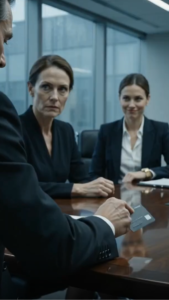
The public consequences for Arthur and Eleanor were swift and severe. Their social standing, once their most prized possession, evaporated overnight. Invitations ceased. Heads turned. Their names, once whispered with reverence, were now muttered with scorn. Their hardware store, already struggling in wartime, saw its business plummet, further cementing their financial ruin. The $16,140 investment in the “Victory Celebration Package” was gone, legitimately reallocated to the veterans, leaving them with nothing but the crushing weight of public shame.
Their world, built on facades and exploitation, had crumbled. There was no jail, no formal charges, but the public humiliation was a prison of its own making. They were ostracized, isolated, stripped of their false prestige.
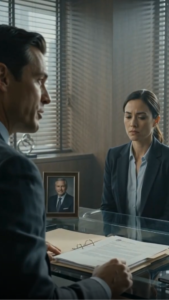
As for me, Elara Bellamy, I had won my justice. I had corrected a profound wrong. My company’s reputation, initially tarnished by their association, was now lauded for its integrity and swift action in support of the war effort. But the victory felt hollow in certain ways. The empty space where family once stood ached, a constant reminder of what had been irrevocably lost. The dream of a unified family, of shared celebrations and genuine affection, was now a distant, unrecoverable memory. The silence was absolute, a permanent testament to the price of truth.
More Stories














+ There are no comments
Add yours