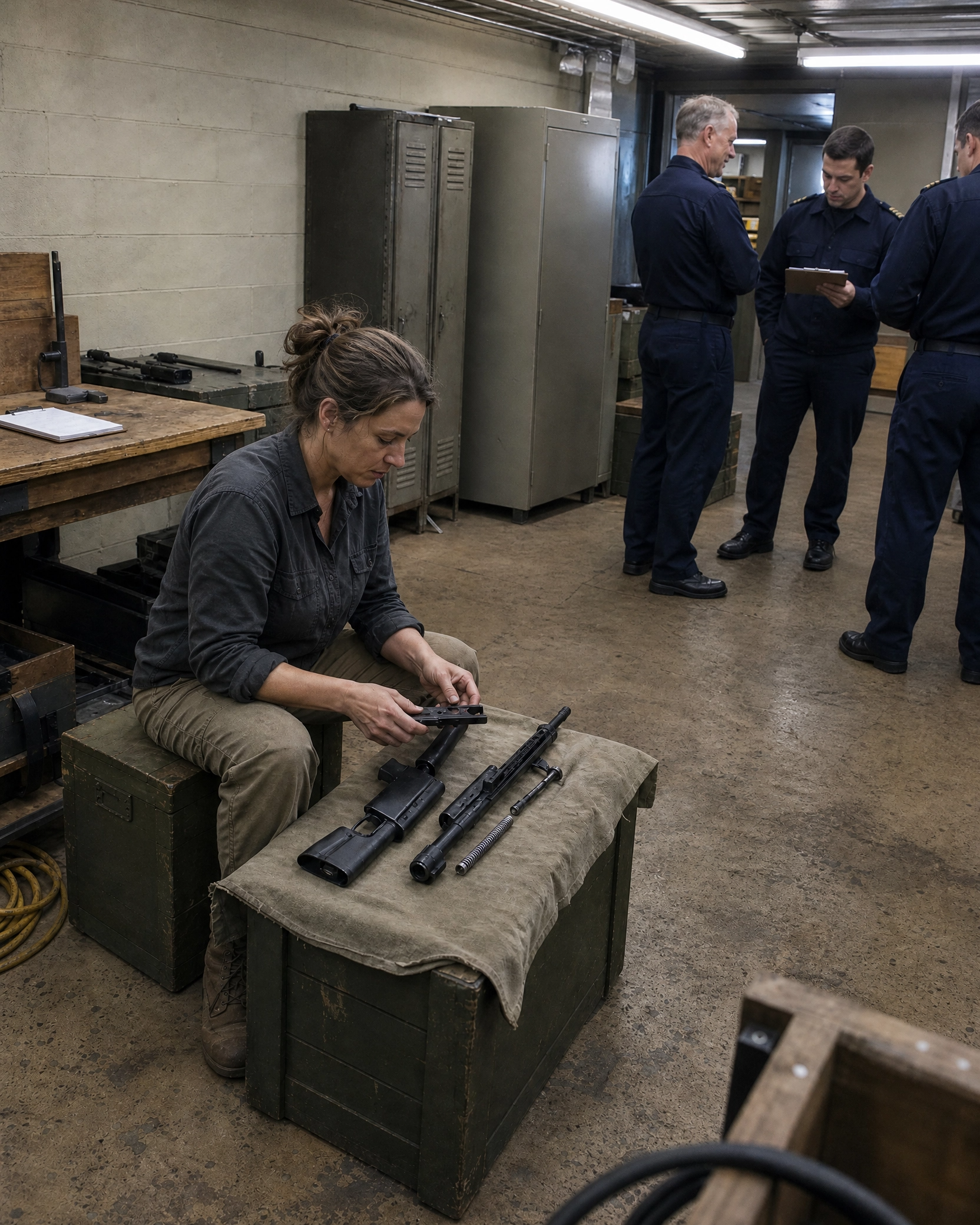
Celebrated Director Mocked Uncredited Woman on Set — She Held the Financial Records That Ended His Career


The confirmation from Ben left me reeling. I walked for hours after our encounter, the city’s noise a dull thrum against the ringing in my ears. I felt like a ghost, moving through a world that was slowly erasing me. My apartment, usually a haven, now felt like a cage.
I stared at my laptop screen, the cursor blinking mockingly on a blank document. I had tried to outline a new project, something to distract myself, but the words wouldn’t come. My creativity, usually a wellspring, felt utterly dry. Albright wasn’t just cutting off my income; he was suffocating my passion.
My eyes fell upon a dusty old external hard drive, tucked away on a shelf behind a stack of forgotten technical manuals. It was a bulky, metallic device, a relic from a previous decade, but the sight of it sparked a faint flicker in the back of my mind. I picked it up, feeling the surprising weight in my hand.
This wasn’t just any old drive. This was *the* drive. The one I’d painstakingly filled during my time on the “Ghost Ship” set, back when Albright was still my mentor, before the rot had truly set in. I remembered the feeling of unease that had prompted me to start archiving everything.
It wasn’t a single, dramatic event. It was a slow drip of small, strange details. An invoice for “exotic catering” when we were eating bland studio lunches for weeks. A requisition for a specific, high-end piece of camera equipment that mysteriously never arrived on set, yet was still logged as purchased.
I had tried to raise these questions internally, gently, to the production coordinator. My queries were met with polite but firm dismissal, often accompanied by an eye roll or a patronizing pat on the shoulder. “Don’t worry your pretty little head about the financials, Amelia,” the coordinator, a man who adored Albright, had said with a smirk, dismissing my meticulous notes as naive over-concern. That small, condescending gesture had stung, a subtle warning not to dig too deep.
That’s when I started making my own backups. Every expense report, every communication log, every email about budget allocation—I’d copied them all, every night after my official shift ended. I used encryption software, the best I could find at the time, convinced even then that these files might one day be important. It was a premonition, a quiet act of defiance against a system that seemed intent on brushing inconvenient truths under the rug.
I blew a layer of dust off the drive, remembering the day I’d packed it away, carefully labeling it with a generic, unrevealing name: “Project Archive 2013.” Years had passed since I’d touched it. I’d almost forgotten its existence, buried under layers of subsequent projects and the painful memory of leaving the mainstream industry behind.
The memory of the mounting unease, the subtle dismissals, and the quiet act of gathering evidence years ago flooded over me. I carried the old drive to my desk, the metal cold and heavy in my hand. My fingers brushed the smooth casing, remembering the detailed, handwritten notes I’d often attach to expense sheets, highlighting discrepancies that no one else seemed to care about. Those notes, too, were on this drive.
I plugged the drive into my laptop. The operating system, much newer than the drive, struggled to recognize it at first. A small error message flickered on the screen, a digital roadblock. The old encryption software would be outdated, probably incompatible. This wouldn’t be easy.
I took a deep breath, the taste of old metal and dust suddenly in my mouth. My isolation wasn’t just a present problem; it stretched back years, to a time when I had first seen the cracks in Albright’s carefully constructed facade. Now, I might finally have a way to expose them. The arduous process of decrypting and accessing the long-dormant drive began.
More Stories







+ There are no comments
Add yours