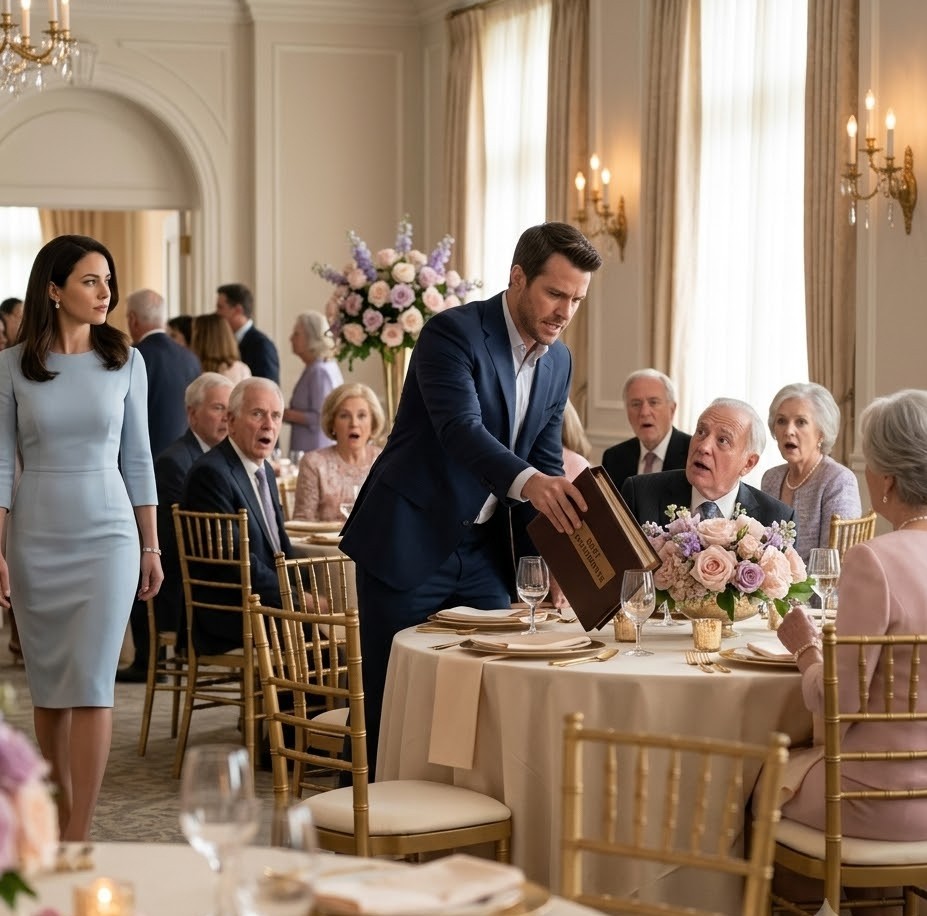
At His Retirement Gala, My Father Disowned Me Publicly — Not Knowing I'd Saved His Fortune From Ruin

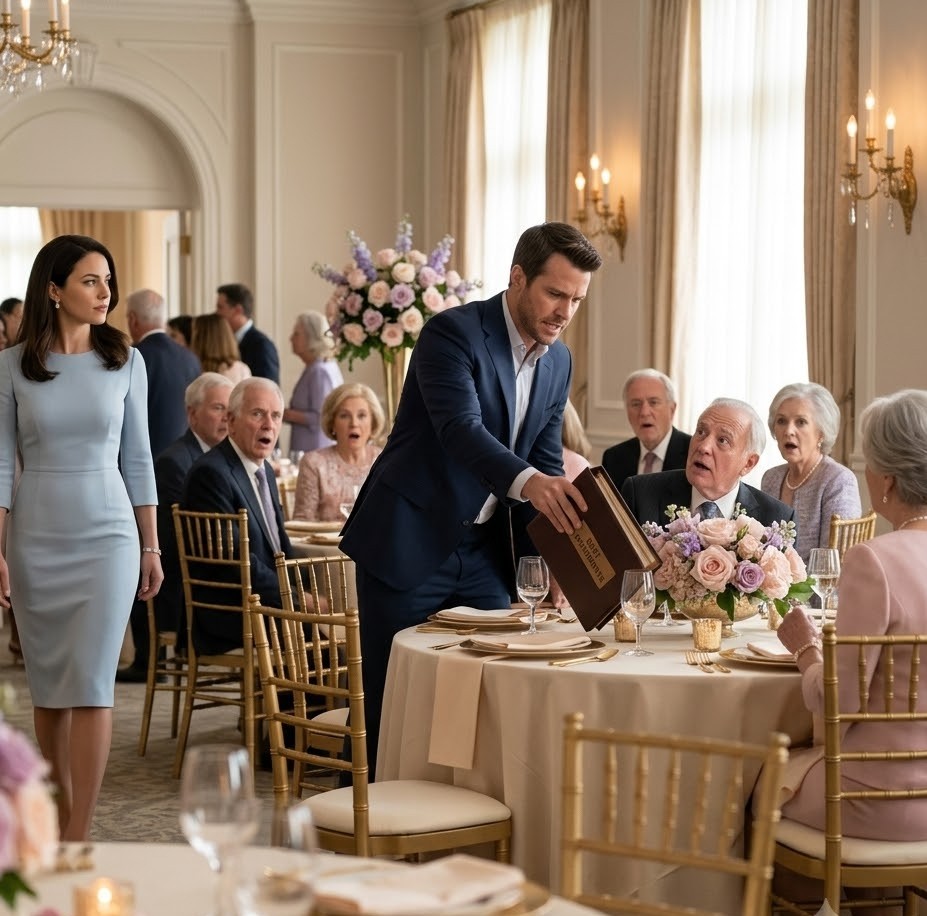
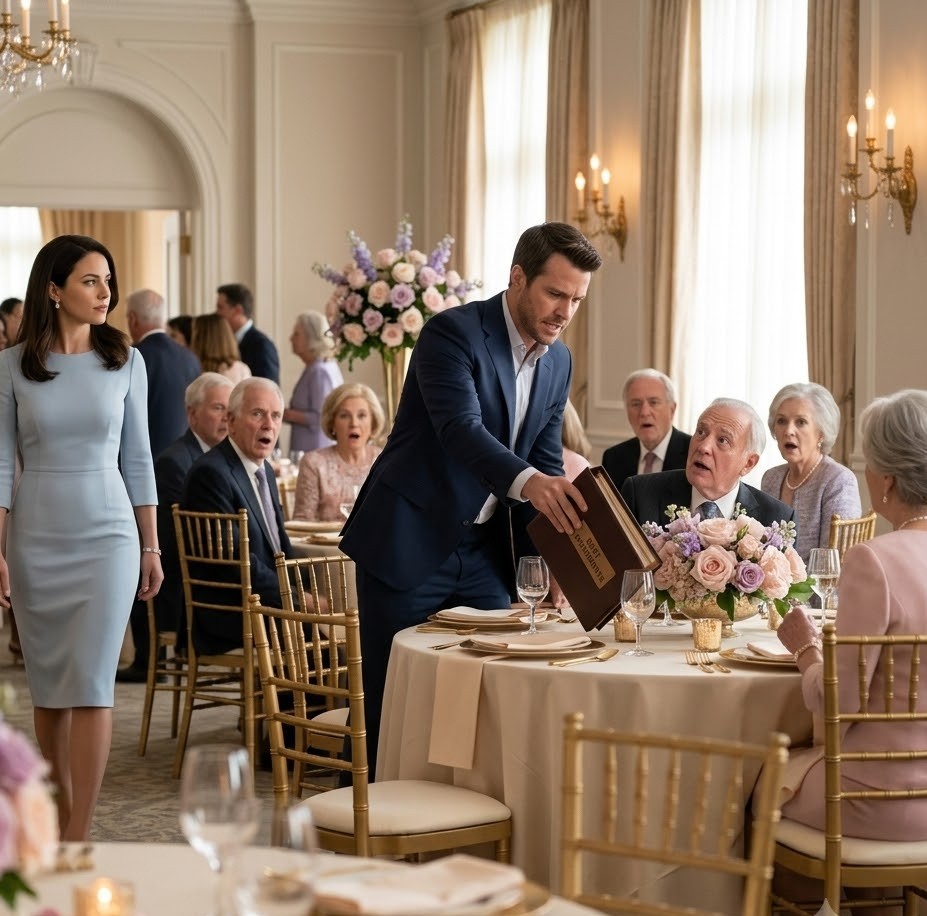
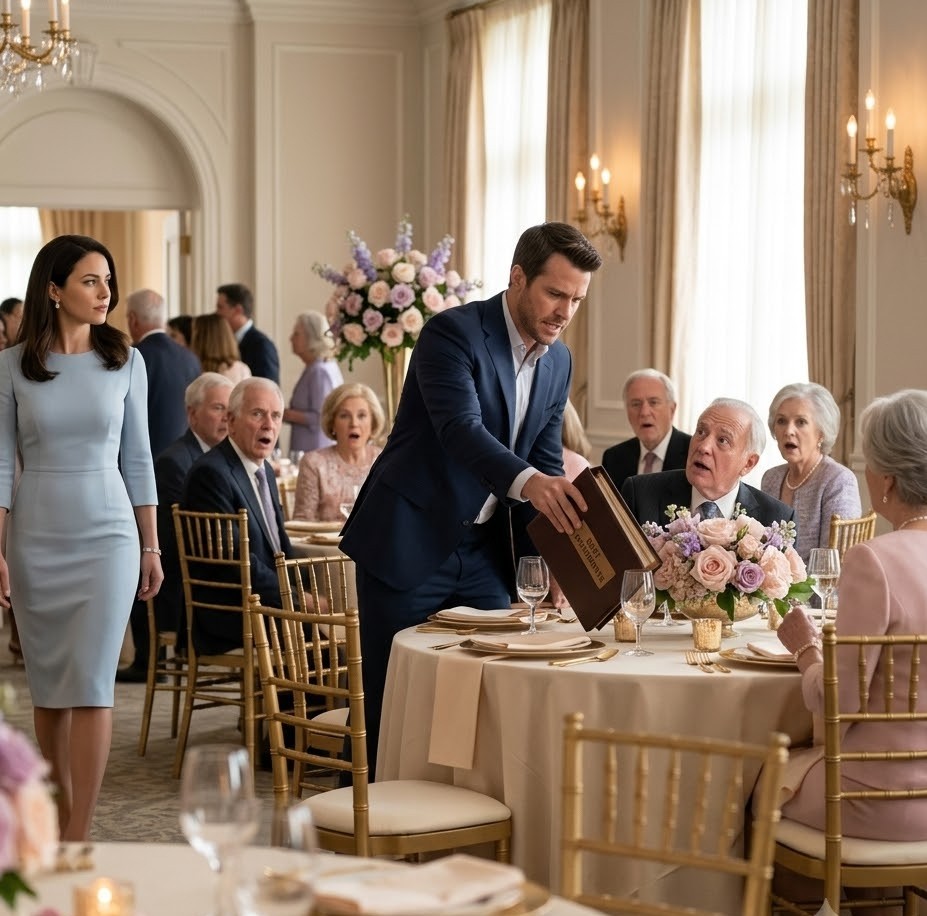
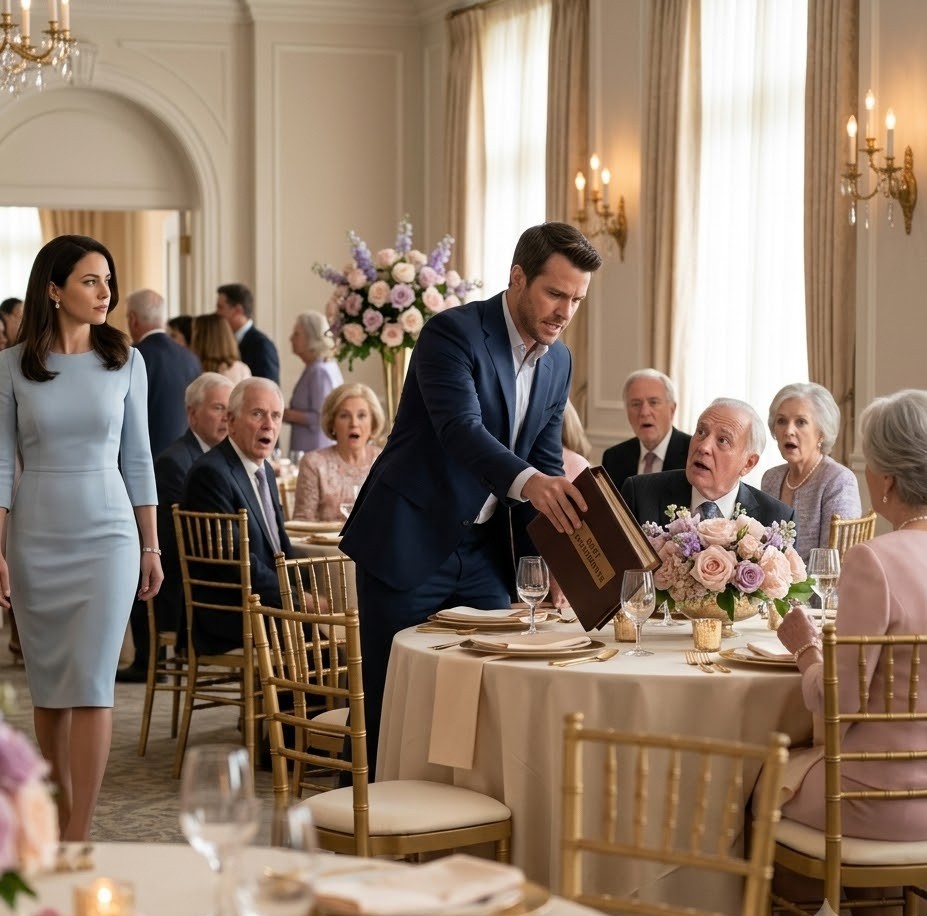
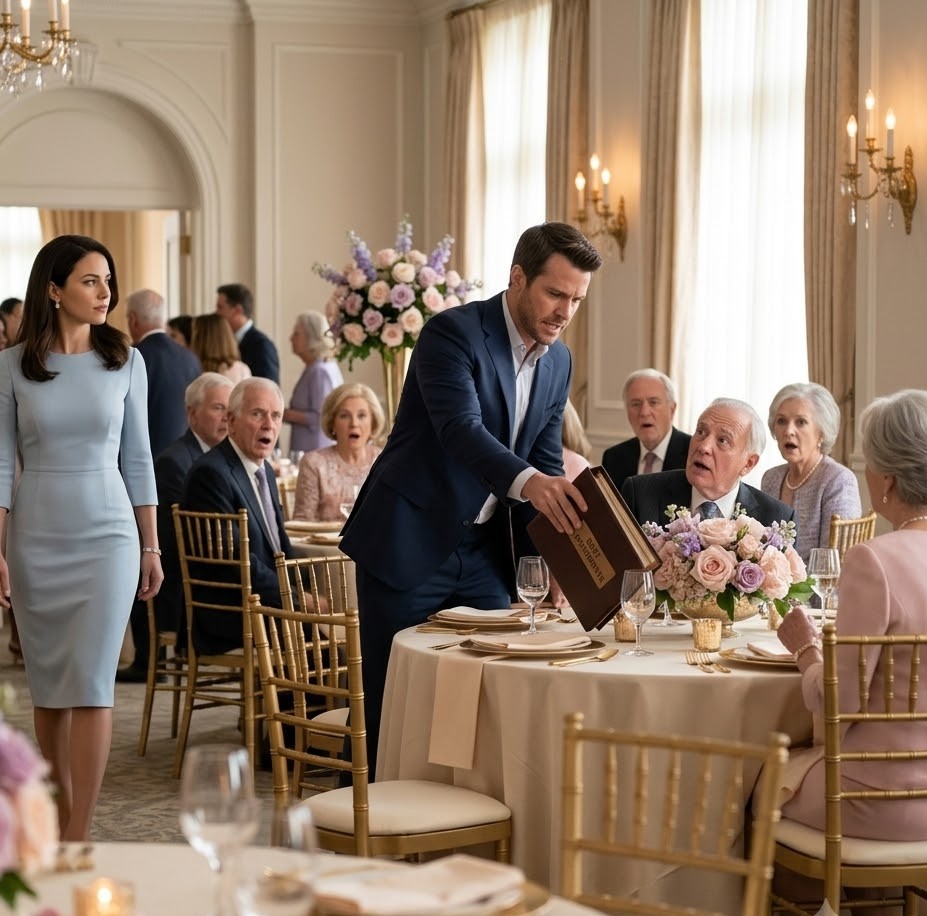
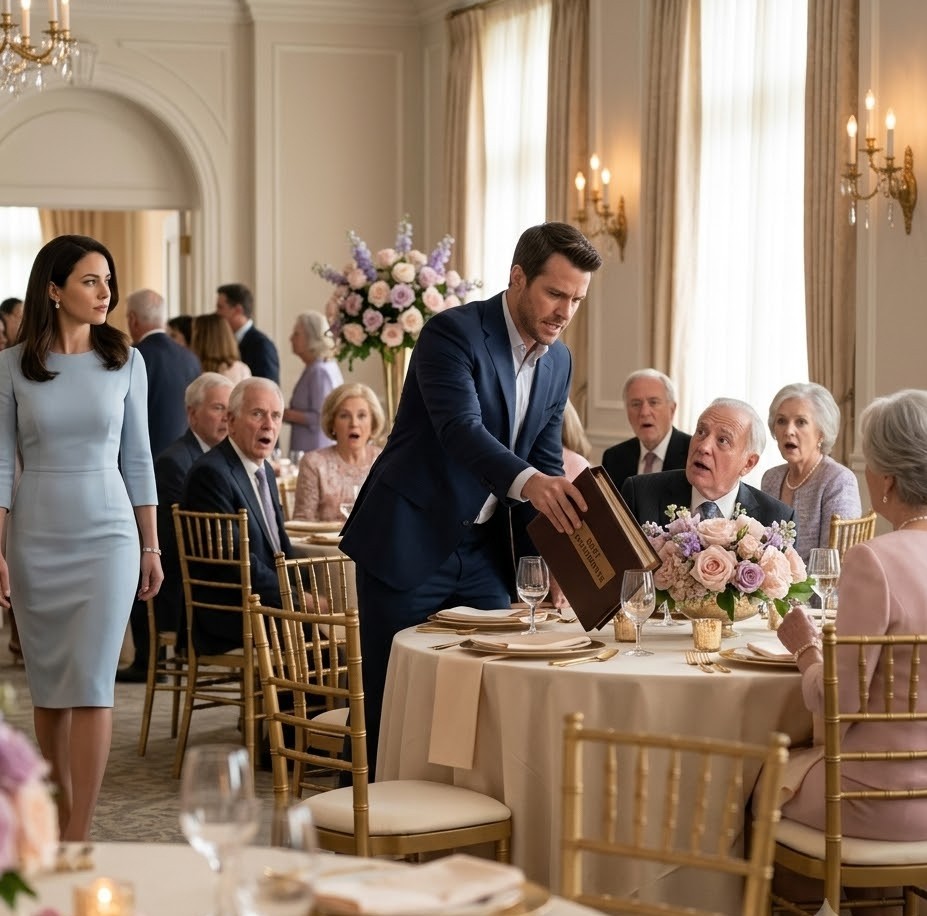
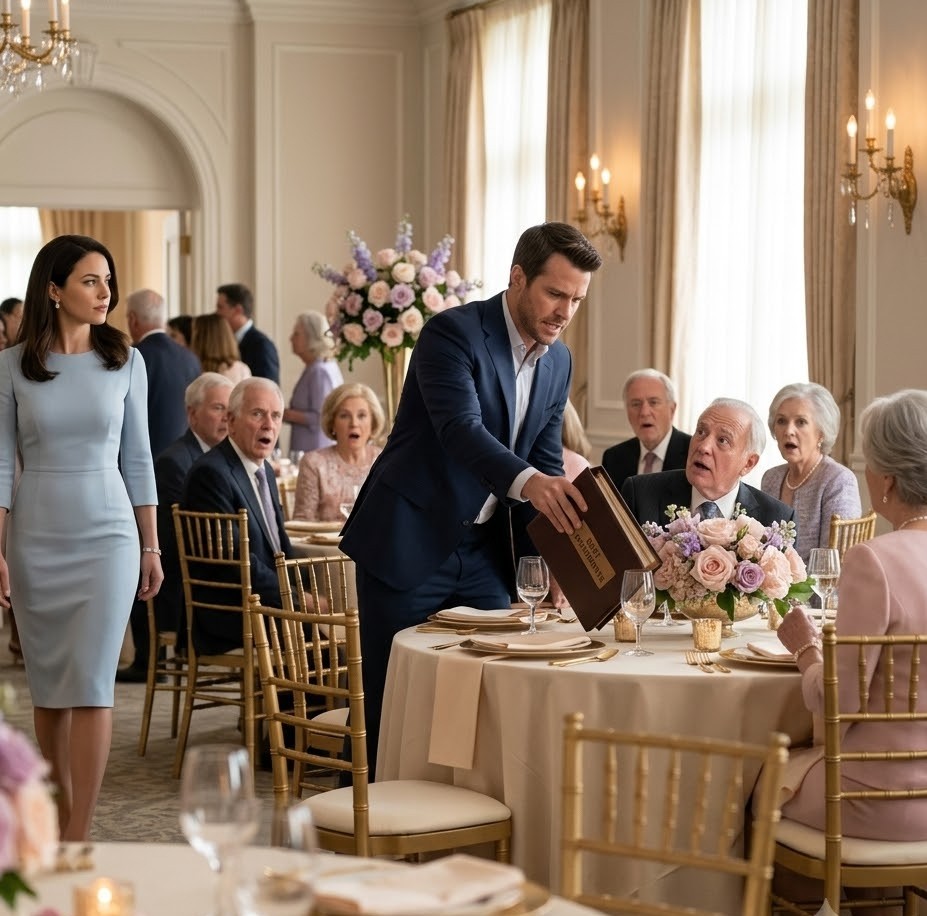
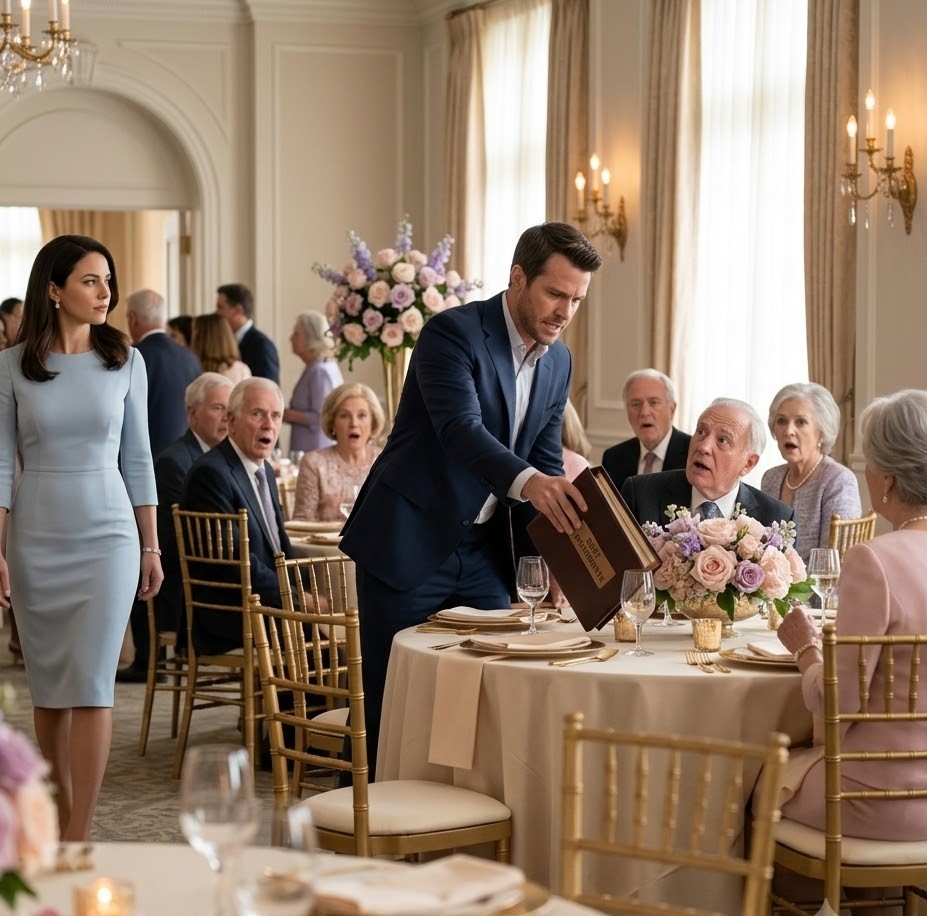
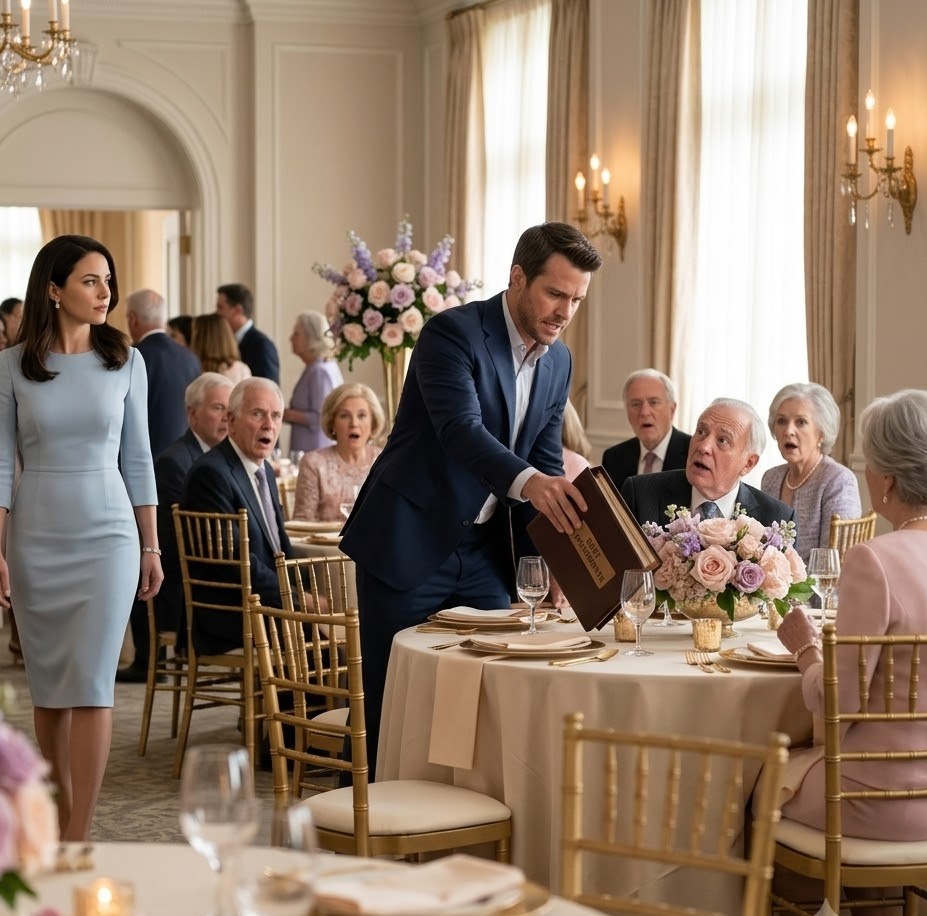
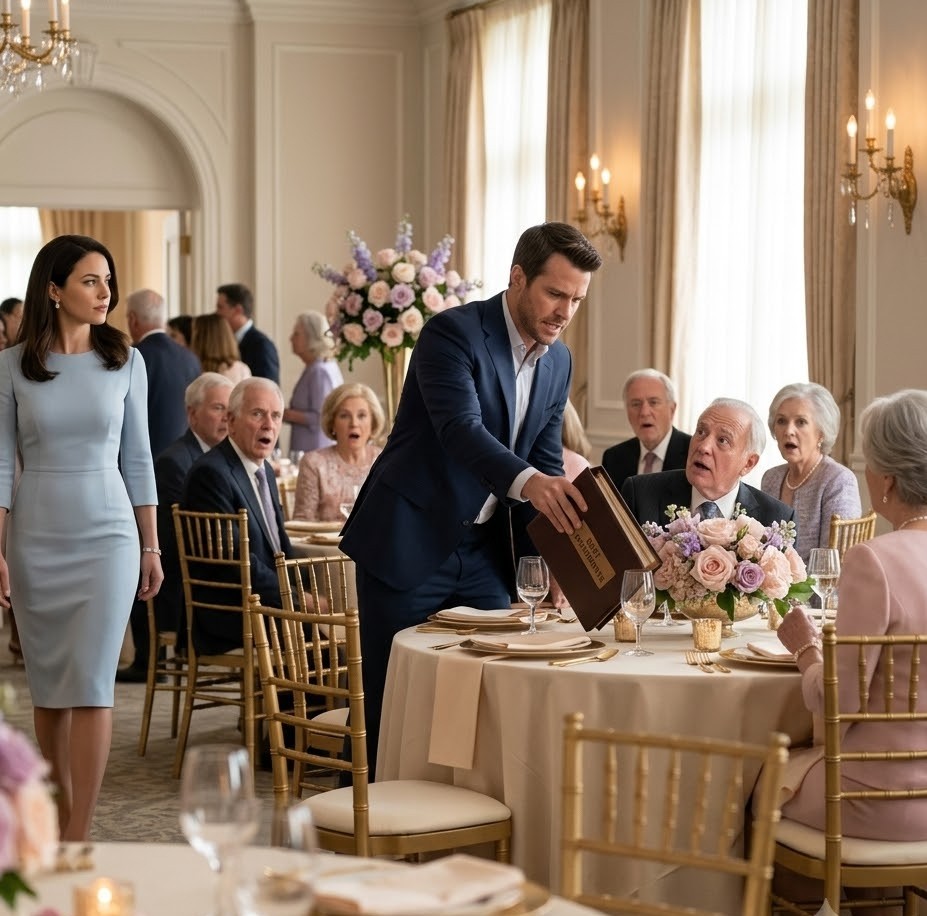
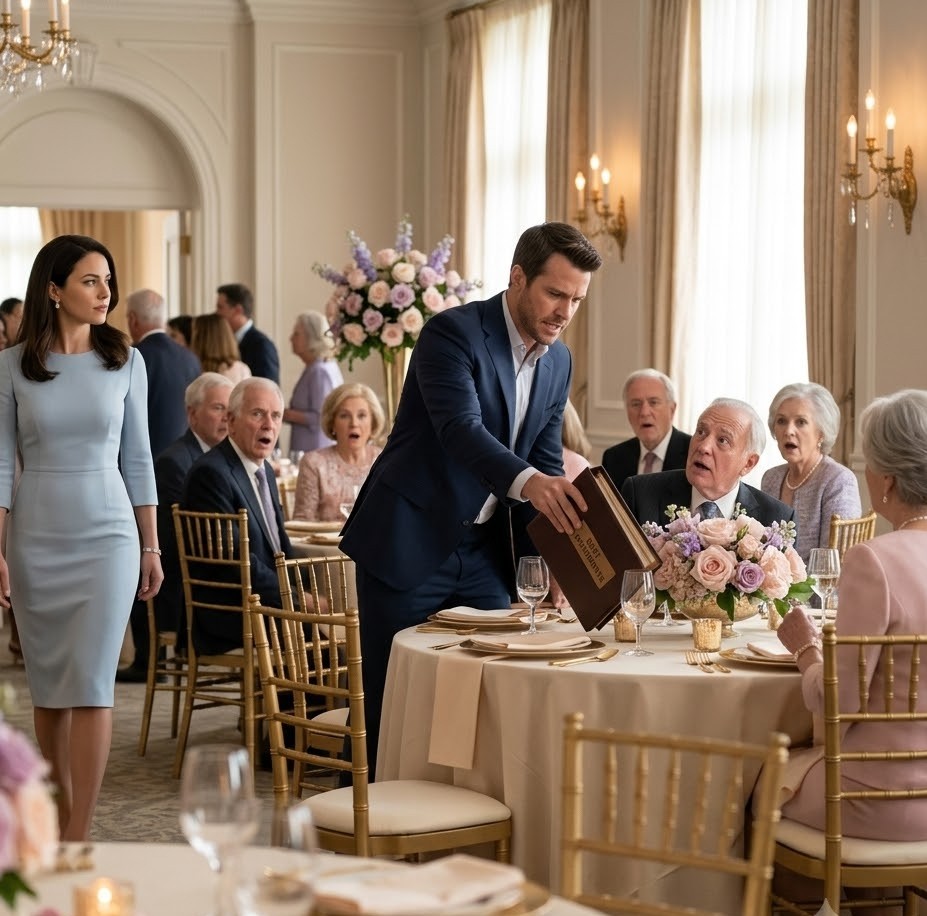


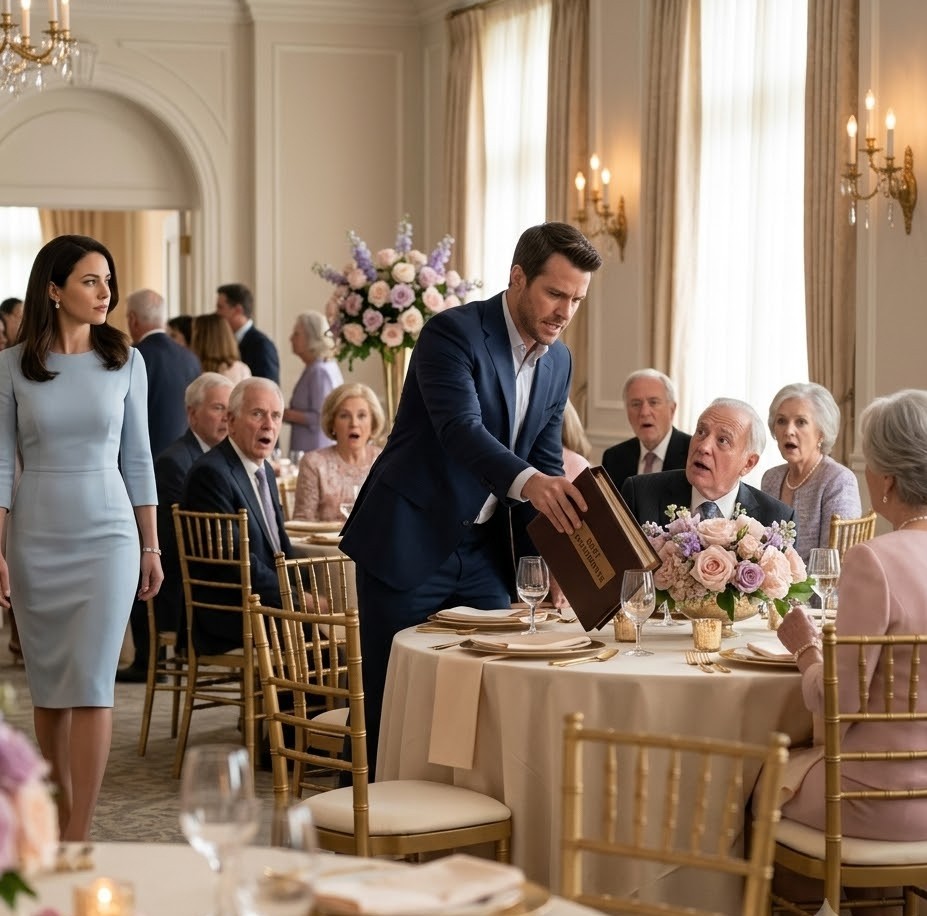
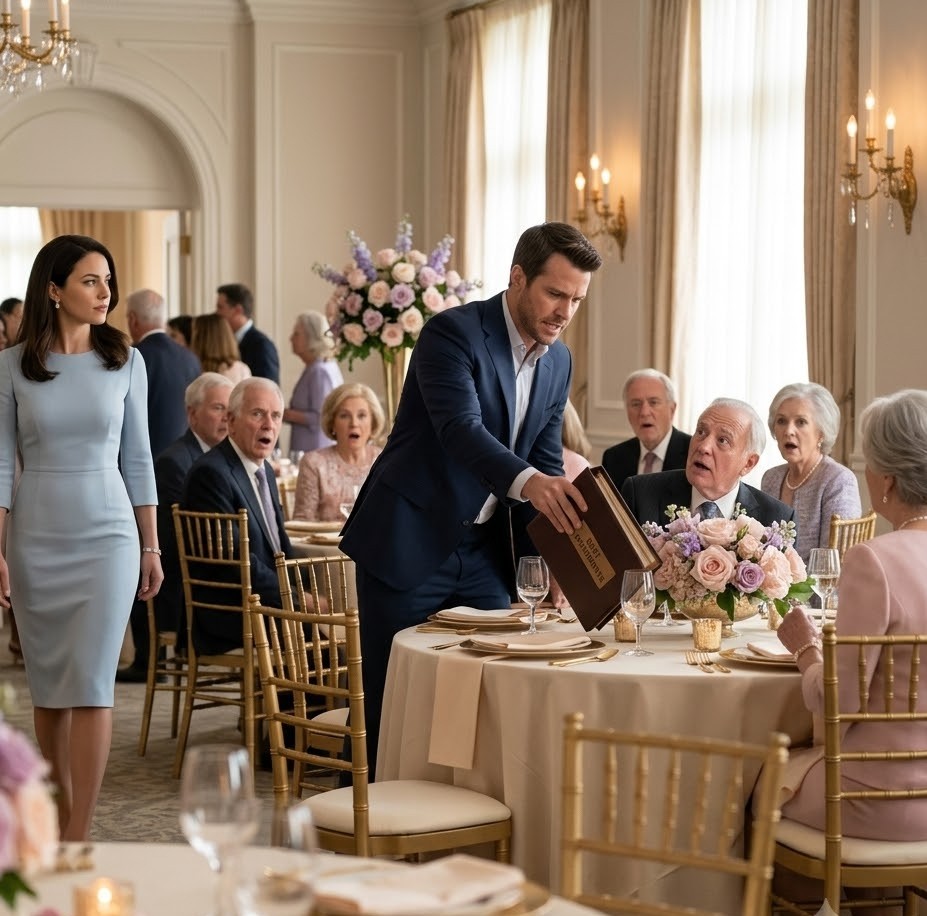

The conference room felt suffocating, filled with the scent of old paper and stale coffee. Mr. Henderson, my lawyer, sat across from me, his expression grave. Thomas and Beatrice, along with their own lawyer, Mr. Davies, occupied the opposing side of the long mahogany table. The first legal discovery phase had begun, and the air crackled with unspoken tension.
Mr. Davies, a slick-haired man with a perpetually condescending smile, cleared his throat.
“We have here,” he announced, gesturing to a thick binder in front of him, “the complete and accurate financial records for Mr. Robert Harrison’s retirement accounts, as managed by Harrison Investments. And also, a detailed accounting of all transactions pertaining to Mrs. Callahan’s alleged ‘payments’ to her father.”
He pushed the binder across the table. It was far thicker than any legitimate statement I had ever seen from my father’s accounts. My stomach clenched.
Mr. Henderson opened it and began to flip through the pages. His brow furrowed almost immediately. The ledgers were pristine, almost too perfect, filled with neat columns and precise entries, all dated retrospectively. It was clear a great deal of effort had gone into their creation.
“These entries here,” Mr. Henderson said, pointing to a specific page, his voice calm, “they reclassify Eleanor’s direct payments for Mr. Harrison’s mortgage, his outstanding business loans, and even the expenses for his retirement party.”
He looked directly at Mr. Davies. “They are all listed as ‘personal loans advanced by Eleanor Callahan to Robert Harrison’.”
My breath hitched. They had taken my acts of quiet loyalty and transformed them into cold, calculated debts. Each specific payment, down to the last penny I’d used to cover his country club membership for the party, was meticulously documented, but with a new, insidious label. It was a profound, personal insult, turning my love into a ledger entry of my father’s supposed financial obligations to me. It felt like a public stripping of my intentions, leaving them bare and cynical.
“Indeed,” Mr. Davies replied, a smirk playing on his lips. “As you can see, Mrs. Callahan extended numerous financial courtesies to her father over the years. This ledger simply reflects the true nature of those transactions.”
“The ‘true nature’?” I interjected, unable to hold back. “These were gifts! Acts of support!”
Beatrice scoffed loudly from across the table. “Oh, darling, we all know how these things go. Always trying to get a piece of the pie, aren’t we?”
Her words were a subtle but potent form of gaslighting, attempting to rewrite history and make me question my own memories. Thomas just sat there, arms crossed, a smug, impenetrable expression on his face.
“Furthermore,” Mr. Davies continued, ignoring my protest, “it appears Mrs. Callahan is now attempting to convert these ‘loans’ into ownership shares in Mr. Harrison’s remaining assets. A rather aggressive maneuver, wouldn’t you agree?”
He paused, letting his implication hang in the air. Their strategy was clear: paint me as opportunistic, greedy, trying to seize control of my elderly father’s estate under the guise of “saving” him. They were weaponizing my own generosity, turning it into a tool of villainy.
Mr. Henderson, however, remained unfazed. He tapped a page in the binder.
“These ‘loans,’ as you call them, have no interest rates, no repayment schedules, and no formal agreements,” he pointed out, his voice sharp. “They are completely unstructured, which is highly unusual for legitimate loans of this magnitude.”
“Family matters,” Mr. Davies waved a dismissive hand. “Sometimes, formalities are overlooked in the warmth of kinship.”
Thomas finally spoke, his voice smooth and confident. “My brother, Robert, always intended to repay Eleanor. These documents merely confirm that understanding. Now, with Eleanor’s recent legal actions, it’s clear she’s simply looking to collect on what she perceives as her due.”
His words implied that I was the one exploiting Robert, not the other way around. It was a blatant manipulation of the truth, twisting my intentions into something unrecognizable. The sheer audacity of their fabrication left me momentarily speechless. This was more than just a misunderstanding; it was a deliberate, calculated smear.
I looked at the meticulously crafted ledgers, so clean, so official. They were a lie, yet they had the veneer of truth. It was a perfect piece of a puzzle I hadn’t yet fully grasped, confirming that the “second set of books” Susan mentioned wasn’t just for internal tracking—it was for constructing an alternate reality where I was the villain. They were using my own acts of devotion as evidence against me, a cruel and bitter twist.
More Stories





+ There are no comments
Add yours