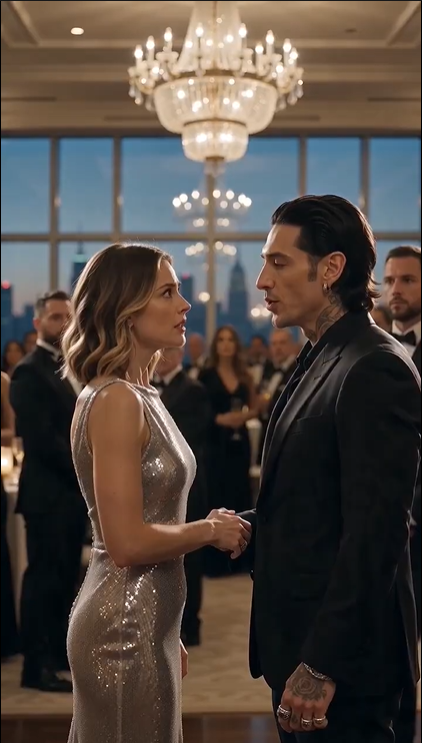
At a High-Society Gala, My Fiancé Tried to Drag Me to the Balcony — Until a Powerful Stranger Kissed Me and Declared His Claim
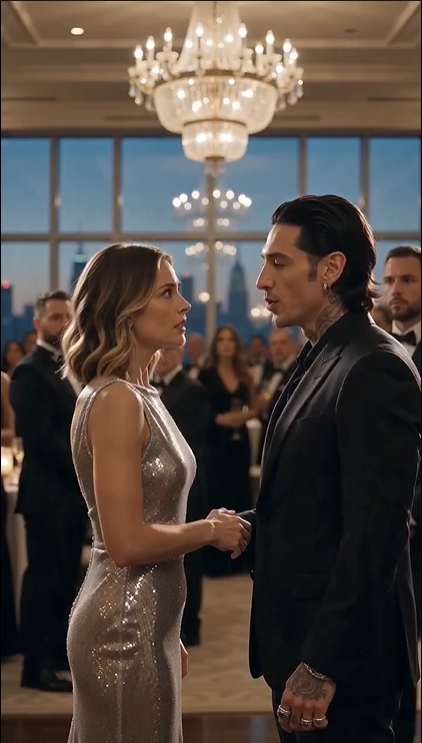
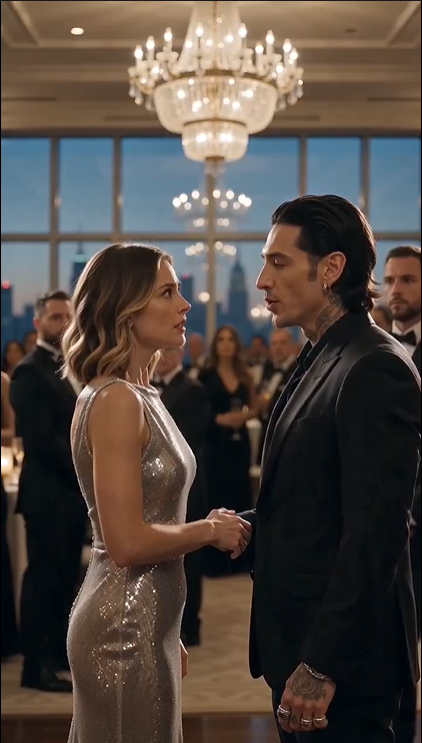
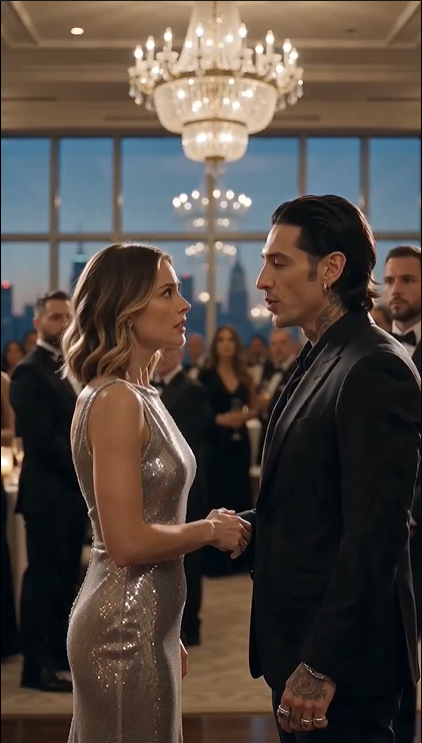
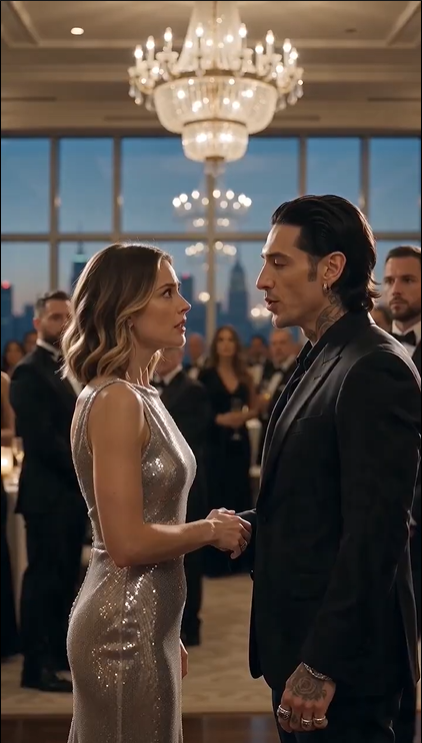
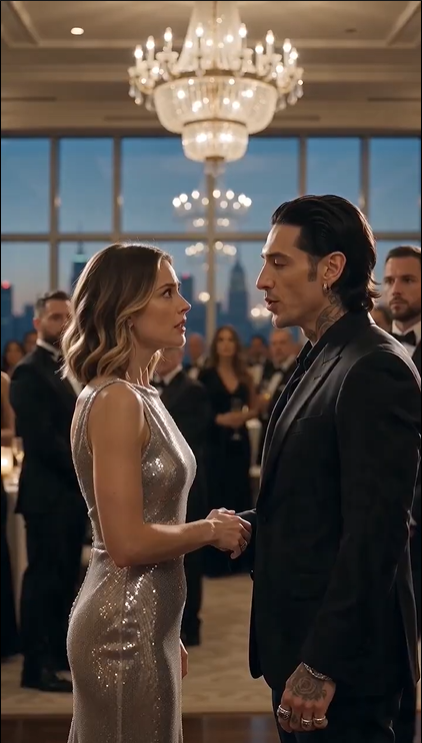
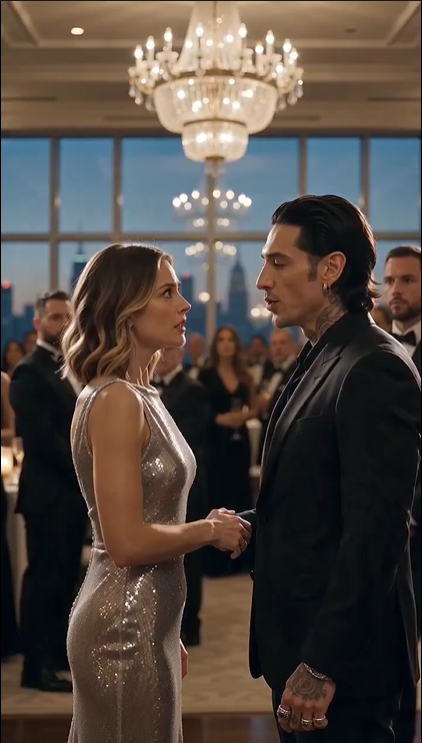

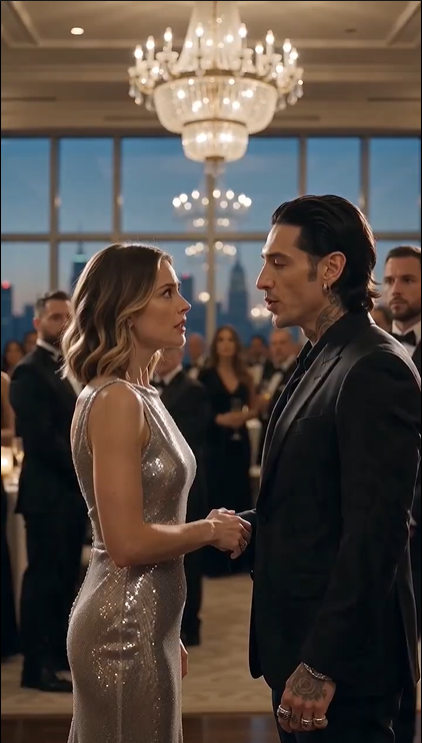
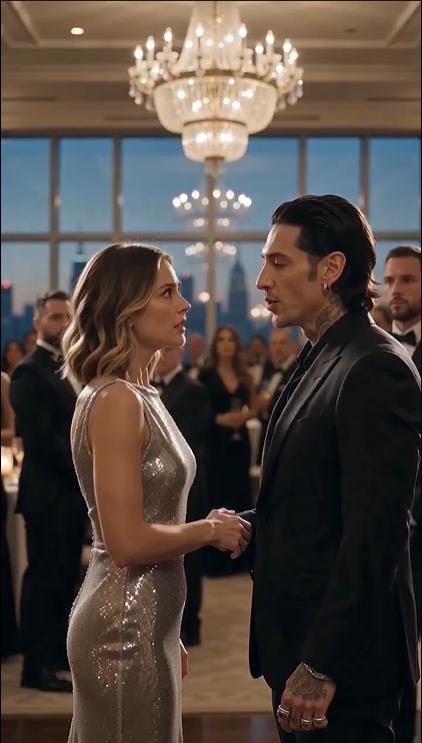
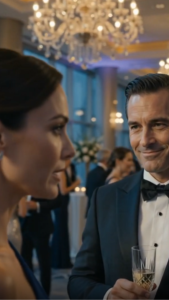
Victor had invited me to a high-profile art panel at the prestigious Chicago Art Institute, where he was a prominent sponsor. The main event was a discussion on art authentication and provenance, featuring Dr. Evelyn Reed, a renowned art historian and provenance expert. I accompanied Victor, trying to absorb the subtle dynamics of the elite art world, still feeling like an outsider peering in.
The auditorium was packed with collectors, curators, and critics. Victor, elegant and commanding, sat beside me, occasionally offering a quiet comment or introducing me to a passing acquaintance. His presence was a reassuring anchor in a room filled with powerful, watchful eyes.
Dr. Reed, a woman in her late sixties with a shock of silver hair and an absent-minded professorial air, was in her element on stage. She spoke eloquently about the challenges of authenticating ancient artifacts and the evolving methods of uncovering forged works. The Q&A session began, and the questions ranged from technical details about carbon dating to ethical debates about repatriated art.
Then, a casual query from an audience member about particularly complex historical forgeries. Dr. Reed’s eyes lit up, a sign that she was truly engrossed in her subject.
“Ah, forgeries,” she began, a theatrical sigh escaping her lips. “A fascinating, if disheartening, aspect of art history. The sheer ingenuity of some of these criminals is almost admirable, in a twisted way. But eventually, the truth always emerges.”
She then launched into an impromptu anecdote, a spontaneous digression that seemed unrelated to the main topic but instantly commanded the room’s attention.
“One of my favorite, most egregious examples is a notorious case from the 1970s,” she recounted, waving a hand dismissively. “It involved a rather ambitious attempt to pass off a very clever modern forgery as a lost Old Master. The original was rumored to be destroyed in a fire, you see, creating a perfect vacuum for a cunning fake.”
I felt a prickle of unease. A notorious forgery case, a lost original, a prominent Chicago family. My mind was already piecing together connections.
“What made it particularly infamous,” Dr. Reed continued, completely absorbed in her story, “was how boldly it was acquired. The forged piece became very high-profile, even after it was eventually exposed. It was handled by a rather powerful law firm at the time, representing the acquiring family. There was a very specific, unusual clause in the subsequent sale documents, designed, I always suspected, to protect the buyers if the forgery was ever definitively proven.”
She paused for dramatic effect, then delivered the casual bombshell.
“And, of course, the piece, even after its exposure as a fake, ended up prominently displayed in a well-known private collection right here in Chicago – *the Caldwells’*.”
My breath hitched. Beside me, Victor remained perfectly still, his expression unreadable, but I felt a subtle tightening in his grip on my arm. He had anticipated this, or at least a version of it. Dr. Reed, engrossed in her historical narrative, seemed completely oblivious to the ripple her words sent through me. She had no idea of my personal connection, or of the web of deceit I was currently unraveling.
“The lawyer who handled that specific acquisition for the Caldwells,” she added, almost as an afterthought, “was a brilliant but morally ambiguous man named Arthur Albright. He was the Caldwell family’s principal lawyer at the time, and quite adept at drafting… creative contracts.”
Arthur Albright. The name clicked instantly. Not Mr. Kenneth Albright, Derek’s current lawyer, but his predecessor, a family connection. The “specific, unusual clause” mentioned by Dr. Reed, crafted by the Caldwell family’s own lawyer, now sounded like a pre-emptive measure to protect them from the fallout of knowingly acquiring a forgery. This was not just a mistake; it was a deliberate act, legally sanctioned from the outset. It was a calculated, casual cruelty of a different kind, a systemic disregard for the truth.
The room seemed to spin slightly. Dr. Reed’s anecdote, delivered with such academic detachment, was far more than a historical curiosity. It was concrete evidence, a missing piece that connected the dots between Aunt Vivian’s old knowledge, my internal audit findings, and Victor’s quiet determination. It wasn’t just “questionable provenance”; it was outright art fraud, embedded in the very foundations of the Caldwell collection.
Victor finally stirred, his hand gently squeezing my arm. He leaned closer, his voice a low whisper.
“Pay attention, Lena,” he murmured. “These casual revelations often hold the most dangerous truths.”
His words confirmed that he, too, recognized the significance of Dr. Reed’s anecdote. This was the turning point, the concrete proof that tied the Caldwells to a specific, high-profile act of deception. The renowned art historian, completely unaware of the implications for those in the room, had just inadvertently provided a crucial piece of the puzzle. The prestigious Caldwell family, held in such high esteem, was built on a foundation of lies, a fact now casually laid bare by an absent-minded expert. The sheer audacity of the Caldwells to openly display a known forgery, banking on their power and influence to silence any dissent, was a testament to their ingrained arrogance. My own petty cruelties from Derek now seemed like small acts in a much larger, darker game.
More Stories





+ There are no comments
Add yours