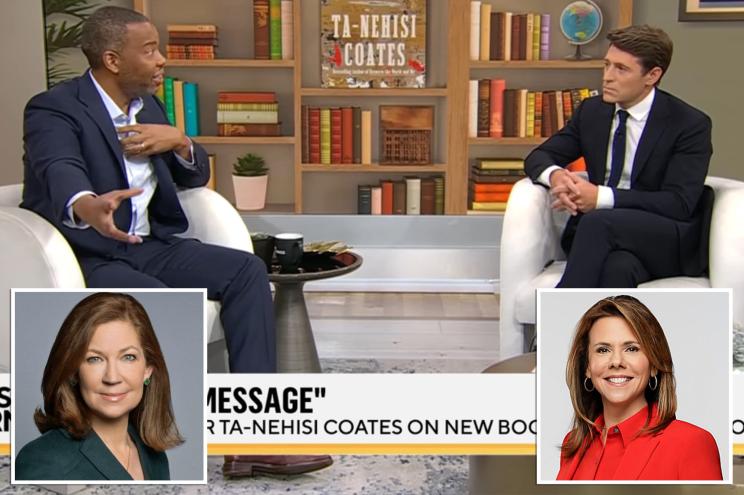
Tony Dokoupil Left Viewers Stunned After Making a Deeply Controversial Remark About Children in Israel. What Did He Actually Say?
Tony Dokoupil, a well-known journalist and television personality, recently made headlines after delivering a statement about children in Israel that left many viewers shocked and divided. His comment sparked intense debate across social media platforms and news outlets, raising questions about the context and intent behind his words. In this article, we will explore what Tony Dokoupil actually said, analyze the public’s reaction, and consider the broader implications of his controversial remark.
Understanding Tony Dokoupil’s Controversial Remark About Children in Israel

During a recent broadcast, Tony Dokoupil made a statement concerning children in Israel that quickly caught the attention of viewers worldwide. While the exact wording of his comment varied slightly depending on the source, the core message was perceived as deeply provocative. Dokoupil’s remark touched on sensitive issues related to the ongoing conflict in the region, specifically focusing on the impact of violence on young lives.
The controversy primarily stems from the way Dokoupil framed his comment, which some interpreted as dismissive or insensitive toward the suffering of children caught in the conflict. Critics argued that his words failed to acknowledge the complexity of the situation and the profound human cost experienced by innocent civilians. Supporters, however, suggested that Dokoupil was attempting to highlight a difficult truth about the realities faced by children in conflict zones.
This incident underscores the challenges journalists face when discussing emotionally charged topics, especially those involving geopolitical conflicts. The balance between reporting facts and respecting the sensitivities of affected populations is delicate, and any misstep can lead to significant backlash.
Public Reaction and Media Coverage
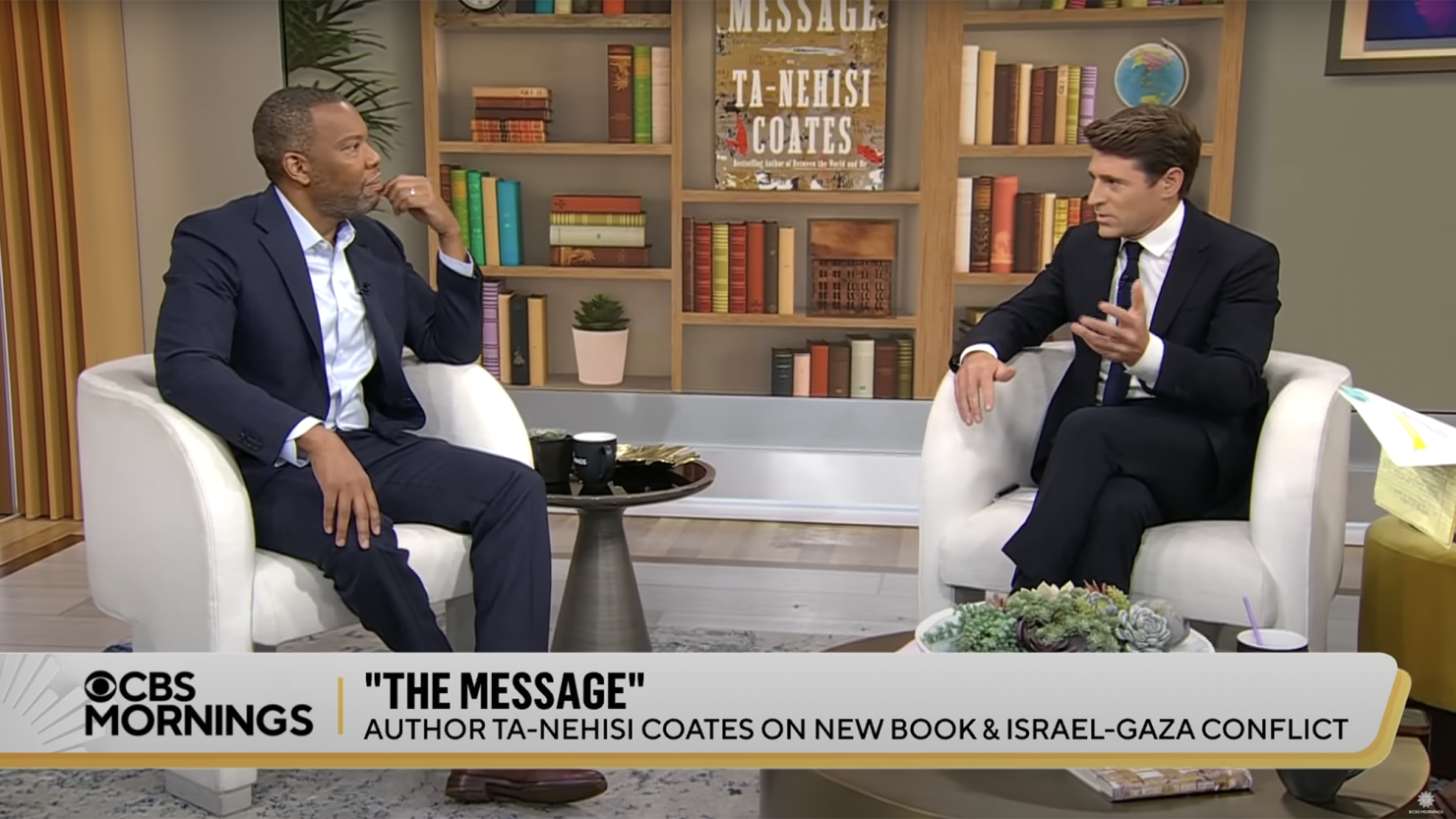
The public response to Tony Dokoupil’s comment was swift and polarized. On social media, many users expressed outrage, accusing him of insensitivity and demanding an apology. Hashtags related to the controversy trended for several hours, with debates unfolding across Twitter, Facebook, and Instagram.
News organizations and opinion writers also weighed in, with some defending Dokoupil’s right to free speech and journalistic inquiry, while others condemned the remark as harmful and inflammatory. The incident sparked broader conversations about media responsibility, the portrayal of children in conflict reporting, and the ethical considerations journalists must navigate.
In response to the backlash, Tony Dokoupil issued a clarification, explaining the context of his statement and expressing regret if his words caused unintended offense. This move helped to calm some critics but did not fully quell the controversy.
The Broader Implications of Discussing Children in Conflict Zones

Tony Dokoupil’s controversial remark highlights a critical issue in journalism and public discourse: how to address the plight of children in areas affected by war and violence. Children are among the most vulnerable populations in such environments, and their experiences often become focal points for political and humanitarian narratives.
Effective reporting on this subject requires sensitivity, accuracy, and a commitment to humanizing those affected rather than reducing them to statistics or political symbols. Missteps can lead to misunderstandings, perpetuate stereotypes, or inflame tensions.
Moreover, the controversy illustrates the power of language and framing in shaping public perception. Journalists and commentators must carefully consider how their words might be received and the potential consequences of their statements.
Conclusion
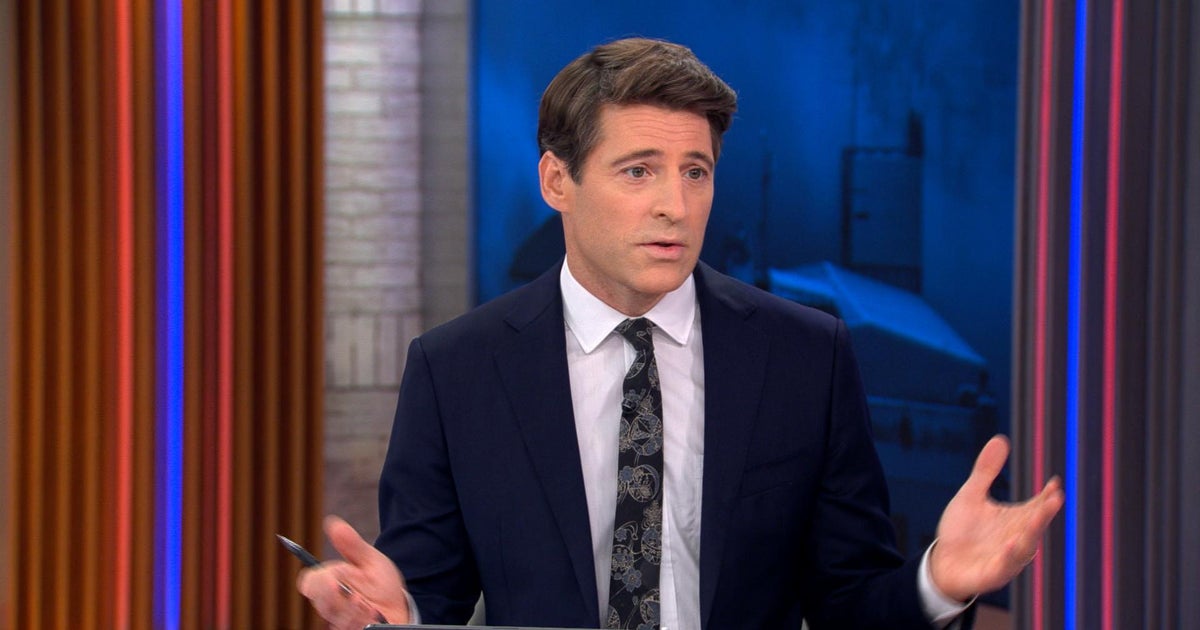
Tony Dokoupil’s deeply controversial remark about children in Israel serves as a reminder of the complexities involved in discussing sensitive geopolitical issues. While his statement sparked significant debate and criticism, it also opened up important conversations about media responsibility and the ethical challenges of reporting on conflict zones. As viewers and readers, it is crucial to engage critically with such content and seek a nuanced understanding of the issues at hand. For more insightful analyses and updates on current events, stay connected with our platform and join the conversation today.