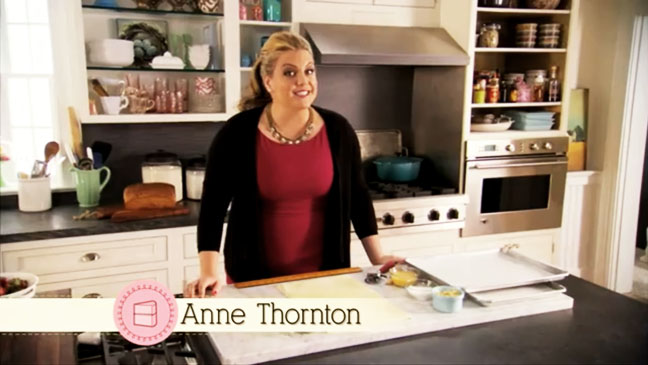
Anne Thornton — Previously Dismissed by Food Network — Fires Back by Releasing Evidence Proving She Never Plagiarized Recipes: “I Was Made the Fall Guy for Someone Else’s Mistakes.”
Anne Thornton, a well-known pastry chef and former Food Network star, has recently come forward with new evidence that challenges the plagiarism accusations that led to her dismissal from the network. For years, Thornton faced intense scrutiny and criticism after allegations surfaced claiming she copied recipes from other chefs without proper credit. Now, she is fighting back, asserting that she was unfairly targeted and made the scapegoat for mistakes that were not her own.
Anne Thornton’s Battle Against False Plagiarism Claims
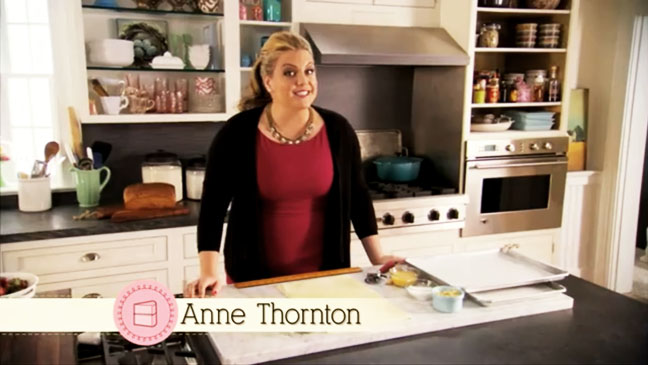
The controversy surrounding Anne Thornton began when Food Network aired her show, which quickly gained popularity for its creative and approachable dessert recipes. However, the show was abruptly canceled amid allegations that Thornton had plagiarized recipes from other culinary professionals. The accusations damaged her reputation, leading many fans and industry insiders to question her integrity.
In response to the backlash, Anne Thornton has taken a bold step by releasing detailed documentation and side-by-side comparisons of her recipes alongside the originals she was accused of copying. This evidence demonstrates that her recipes were either original creations or sufficiently transformed versions of traditional dishes, adhering to standard culinary practices. Thornton insists that the plagiarism claims were unfounded and that she was unfairly made the fall guy for errors and oversights within the production team and network management.
How Anne Thornton’s Evidence Challenges the Narrative

The evidence Anne Thornton has provided includes timestamps, recipe drafts, and correspondence with recipe developers, all of which support her claim of originality. By transparently sharing this information, she aims to restore her credibility and highlight the complexities of recipe development in the culinary industry.
Thornton also emphasizes that recipe similarities are common in cooking, where many dishes share foundational techniques and ingredients. She argues that the accusations failed to consider this context, instead opting for a quick judgment that harmed her career unjustly.
Moreover, Anne Thornton’s case sheds light on the broader issue of how media companies handle intellectual property disputes and the pressures faced by chefs working in highly competitive environments. Her willingness to speak out encourages a more nuanced conversation about creativity, ownership, and accountability in the culinary world.
The Impact of the Controversy on Anne Thornton’s Career
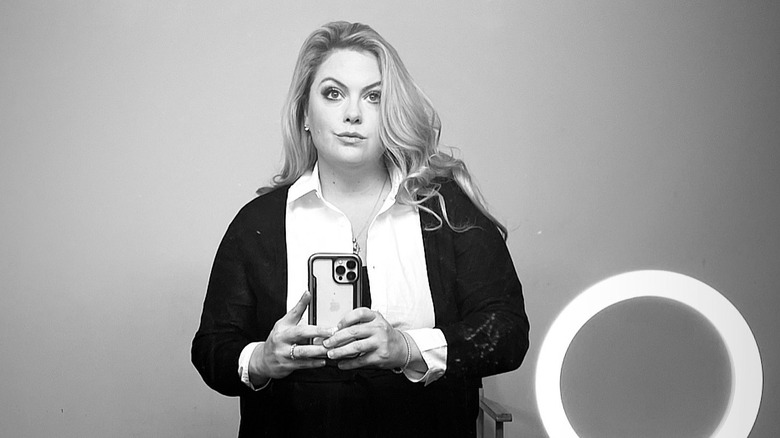
The fallout from the plagiarism allegations had a significant impact on Anne Thornton’s professional life. Losing her platform on Food Network meant a loss of visibility and opportunities in an industry where reputation is paramount. Despite this setback, Thornton has continued to pursue her passion for baking and recipe development through independent projects, social media, and collaborations with other chefs.
Her recent release of evidence not only serves to clear her name but also repositions her as a resilient figure determined to overcome adversity. Fans and supporters have rallied around her, expressing admiration for her transparency and courage.
Moving Forward: What Anne Thornton’s Story Teaches Us

Anne Thornton’s experience is a powerful reminder of the importance of due diligence and fairness when addressing accusations of plagiarism or intellectual property theft. It highlights the need for thorough investigations and the dangers of rushing to judgment based on incomplete information.
For aspiring chefs and content creators, her story underscores the value of maintaining detailed records and being prepared to defend one’s work. It also calls attention to the challenges faced by creatives in industries where ideas often overlap and evolve collaboratively.
How Food Networks and Culinary Media Can Improve

The controversy also prompts reflection on how networks and media outlets manage disputes involving talent. Transparent processes, clear communication, and support for accused individuals during investigations can help prevent unfair outcomes and preserve trust within the community.
By learning from cases like Anne Thornton’s, the culinary media industry can foster a more supportive environment that balances protecting intellectual property with recognizing the collaborative nature of recipe creation.
Conclusion
Anne Thornton’s fight to prove her innocence against plagiarism accusations reveals a deeper conversation about creativity, fairness, and accountability in the culinary world. Her release of compelling evidence not only challenges the narrative that led to her dismissal from Food Network but also inspires others to stand up for their work and reputations. If you want to stay updated on Anne Thornton’s journey and learn more about the complexities of recipe development, be sure to follow her latest projects and insights. Don’t miss out on the chance to support authentic culinary creativity—subscribe to our newsletter for regular updates!