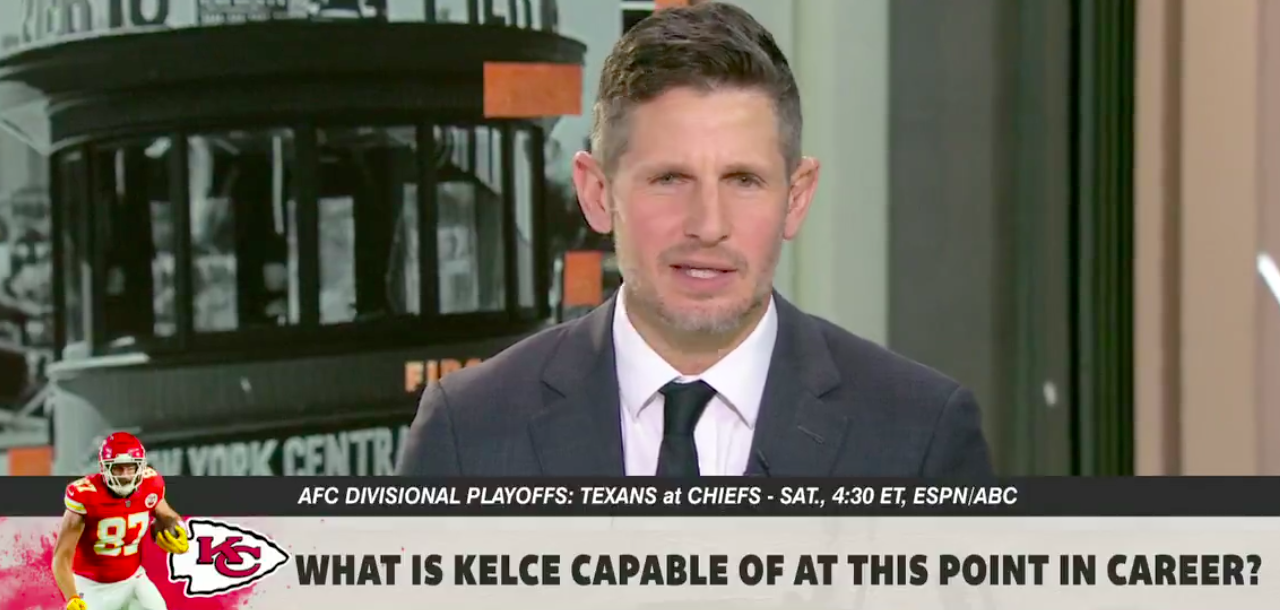
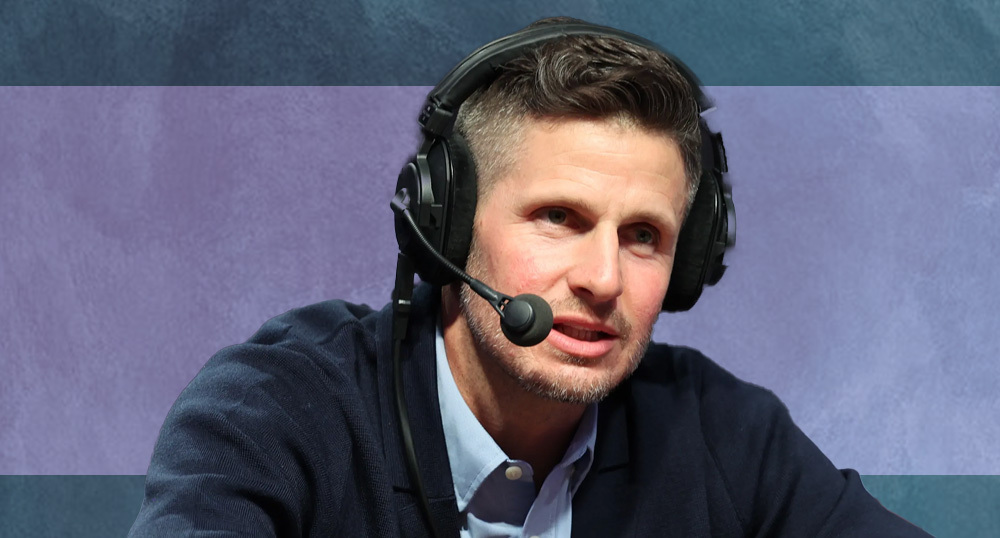
Dan Orlovsky Admitted He Deeply Regrets Agreeing to Re-Sign with ESPN’s Executives. What Happened?
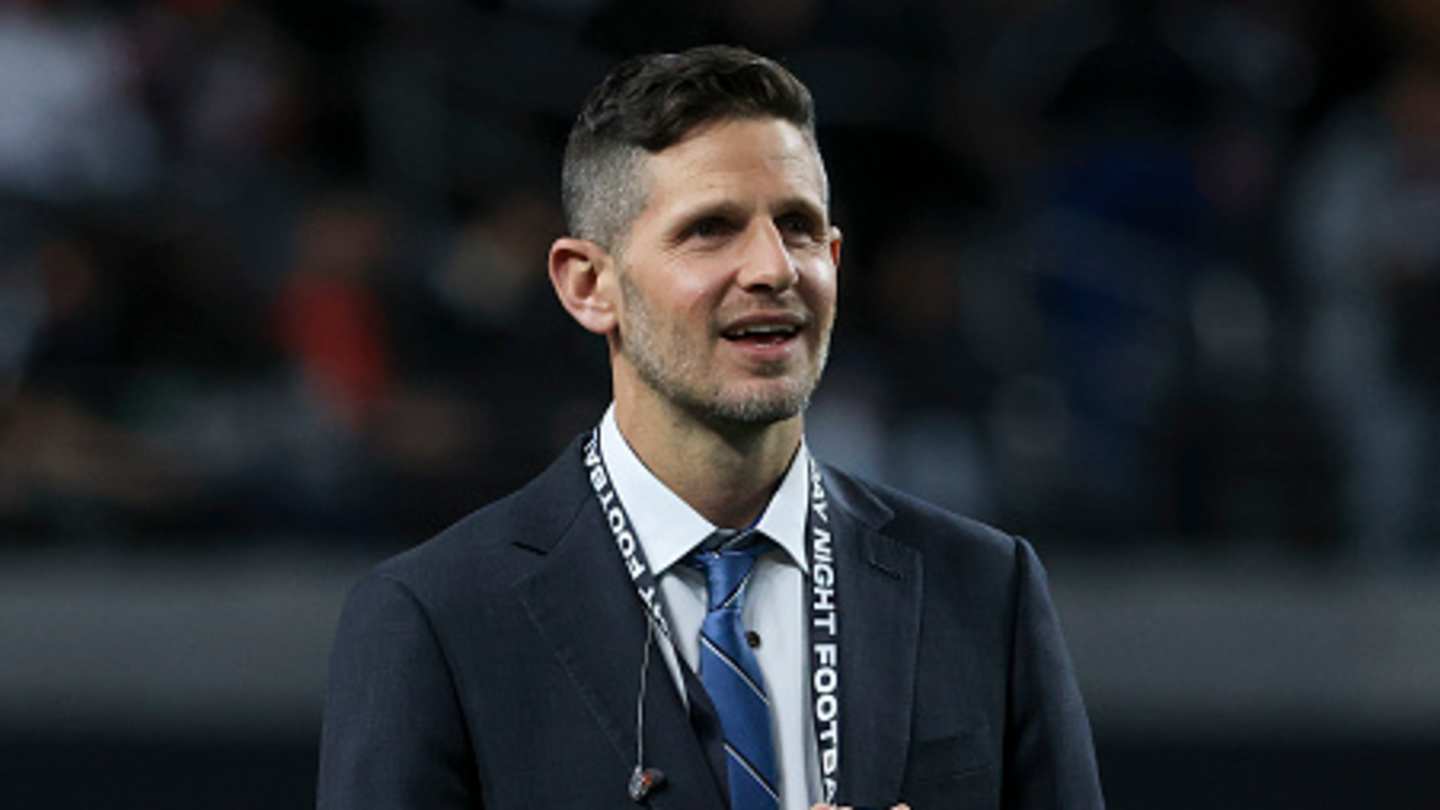
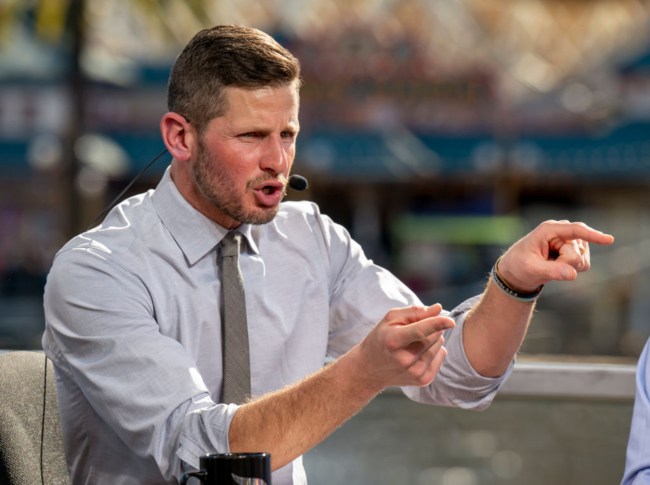
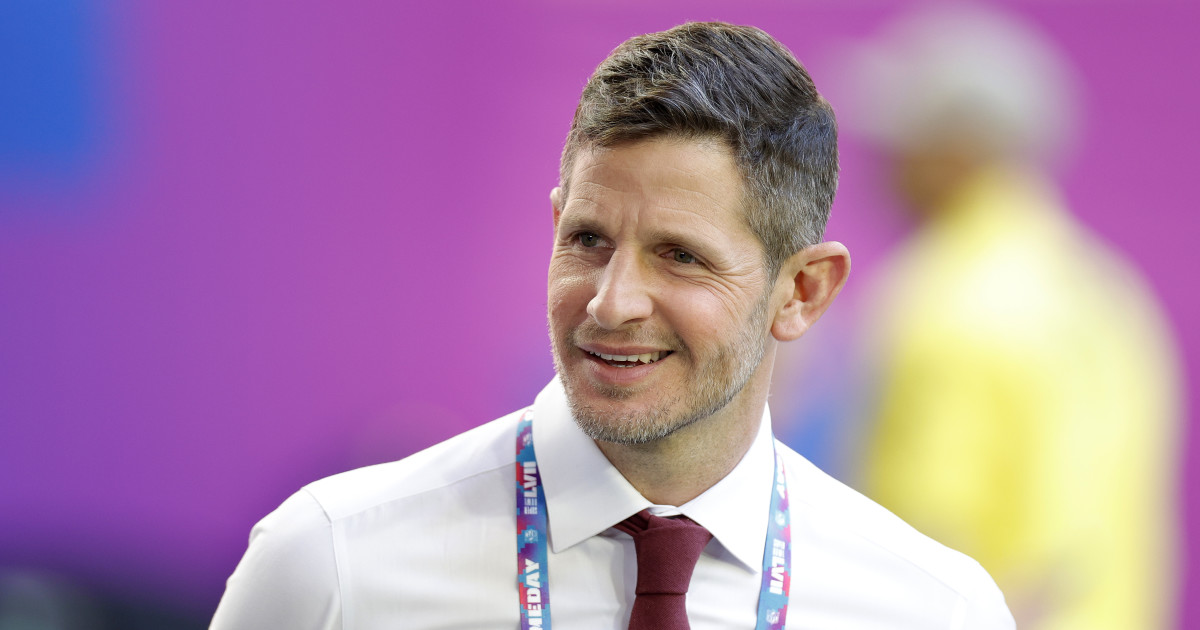
Dan Orlovsky, a former NFL quarterback turned sports analyst, recently made headlines by expressing his deep regret over re-signing with ESPN’s executives. Known for his insightful commentary and charismatic presence on air, Orlovsky’s candid admission has sparked curiosity among fans and industry insiders alike. What exactly transpired behind the scenes that led to this change of heart? In this article, we delve into the circumstances surrounding Orlovsky’s decision, the challenges he encountered, and the broader implications for his career moving forward.
Why Dan Orlovsky Regrets Re-Signing with ESPN Executives
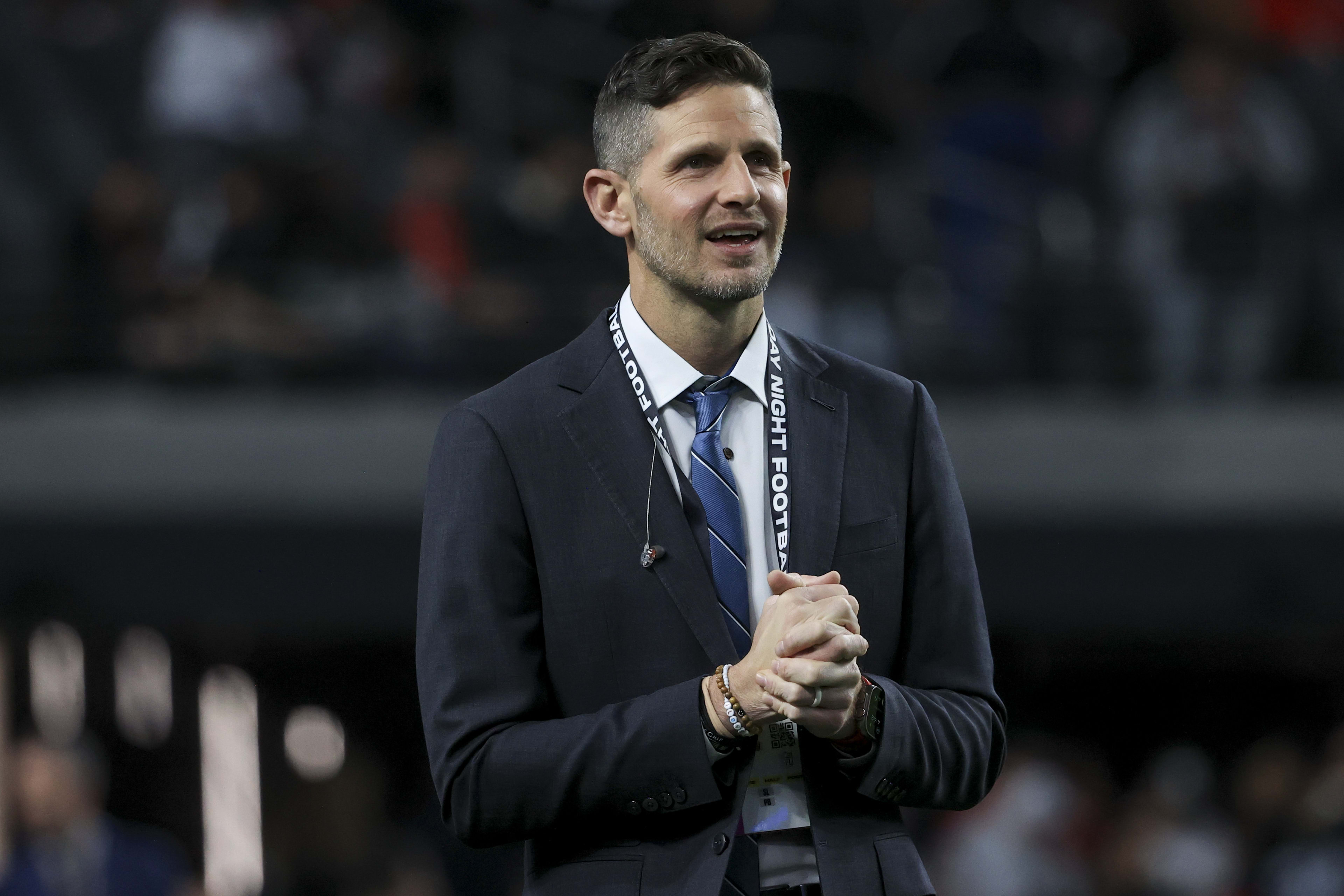
When Dan Orlovsky initially agreed to extend his contract with ESPN, expectations were high. The network had been a significant platform for him to showcase his expertise and connect with a wide audience. However, as time passed, Orlovsky began to experience frustrations that ultimately overshadowed the benefits of the deal.
One of the primary reasons for his regret centers around creative differences and a lack of alignment with ESPN’s strategic direction. Orlovsky felt constrained by the network’s editorial decisions and the limited opportunities to express his authentic voice. This disconnect led to a growing dissatisfaction with his role and the overall working environment.
Moreover, Orlovsky cited challenges related to the evolving landscape of sports media. With the rise of digital platforms and changing viewer preferences, he believed that ESPN’s approach was not adapting quickly enough to stay relevant. This stagnation affected his enthusiasm and motivation to continue under the existing contract terms.
The Impact of Orlovsky’s Regret on His Career and Future Prospects
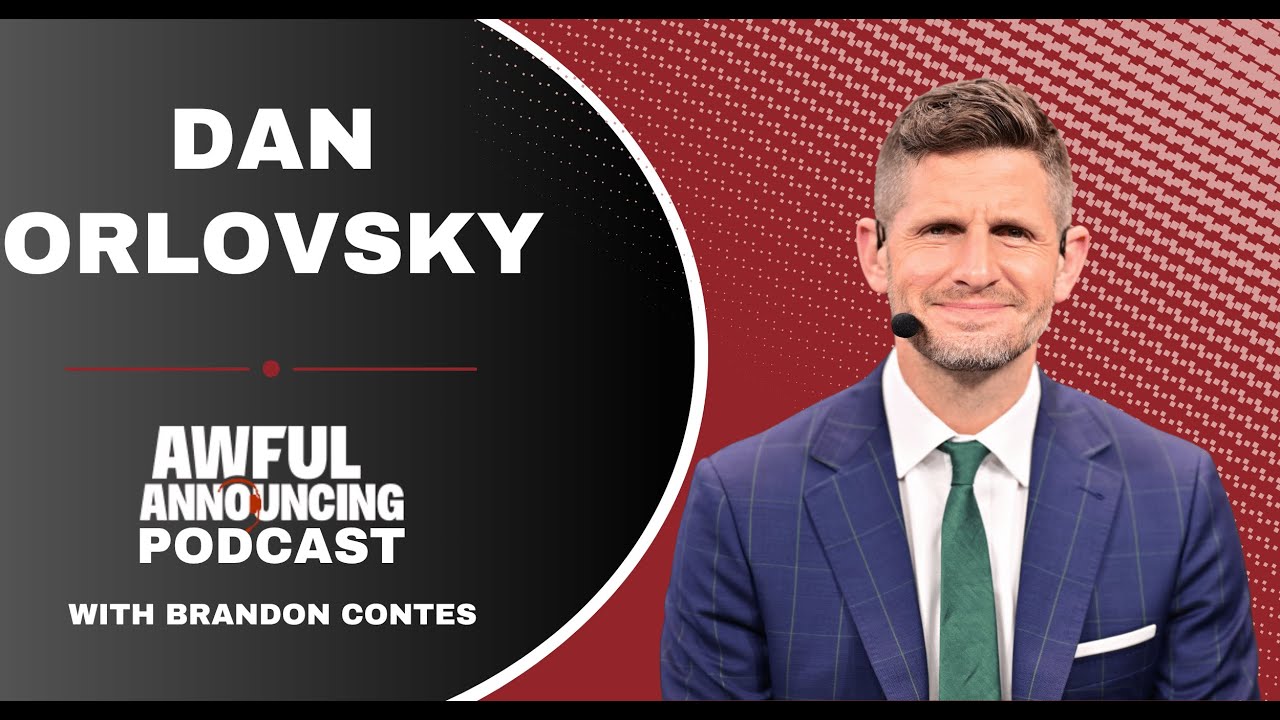
Dan Orlovsky’s public admission of regret has significant implications for his career trajectory. While he remains a respected figure in sports broadcasting, this revelation signals a potential shift in his professional path. Industry experts speculate that Orlovsky may explore alternative opportunities that offer greater creative freedom and flexibility.
In addition, Orlovsky’s experience highlights a broader trend within the sports media industry, where talent increasingly seeks platforms that align with their personal brand and values. His candidness could inspire other analysts and commentators to reevaluate their contracts and relationships with major networks.
For ESPN, Orlovsky’s regret serves as a reminder of the importance of nurturing talent and fostering an environment that encourages innovation and authentic expression. Retaining top personalities requires not only competitive compensation but also a supportive culture that adapts to the changing media landscape.
What Can We Learn from Dan Orlovsky’s Experience?
Orlovsky’s story offers valuable lessons for both media professionals and organizations. First, it underscores the necessity of clear communication and mutual understanding during contract negotiations. Talent must feel confident that their creative vision will be respected and supported.
Second, the sports media industry must remain agile and responsive to evolving audience demands. Networks like ESPN need to continuously innovate and provide diverse platforms that empower their analysts to engage meaningfully with fans.
Finally, Orlovsky’s openness about his regrets encourages transparency and authenticity in the industry. By sharing his experience, he fosters a dialogue about the challenges faced by on-air personalities and the importance of aligning professional commitments with personal fulfillment.
Moving Forward: Dan Orlovsky’s Next Steps
While Dan Orlovsky has expressed regret over his decision to re-sign with ESPN, he remains optimistic about the future. He is actively exploring new ventures that will allow him to leverage his expertise while maintaining greater control over his content and career direction.
Fans can expect Orlovsky to continue contributing to sports media, potentially through digital platforms, podcasts, or independent projects that offer a fresh and innovative approach. His journey serves as a reminder that even seasoned professionals encounter setbacks but can use those experiences to fuel growth and reinvention.
Conclusion
Dan Orlovsky’s admission of regret after re-signing with ESPN executives sheds light on the complexities of the sports media industry and the importance of aligning professional opportunities with personal values. His experience encourages both talent and networks to prioritize open communication, creative freedom, and adaptability. If you’re interested in staying updated on Dan Orlovsky’s career developments and insights into the evolving world of sports broadcasting, be sure to follow his upcoming projects and commentary. Don’t miss out on the latest news—subscribe to our newsletter today!