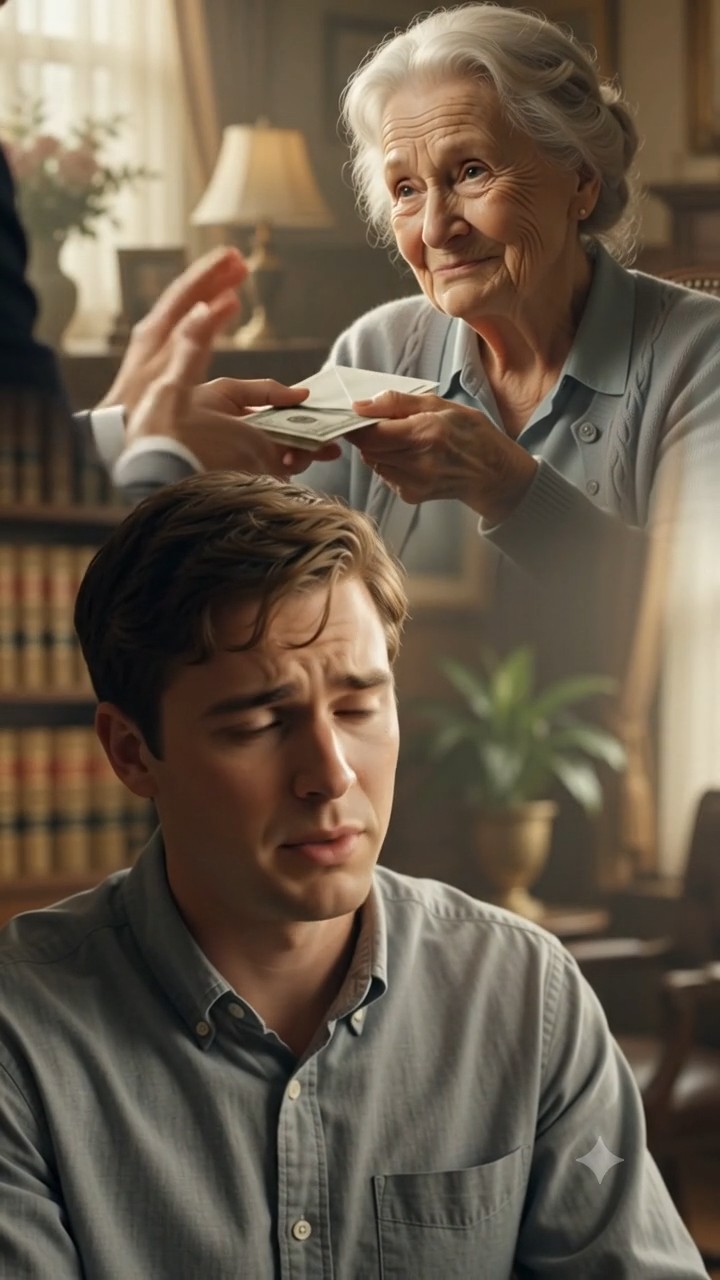
For six years, I cared for eighty-two-year-old Mrs. Sun-Hee Choi in her Richmond District apartment in San Francisco, refusing every envelope of cash she handed me.


I called Rachel Adler immediately after leaving the courthouse. “I need you to dig deeper into Oakes,” I told her, my voice urgent. “Not his foundation’s debts, but why they appear so bad. Is it possible he *wanted* them to look that way?”
She listened patiently as I recounted Grace Min’s slip of the tongue and our discovery of the dormant lien. There was a long silence on her end.
“That changes everything,” she finally said. “Give me a few hours. I’ll see what I can find.”
Later that evening, Rachel called back, her voice tight with a mixture of disbelief and grudging respect. “You were right, Daniel. It’s almost too perfect.”
“What did you find?”
“I pulled Oakes’s full financial audit records, stretching back about five years. It’s a mess, just like I thought. But the timing… it’s not accidental.”
She paused, as if gathering her thoughts. “Three months ago, Master Oakes intentionally defaulted on several major commercial loans connected to his restoration foundation. Not just missed payments, Daniel. He deliberately triggered every penalty clause, every late fee, every red flag possible.”
My jaw dropped. “He tanked his own credit rating?”
“He didn’t just tank it,” Rachel explained, a hint of awe in her voice. “He nuked it from orbit. His foundation’s commercial credit went from ‘stable’ to ‘imminent collapse’ in a matter of weeks. It’s a textbook case of engineered financial ruin.”
The pieces slotted into place with a sickening clarity. This was why Rachel had initially seen him as a predatory developer, ready to sell Mrs. Choi’s archive building to save his own failing business. It was all a facade.
“He wanted to look broke,” I murmured, the realization a bitter taste in my mouth. “He wanted to appear desperate for money.”
“Exactly,” Rachel confirmed. “Think about it. The Seoul syndicate, these types of organizations, they don’t just send process servers. They have investigators. They analyze potential threats, potential allies. If Oakes had appeared wealthy, solvent, a respected member of the community with no financial troubles, their investigators might have suspected collusion with the Choi estate.”
She continued, “But if he looked like a greedy, desperate mentor, facing his own financial ruin, suing a young immigrant for a substantial inheritance… that’s a believable cover. It ensures the syndicate’s investigators wouldn’t look deeper into his motives.”
He had engineered his own apparent financial collapse to create a convincing motive for his “greedy” lawsuit against me. He was sacrificing his entire public reputation, his foundation’s financial stability, to play the part of a villain. All to ensure the syndicate wouldn’t suspect that Mrs. Choi’s estate was being protected by a coordinated, meticulously planned freeze.
The ruthlessness of it, the sheer dedication to a lie, was staggering. Master Oakes had not only gone to war for Mrs. Choi’s legacy, but he had also burned his own world down to make his battle believable. The thought that he had willingly endured public scorn, professional humiliation, and financial ruin, all in secret, for a promise he’d made to Mrs. Choi, filled me with a complex mix of awe and shame.
He hadn’t just protected the money from the syndicate; he had protected me from their attention. And he had done it by making me believe he was my enemy.
More Stories





+ There are no comments
Add yours