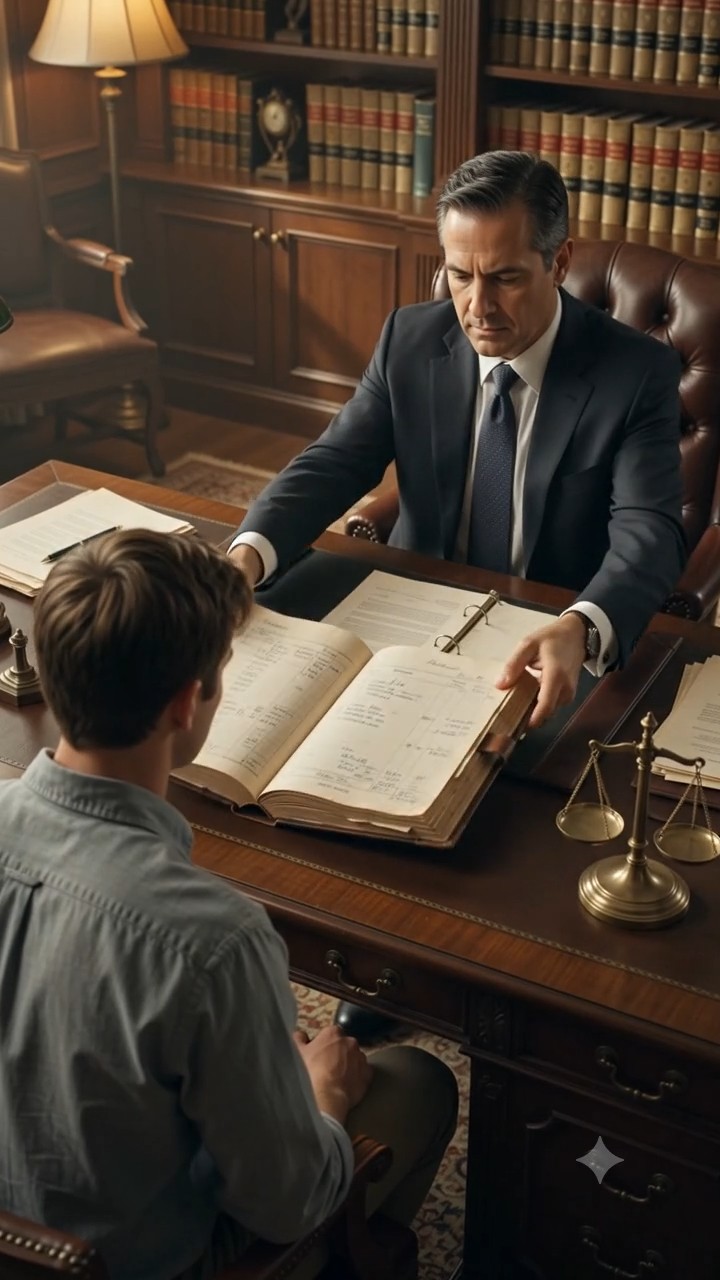
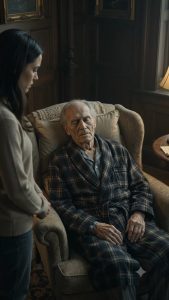
For six years, I cared for eighty-two-year-old Mrs. Sun-Hee Choi in her Richmond District apartment in San Francisco, refusing every envelope of cash she handed me.


A long time later, night fell over the Richmond District. The fog had rolled in, muffling the distant sounds of the city. I stood in the small, unadorned kitchen at the back of the archive house. The simple gas stove hissed softly as a kettle of water began to boil.
I wore a plain restoration apron, wiping wood dust from my hands with a faded rag. The air here was always a mix of old wood, paper, and the faint, sweet scent of preservation chemicals.
There were no crowds. No grand celebrations. No sudden wealth. Just the quiet hum of the archive’s climate control system and the slow, steady rhythm of the house settling for the night.
I poured the hot water into a chipped mug, steeping a simple herbal tea. I walked over to a sturdy wooden table, its surface worn smooth by countless hands. This was my table now. My kitchen. My home.
I sat down, the warmth of the mug a comfort in my hands. Beside it, I opened the archive’s daily maintenance ledger. Its pages were filled with my neat, careful handwriting: “Inventory check, Wing B,” “Humidity levels, Main Gallery,” “Contacted carpenter for south facade window repair.”
My life was a quiet, relentless devotion to the promise I hadn’t even known I was making. The inheritance wasn’t money. It was the weight of a legacy, the responsibility of preserving a culture, a history, a memory.
I used to think money was the reward for doing what was right. Now I realize the only true inheritance of honor is the duty that stays behind after the ledger is closed.
More Stories




+ There are no comments
Add yours