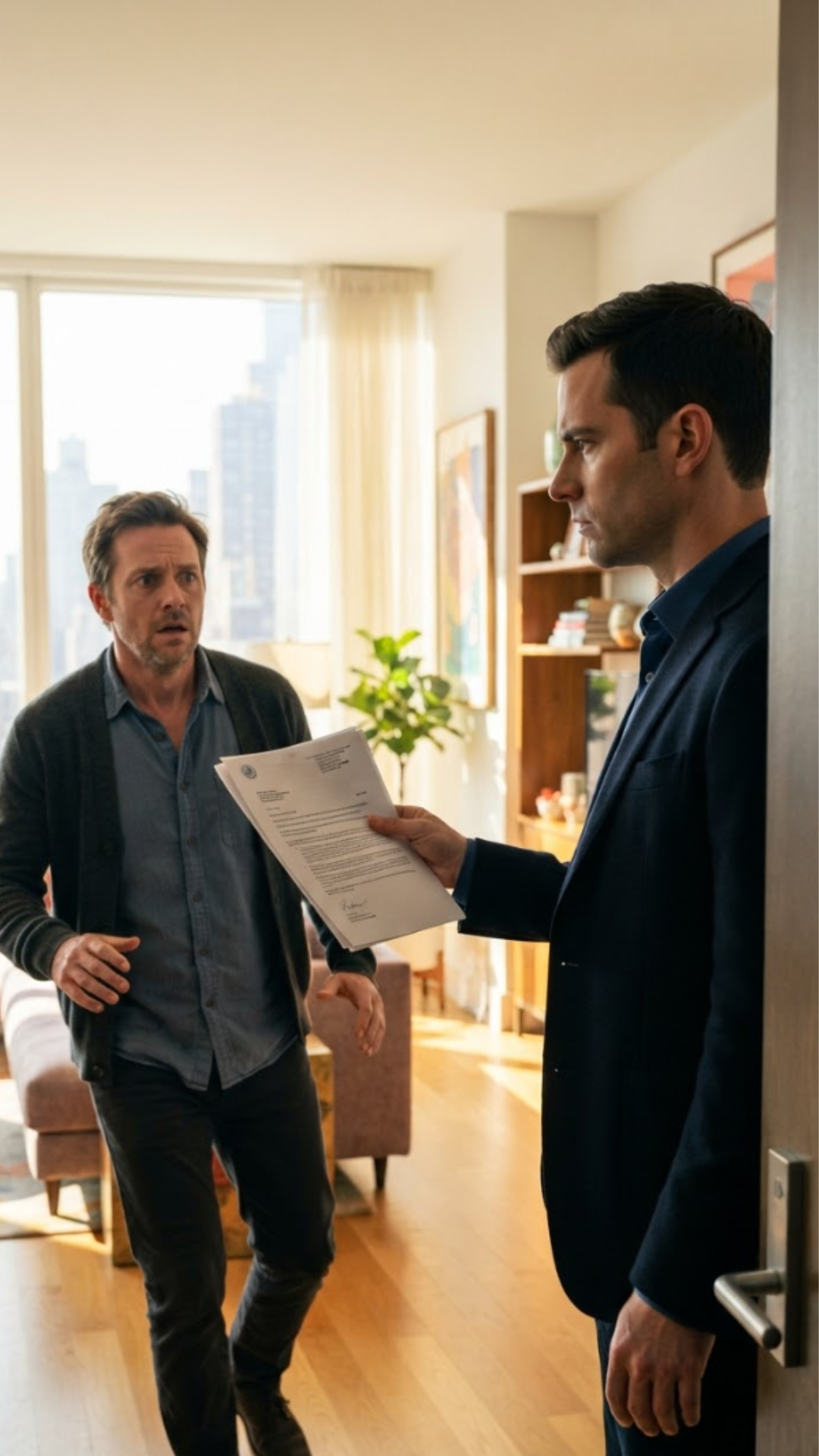
I Found My Homeless Daughter At A Bus Stop After Her Husband Stole Her House With Fake Texts — Being A Senior Auditor, I Tracked Down The Illegal Sale


The grand jury quickly returned an indictment against Julian. The recovered text message metadata logs and, most damningly, the printed written confession letter, left no room for doubt. At the preliminary hearing, a somber affair in the small Pine Creek courthouse, the prosecutor read Julian’s confession aloud into the record.
The words echoed through the silent courtroom, Julian’s own chilling account of exploiting Clara’s grief and medication to trick her into signing the deed. His casual cruelty, laid bare in his own hand, completely shattered any lingering credibility he might have had in Pine Creek. Whispers rippled through the gallery; some who had defended him now sat with looks of shocked realization.
Julian, sitting at the defense table, his face pale but still defiant, refused to meet anyone’s gaze. His attorney, a slick city lawyer, looked visibly uncomfortable, attempting to object on procedural grounds, but the judge overruled him. The evidence was overwhelming.
Yet, even with Julian’s reputation in tatters, the legal battle for Clara’s house was far from over. As the hearing concluded, a new legal team, representing the commercial property developer who had purchased the farmhouse, stepped forward. They immediately filed a counter-suit against Clara and me.
Their argument: they were a “good-faith purchaser.” They claimed they had bought the property legally, relying on Julian’s seemingly valid power-of-attorney and Laura’s notarized affidavit. They alleged they had no knowledge of the underlying fraud and therefore should be protected from financial loss. They demanded that Clara be barred from reclaiming the property, arguing it would cause them undue hardship and financial damage.
This meant the Pine Creek farmhouse, Clara’s ancestral home, would remain tied up indefinitely in civil court. The developer had already poured money into preliminary planning, and they were not about to just walk away from their investment. They were a large corporation with deep pockets, capable of sustaining years of legal challenges.
I exchanged a glance with DA Reynolds. She shook her head. “Criminal charges are one thing, Arthur. Civil property disputes are another. This could drag on for years, even with Julian’s confession.”
The realization hit me hard. We had won the criminal battle, publicly exposing Julian for the manipulative fraudster he was. But the house itself, the tangible symbol of Clara’s stolen inheritance, was trapped in a new kind of legal purgatory. The justice I had sought, the restoration of Clara’s home, was being held hostage by corporate law and the very complexities of the real estate market I had sworn to protect.
Adding to the bitter taste, I saw Laura and Hank hurrying out of the courtroom, avoiding my gaze entirely. The reading of Julian’s confession had brought a momentary shock, but it hadn’t swayed them back to my side. Their allegiance, permanently fractured, remained with Julian’s twisted narrative, if only to protect their own perceived social standing in the community. The truth had been revealed, but it hadn’t healed the rifts, nor had it provided the complete resolution I had hoped for.
More Stories








+ There are no comments
Add yours