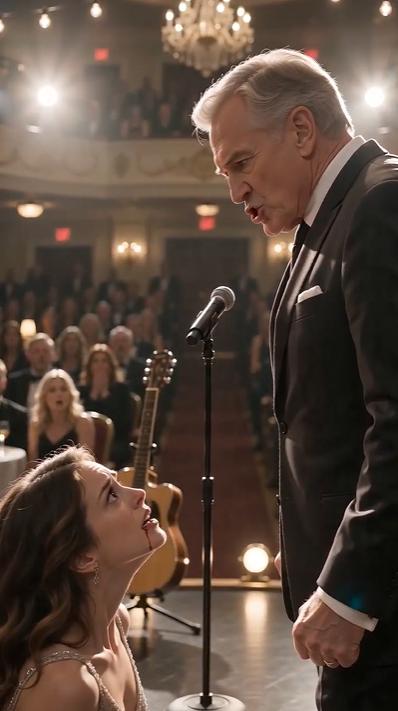
The Gilded Age Reckoning: How a Spilled Glass of Claret Exposed a Tycoon's Empire Built on Old Sins




Amidst the apocalyptic chaos, the roar of the unleashed river was deafening. The mansion itself was shuddering, its windows cracking under the pressure of the wind and the reverberations from the valley. I rushed to the largest window, peering out into the maelstrom.
Flickers of distant light, emergency flares perhaps, cast an eerie, strobe-like illumination on the deluge. Structures in the valley below were being torn apart, swallowed by the surging torrent. The Lockwood Mill, once a beacon of industry, was now a jagged ruin, its proud brick walls collapsing into the churning water.
Then, through a brief, terrifying break in the driving rain, I saw him. A figure, struggling desperately against the raging floodwaters, near what remained of the mill. My heart stopped.
It was Ryan.
He was caught in a powerful current, being swept towards the remnants of the mill’s shattered foundations. His arm, still in a sling, flailed uselessly. He must have somehow escaped the hospital, driven by some desperate, final impulse to warn me, to redeem himself. His fragile resolve, though too late, had led him into the jaws of the very disaster his family had engineered.
“Ryan!” I screamed, my voice ripped from my throat, utterly lost in the maelstrom.
Charles, who had been standing beside me, a broken, hollow man, followed my gaze. His eyes, initially vacant with general despair, suddenly sharpened, focusing on the struggling figure in the flood. The sight of his son, his own flesh and blood, caught in the raging torrent, seemed to pierce through his stunned defeat.
His broken son, caught in the floodwaters. The literal manifestation of his deepest, most personal wound. The specific cruelty was that his own greed had created the circumstances for his son’s destruction, a consequence he directly caused.
A guttural cry, unlike any sound I had ever heard from him, tore from Charles’s throat. It was a raw, animalistic howl of pure, unadulterated agony and despair. It wasn’t the sound of anger or frustration, but the shattering of a man’s very soul. He reached out, an impotent gesture towards the raging water, towards his drowning son.
“No!” he screamed, his voice raw, desperate, utterly devoid of the power he once wielded. “My son! Ryan!”
But his cries were futile, swallowed by the roar of the flood. Ryan struggled for a few more desperate seconds, his head barely visible above the churning water. Then, with a sudden, sickening lurch, he was pulled under, vanishing beneath the waves, swallowed by the unforgiving current.
Charles collapsed to his knees, his face buried in his hands, his body wracked with shuddering sobs. His empire was gone. His legacy was in ruins. And now, his son, his only heir, the fragile future he had so carefully tried to shape, was being swept away, a casualty of his own monstrous sins.
Hours later, as the floodwaters slowly began to recede, Ryan was retrieved from the wreckage. He was alive, a miracle of resilience against the overwhelming force of nature. But he was severely injured. His body was broken, his spirit shattered beyond repair. The doctors spoke of extensive physical damage, and, more ominously, profound neurological trauma. He would never truly recover, a permanent casualty of his father’s sins and my righteous anger.
The climax was complete. The Lockwood empire was gone. Charles Lockwood was utterly, irrevocably broken, defeated not by me, but by the devastating reality of his empire and his son’s future being swept away. But it was not a victory for me. The cost of justice, the price of the reckoning, was devastatingly high. Ryan, the man who had briefly found his courage, was lost forever.
More Stories








+ There are no comments
Add yours