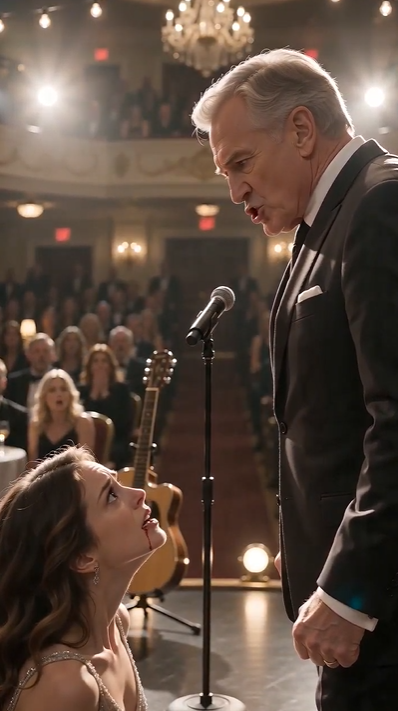
The Gilded Age Reckoning: How a Spilled Glass of Claret Exposed a Tycoon's Empire Built on Old Sins
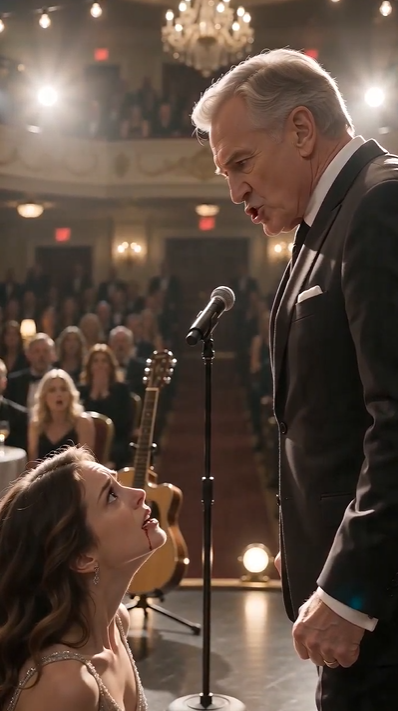
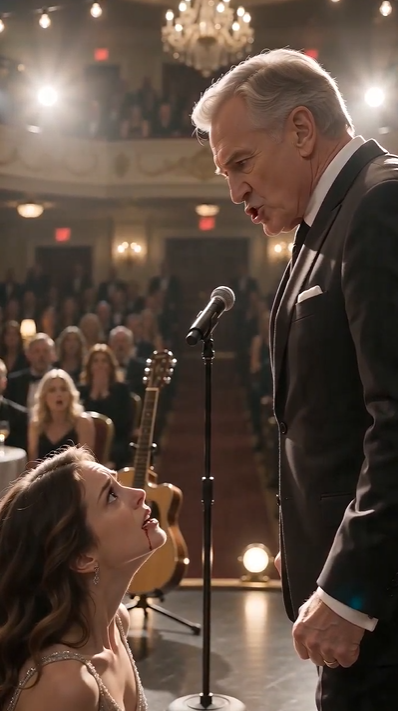

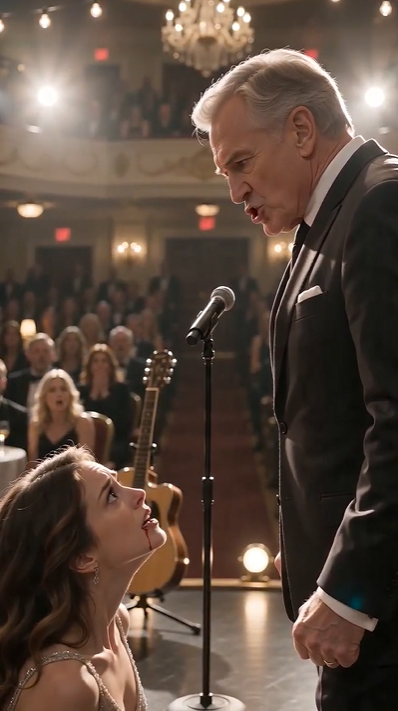


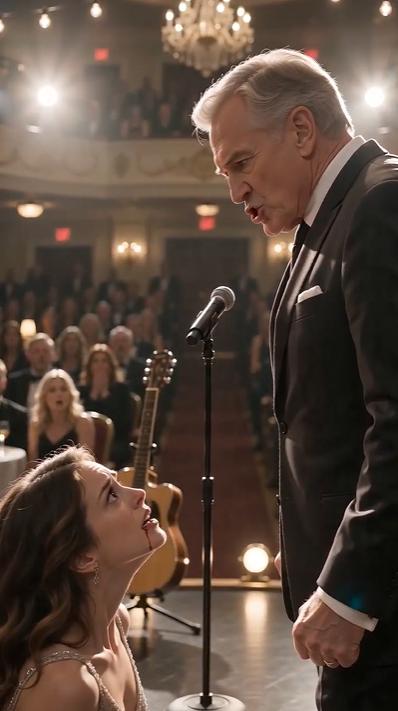
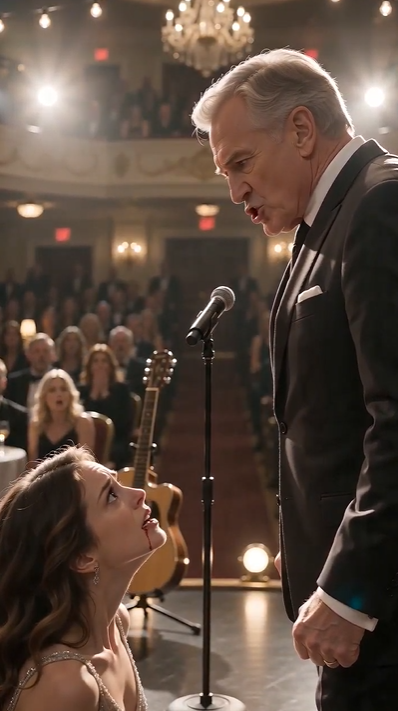

Ryan was seated in the library of our Fifth Avenue apartment, a half-empty glass of amber liquid clutched in his hand. The dim light from the gas lamp barely illuminated his slumped posture. His face was pale, his eyes distant, but his expression held no hint of the genuine remorse I desperately sought.
I walked in, holding the newspaper clippings from 1902 in my hand. They felt heavy, weighted with the history of his family’s crimes. My voice, usually soft, was laced with an uncharacteristic sharpness.
“We need to talk,” I said, my gaze unwavering.
He flinched, stirring from his stupor. He gestured vaguely to the plush armchair opposite him.
“Emily, darling,” he began, his voice slurred, “Father’s been quite upset. We really should think about a reconciliation. Things have been difficult, you know.”
The casual dismissal of my suffering, and his father’s cruelty, hit me like a physical blow. I held up the clippings.
“Difficult?” I asked, my voice rising. “Is that what you call being publicly assaulted? And is this,” I unfurled the legal document I had found, the one detailing the pre-nuptial arrangements, “is this also part of ‘things being difficult’?”
His eyes darted from the newspaper articles to the legal papers. A flicker of alarm, quickly masked by practiced indifference, crossed his features. He swallowed hard.
“Ah, that,” he mumbled, waving a dismissive hand. “That’s nothing, really. Just Father being Father. You know how he is about protecting the family legacy. He insisted on it, darling. Said it was a matter of principle.”
He took another long sip from his glass, avoiding my gaze. The clinking of the ice against the crystal was the loudest sound in the room. His casual tone, the way he brushed aside not just my public humiliation but his own calculated betrayal, made my blood run cold.
“He insisted?” I repeated, my voice dangerously low. “So your signature, Ryan, the one right here, agreeing to exclude me from your trust, that was ‘insisted upon’ as well?”
He finally looked at me, his eyes wide and vacant. A desperate plea for understanding, or perhaps just for me to drop the subject, shone in them.
“Emily, please,” he said, his voice a whine. “It’s all purely theoretical. A formality. You know I would never truly cut you out. I just… I couldn’t cross Father. You saw what he did to you; imagine what he would do to me if I refused.”
His excuses were thin, transparent. He wasn’t afraid for me; he was afraid for himself. He saw his father’s actions against me as a warning, not an injustice to be fought. He was a coward, more worried about his allowance than his wife.
I thought about the O’Malley family, losing their home and their bible, their protests falling on deaf ears. The Lockwoods’ cruelty, it seemed, was an inherited trait, manifesting differently in each generation. Charles with his explosive temper, Ryan with his chilling indifference.
“So your inheritance,” I said, my voice flat, “is more important than my dignity? Than my safety? Than our marriage vows?”
He pushed himself up from the armchair, stumbling slightly. He tried to take my hand, but I pulled away sharply.
“Emily, don’t be dramatic,” he pleaded, his voice laced with a strange mixture of frustration and self-pity. “It’s not about money. It’s about stability. Father controls everything. If I didn’t comply, we’d lose everything. You don’t understand the power he wields.”
His words confirmed my worst fears. He truly believed he was protecting us, by sacrificing me. By betraying me. He saw no moral failing in his actions, only pragmatism. His moral compass was utterly broken, twisted by a lifetime of privilege and fear. He simply couldn’t grasp the depth of my hurt, or the severity of his father’s actions.
The indifference in his eyes, more than his words, felt like a deep cut. He wasn’t just complicit; he was a willing participant, rationalizing his spinelessness as filial duty. The glimmer of conscience I had once hoped for was utterly extinguished. The man I married had vanished, replaced by a hollow shell terrified of his father’s shadow.
I turned away, the newspaper clippings now feeling like a personal affront, not just a historical injustice. This was his family’s legacy, and he was doing everything in his power to uphold it, even at my expense.
“I think I understand perfectly, Ryan,” I said, my voice devoid of emotion. “You’ve made your choice.”
The library was silent again, save for the rhythmic tick-tock of the grandfather clock in the corner. It measured not just time, but the slow, agonizing death of my marriage. He cared more about his inheritance, about maintaining his comfortable gilded cage, than he ever would about me. The weight of that truth settled heavily upon my shoulders, cold and undeniable.
I walked out, leaving him standing amidst the opulent furnishings, a monument to his own weakness. The marriage was a lie. My husband was a stranger. And Charles Lockwood’s cruelty had not only wounded my body but had, with Ryan’s complicity, irrevocably broken my heart.
More Stories







+ There are no comments
Add yours