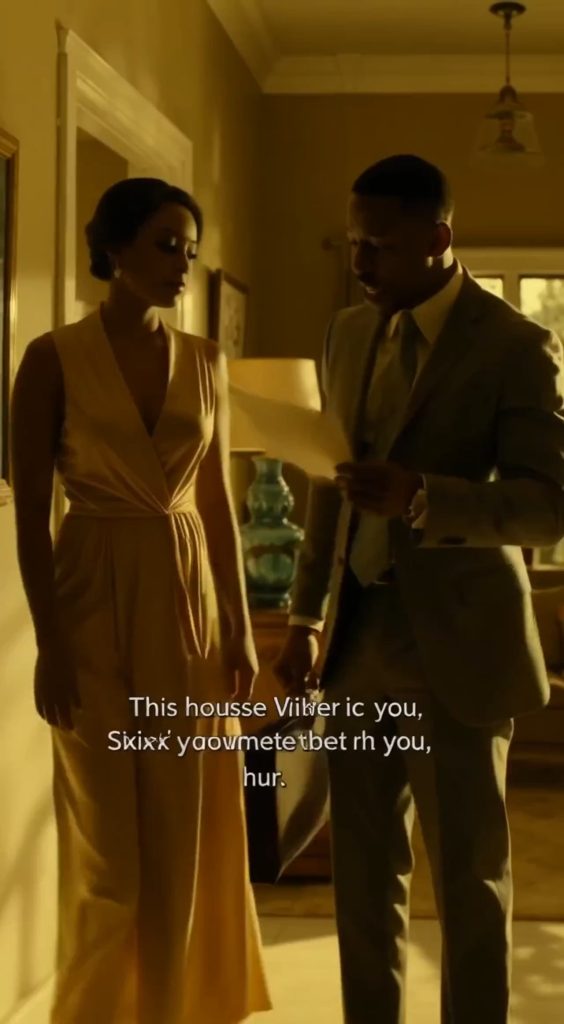
She is seventy-eight years old, Jonathan, and room and board in this enclave aren't free, my older sister Victoria said, wiping her manicured nails without looking up from her tablet.
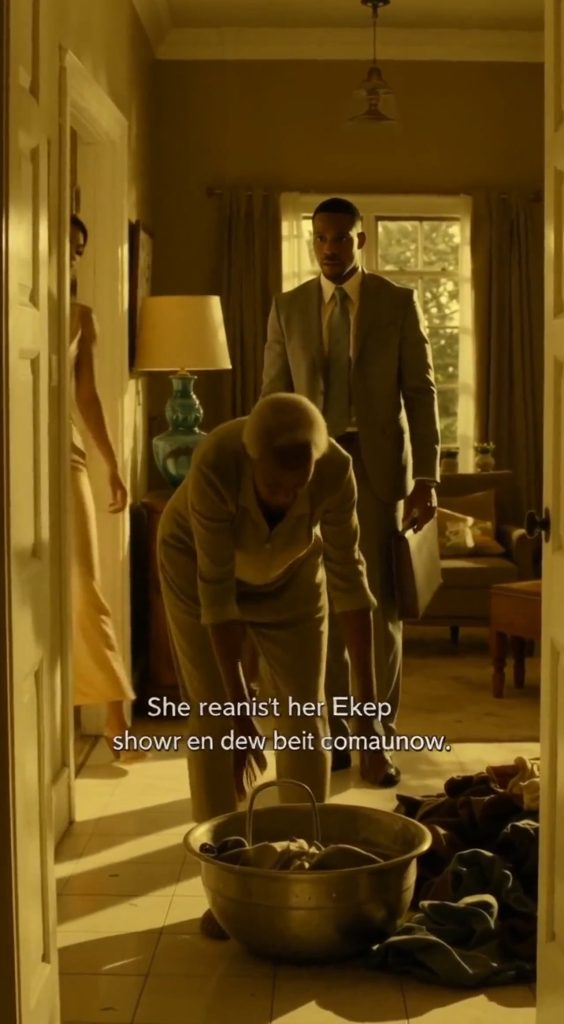
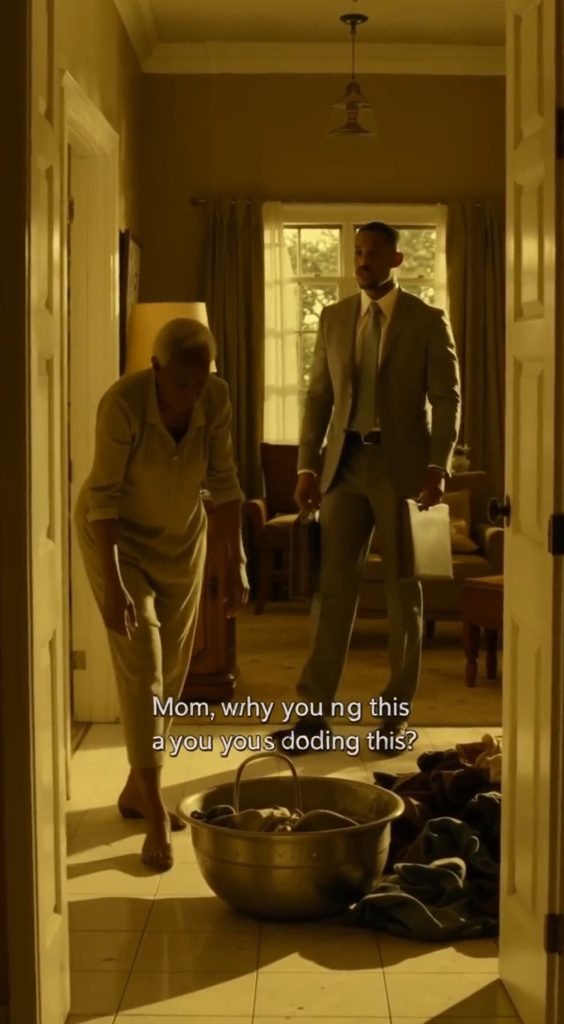




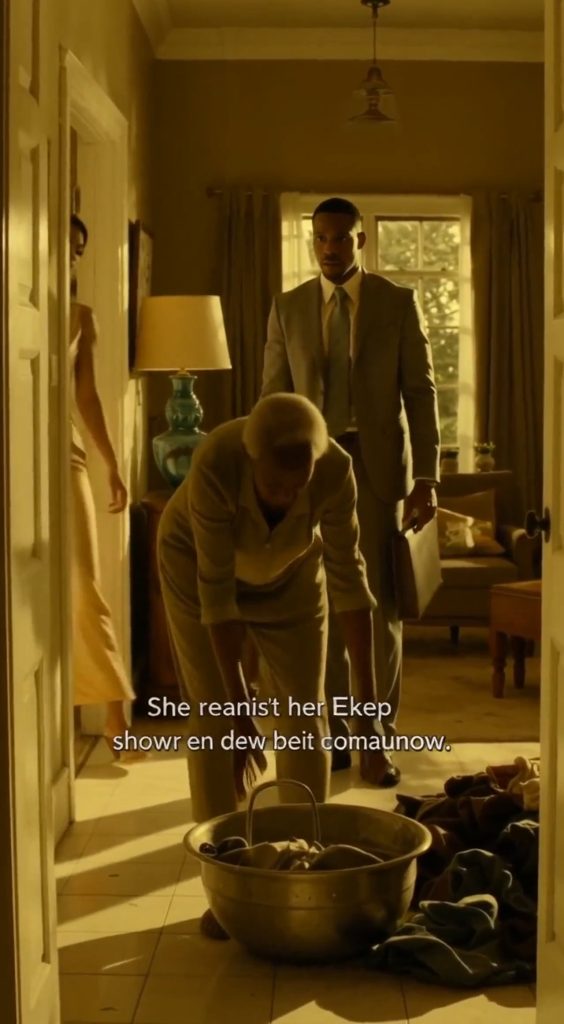
The sudden downpour had come out of nowhere, a thick, gray curtain of rain that turned Peachtree Street into a blurry watercolor. My clothes, still damp from my earlier confrontation with Victoria, clung uncomfortably as I huddled under the flimsy shelter of the MARTA bus stop.
My phone, of course, was dead. Victoria had made sure of that, confiscating my charger before she’d locked me out of the house.
A low rumble shook the ground. The overhead display flickered, then settled on a “DELAYED: Indefinite” message. Great.
A man nearby, impeccably dressed despite the weather, sighed. He was older, with intelligent, kind eyes behind wire-rimmed glasses, clutching a worn leather briefcase.
He offered me a piece of dark chocolate. “Rough day?” he asked, his voice soft, almost scholarly.
I took the chocolate, nodding. “You could say that. Family drama. Always the worst kind.”
He gave a knowing half-smile. “Indeed. Marcus DuBose.” He extended a hand. “Retired municipal archivist. And you?”
“Jonathan Holloway.”
The name seemed to hang in the damp air between us for a beat too long. Dr. DuBose’s eyebrows, thick and silver, rose fractionally.
“Holloway,” he repeated, a curious glint in his eye. “As in, the Buckhead Holloways? The estate with the striking Doric columns, almost hidden behind those ancient magnolias on Lenox Road?”
I was surprised. Most people only knew Victoria’s socialite persona, not the estate itself. “That’s us.”
A thoughtful hum vibrated in his chest. “I’m sure it’s nothing, but the name…it rings a very specific bell.”
He leaned closer, his voice dropping slightly as the rain hammered louder against the shelter roof. “Back when I was a very young clerk, just out of college, I remember handling the original 1948 conveyance for that property.”
I shifted, intrigued. “The original deed? My grandfather bought it right after the war.”
“Yes, your grandfather was a visionary,” Dr. DuBose confirmed. “But the times were… different. Jim Crow era. Securing that prime Buckhead land for a Black family was unprecedented.”
He tapped a finger to his temple. “I distinctly recall there were some unusual protective covenants woven into that deed. Specific, almost archaic language, designed to prevent future exploitation, especially related to familial stewardship.”
He looked directly at me, a flicker of something significant in his gaze. “Modern lawyers, especially those who only deal with contemporary contracts, often overlook or dismiss these older clauses as boilerplate. But sometimes, Jonathan, boilerplate is where the real power lies.”
A jolt went through me, despite the cold. Could this stranger hold the key to overturning Victoria’s engineered power-of-attorney? The idea seemed too convenient, too serendipitous in the face of my desperation.
He pulled a small, pristine business card from his wallet. “If you ever come across those old papers, I’d be fascinated to take a look. Some history, once forgotten, has a way of repeating itself.”
Just then, the delayed bus rumbled into view, its headlights cutting through the sheets of rain. The timing felt almost deliberate. I took the card, feeling a fragile thread of hope unravel in my chest.
“Thank you, Dr. DuBose,” I said, a little breathlessly.
He smiled, a deep, knowing smile, as he stepped onto the bus. “Good luck, Jonathan. Always look for the quiet print.”
More Stories




+ There are no comments
Add yours