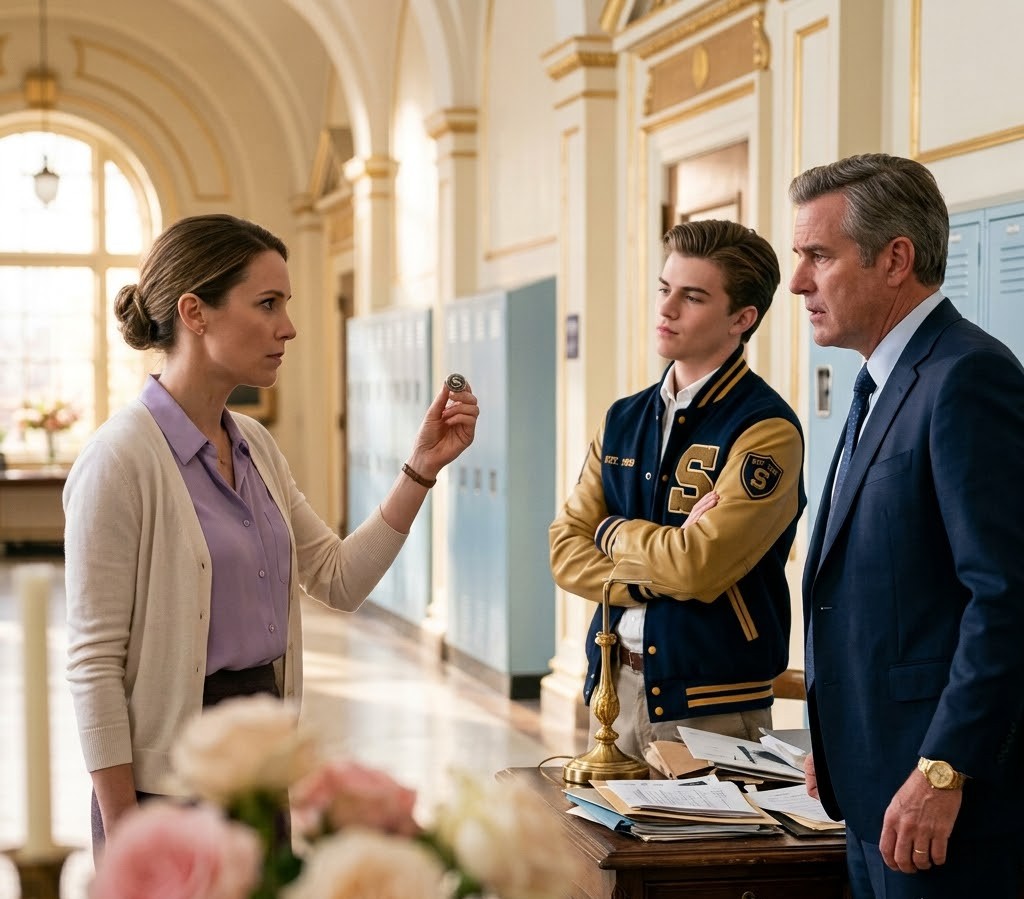
The Underestimated Political Strategist Who Exposed His Family's Dynasty When They Tried to Steal His Secret Project for His Sister's Mayoral Campaign

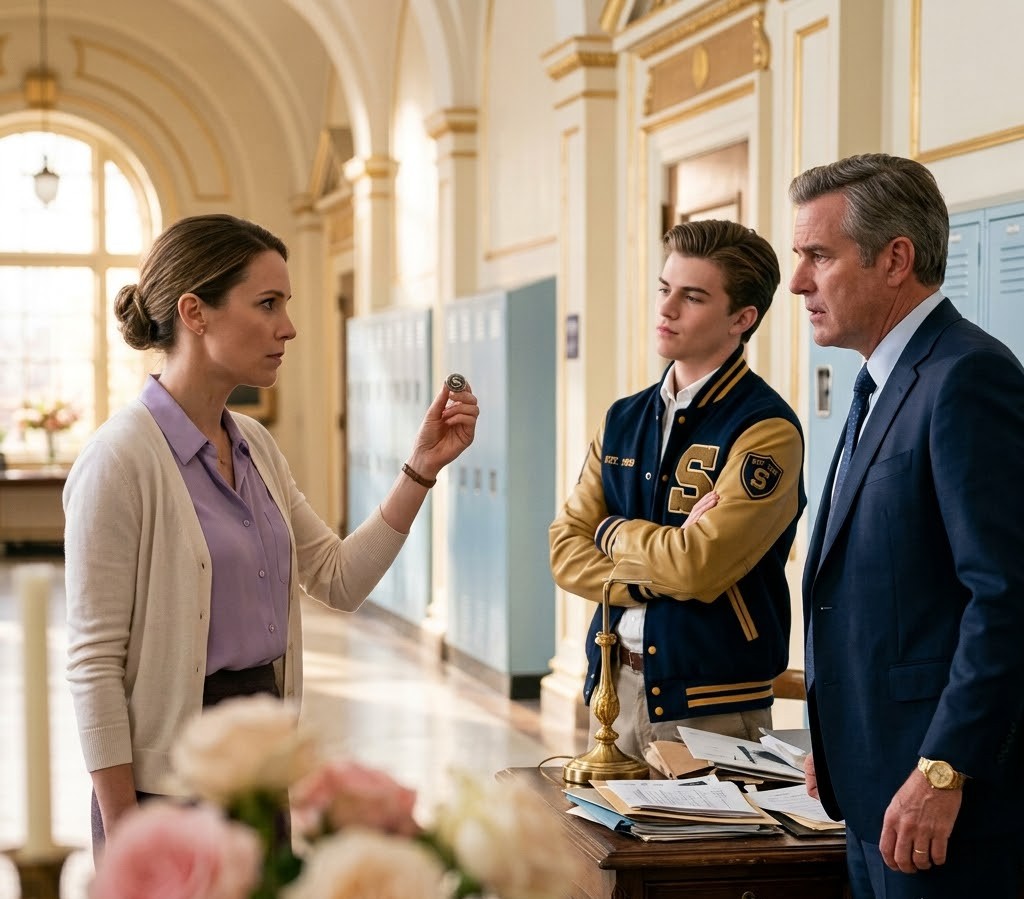

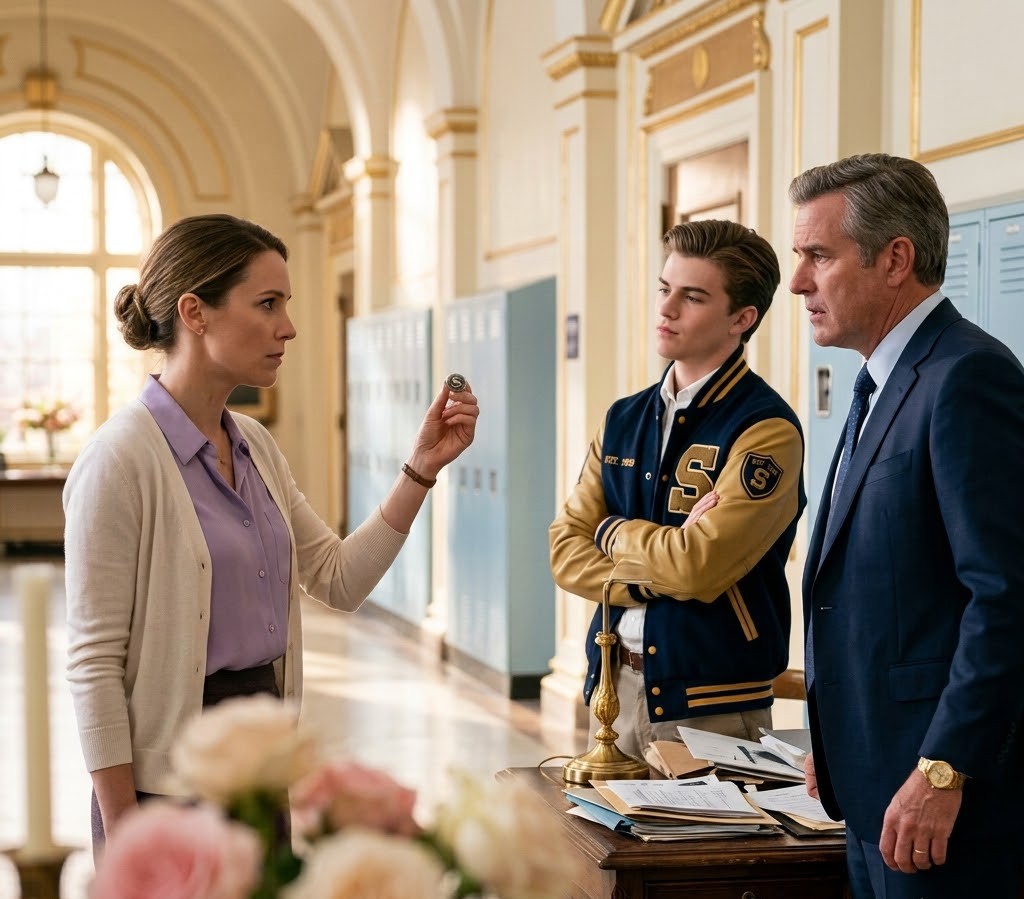

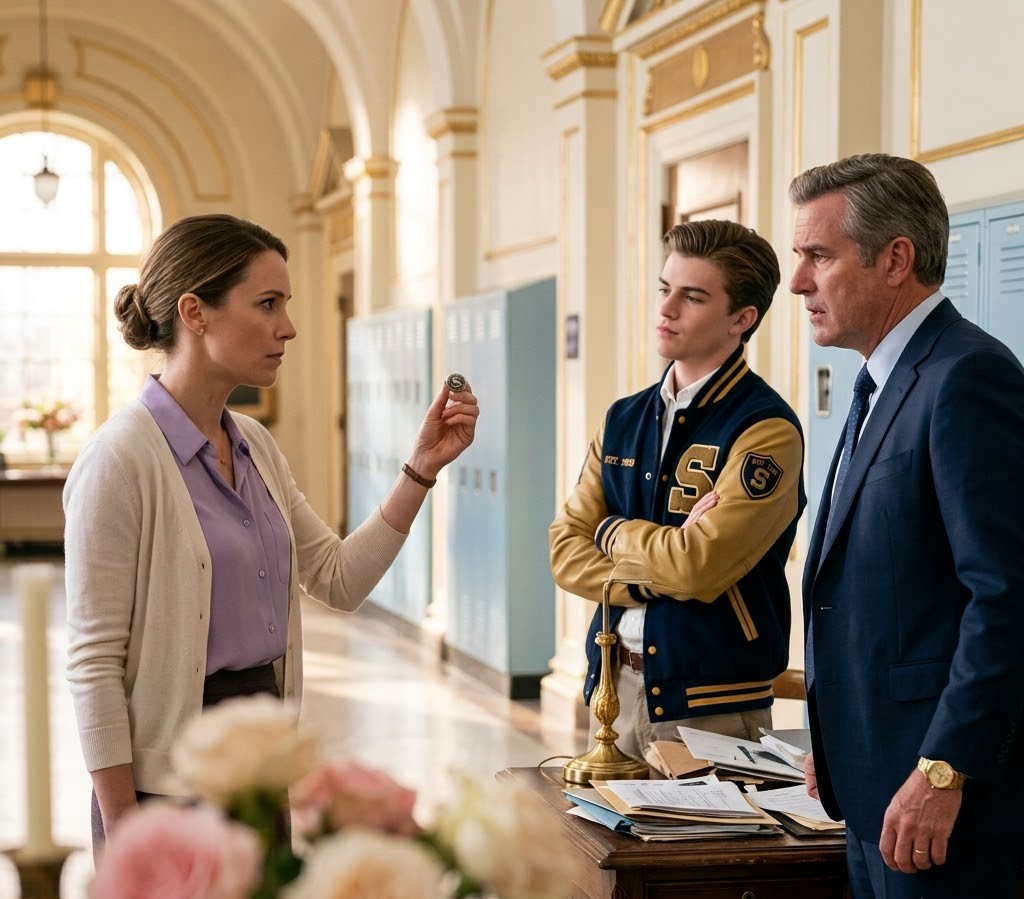

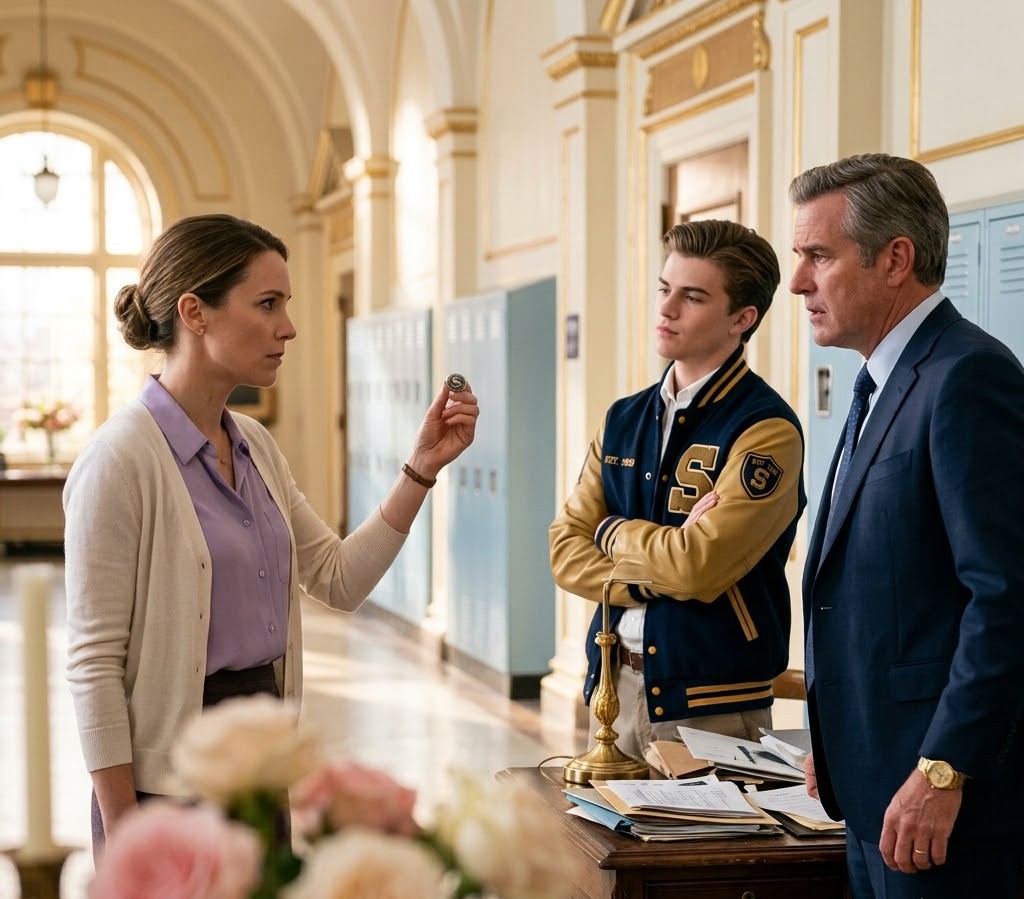


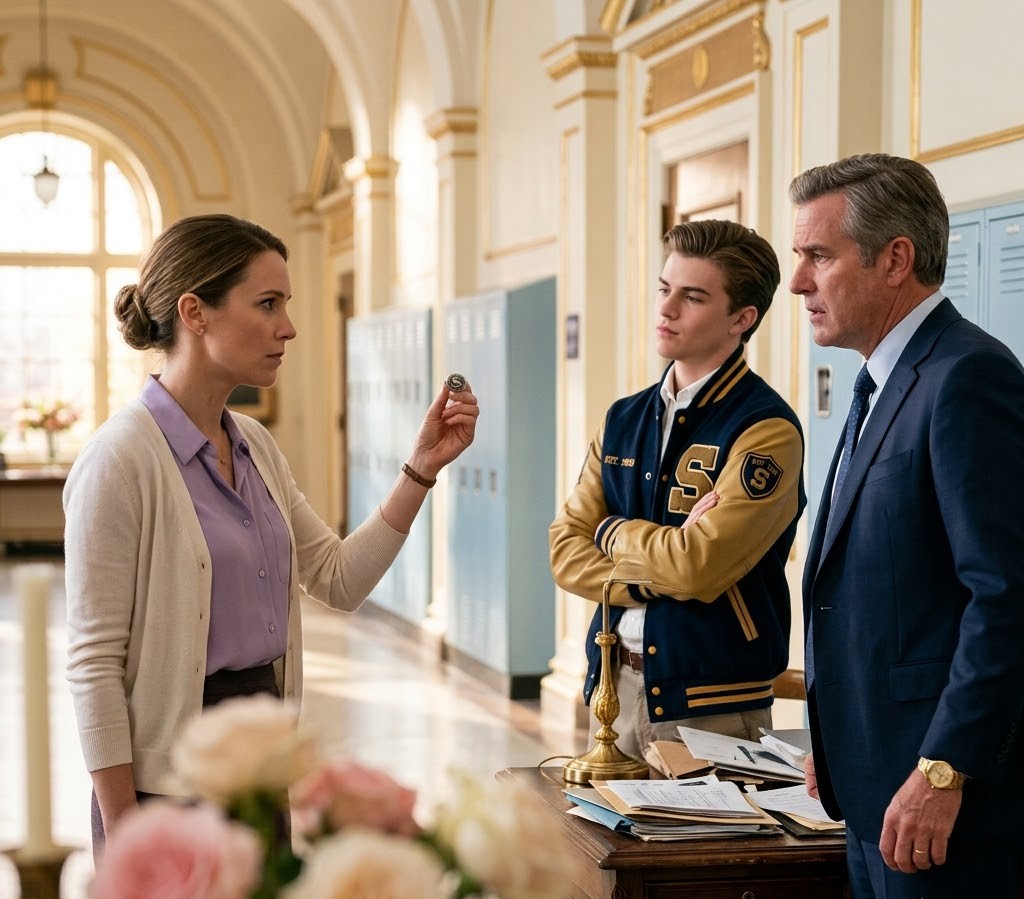
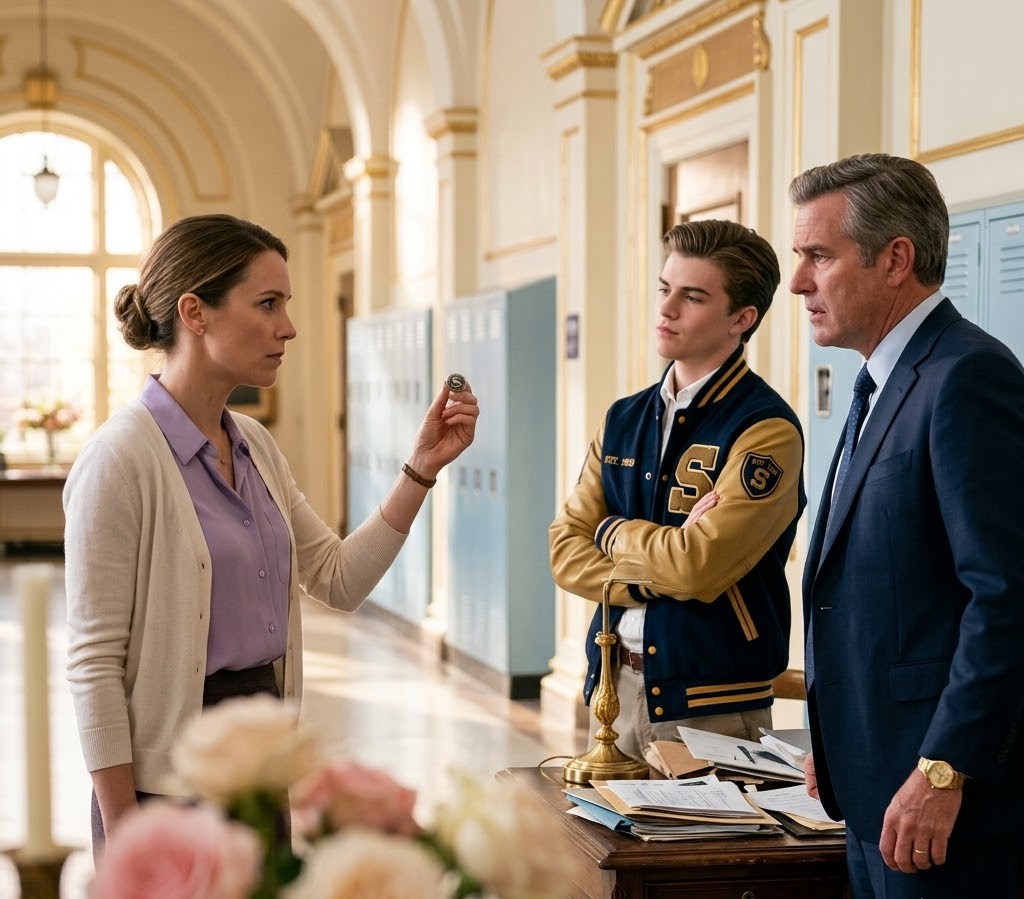

The hum of the servers filled the small, windowless back room of the District 7 office, a low, constant thrum that was Elias Caldwell’s familiar soundtrack. Marcus Thorne sat opposite him, fidgeting with a stylus, his expression a mix of concern and lingering disbelief from Eleonora’s recent threats. The air still felt charged, even hours after Elias’s mother had left.
“She won’t stop, will she?” Marcus finally asked, his voice barely audible over the server noise.
I pushed a stack of legal documents across the worn plastic table. My mother had just made it clear she wanted my algorithm, my micro-PAC, my entire professional future, and she wouldn’t take no for an answer.
“No,” I confirmed, my gaze steady. “She’s already ordered her legal team to prepare for a ‘hostile takeover,’ as she calls it.”
Marcus’s eyes widened, scanning the cover sheets of the papers. The phrase ‘hostile takeover’ usually belonged in corporate boardrooms, not in discussions between a mother and son.
“Hostile? But… how? It’s your work, Elias. Your money, your savings.”
I leaned back in my chair, the worn fabric creaking beneath me. My mother saw a minor inconvenience, a pet project she could easily strong-arm me into surrendering. She misunderstood the very foundation of what I had built.
“That’s where she’s mistaken,” I explained, picking up a pen and tapping it against the table.
“Most micro-PACs, even independent ones, are structured to be easily transferred or absorbed, especially if they rely on a larger entity for support.”
Marcus nodded slowly, following my line of thought. He understood the basic political mechanics.
“But yours isn’t like that?” he prompted, a flicker of curiosity replacing his worry.
“Not at all,” I replied, a faint, dry smile touching my lips. “I spent two years not just building the algorithm, but building the legal and financial framework around it.”
I pointed to a specific section in the documents. It detailed the creation of the ‘District 7 Data Initiative’ micro-PAC as a specific, standalone entity.
“This micro-PAC is registered as an independent political expenditure committee,” I explained. “But with one crucial difference.”
Marcus squinted at the dense legal text, his brow furrowed in concentration. He was eager to learn, absorbing every detail.
“Its charter specifically names me, Elias Caldwell, as the sole and permanent steward of its intellectual property and assets,” I clarified.
“That means the algorithm, the voter data, the donor lists, the entire operational structure – it’s all tied directly to my personal oversight.”
Marcus looked up, his expression shifting from bewilderment to a dawning comprehension. He seemed to be piecing together the implications.
“So, she can’t just… demand you sign it over?” he asked, testing the waters.
“Legally, she can demand anything she wants,” I said, a shrug in my voice. “But for it to take effect, I would have to voluntarily consent to transfer the stewardship.”
“And if you don’t?”
“Then the micro-PAC’s assets, including the algorithm, are effectively frozen if I am no longer able to manage them,” I explained.
“Or if there’s any attempt to force a transfer against my will.”
I watched Marcus process this, his mind racing. It was a complex web, designed to be impenetrable from external pressure.
“It’s like a dead man’s switch,” I continued, seeing the recognition in his eyes.
“If I’m not the one at the helm, the ship doesn’t just switch captains. It stops sailing entirely.”
He slowly exhaled, a low whistle escaping his lips. The full weight of what I had done was sinking in.
“That’s… genius, Elias,” he murmured, shaking his head slightly.
“But also incredibly risky. You’ve locked yourself in.”
“Precisely,” I agreed. “It means my family can’t take it from me, but it also means I can’t be replaced if they try to sideline me.”
I watched Marcus’s face, which shifted between admiration and a hint of concern for my isolation. He was one of the few people I trusted.
“This isn’t about just owning the office, Marcus,” I said, my voice low.
“It’s about making sure that if I’m not in charge, no one else benefits from my work either. It’s an unassailable political fortress.”
This was the quiet, defiant act of independence I had been building for years, brick by legal brick. My mother, in her grand machinations, still saw me as a quiet technician she could easily manipulate. She was about to learn that her quiet technician had built walls she couldn’t breach.
I pulled up a digital rendering of the legal structure on a tablet screen, showing the interconnected clauses and the multiple layers of protection. It was a visual representation of my long-term strategy. Marcus leaned closer, utterly absorbed by the intricate diagram.
“This is why she threatened to cut your trust fund,” Marcus surmised, a new understanding in his tone. “Because she can’t just take this.”
“Exactly,” I confirmed. “She’ll try to starve me out, discredit me, make it impossible for me to operate independently.”
“But she won’t be able to seize control of the data or the PAC itself.”
He ran a hand through his hair, a nervous gesture. The scale of the family conflict was clearly unsettling for him.
“You really thought of everything, didn’t you?” he asked, a hint of awe in his voice.
“I had to,” I responded, my gaze distant for a moment. “This isn’t my first rodeo with Eleonora’s ‘requests’.”
A small, personal cruelty beat surfaced in my mind: the time my mother had “repurposed” my meticulously crafted high school debate club notes for Serena’s use, dismissing my outrage as “overdramatic.” It was never about the notes; it was about the casual disregard for my intellectual labor. This micro-PAC was my answer to that deeply ingrained family pattern.
“This wasn’t just about protecting an asset, Marcus,” I continued, bringing my focus back to him.
“It was about protecting my work from being co-opted and claimed by others.”
“So, what happens now?” Marcus asked, his youthful idealism momentarily overshadowed by the stark reality of Caldwell family politics.
“She sends her legal team,” I replied, a calm certainty in my voice.
“They’ll spend weeks, maybe months, trying to find a loophole. They won’t find one.”
I picked up another document, this one detailing the micro-PAC’s independent donor base. It was small, but loyal, cultivated over years of quiet, effective work.
“While they’re busy with that,” I added, “we keep working. We keep proving that this algorithm delivers results.”
Marcus’s eyes brightened slightly at the mention of work. He was at his best when there was a concrete task to focus on.
“And Serena’s campaign?” he asked. “She’ll be relying on the family’s traditional methods, then?”
“She will,” I confirmed. “And those methods are good, for a certain demographic. But they won’t cut it for District 7.”
I showed him a basic demographic overlay of the district on the tablet. It was far more diverse, far more dynamic, than the Caldwells’ usual strongholds.
“This district requires a nuanced approach, a personal touch, data-driven insights they simply don’t have,” I explained.
“Which is why my algorithm is so effective here.”
He nodded, a renewed sense of purpose replacing his earlier anxiety. He saw the strategic advantage, not just the family drama.
“So, we just… let them try?” Marcus asked, leaning back in his chair.
“We let them try,” I affirmed. “And while they’re wasting their resources, we’ll be building ours.”
I glanced around the small data hub, the rows of blinking lights, the subtle whir of machinery. It was far from the polished, opulent offices of the Caldwell Foundation. But here, in this unassuming space, I had forged my own path. This was my chosen battlefield.
The silence settled again, not heavy this time, but anticipatory. My mother believed she had an army of lawyers and a legacy of power. She had no idea I had built an invisible fortress that rendered her artillery useless. I closed the legal folder, its pages a solid barrier against her machinations. The misunderstanding was still hers, but the secret was mine, and it was the foundation of everything to come. My mother would learn that some houses were built to withstand any storm, especially those coming from within. I had spent years being overlooked, deemed useful only for what I could be forced to provide. Now, I would show them what I could protect. My freedom was worth every legal clause. The game was no longer about what they could take, but what they simply could not touch.
More Stories










+ There are no comments
Add yours