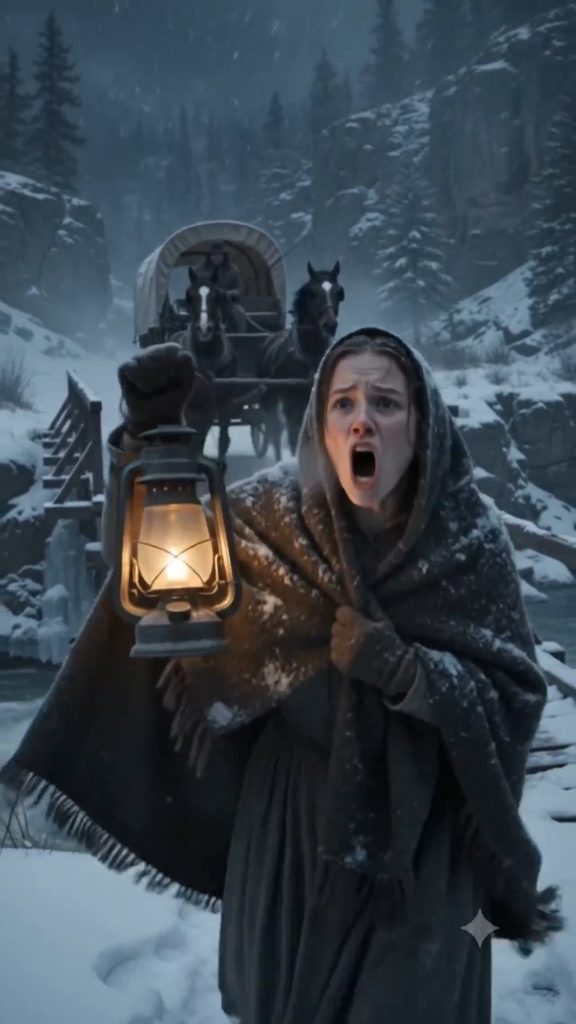
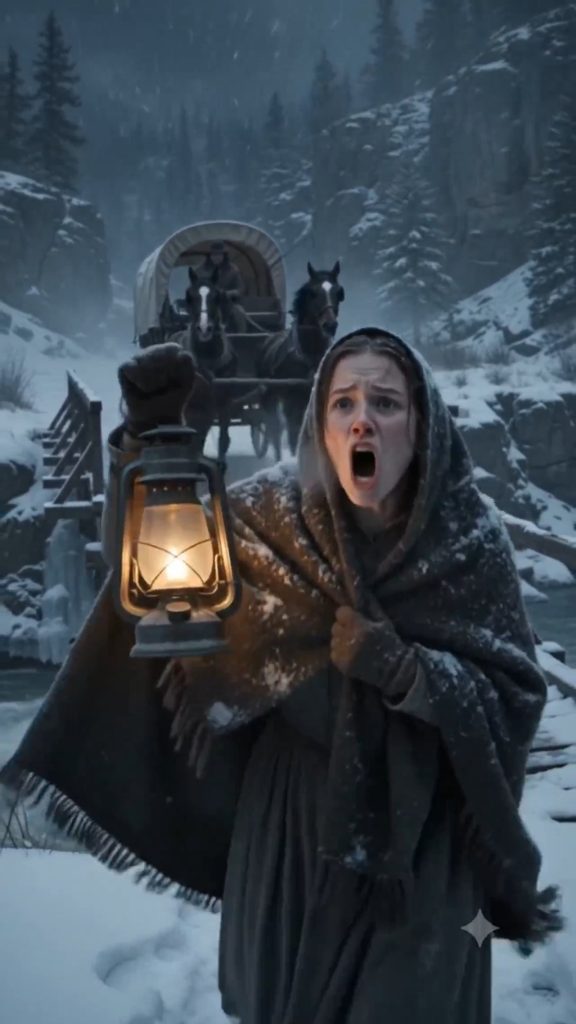
In the middle of a sub-zero Wyoming blizzard, I found the Canadian River timber bridge collapsed into the freezing rapids.
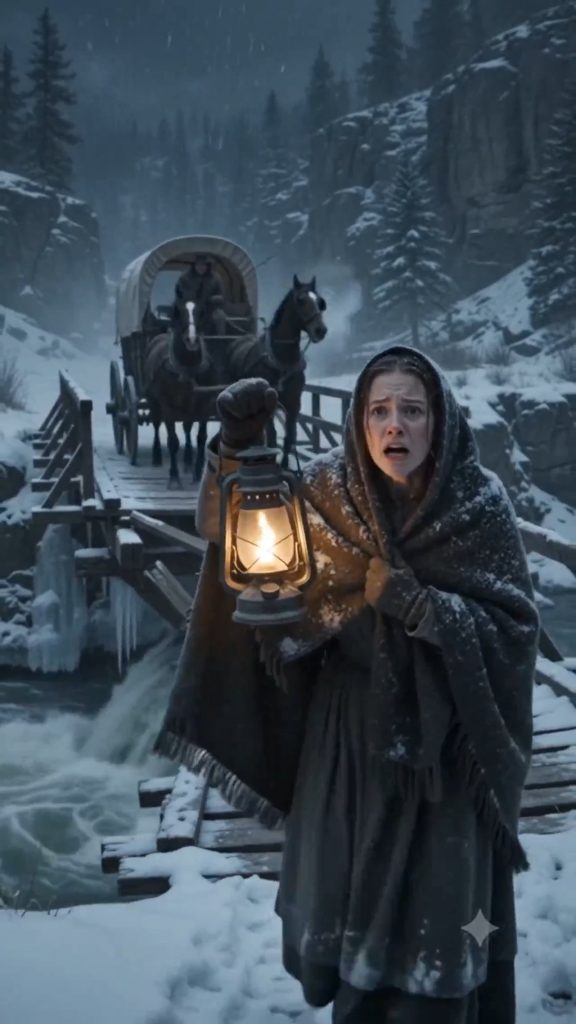






The coffee stand near the bridge repair site was a welcome oasis from the biting wind. Steam curled off my mug, warming my numb fingers. Julian O’Connell stood opposite me, his shoulders squared against the chill, watching the heavy equipment move below. The constant clang of steel on rock echoed in the valley.
He turned, a faint smile playing on his lips. “It’s good to see you again, Ellen. Better circumstances this time.”
“Agreed,” I said, forcing a small smile. “Thank you for meeting me. Is the bridge repair going to schedule?”
“As much as can be expected with this weather,” he replied. “But that’s not why I asked to meet, is it?”
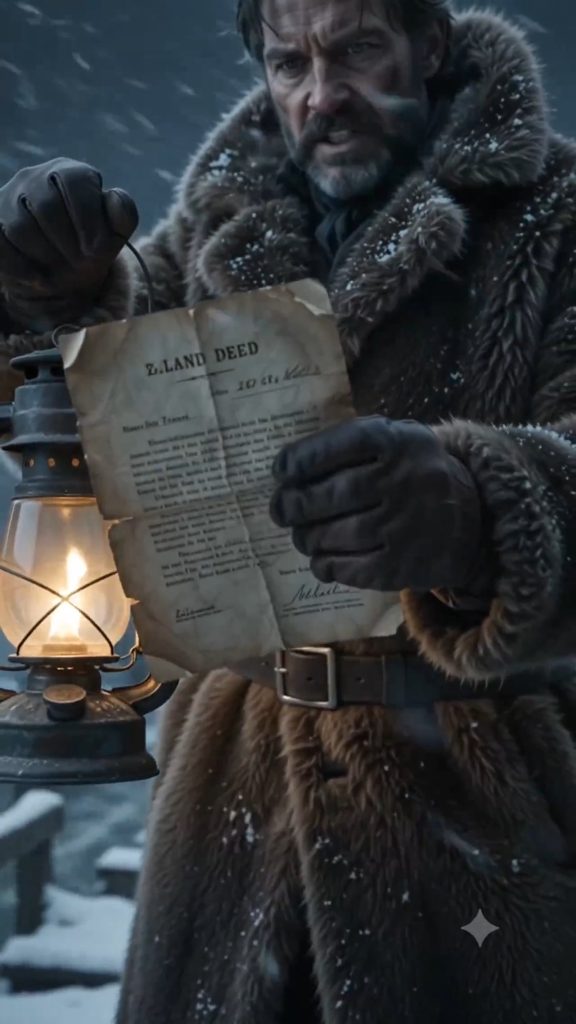
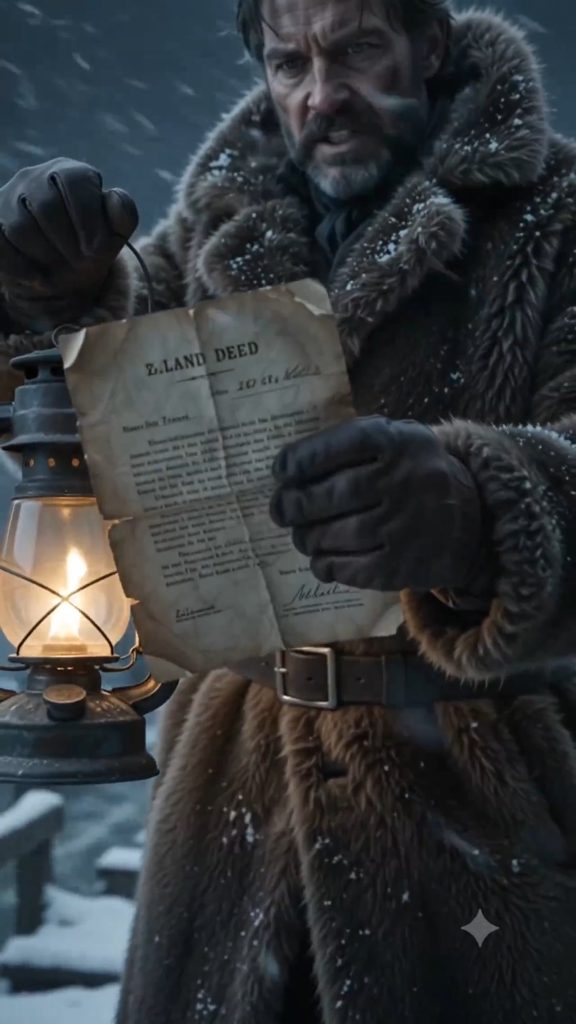
He reached into the inner pocket of his heavy coat and pulled out a folded, yellowed newspaper clipping. He handed it to me. My fingers brushed his, a brief spark in the cold air, but I quickly focused on the paper.
The headline, dated 2012, blared: “CROFT DEVELOPMENT COLLAPSES: MILLIONS IN UNPAID DEBTS.”
Below it, a blurry photo showed a man I recognized instantly as my father, his face grim. Next to him, a much younger version of myself, my hair pulled back in a tight ponytail, looking scared and defiant.
My throat went dry. My hands trembled slightly, and I gripped the coffee mug tighter to hide it. I looked up at Julian, my mask of composure threatening to crack.
“Ellen Croft,” he said softly, his eyes steady on mine. “Daughter of David Croft, the developer who fled Colorado with $3 million in unpaid contractor debts.”
A cold dread spread through me. It wasn’t just the name; it was the entire history, laid bare. I felt exposed, stripped down to the raw fear I had lived with for twelve years.
“How… how did you know?” My voice was barely a whisper.
“I didn’t, at first,” he admitted, his gaze kind. “When I was brought in for the initial land research on the valley project, I stumbled upon some old land records. Your maiden name, Croft, was tied to some historical water rights in the area, dating back to the 1890s. Purely out of professional curiosity, I cross-referenced it with state archives. That’s when I found the bankruptcy files, and eventually, this.” He gestured to the clipping in my hand.
He saw the fear in my eyes, the way I clenched my jaw.
“I have no interest in exposing you, Ellen,” Julian said, his voice firm and reassuring. “My work is about structural integrity and environmental impact, nothing else. Your past identity is not relevant to the Canadian River Valley project.”
I stared at him, trying to read his expression, searching for any hint of judgment or manipulation. There was none, only a quiet understanding.
“And speaking of the project,” he continued, leaning slightly closer, his voice dropping, “my structural report is going to be… less than favorable for Mark. The soil instability along the riverbanks is severe, far worse than anything outlined in the initial proposals. There are active geological faults that make any large-scale construction incredibly risky. It will almost certainly stall, if not completely halt, his resort plans.”
A wave of relief, unexpected and profound, washed over me. Mark’s project, the one he was so desperate to fund, was likely dead in the water. But it was quickly overshadowed by a fresh surge of fear. Julian knew my secret. He held the key to destroying the new life I had painstakingly built.
“I understand,” I managed to say, folding the clipping back into a neat square. My hand still trembled slightly, though. “Thank you, Julian.”
He just nodded, his gaze lingering on my face. “Just be careful, Ellen. I get the sense there’s more at play here than just land and water rights.”
I tucked the clipping into my coat, feeling the ghost of its secret against my skin. The cold air suddenly felt sharper, and the clang of the heavy machinery seemed to underscore the precariousness of everything around me.
More Stories





+ There are no comments
Add yours