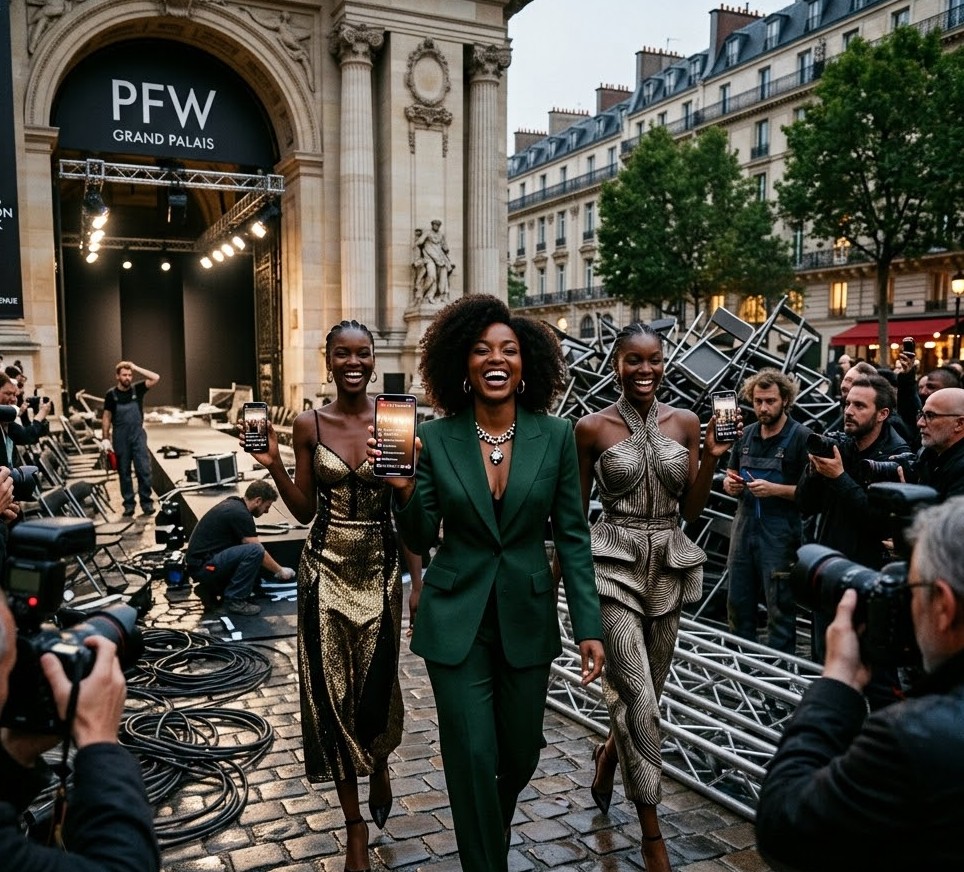
When a 67-Year-Old Master Ghanaian Seamstress Is Relegated to an Unpaid Intern Before a $20 Million Paris Runway Show, She Triggers an Ancestral Retaliation That Destroys the Brand but Traps Her He...
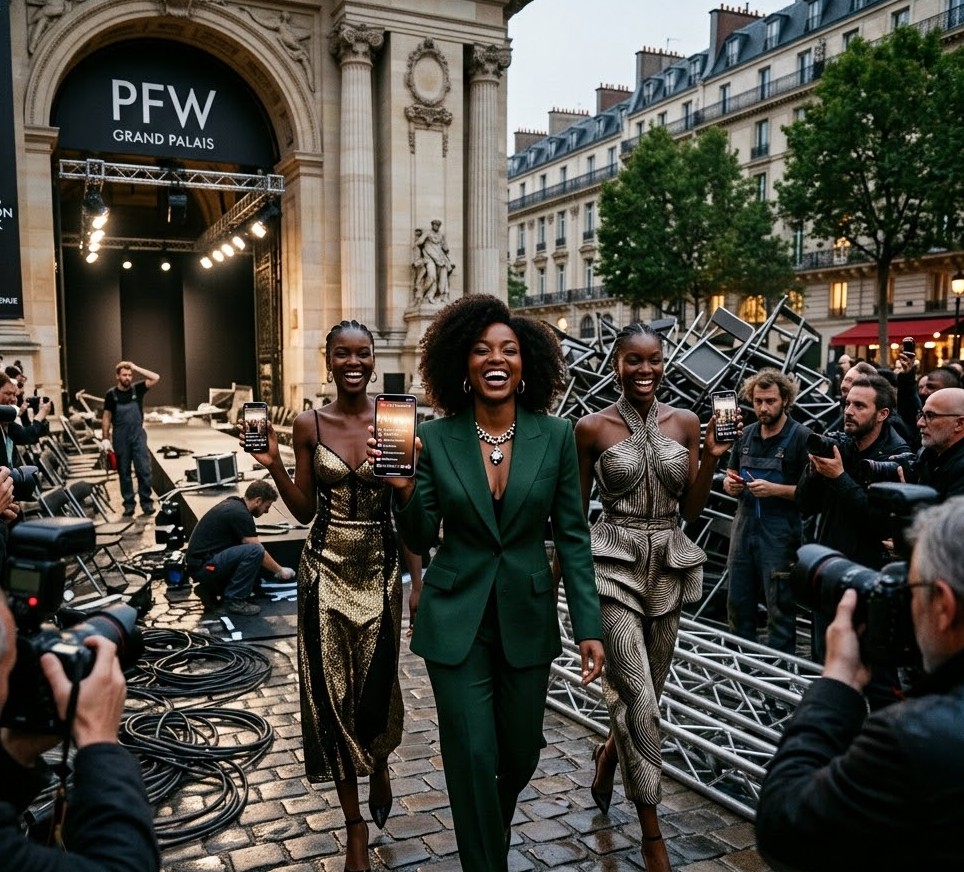
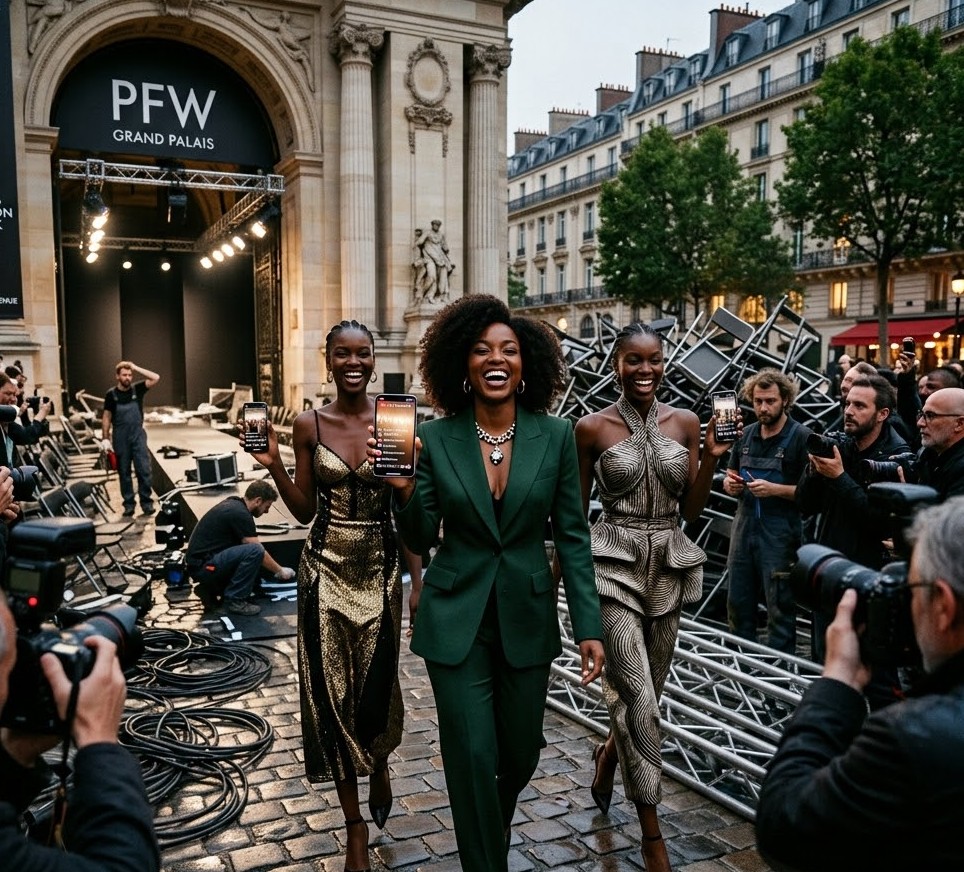


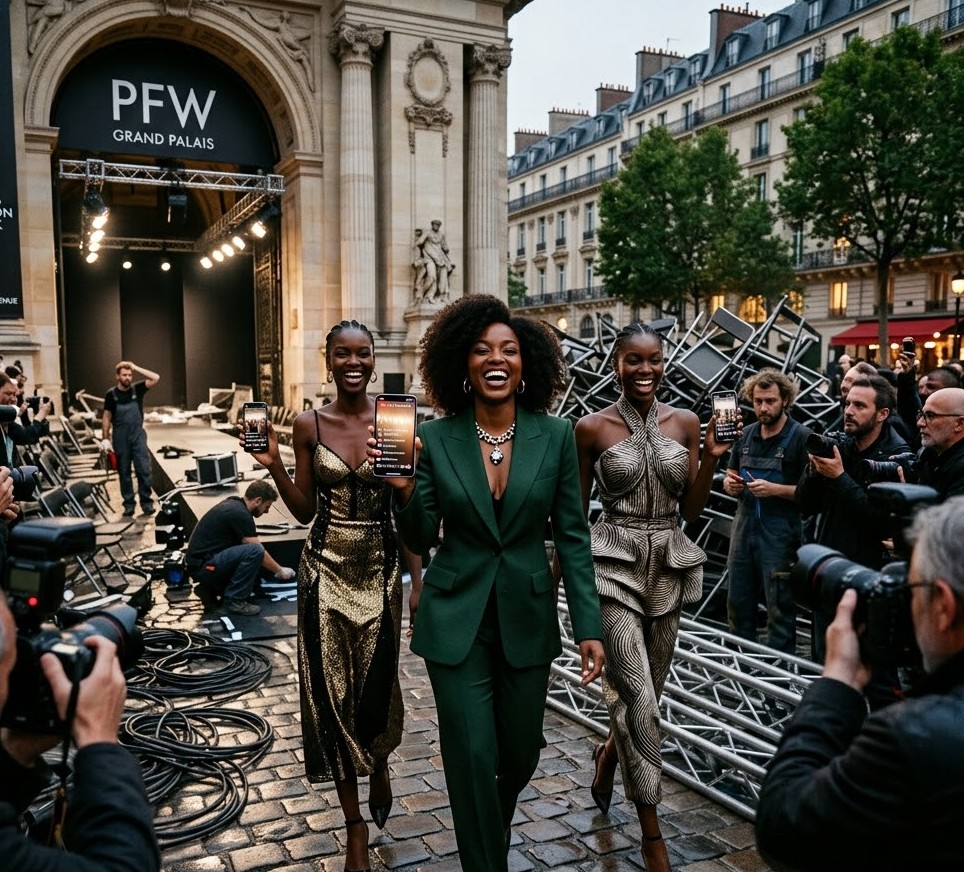


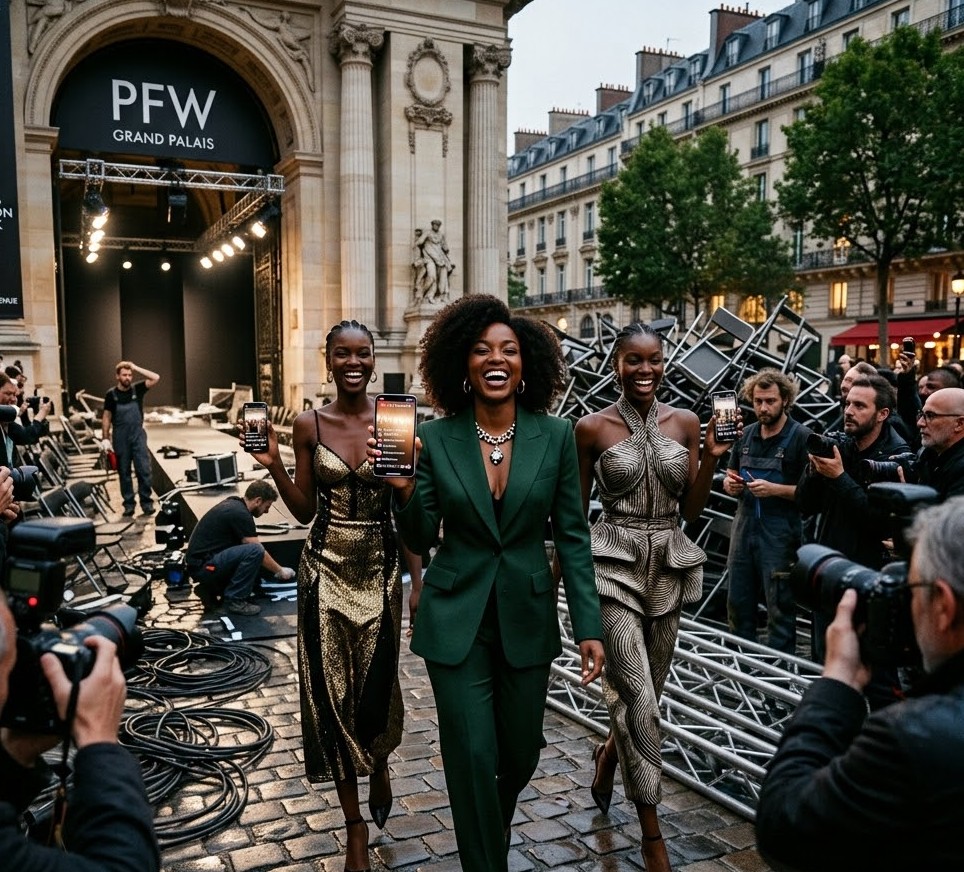


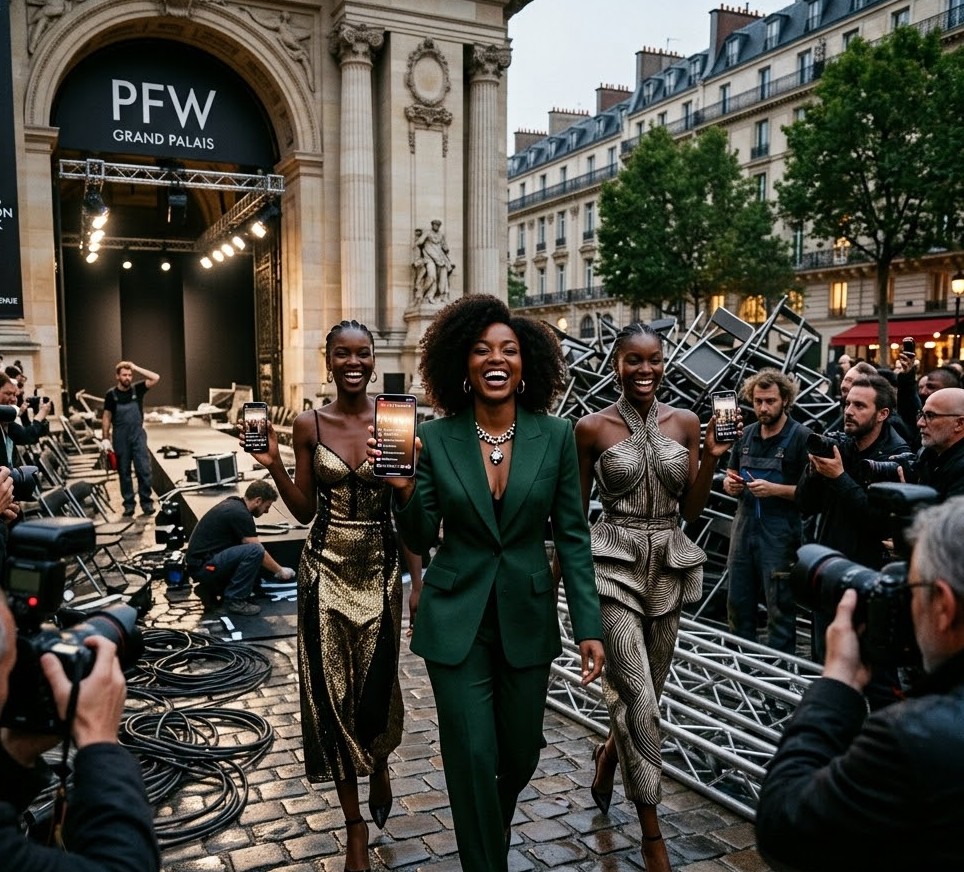
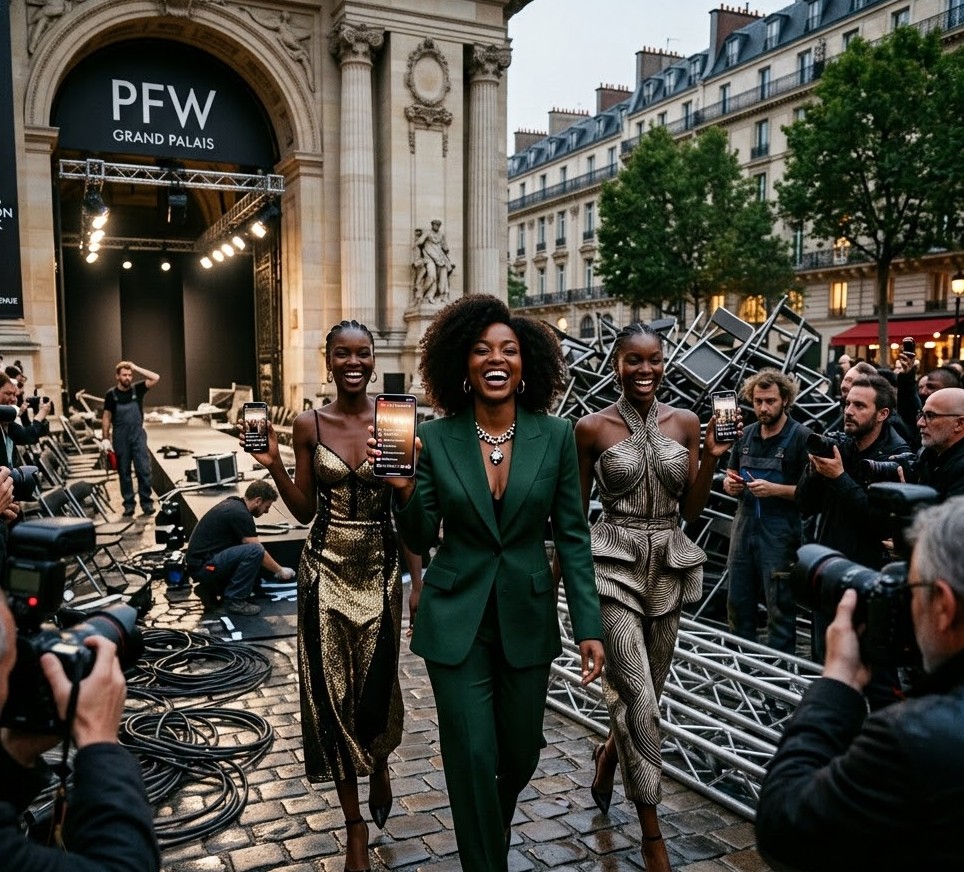
The backstage area of Maison Vaneau was a symphony of controlled chaos. Hairdryers hummed, makeup artists dabbed, and dressers moved with practiced efficiency around racks of exquisite garments. I stood near a quiet corner, watching the models, mostly young Black women, get ready. Their faces were impassive, professional, but I saw the spark of recognition in some of their eyes as they slipped into my designs.
I approached a small group, waiting for their turn in the styling chair.
“Excuse me, ladies,” I said, my voice cutting through the hum. They turned, surprised to see me, the “intern,” speaking to them.
“My name is Amara Mensah,” I continued, meeting each gaze. “And these garments you wear… they are more than just fabric and thread.”
A young woman, her hair pulled back in a sleek bun, shifted uncomfortably. “We know, ma’am. They’re beautiful. Very intricate.”
“Intricate, yes,” I agreed, a small smile touching my lips. “But they also carry stories. Ancestral stories.”
I reached out, my fingers tracing the metallic indigo thread on the bodice of a gown one model was wearing. The pattern, a series of interlocking spirals, was a representation of Sankofa, the Akan symbol of learning from the past to build the future.
“This,” I whispered, “is Sankofa. It means, ‘go back and get it.’ Go back and reclaim what was lost.”
Their eyes widened slightly. This was not the usual backstage chatter about lighting and cues.
“Each symbol, each color,” I explained, moving from one garment to another, pointing out specific patterns. “The Adinkra symbols of wisdom, humility, strength. The Nkyinkyim pattern, showing the winding path of life, the resilience of our spirit.”
I spoke softly, but my words carried the weight of generations. I wasn’t just talking about fashion; I was talking about legacy, about identity.
“This is not simply a collection, darlings,” I told them, my gaze sweeping over their faces. “This is a prayer. A message. A shield.”
Another model, tall and regal, nodded slowly. “We wondered,” she murmured. “They feel… different.”
“They are different,” I affirmed. “They carry the spirit of our ancestors, the strength of their journey, the wisdom of our traditions.”
I looked directly at them, making sure each one understood. “And tonight, when you walk, you don’t just wear beautiful clothes. You walk with the weight of our history. You carry our spirit. You carry our truth.”
A quiet understanding settled over the group. The professional masks softened. I saw a flicker of pride, a deeper connection to the garments they were about to present. It was a silent, powerful solidarity, forged not through words of rebellion, but through shared heritage.
No one spoke. But I knew, by the way their shoulders squared and their chins lifted, that a seed had been planted. They would not just be models tonight. They would be messengers.
More Stories










+ There are no comments
Add yours