
Fifteen-Year-Old Nigerian-American Coder Malik Okafor Hacks AfroPulse Central Servers to Wipe $14 Million in Stolen Community Biometric Data While Facing Shadowy Tech Mogul Julian Bako in Atlanta


The following days were a whirlwind. My phone buzzed with interview requests I couldn’t grant, messages from concerned friends, and even threats from anonymous accounts. But mostly, it was a wave of support. The diaspora had mobilized.
Tunde, my father, walked around with a new kind of focused energy. He didn’t understand all the “computer magic,” as he called it, but he understood injustice. He understood community.
“They cannot take our faces,” he said to me one morning, sitting at our kitchen table, a half-eaten bowl of cereal in front of him. “It is who we are.”
He’d already been on the phone with other local Nigerian business owners, tailoring shop owners, restaurant proprietors, import-export managers. He was furious about the privacy breach, but more than that, he was offended by the betrayal of trust.
“We need to hit them where it hurts the most, Papa,” I told him, scrolling through the latest AfroPulse stock valuation on my laptop. It looked like a cliff dive.
“Money,” he said, nodding slowly. “They value only money.”
The idea was simple: an organized boycott of AfroPulse’s major sponsors. These weren’t just faceless corporations; many were businesses that marketed directly to the diaspora, companies that relied on AfroPulse’s reach into our community.
We started small. I drafted a petition online, detailing the biometric data harvesting and linking to the evidence I’d leaked. Tunde took physical copies to the local markets, gathering signatures from the elders and small business owners who used AfroPulse to connect with their customers.
Mrs. Adebayo, who ran the best Ghanaian restaurant in West End, signed without hesitation. Mr. Obi, who imported fabrics from Lagos, added his name. They shared stories of how much AfroPulse meant to them, and how deeply Bako’s actions had wounded their trust.
“They betray us, Malik,” Mrs. Adebayo said, her voice tight with anger. “They use our faces to make money. We must show them we are not just numbers.”
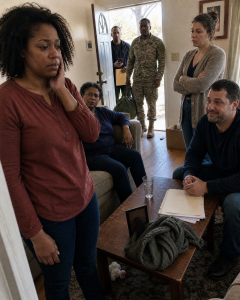
The petition quickly gained traction. On the digital front, the tech journalists who had amplified my initial leak pushed the boycott message. On the ground, Tunde and the other community leaders organized weekly meetings at the local cultural center, distributing flyers, talking face-to-face.
The pressure mounted. AfroPulse’s corporate sponsors began to feel the heat. A major telecommunications provider pulled its advertising. A popular remittances service followed suit. Then, a regional bank that offered small business loans to immigrants announced they were “re-evaluating their partnership.”
The impact was swift and brutal. Within a week, AfroPulse’s board announced a “temporary suspension of corporate trading” pending an internal investigation. Their stock was practically worthless.
Then, a new message popped up on my encrypted chat channel. It was from an anonymous account, but the sender ID was `Nia_B`. Nia Brooks. AfroPulse’s Head of Operations. The woman who initially shielded Bako.
`I’ve seen the reports, Malik. The board is in chaos. Bako is locking down his office. I need to know the full extent of this breach. I’m starting my own audit. Can you help me access his private files?`
I stared at the message. Nia Brooks. Bako’s trusted lieutenant. Was this a trap? Or was she genuinely alarmed, seeing the empire she’d helped build crumble around her?
My father walked in, his face tired but determined. “We made them listen, son. They are feeling our anger now.”
I looked at the message from Nia again. This was a chance, maybe the only chance, to get at Bako’s internal paper trail, the evidence that would truly seal his fate.
More Stories







+ There are no comments
Add yours