
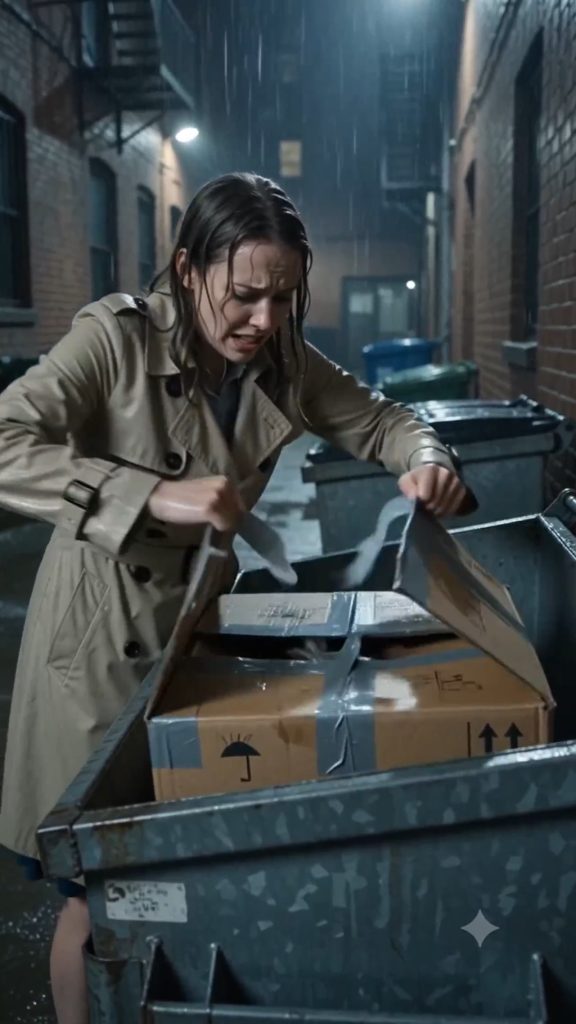
At 2:14 AM, I was taking out the trash behind the Philadelphia Municipal Annex when I heard a faint whimpering inside a sealed steel dumpster.







A steaming cup of black coffee appeared on the counter beside mine. A man in a tweed jacket, with kind eyes behind wire-rimmed glasses, settled onto the stool next to me. He held a newspaper open to the financial section, but his gaze drifted to the carrier under my table.
Howie let out a soft whine, and the man’s eyebrows rose. “Quiet little fellow you have there,” he murmured, his voice calm, reassuring.
“He’s been through a lot,” I said, a wave of protectiveness washing over me. “Found him behind City Hall.”
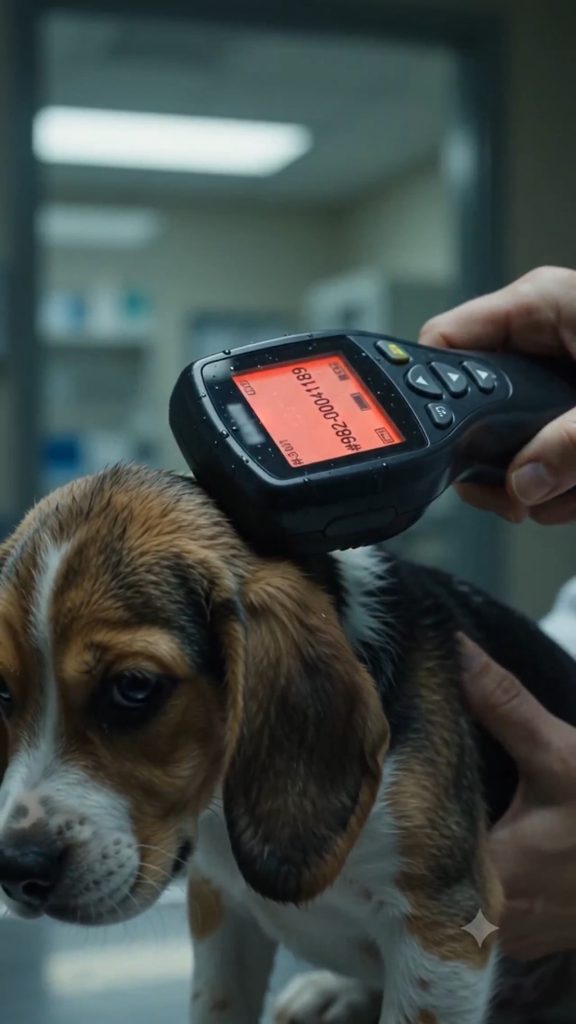
He nodded, then looked closer. “That ear tag,” he observed, leaning slightly. “Fluorescent yellow. And the way it’s crimped… is that a #982 series microchip, by any chance?”
My head snapped up. How could he know? “Yes, it is,” I admitted, a knot forming in my stomach.
“I thought so,” he said, turning back to his newspaper, but I could tell he was still listening intently. “Used to audit bio-compliance for the EPA, then federal contracts. Dr. Samuel O’Connell. That specific chip series, #982-000, is pretty distinctive.”
He paused, then added, “It’s exclusively for experimental lab animals. The ones subject to mandatory federal destruction protocols. Highly regulated, federally funded grants for disposal.”
My mind raced, connecting the dots that Hallowell had tried to erase. “What do you mean, ‘destruction protocols’?”
Samuel sighed, taking a sip of his coffee. “It means any animal with that tag, once its research cycle is complete, must be incinerated. Immediately. Safely. According to strict bio-hazard guidelines. Dumping one alive, especially in a municipal dumpster, is a major federal offense.”
My breath caught. “Is there… a reason someone would falsify incineration certificates?”
He closed his newspaper, turning to face me fully. His expression was serious. “Absolutely. To pocket the money allocated for the disposal. Federal grants for bio-incineration can be substantial. Millions, if you’re running a large enough operation, claiming to destroy hundreds, even thousands, of animals a year.”
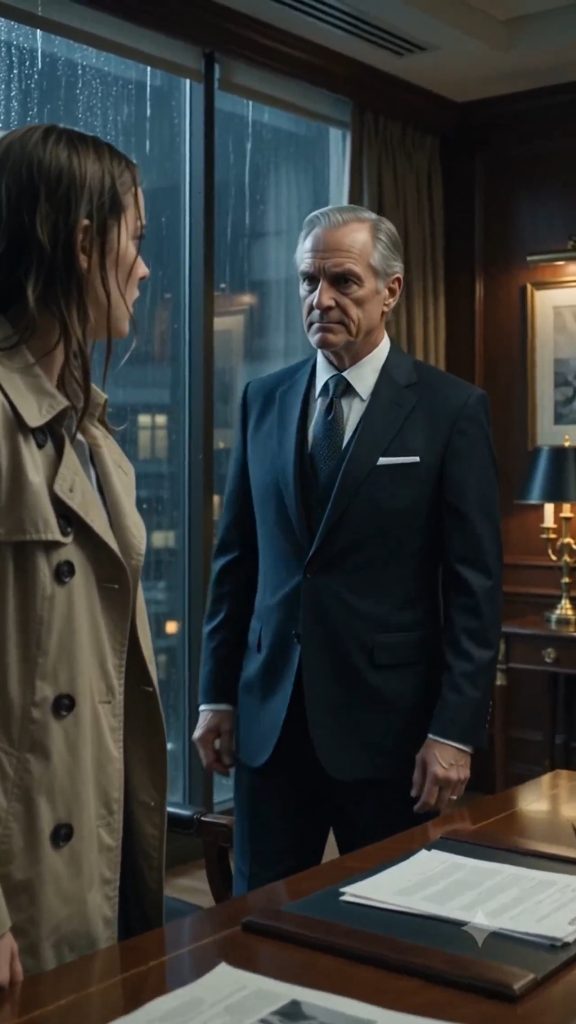
“Millions,” I repeated, the word tasting like rust. Hallowell’s sudden wealth, his expensive campaign, his new mayoral ambitions—it all clicked into place.
“I’ve seen it before,” Samuel continued, his gaze unwavering. “Politicians setting up shell corporations, claiming to handle hazardous waste, then just… cutting corners. Dumping live animals, disposing of bio-waste improperly, all while billing the city—and the federal government—millions for legitimate disposal.”
He gestured vaguely with his coffee cup. “I’ve chased codes like that one, #982-000. Each one represents a direct line to a federal grant. If your puppy was dumped alive, then someone in city government has been falsifying federal bio-incineration certificates to skim those municipal disposal grants. Probably around $3.8 million, based on what I recall for that specific grant cycle.”
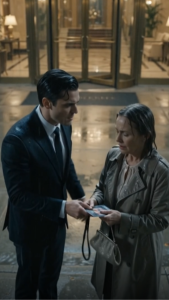
He pulled a small, worn notepad from his jacket pocket and scribbled something. “My number,” he said, pushing it across the counter. “I don’t know what you’re up against, but that chip isn’t just about a puppy. It’s about a criminal enterprise. And if you’re looking to do something about it, you’ll need someone who knows how to audit the paperwork.”
More Stories






+ There are no comments
Add yours