
My Surgeon Husband Demanded a Divorce for His Pregnant Fellow and Claimed He Built the Hospital—Until His Father Revealed My Estate Owns 85% of It

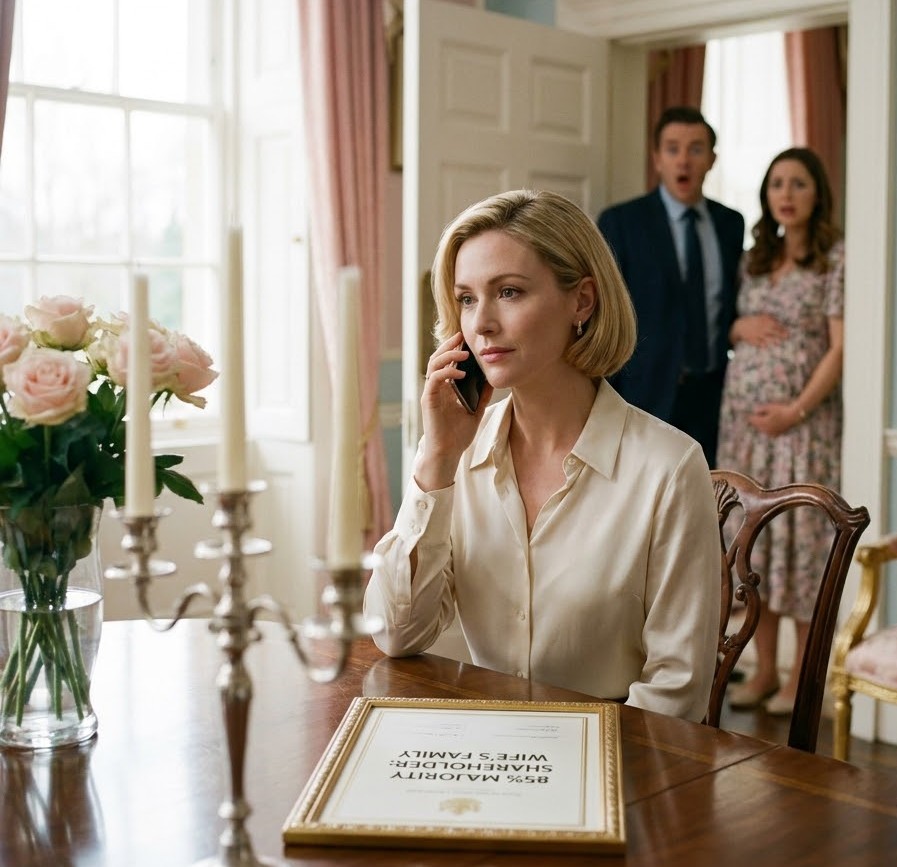
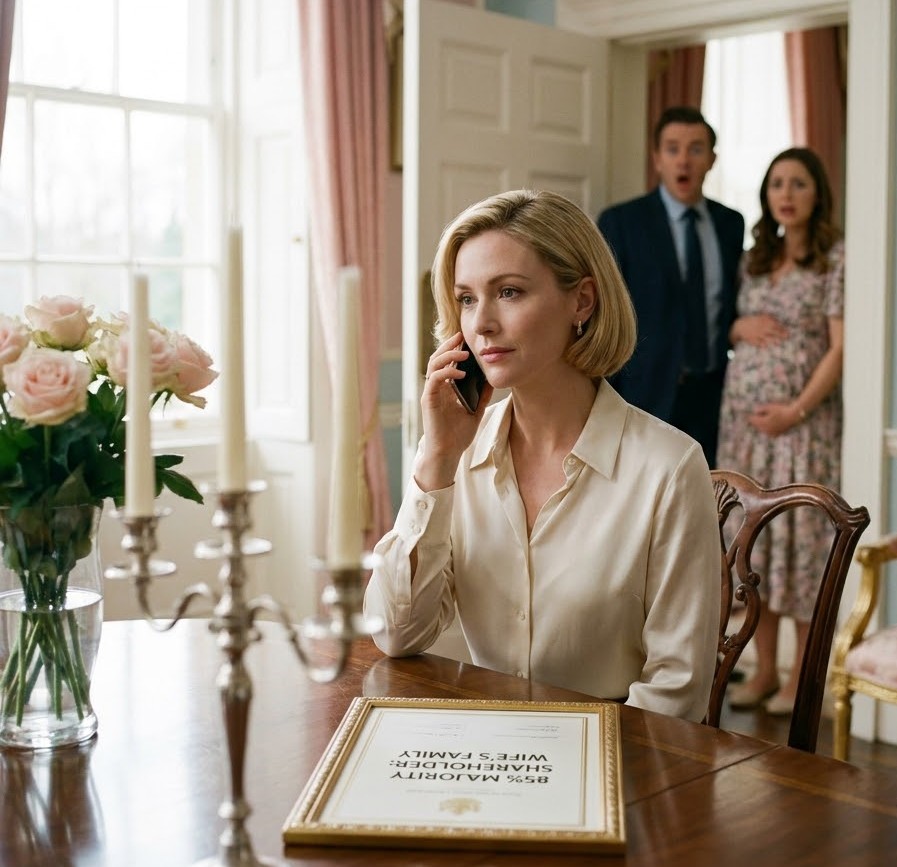
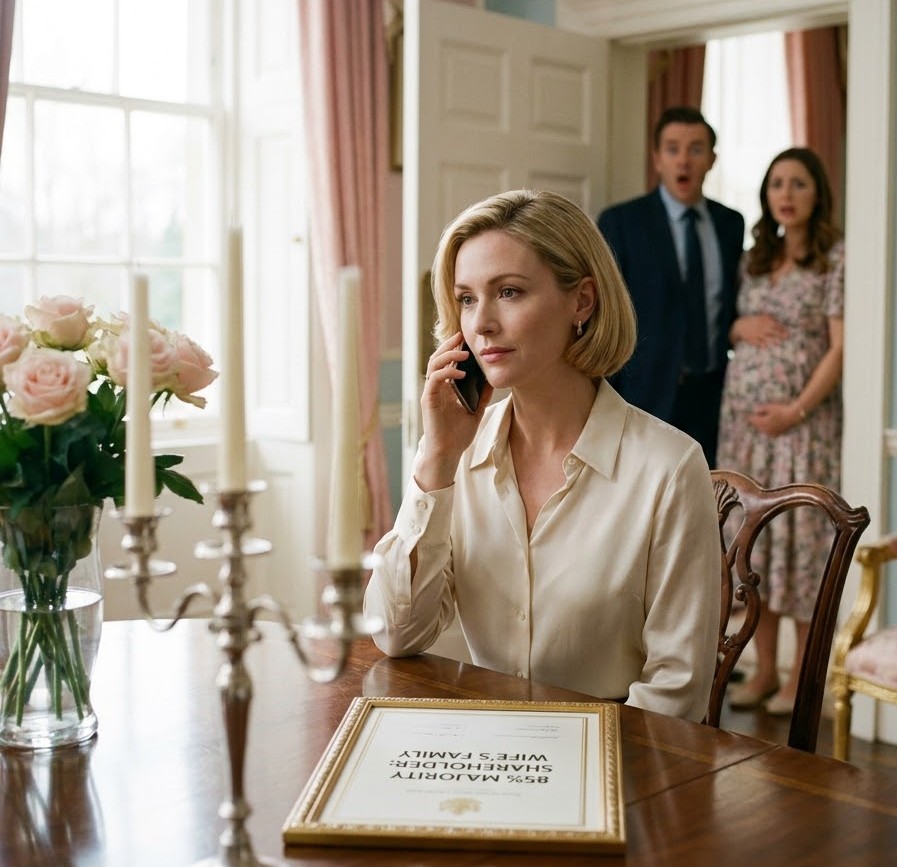

The next morning, Marcus and I met Sarah Chen, a former head clinical coordinator for Julian’s oncology trial, in a small, rented conference room on the outskirts of the city. Sarah had resigned from Oakridge abruptly two months ago, citing “personal reasons.” Now, her face was pale, her hands twisting in her lap.
“Thank you for doing this, Sarah,” I said, trying to keep my voice even. “It means a great deal.”
Marcus had set up a professional audio recorder on the table. “Just state your name, your former position, and confirm you understand this is a sworn deposition, to be used in potential legal proceedings.”
Sarah took a deep breath. “My name is Sarah Chen. I was the head clinical coordinator for Dr. Julian Danforth’s Phase 3 oncology drug trial at Oakridge Medical Center. Yes, I understand.”
“Sarah,” I began, my gaze steady on hers. “We have documents showing altered patient logs, specifically regarding neurological side effects. Can you confirm if these alterations were standard protocol?”
Sarah flinched. She looked at her hands, then at Marcus, then back to me. “No. No, they weren’t. Not at all.”
“Were you aware of these alterations?” Marcus prompted gently.
“Yes,” she whispered, her voice cracking. “Dr. Danforth… he instructed us to make them. Personally.”
My heart pounded. This was the direct, undeniable evidence I needed.
“Can you describe how these instructions were given?” I asked, my legal training kicking in.
“He would come into the data room,” Sarah recounted, her eyes unfocused, as if reliving the moments. “He’d look over the adverse event logs for the week. If there were too many, especially the neurological ones, he’d get agitated.”
She swallowed hard. “He’d say things like, ‘These patients are just overly sensitive,’ or ‘We need to reclassify this as non-compliance.’ He’d point to specific entries, usually the ones detailing headaches or dizziness, and tell us to change the official reason for the event.”
“Did he ever give a reason for these directives?” Marcus inquired, his recorder silently whirring.
“He said it was crucial for the upcoming corporate valuation review,” Sarah confirmed, her voice gaining a little strength. “He said the board needed to see a ‘clean safety profile’ for the drug, to demonstrate its market viability. He mentioned a specific figure… a $1.2 million valuation.”
The numbers aligned perfectly with what Marcus had discovered. Julian wasn’t just covering up; he was actively orchestrating a deceit.
“Did you ever push back?” I asked, picturing the pressure she must have been under.
Sarah nodded, a tear tracing a path down her cheek. “A few of us did. We tried to explain the ethical implications, the danger to patient lives. He just brushed us off. Said we were ‘overly dramatic’ and ‘didn’t understand the big picture.'”
“He threatened our jobs,” she added, her voice bitter. “Said if we didn’t comply, we’d be replaced. He said if this trial failed, it would ‘reflect poorly on everyone involved,’ including us.”
Her testimony was damning. Julian had leveraged his authority, silenced dissent, and knowingly put patients at risk for financial gain.
“When did you decide to resign, Sarah?” I asked, my voice barely a whisper.
“After a patient, a young woman, collapsed from severe vertigo and had to be hospitalized,” Sarah explained, wiping her eyes. “Her symptoms were directly linked to the drug, but Julian had instructed us to document it as ‘pre-existing neurological condition exacerbated by stress.’ I couldn’t do it anymore. I just couldn’t live with myself.”
She looked at me, her gaze desperate. “Please, Dr. Danforth, you have to do something. Those patients… they deserve to know the truth.”
I reached across the table and touched her hand. Her skin was cold. “You’ve done the hardest part, Sarah. Thank you.”
Marcus concluded the deposition, switching off the recorder. The silence that followed was heavy, filled with the weight of Sarah’s words.
Walking out into the afternoon sun, the world felt sharper, clearer. There was no turning back now. Julian’s actions weren’t just personal attacks against me; they were a profound betrayal of medical ethics. I had to act. I had to officially become a whistleblower, not just for my career, but for every patient whose trust Julian had shattered.
More Stories







+ There are no comments
Add yours