
Teenage Sister Uncovers Abusive Hospital Director Brother-in-Law's Digital Trail After Discovering Pregnant Sister's Brutal Bruises
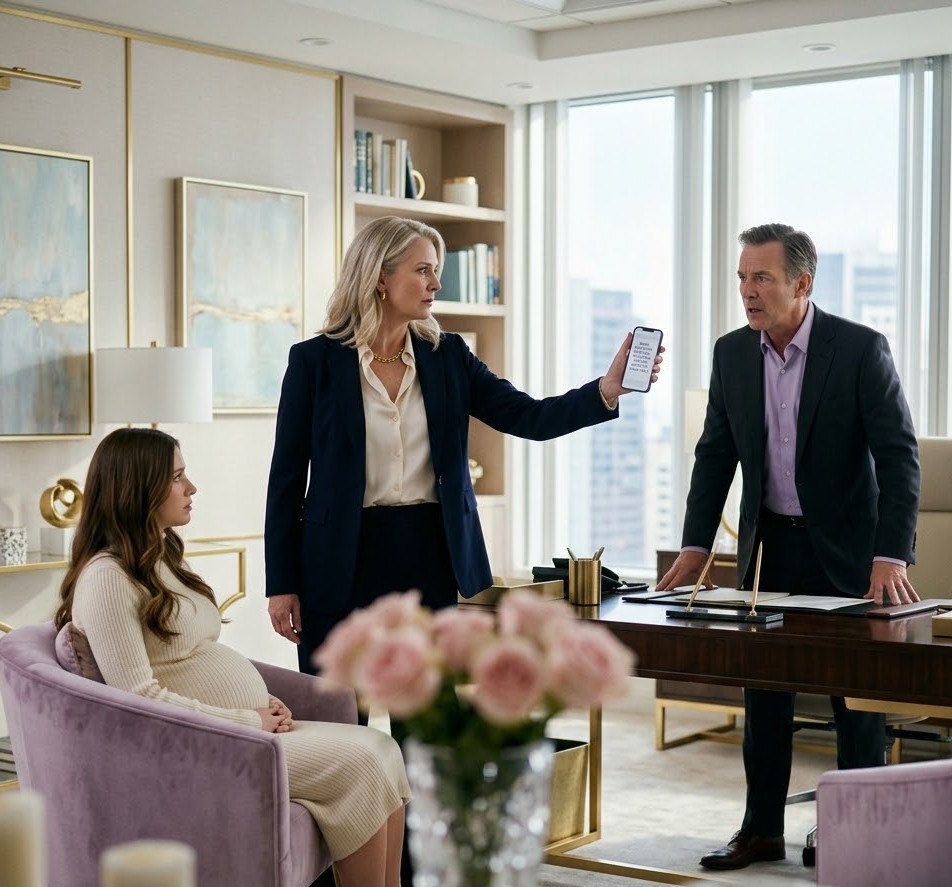
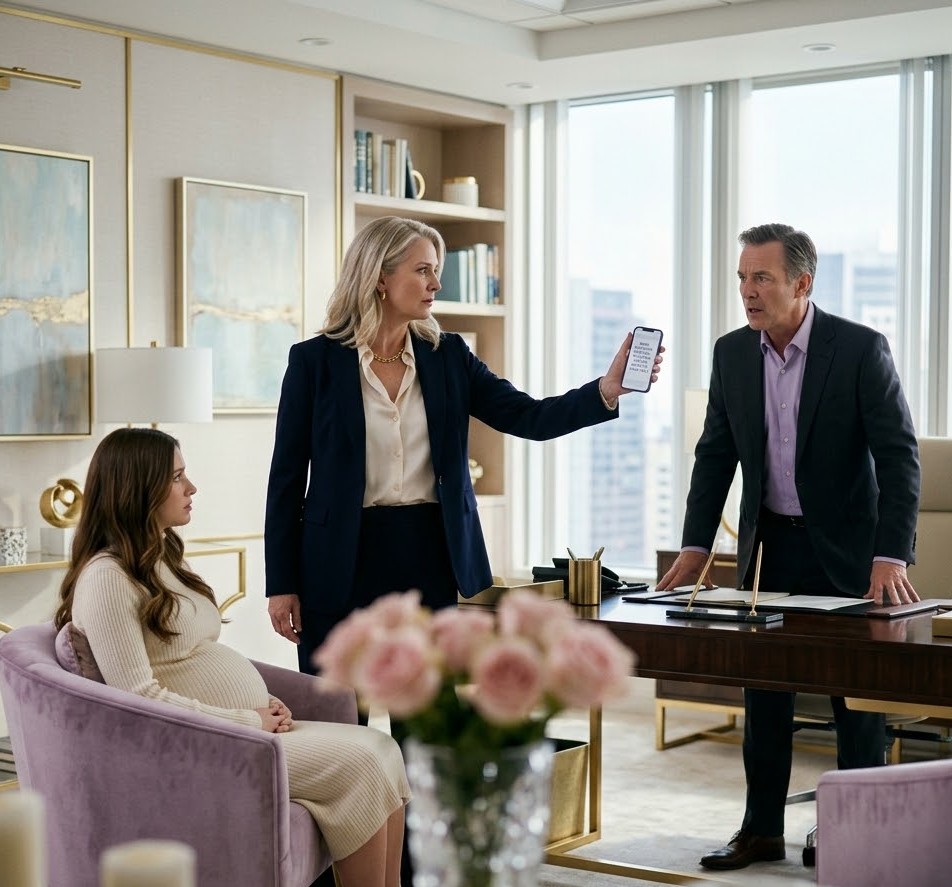

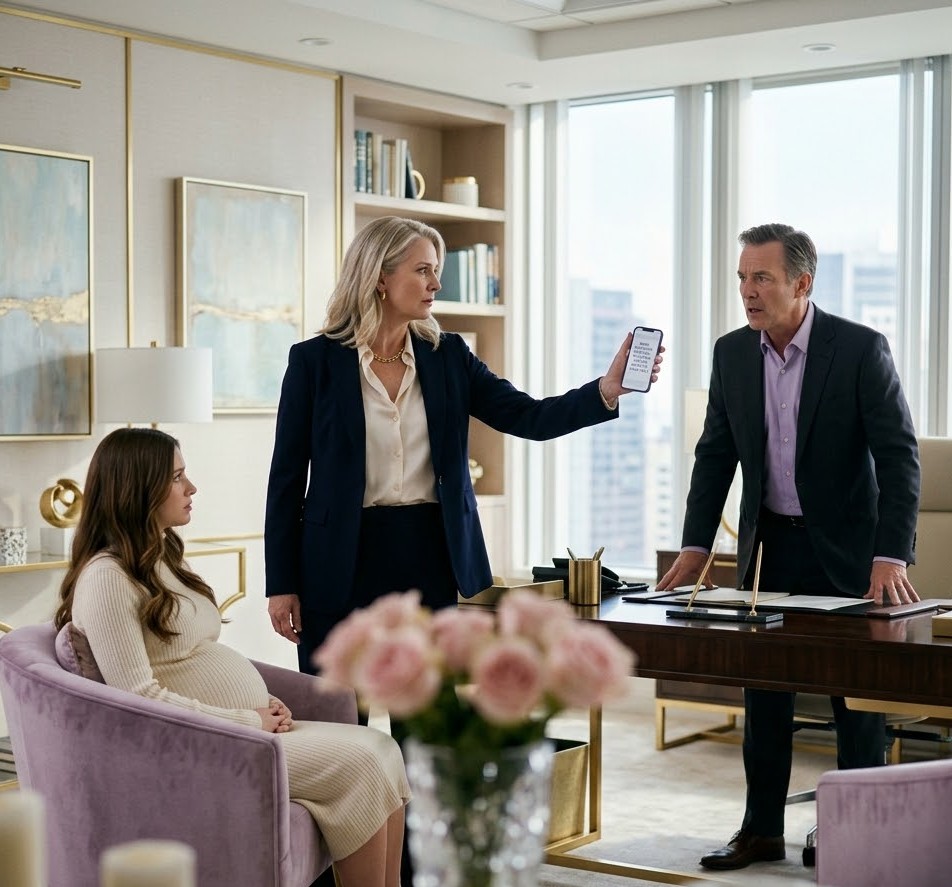
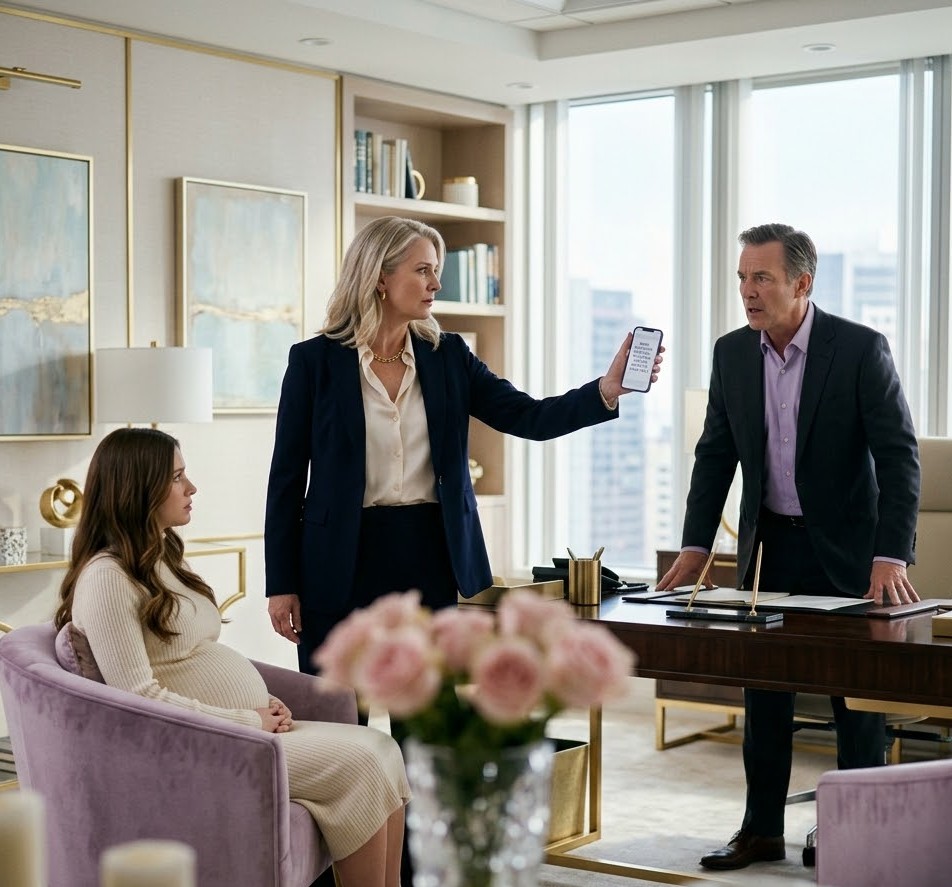
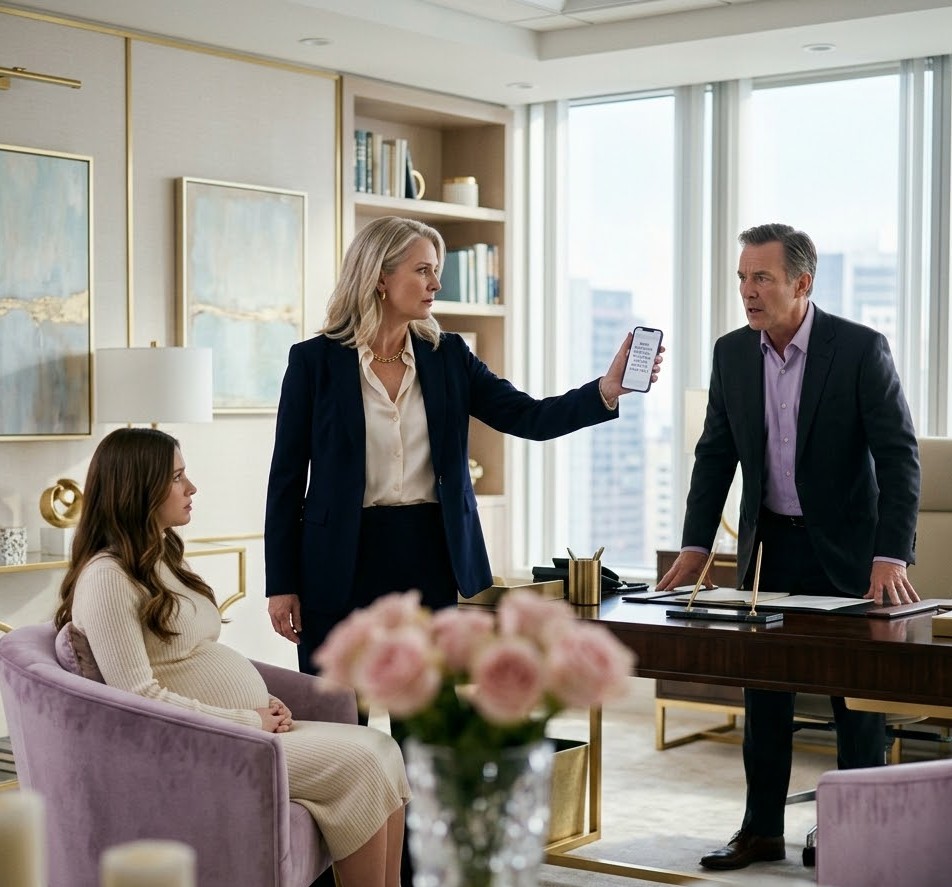
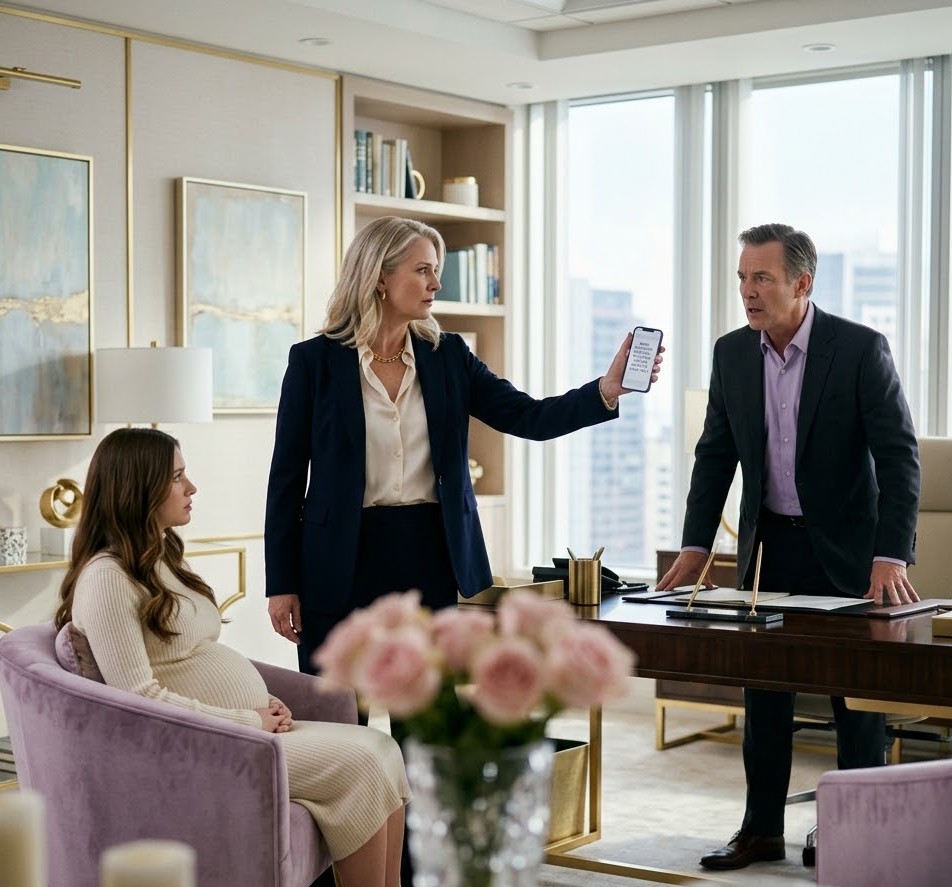
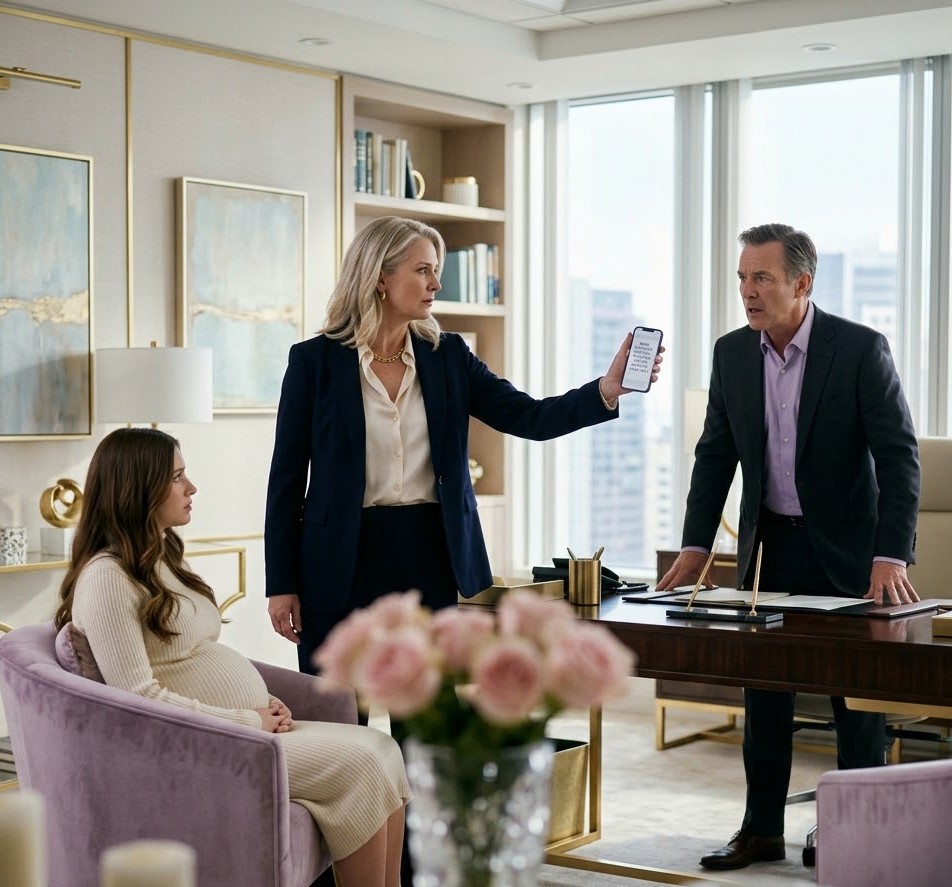


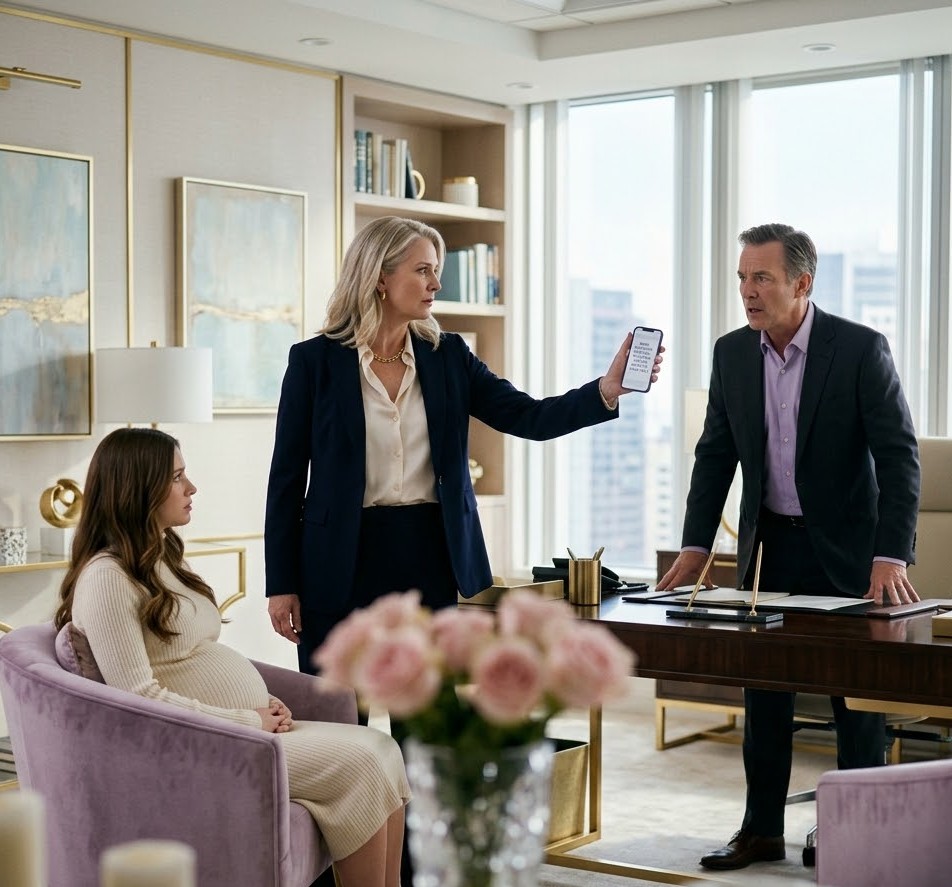
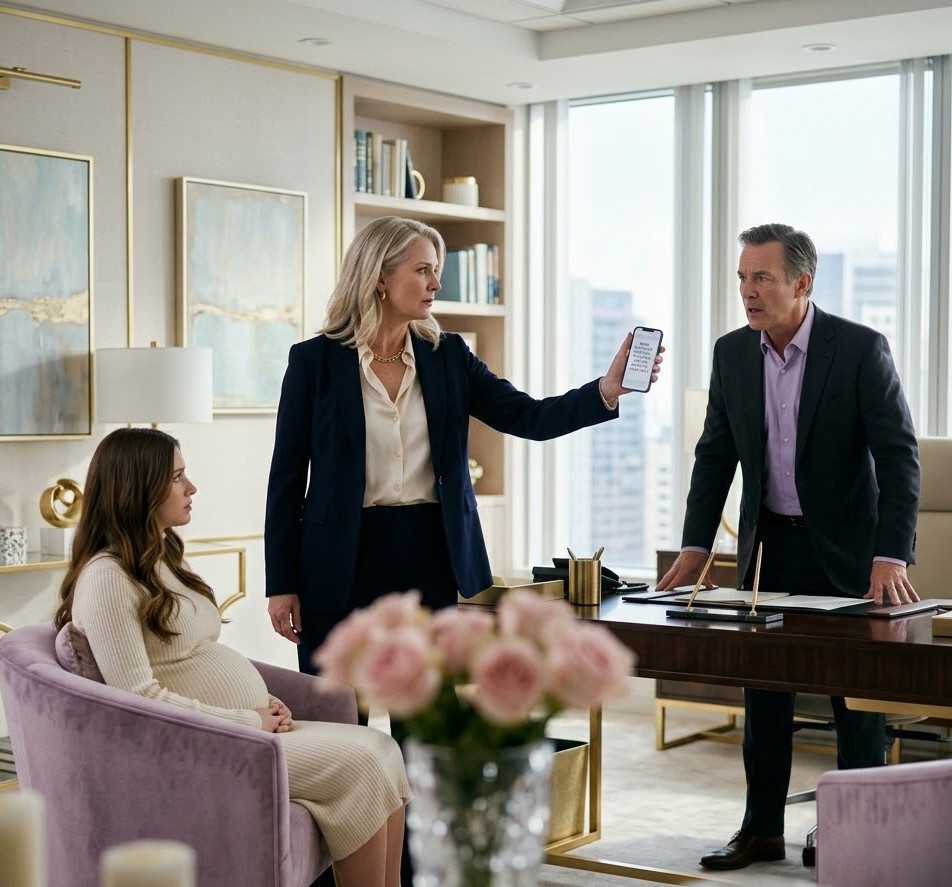
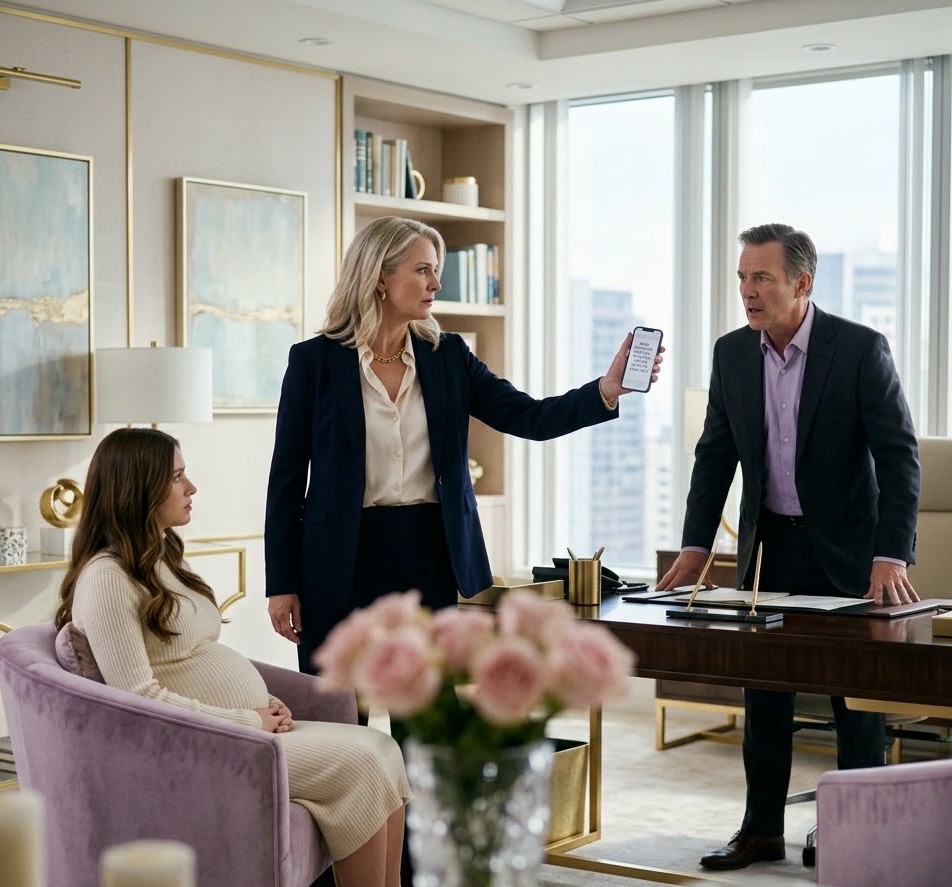

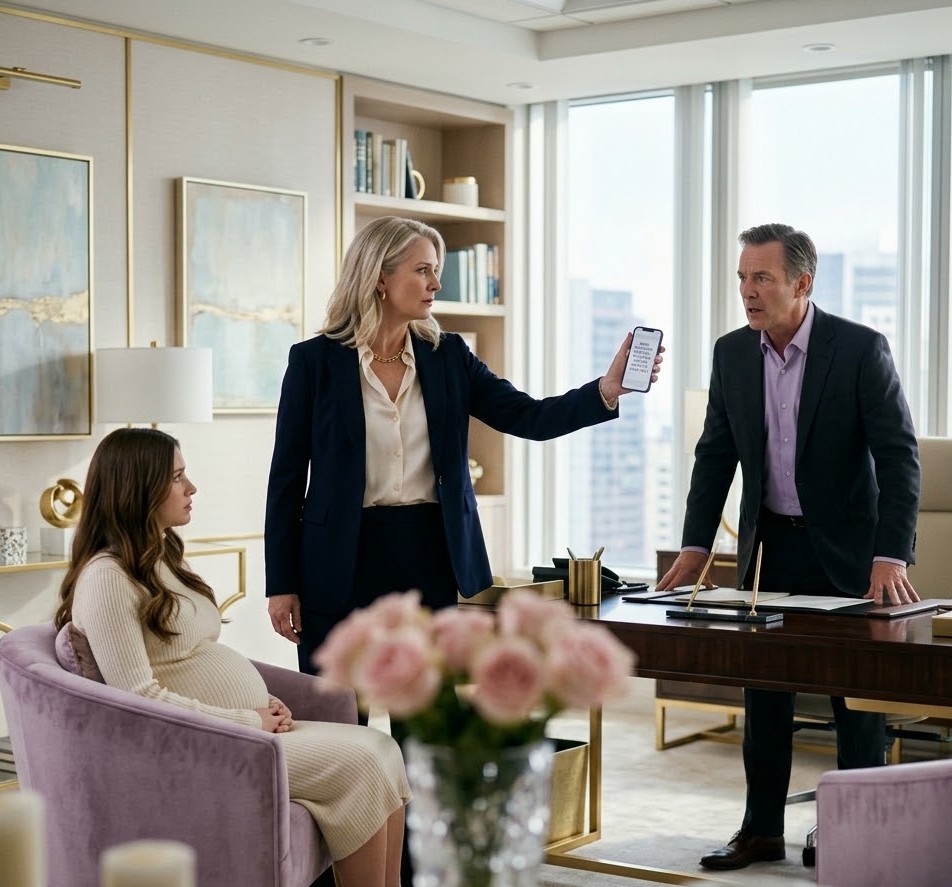

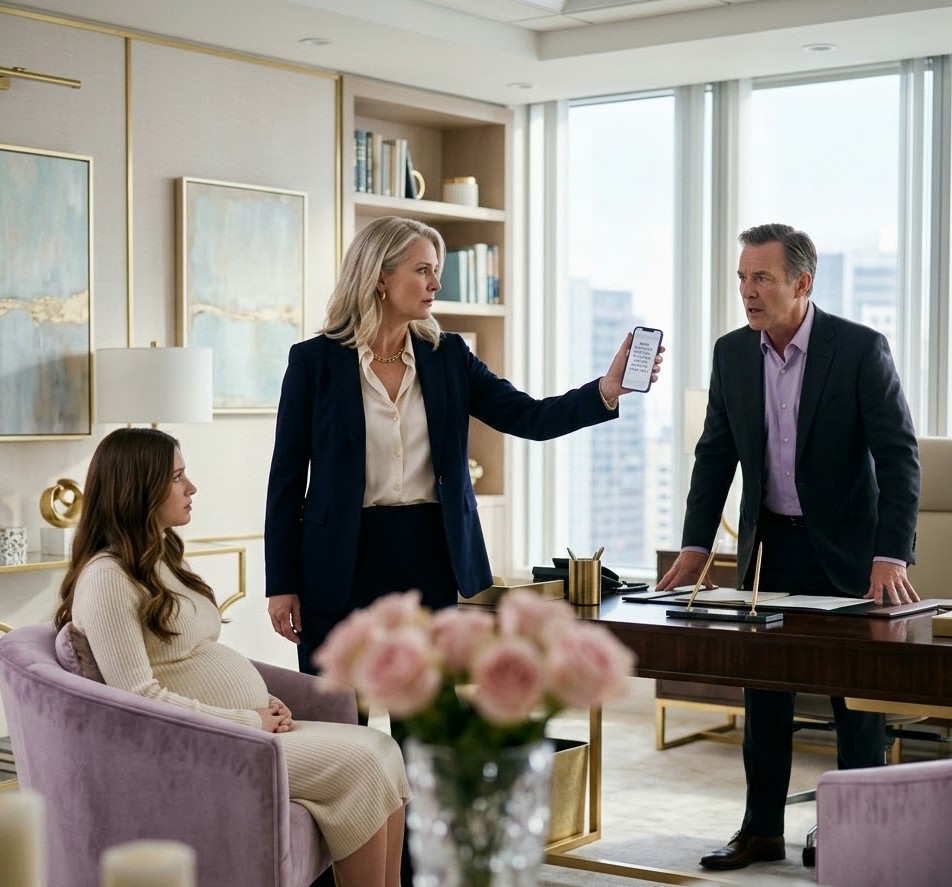



The next day, with Mia still lost in her terror and my parents still in denial, I knew I needed concrete proof. Whispers and accusations wouldn’t stand against Evan Caldwell, the esteemed hospital director. I needed something undeniable, something that came directly from Mia, but without her having to utter a single word.
My mind kept circling back to the framed wedding photo Mia had clutched. It was a memento of a past life, a past Mia. Perhaps there were other echoes of that past, hidden in plain sight. I remembered Mia’s old laptop, a bulky silver machine she rarely used anymore, usually tucked away in a corner of her desk. She’d gotten a new, sleek one a few years ago, but she kept the old one for “memories.”
I found it under a pile of old art books, dust coating its surface. I plugged it in, the old machine whirring to life with a familiar, slow groan. The desktop was cluttered with old photos, university essays, and forgotten documents. I began to search, hoping to find anything, a diary entry, an email, something that explained the slow, insidious unraveling of my sister.
My fingers flew across the keyboard, opening folders, scrolling through documents. Most of it was mundane: old school projects, vacation pictures, recipes. But then, I stumbled upon a folder simply labeled “Work.” It seemed innocuous enough, given Mia’s occasional freelance design projects before her pregnancy. My pulse quickened. Mia had always kept her work files meticulously organized.
I clicked on it, but a password prompt appeared. My heart sank. Of course. Evan’s influence had been so pervasive, even her digital life was locked away. I tried common passwords: her birthday, Evan’s birthday, our family surname. Nothing worked.
I sat there for a long time, staring at the screen, a wall blocking my path. My initial surge of hope began to dwindle, replaced by a growing sense of frustration and helplessness. How could I find the truth if everything was locked away, guarded by an invisible barrier? It was another layer of Evan’s control, extending even to Mia’s forgotten digital footprint.
I remembered Mia’s careful nature. She was fastidious, hated clutter, especially digital clutter. The fact that this specific folder was password-protected, while most of her other old files were open, seemed significant. It suggested there was something in it she wanted to protect, something she wanted to keep hidden.
I tried again, typing in random dates and words, but the “incorrect password” message flashed repeatedly, mocking my efforts. The laptop hummed, a low, constant drone, as if privy to secrets I couldn’t access. The screen reflected my frustrated face, a desperate silhouette against the harsh blue light.
My eyes scanned the desktop again, searching for any clue, any hint. There was a single, faded photograph pinned to the corner of the screen: a picture of Mia and me when we were little, building a sandcastle on a beach. Mia was laughing, her hair wild, her eyes bright and carefree. That Mia, I thought, was gone, buried under layers of fear and abuse.
The thought sparked something in my memory. Mia always had a sentimental streak, especially for things from our childhood, for things connected to our shared history. Her passwords were never complicated; they were always something personal, something tied to emotion or memory.
I leaned back, taking a deep breath, trying to clear my head. What would Mia consider “work” that needed such protection, yet was also deeply personal? It wasn’t her freelance design, because those files were scattered across other, unprotected folders. This was different. This was *her* work, the work of her heart and mind.
I closed my eyes, picturing Mia before Evan, before the darkness descended. I thought of our shared secrets, our inside jokes, the small, specific things only sisters would know. It wasn’t a birthday, or a name. It was something more subtle, more hidden, like the pain she now carried.
Then, a thought, a faint whisper from a forgotten conversation. Mia had once joked about how she poured her heart into her “private projects,” calling them her “real work.” She’d even mentioned keeping a digital journal, years ago, when she was struggling with something else, something much smaller.
I typed in “Mia’sHeart.” Incorrect. “MyTrueSelf.” Incorrect. I was grasping at straws, feeling the familiar burn of tears welling in my eyes. The laptop hummed on, indifferent. It was another barrier, another piece of the puzzle I couldn’t solve, another instance of Evan’s insidious power extending into every corner of Mia’s life, even her digital past. It was a new, subtle cruelty: her own efforts to document her pain, locked away from the person trying to save her.
I was about to give up, to close the laptop and admit defeat, when a tiny, almost insignificant detail registered. Below the password prompt, in much smaller, fainter text, was a hint, one I hadn’t noticed before: “What was your first project?”
My first project? That wasn’t a question Mia would answer with a simple professional title. It had to be personal. My mind raced back to our childhood, to our earliest dreams, our innocent ambitions. Mia, even as a little girl, had always loved to draw, to create. Her “first project,” her true passion, had always been tied to art. She wanted to be a designer. She had even designed a small, hand-stitched sampler for Olenka, an intricate Ukrainian pattern.
A flicker of an idea ignited. Her very first ‘design’ was always a joke between us, because it was so bad. A misshapen, brightly colored bird that was supposed to be a phoenix. She had called it her “Firebird Project.”
With a sudden burst of adrenaline, I typed it in, capital letters and all: “FirebirdProject.”
The screen flickered.
Then, with a soft click, the folder opened.
My breath hitched. Inside were not design files, but a trove of documents labeled “Journal Entry” and “Email Draft.” My fingers trembled as I scrolled through them. These were not casual notes. These were Mia’s unsent emails, her fragmented journal entries, raw and unfiltered. They detailed Evan’s escalating verbal abuse, his gaslighting tactics, his chilling threats, twisting her reality until she questioned her own sanity. They were the echoes of a past Mia, crying out for help, trapped in a digital prison.
I clicked on the first entry, my eyes scanning the lines, and the horrifying truth unfurled before me. Mia, under the guise of an unsent email to a fictional friend, detailed an incident where Evan had casually broken a cherished ceramic vase—a gift from our grandmother—and then blamed Mia for leaving it “precariously” close to the edge. He then made her apologize to him for her “clumsiness.” It was a specific, petty cruelty, a deliberate act of destruction followed by gaslighting, designed to make her doubt her own perception and feel like she was always at fault.
Another entry detailed his subtle belittling of her Ukrainian heritage, how he’d “joke” about her family’s “quaint” traditions, always with that charming smile, always making her feel small and unsophisticated. He often compared her cooking to his “sophisticated” restaurant choices, making her feel inadequate. It was a consistent, quiet erosion of her self-worth.
The words blurred through my tears. This was it. This was Mia’s hidden world, the truth of her suffering, laid bare. It wasn’t the definitive, airtight proof Detective Morales would demand, not yet. There were no dates, no direct names, just fragmented accounts of emotional torment. But it was a window into her soul, a confirmation of the insidious abuse that had slowly stolen her light. It was a starting point, a desperate, silent plea from the Mia who was trapped, waiting for someone to find her. The echoes of her past, finally found.
More Stories



+ There are no comments
Add yours