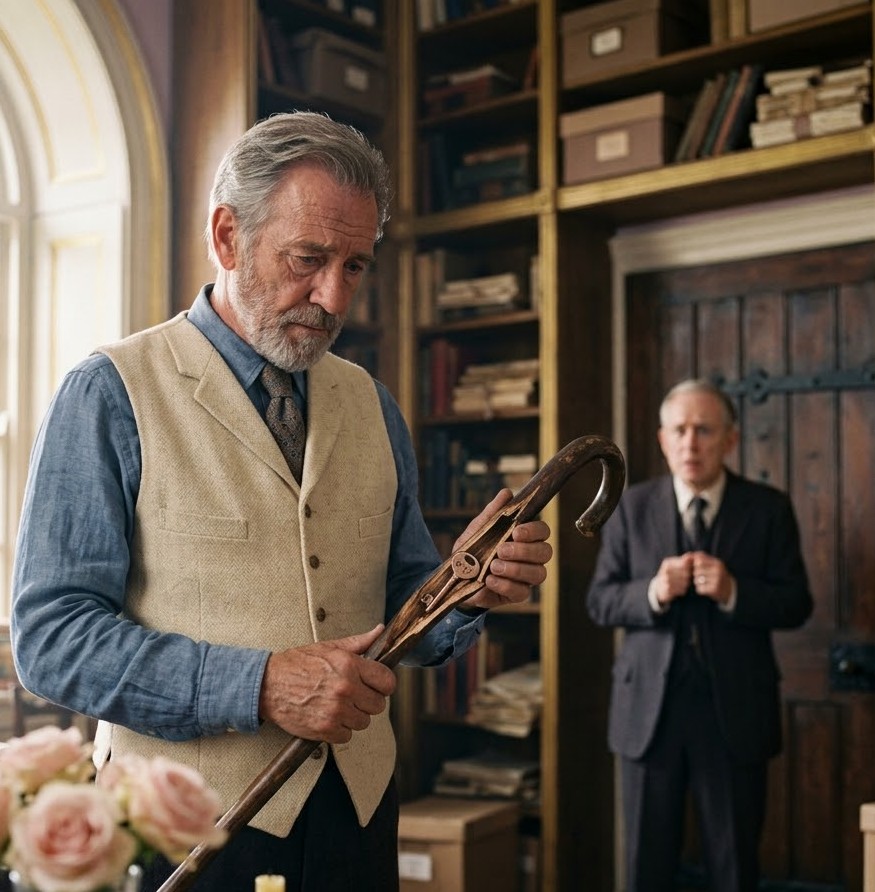
My Boss Locked Down Soundstage 4 After a Celebrity Broke My Late Wife's Cane — The Brass Key Inside Soundstage B-17 Exposed a 40-Year Studio Lie


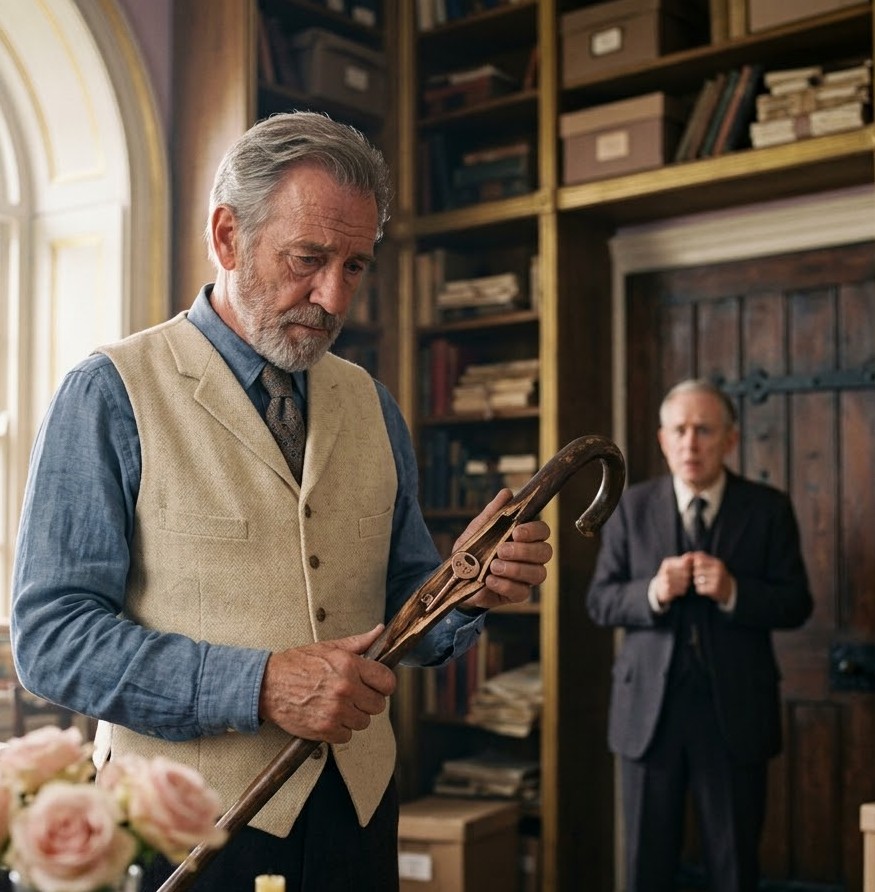
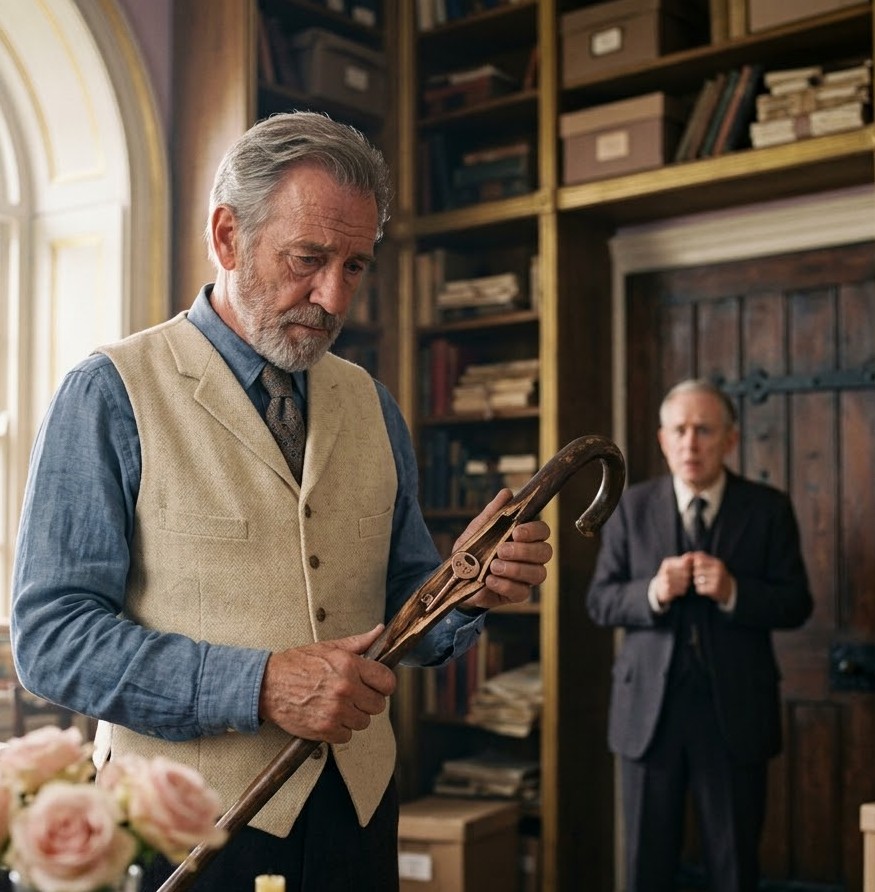

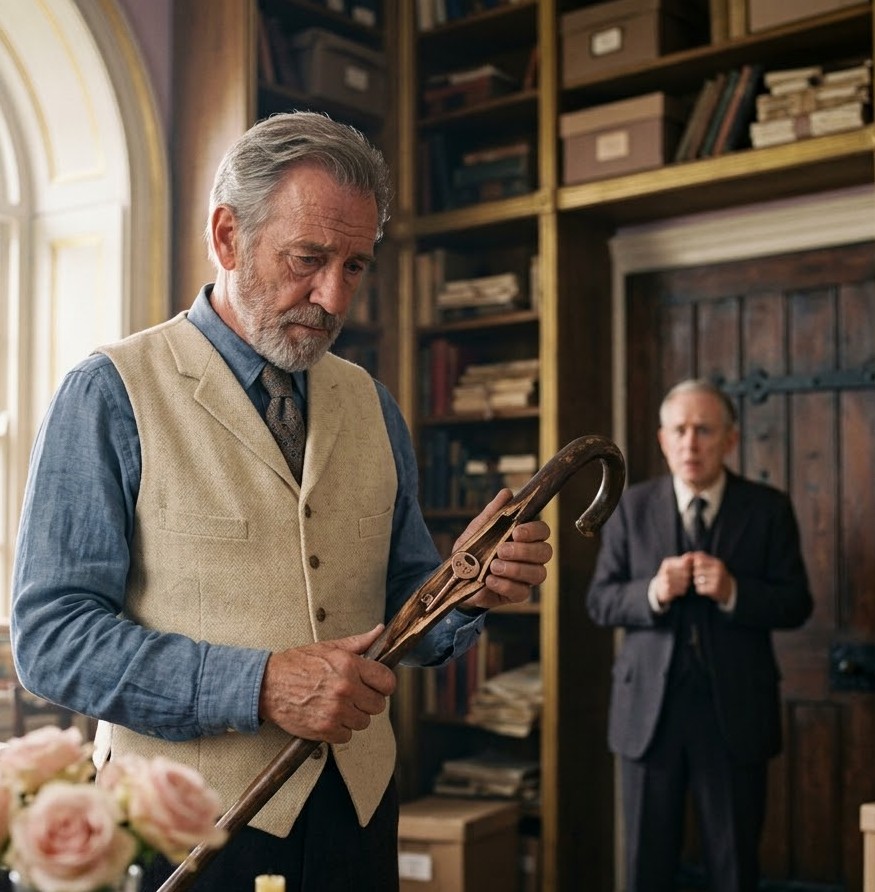


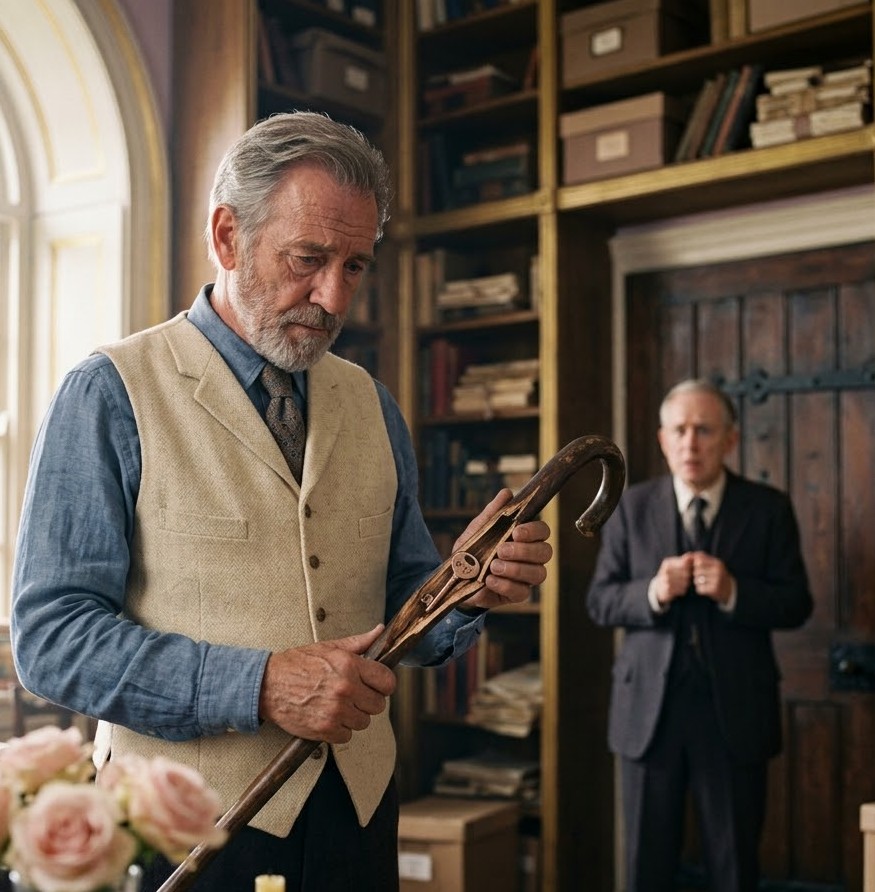
Marcus Finch stood there, a smug expression plastered on his face, blocking the narrow gap in the plastic sheeting. He adjusted his tie, clearly enjoying my predicament.
“Look, Arthur, I know you’ve got sentimental attachments,” he said, waving his hand vaguely toward the biohazard tape. “But safety regulations are non-negotiable. This is for your own good. We’ll have this section cordoned off, probably for years. Maybe even demolished.”
Buster let out a low growl, sensing the tension. I placed a hand on his head, my eyes fixed on Marcus. He had underestimated me. Forty-four years in this studio hadn’t just made me an archivist; it had made me a living repository of its history, its rules, and its forgotten loopholes.
“You’re right, Marcus,” I said, my voice calm despite the fury simmering beneath. “Safety regulations are non-negotiable. And so is Section 7, Subsection C, of the 1978 Senior Archivist’s Union Contract.”
Marcus’s confident smile wavered slightly. “What are you rambling about?”
I reached into my inner jacket pocket and pulled out a folded, brittle piece of paper. It was a photocopy, yellowed with age, of a specific clause from a contract I’d meticulously filed away decades ago—a contract negotiated back when studio employees had real leverage.
“This clause,” I explained, holding it up, “states that during any environmental or structural safety re-evaluation of an archive storage zone, the senior archivist responsible for that section holds personal legal liability. Therefore, they are granted mandatory, unhindered physical entry rights to supervise the inspection, ensure proper protocol, and mitigate any potential damage to historical records.”
Marcus scoffed. “That’s an ancient, expired clause! It’s meaningless.”
“It explicitly states it remains legally binding until formally revoked by a full board resolution,” I countered, tapping the paper. “Which, to my knowledge, has never happened. And since I am the Senior Archivist of Record for this entire sub-basement level, per the 1981 architectural survey, I have not only the right but the legal obligation to enter. Right now.”
His face went pale. He opened his mouth to argue, but then a new voice cut through the sterile air of the sub-basement.
“He’s correct, Marcus.”
Evelyn DeWitt emerged from the access door behind us, her expression sharp and resolute. She held a tablet in her hand. “I just ran a legal check. The clause is indeed extant. And it specifically states that any attempt to obstruct a senior archivist from fulfilling this duty constitutes an actionable breach of contract and a direct endangerment of valuable studio assets. This includes falsified hazard reports.”
Marcus Finch looked from Evelyn to me, his shoulders slumping. His elaborate fraud, his carefully constructed barrier, had just crumbled. The cold, calculated power of a forgotten piece of paper, unearthed by a stubborn archivist and confirmed by a principled lawyer, had just overridden Julian Kross’s desperate attempt to keep the truth buried. The plastic sheeting and hazard tape suddenly seemed flimsy, their authority stripped away. The door to B-17, now within reach, felt closer than ever.
More Stories







+ There are no comments
Add yours