
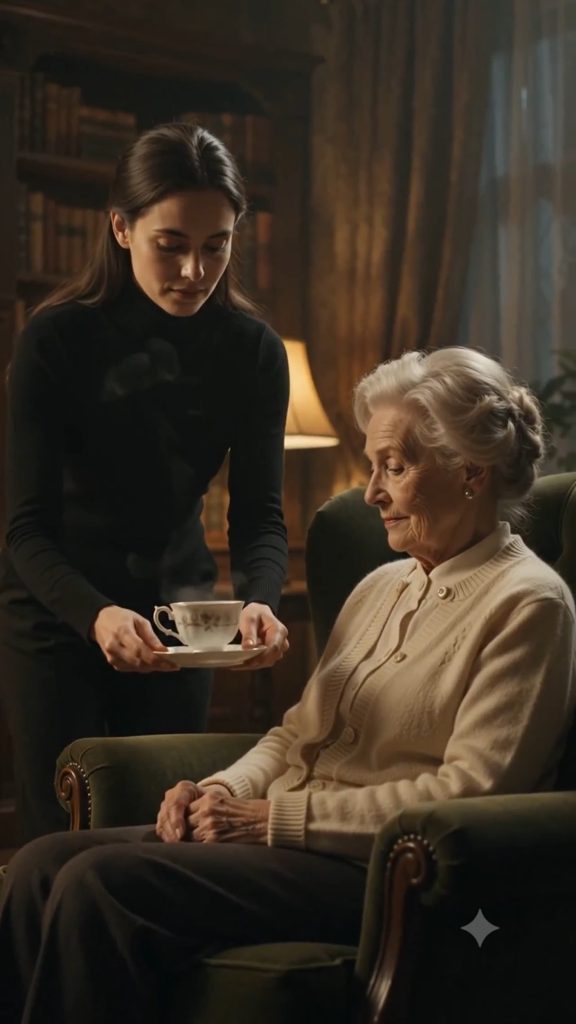
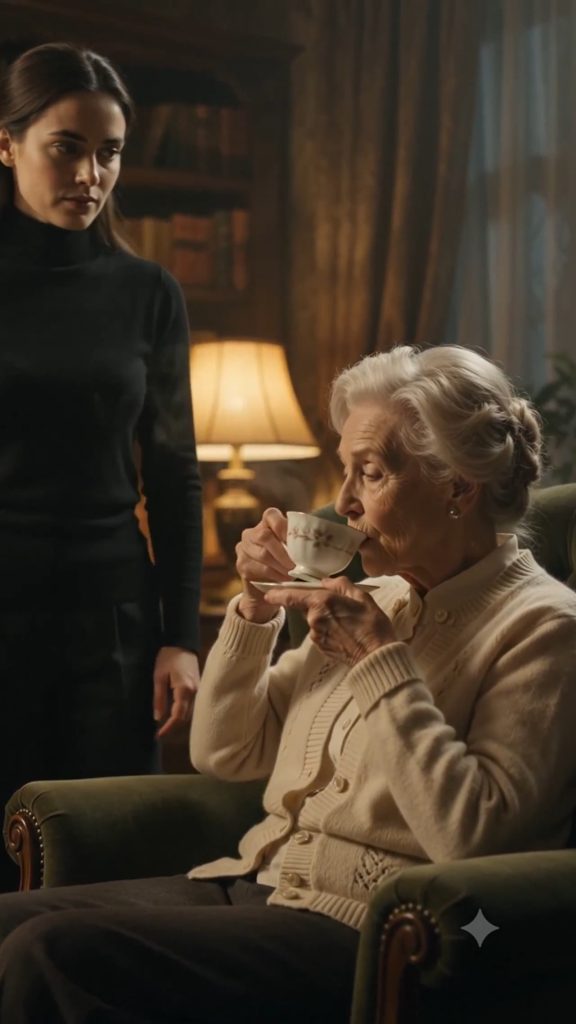
For eight months, I spent two hours every evening unpaid at 414 Elm Street, caring for an eighty-two-year-old woman named Eleanor Gentry whom the entire neighborhood called erratic and unhinged.




Before I could even begin to process the logistics of Leo’s funeral, a crisp legal document was slipped under my front door. It wasn’t code enforcement this time, but a civil summons.
My hands trembled as I picked it up. It was an emergency civil injunction, filed by none other than Judge Richard Hollis’s court. The wording was clear and absolute: I was prohibited from speaking to any press outlets regarding the Elm Street properties, the circumstances of the utility failure, or any aspect of Eleanor Gentry’s estate. The court date was set for a week before the mayoral primary.
It was a gag order. They were trying to silence me before I could use Julian’s evidence.
Hours later, the local news carried a somber press release from Councilman Marcus Hollis. He expressed his deepest condolences for the tragic passing of Leo Keller. He spoke of community support and unforeseen circumstances.
Then, subtly, insidiously, he introduced the concept of “unfortunate household vulnerabilities” and “pre-existing conditions exacerbated by difficult weather.” He implied my negligence, without ever directly stating it. He painted me as irresponsible, Leo as a casualty of my shortcomings, not his malice.
I punched the remote, turning off the television. The sheer audacity of his lies made my stomach churn. They had killed my brother, and now they were trying to bury his memory under a mountain of spin and legal threats.
I was trapped. Julian’s emails were damning, but without an attorney to navigate this legal minefield, they were just paper. Attorney Pendelton was a busy estate lawyer; this was turning into a political battle. My self-taught paralegal skills were no match for the Hollis family’s coordinated legal machine. I felt utterly alone, isolated.
With nowhere else to go, nowhere else to turn, I left the house. I walked to the nearest bus stop, a desolate shelter on 4th Street. The city bus, a lumbering metal beast, arrived with a hiss of air brakes. I climbed aboard, seeking anonymity in the mundane rhythm of public transit.
I sat down next to an older woman, her silver hair pulled back in a neat bun, her clothes simple but clean. She was reading a newspaper, her spectacles perched on her nose. My legal folder, bearing the distinct stamp of Eleanor Gentry’s estate attorney, lay open on my lap.
The woman glanced over. Her eyes, sharp and intelligent, narrowed slightly when they landed on the folder. She adjusted her glasses.
“Eleanor Gentry,” she murmured, her voice raspy, a ghost of recognition in her tone. “I haven’t seen that name on a legal document in decades.”
I looked at her, surprised. “You knew Eleanor?”
She nodded slowly, a faint, melancholic smile playing on her lips. “Before she became the ‘erratic recluse’ everyone talked about. Back when she still believed in honest politics.”
“She was a brilliant woman,” I said, a wave of unexpected emotion washing over me at the mention of Eleanor.
“More than brilliant,” the woman replied, her gaze distant. “She was relentless. And she saw right through the Hollis family machine from the very beginning.”
She turned to face me fully, her eyes holding a deep, knowing sorrow. “My name is Beatrice Croft. I used to be her private secretary.”
More Stories

















+ There are no comments
Add yours