
Svetlana Petrov Humiliated Her Sister-in-Law Over an Ultrasound, Not Knowing Her Brother Already Knew Her Deepest Secret


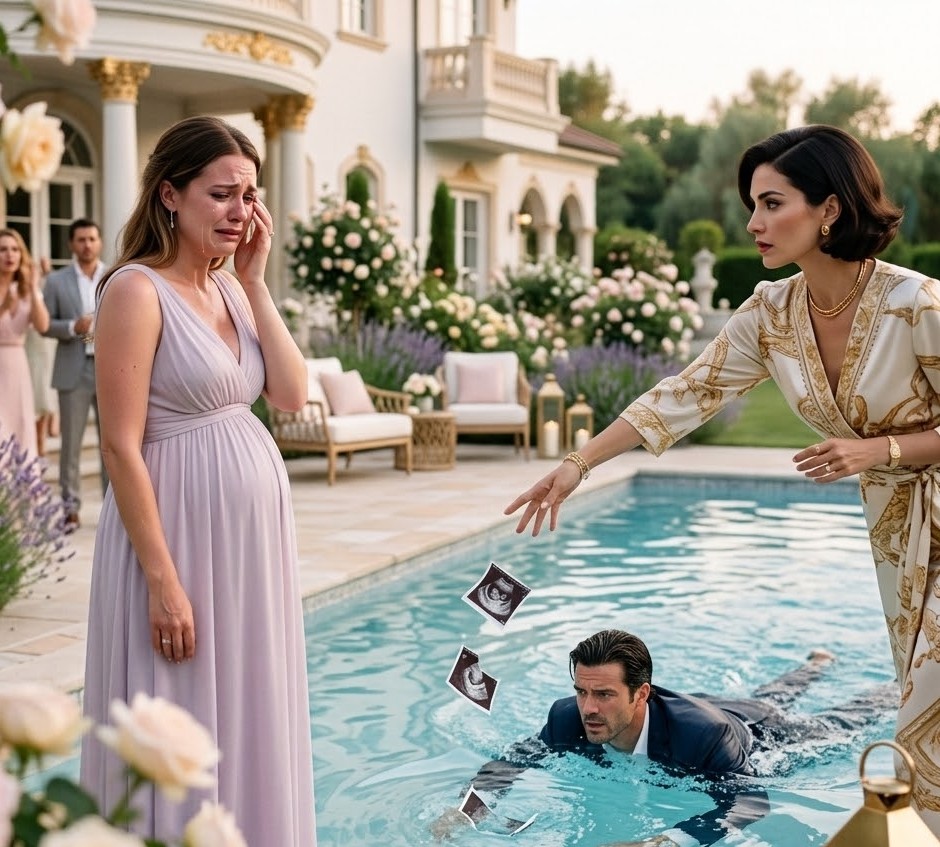
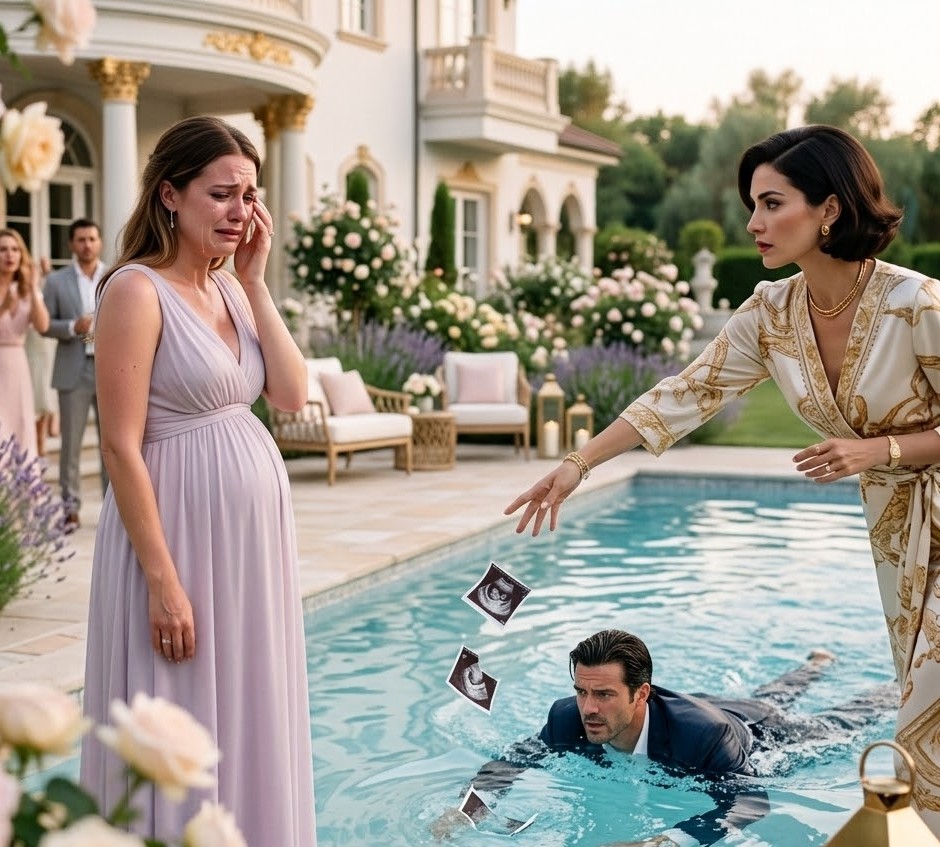


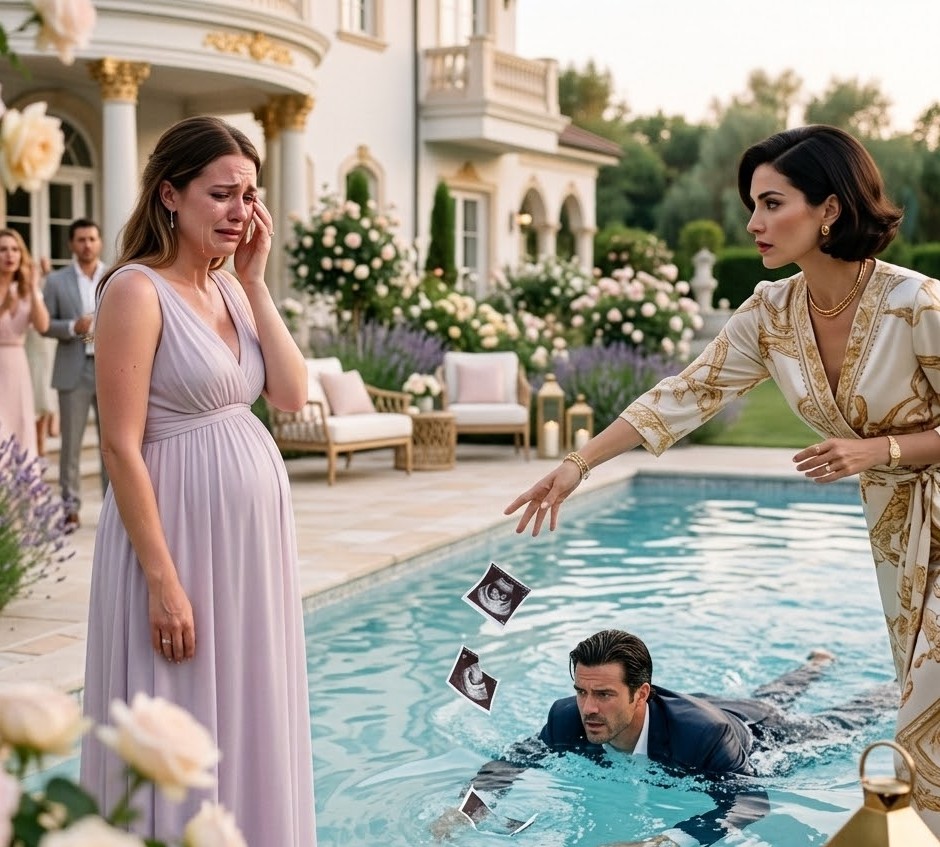


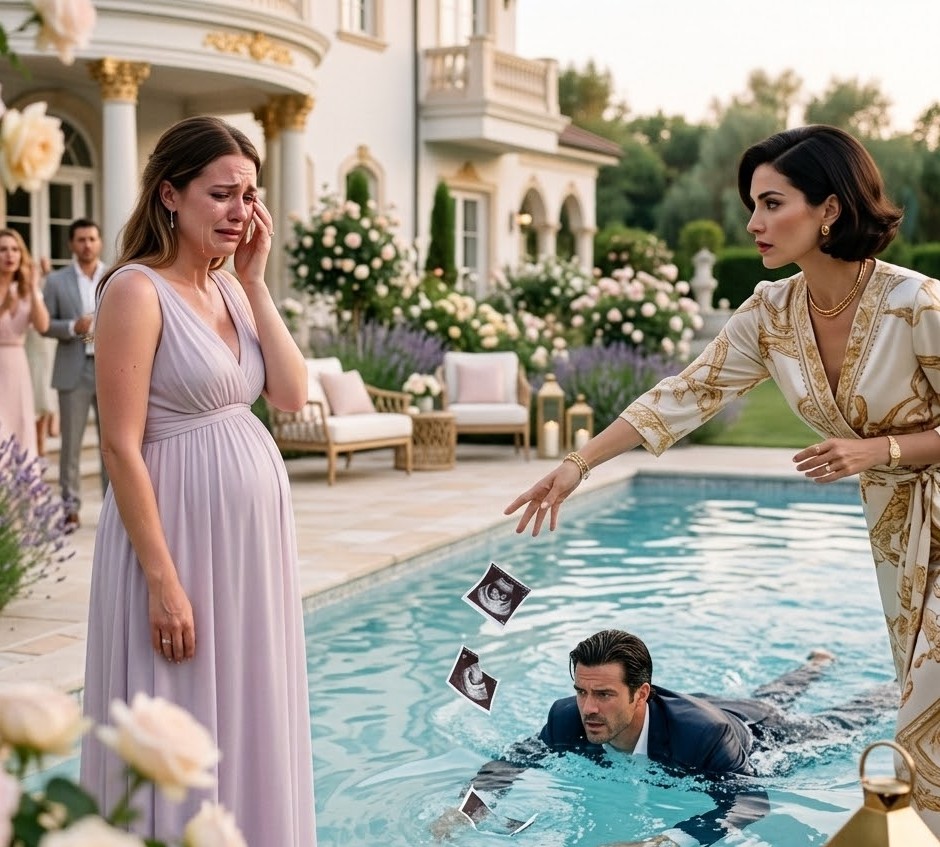
The vibrant sounds of mariachi music and the intoxicating scent of tacos filled the air at the annual Mexican Cultural Festival. After weeks of tension and the cold formality of the Petrov estate, immersing myself in the familiar embrace of my heritage felt like a much-needed breath of fresh air. I wandered among the artisan stalls, admiring the intricate folk art, feeling a sense of belonging that had been sorely missing.
I paused at a stall displaying hand-painted ceramic skulls and intricate paper cutouts. A woman with kind eyes and a thoughtful expression was examining a delicate *alebrije*, a fantastical creature carved from wood. She wore a name tag that read “Dr. Evelyn Reed, Cultural Anthropologist.”
“They’re beautiful, aren’t they?” I remarked, genuinely admiring the vibrant colors.
She smiled, turning to me. “Exquisite. Each piece tells a story, a history, a unique perspective on identity.”
We struck up a conversation, easily finding common ground in our appreciation for cultural artistry. I found myself drawn to her calm, intelligent demeanor. As we talked, my anxieties, usually so tightly held, began to loosen.
“I’m an artist myself,” I confessed, my voice softening.
“I use my art to explore my Mexican-American heritage. But lately, I’ve been struggling with… questions of lineage and cultural ‘purity’ within my husband’s family.”
I didn’t go into the full, sordid details of Svetlana’s actions, but I described the pressure, the looming “Blessing of the Ancestors,” and the underlying implication that my child’s heritage might somehow “taint” the Petrov bloodline. I spoke about the feeling of being an outsider, constantly judged for my background.
Dr. Reed listened attentively, her expression unreadable but empathetic. She asked insightful questions, her interest genuine, not merely polite. She seemed to understand the nuanced pain of cultural clash, the insidious nature of veiled prejudice.
“It sounds like your family-in-law is using an antiquated interpretation of tradition to enforce a very rigid view of identity,” Dr. Reed observed thoughtfully.
“It’s a common historical pattern, unfortunately. Many cultures, in an effort to preserve what they see as ‘purity,’ resort to such symbolic, sometimes demeaning, practices.”
Then, she revealed something that made my heart leap with a sudden, desperate hope.
“My own work actually focuses on the intersection of genetics and cultural identity,” she explained, her eyes twinkling with academic passion.
“I’m a geneticist, but also an ethnographer. I’ve published extensively on ancestral markers in immigrant communities, how genetics can confirm, and sometimes beautifully complicate, our understanding of heritage.”
My breath hitched. A geneticist *and* an ethnographer? Someone who understood both the scientific and cultural nuances of identity? It was as if fate had placed her directly in my path. I had found my unexpected ally, a beacon of clarity in the fog of Petrov family prejudice.
“You’ve published on ancestral markers?” I asked, a tremor in my voice.
“You understand how important cultural identity is in genetic interpretation?”
She nodded warmly. “Absolutely. Genes don’t exist in a vacuum. They tell stories, but those stories need to be understood within their cultural context. It’s about bridging science and history, not letting one overshadow the other.”
I felt a surge of adrenaline, a profound sense of relief. Dr. Reed wasn’t just an expert; she was a culturally sensitive expert. She understood the very specific type of prejudice I was facing, rooted in a twisted interpretation of “purity.”
“I… I might need your help,” I confessed, my voice barely above a whisper.
“My husband and I are expecting, and we’ve actually commissioned a private paternity test, precisely because of these accusations. We’re waiting for the results.”
Dr. Reed’s eyes widened slightly, her scientific curiosity piqued.
“Well,” she said, her voice reassuringly calm, “when those results come in, I would be honored to take a look. A scientific report, especially one involving complex markers, can sometimes be open to… culturally insensitive interpretations if not handled correctly.”
She reached into her purse and handed me a crisp business card. “Dr. Evelyn Reed,” it read, beneath her name, “Genetic Anthropologist, University of California, Los Angeles.” I clutched the card tightly in my hand, its weight a symbol of newfound strength.
I imagined Svetlana’s sneer, her dismissive words about “impure blood.” But now, I had an expert, someone who could scientifically dismantle such archaic prejudices, while also honoring the cultural richness of my son’s heritage. It was a powerful combination.
“Thank you, Dr. Reed,” I said, my voice thick with emotion.
“You have no idea what this means to me.”
She simply smiled. “Everyone deserves to understand their heritage, in all its complexity and beauty. No one should feel shamed for who they are, or who their ancestors were.”
Her words were a balm to my soul, a direct counterpoint to the years of subtle insults and the recent, blatant attacks. She offered not just professional help, but moral validation. The encounter at the festival, born of chance, now felt profoundly meaningful.
As I walked away from her stall, the sounds of the festival felt even more vibrant, the colors brighter. I held Dr. Reed’s card like a precious talisman. My hope, which had been flickering precariously, now burned steadily.
I quickly called Leo, my excitement bubbling over.
“You won’t believe who I just met,” I exclaimed, my voice full of a joy I hadn’t felt in weeks.
“A geneticist and an ethnographer! She understands everything, Leo. The cultural part, the science part. She can help us.”
Leo listened intently, his own cautious optimism evident in his voice. This was a turning point, a powerful external validation of our struggle. Svetlana had weaponized tradition and prejudice; now, we had an ally who could wield science and cultural understanding with equal power.
The path ahead was still uncertain, still fraught with the Petrov family’s ingrained biases. But with Dr. Reed’s expertise, we could face the “Blessing of the Ancestors” not just with defiance, but with irrefutable truth and cultural pride. This unexpected alliance felt like a divine intervention, a crucial piece of the puzzle finally falling into place.
More Stories





+ There are no comments
Add yours