
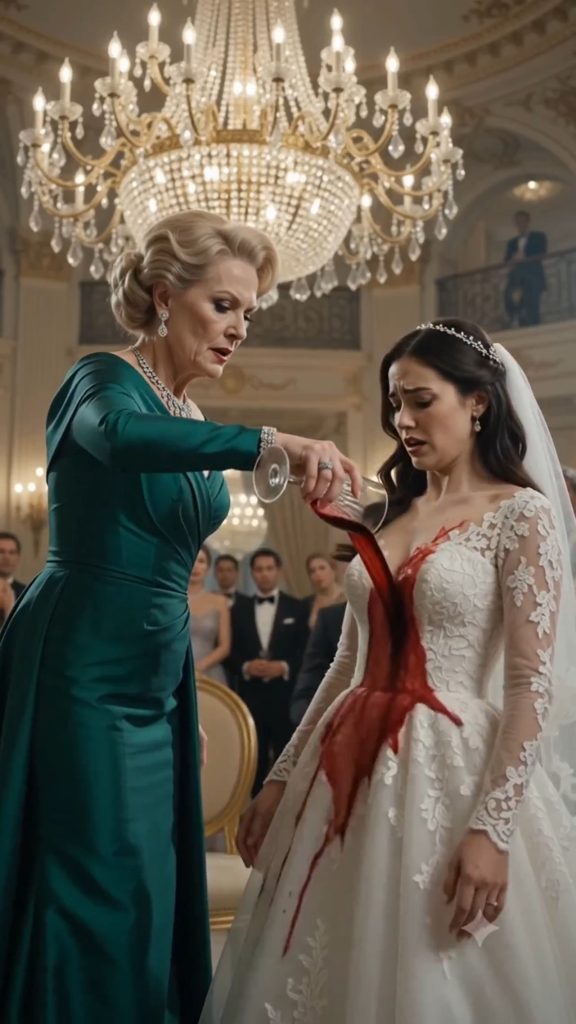
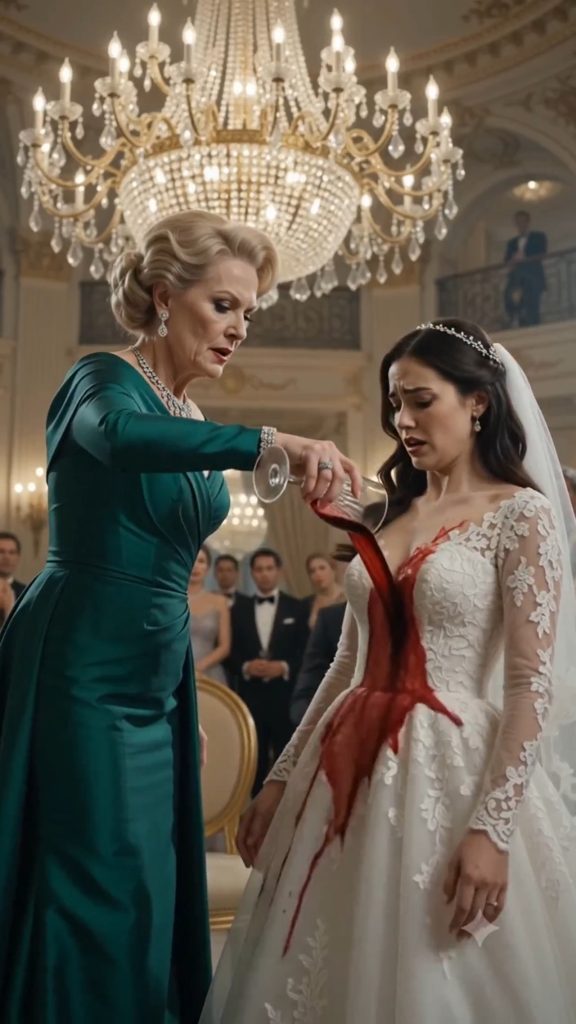
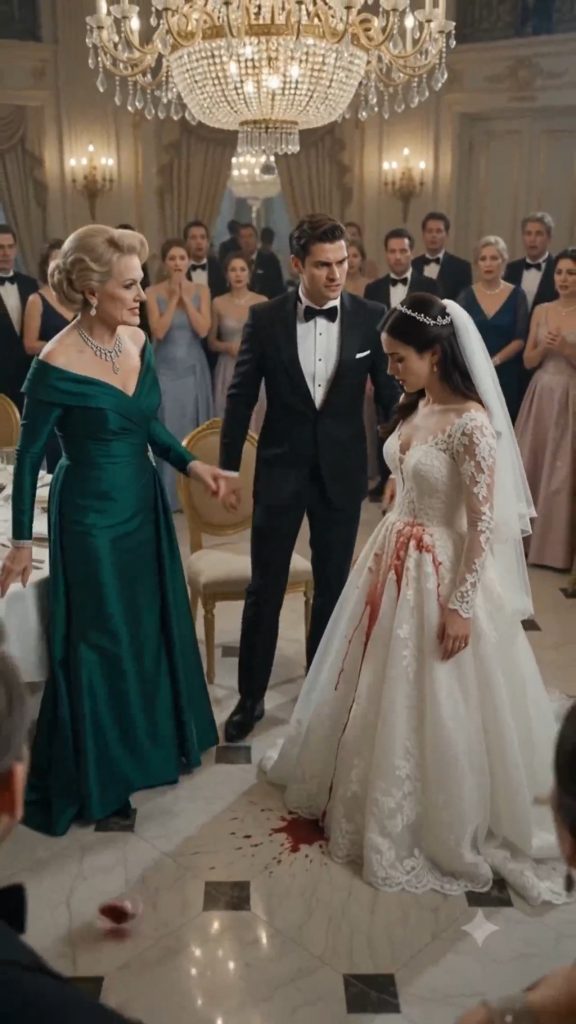
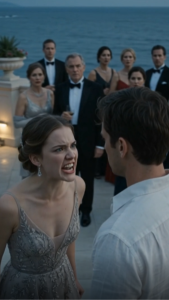
You don't belong among decent people, Clara, and no dress from Paris can hide a beggar's blood, Eleanor Montgomery said.
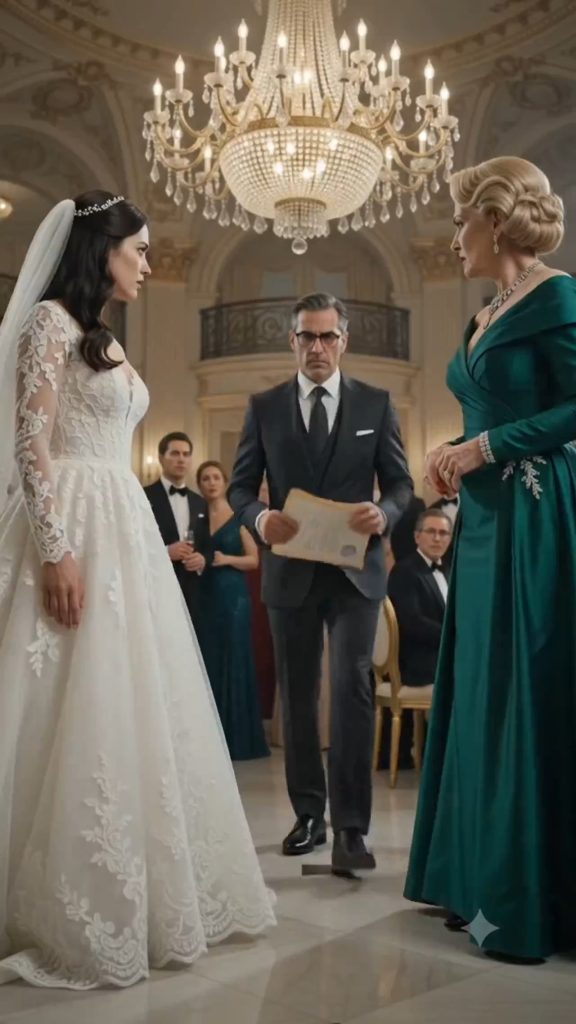

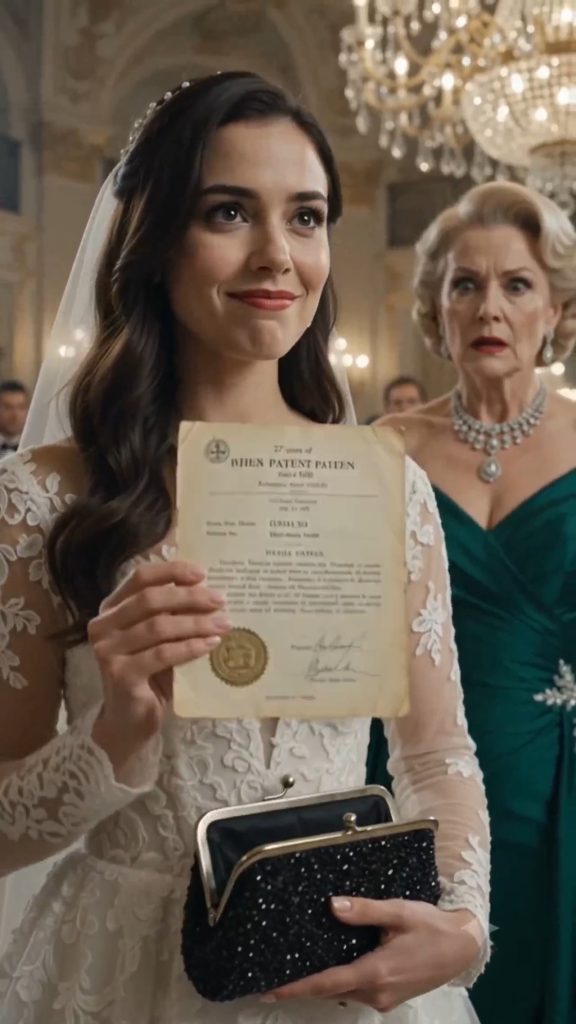


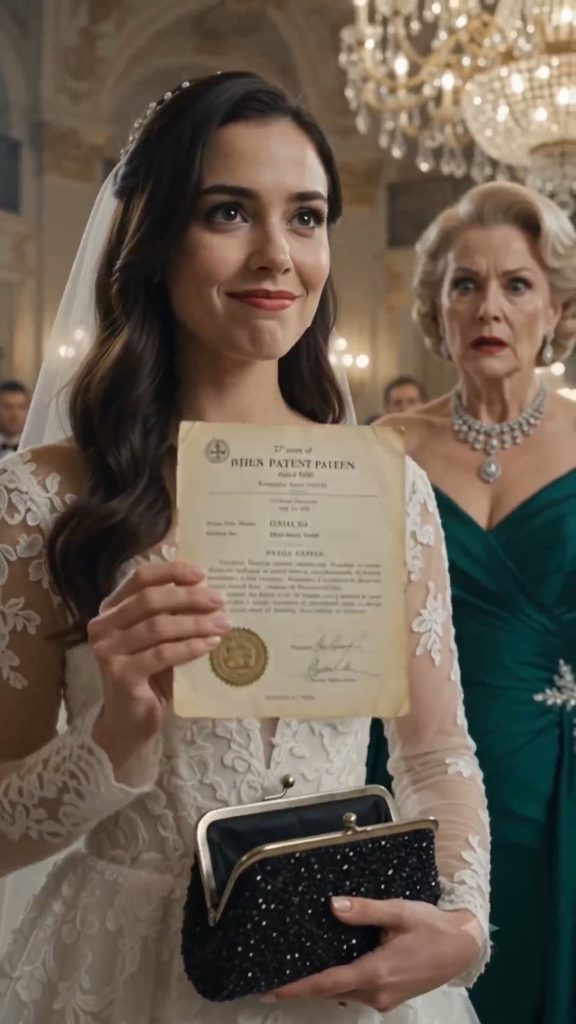
Beatrice’s hands, though still trembling, held the parchment steady. She carefully untied the faded green ribbon and unfolded the letter. The air in the room was so still, I could hear the rustle of the ancient paper. Her voice, though not loud, carried every word with devastating clarity.
“My dearest family,” she began, reading from the top of the letter, “I write this on my deathbed, a soul burdened by a truth I have carried for too long. My legacy, our fortune, is built on a terrible betrayal, orchestrated by my beloved wife, Eleanor.”
Eleanor stiffened, a low gasp escaping her lips. Marian’s hand flew to her mouth, her eyes wide with terror. The council members shifted uncomfortably, their faces a mixture of disbelief and dawning horror.
“In October of 1927,” Beatrice continued, her voice unwavering, “while Thomas Higgins, a man of unparalleled genius, lay unconscious in a military ward, ravaged by pneumonia and the after-effects of a laboratory accident, Eleanor entered his hospital room. She confessed to me, later that same night, that she had removed his technical notes, his radar blueprints, from his bedside cabinet.”
A collective murmur rippled through the room. General Albright’s face hardened, his eyes fixed on Eleanor.
“She presented them to me,” Beatrice read on, the words like a hammer blow, “as if they were a product of my own research, a ‘breakthrough’ that would secure our future. I was a weak man, ambitious, and blinded by my love for her and the promise of a vast fortune. I allowed her to proceed. The 1927 patent, the very bedrock of Montgomery Defense Dynamics, is entirely built on Thomas Higgins’s stolen intellect.”
Eleanor’s face was ashen. She swayed slightly in her chair, her hands clutching at her chest.
Beatrice paused, taking a slow, shallow breath before continuing. “But there is a deeper, more personal truth I must confess. Julian, my beloved son in all but blood, is not my biological child. He is the son of Edward Higgins, Thomas’s brother, born of an affair between Edward and Eleanor while Thomas lay near death. Eleanor feared exposure, feared losing the social standing and financial security I offered. She saw to it that Edward was swiftly dispatched overseas, and she orchestrated the lie that has defined Julian’s life.”
Julian let out a choked sound, a mixture of agony and disbelief, his grip on my hand tightening until it was painful. I looked at him, his face contorted with the realization that his entire identity was a fabrication.
“I left the forty-million-dollar trust,” Beatrice read from the final lines of Arthur Montgomery’s letter, her voice ringing with the weight of decades of guilt, “only under the explicit condition that if Thomas Higgins’s rightful heirs ever surfaced, all full patent royalties, all intellectual credit, must be immediately and entirely transferred to them, without question. This is my only hope for redemption.”
Beatrice gently lowered the letter onto the polished mahogany table in the center of the room. With her other hand, she produced the “Johns Hopkins Naval Medical Annex – Confidential 1954” envelope. She laid it carefully beside Arthur’s confession.
“And here,” she announced, her voice now filled with a quiet triumph, “is the irrefutable evidence. Julian Montgomery’s 1954 paternity report, confirming his true lineage to Edward Higgins, and thus, his relationship as first cousin to Clara Higgins. The lies, dear family, have finally come to an end.”
Eleanor Montgomery let out a guttural sound, her eyes wide and unfocused. She collapsed into her armchair, a crumpled heap of silk and broken ambition. Her sister, Marian, visibly recoiled, pulling her chair several inches away from Eleanor, her face a mask of profound disgust and shame. The silence that followed was not merely the absence of sound, but the sound of an empire shattering.
More Stories




+ There are no comments
Add yours