
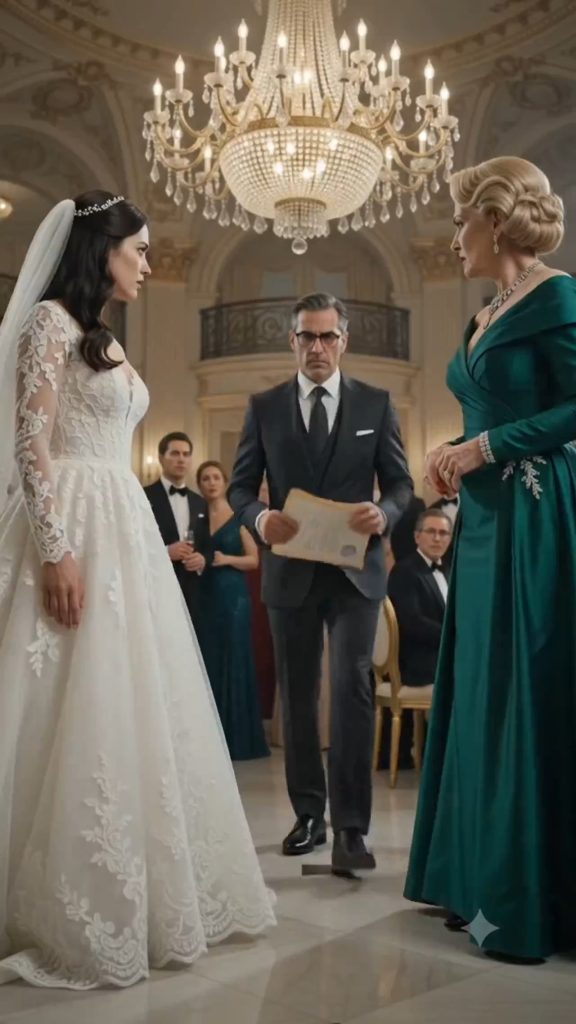
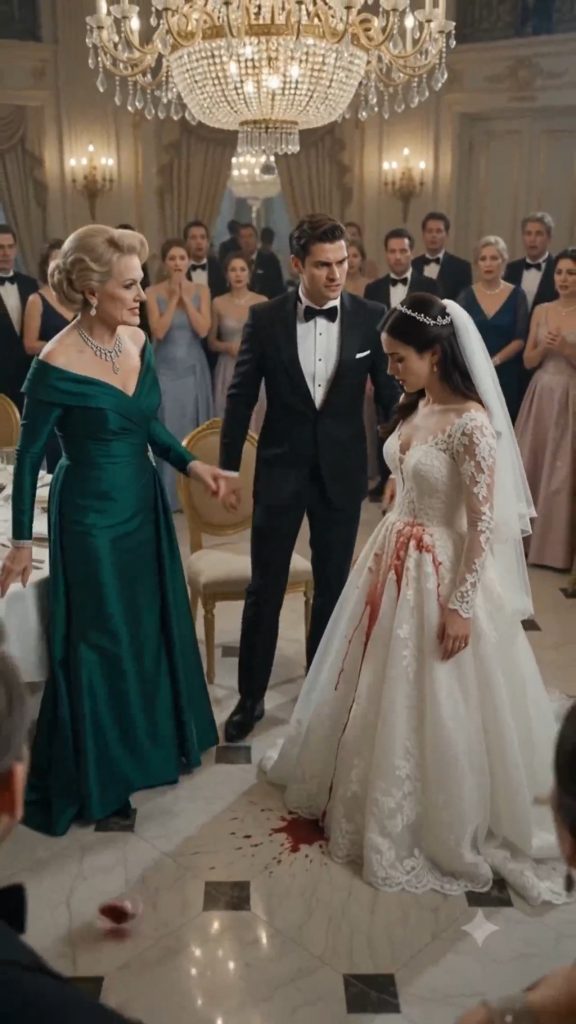
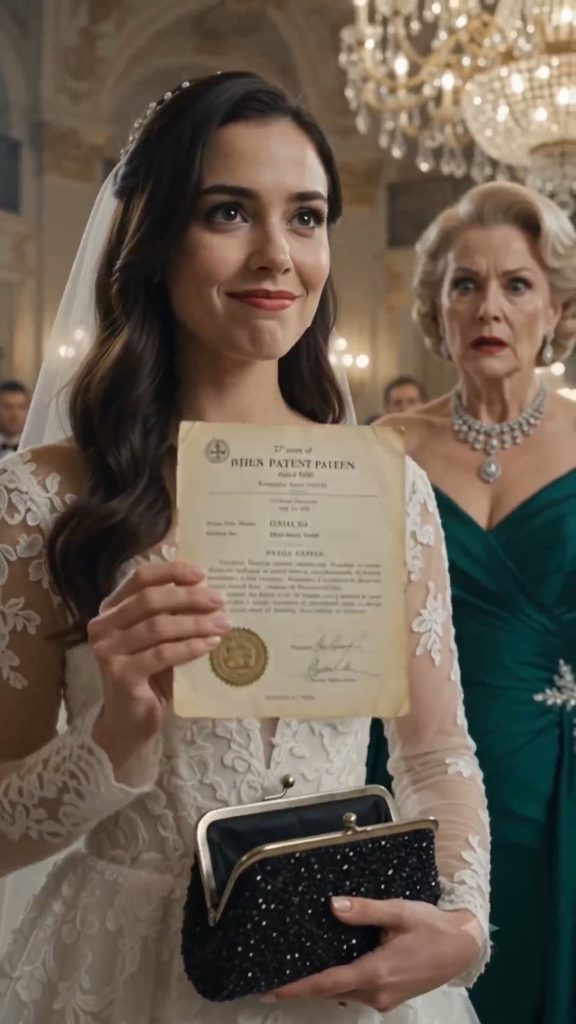
You don't belong among decent people, Clara, and no dress from Paris can hide a beggar's blood, Eleanor Montgomery said.





The next three days in the carriage house were a blur of unsettling incidents. It began subtly. I woke on Tuesday morning to find a small, tarnished brass compass resting on my bedside table. It was my father’s, a gift from his own father, kept in a locked chest back in Baltimore. I’d seen it only once, years ago. How could it be here?
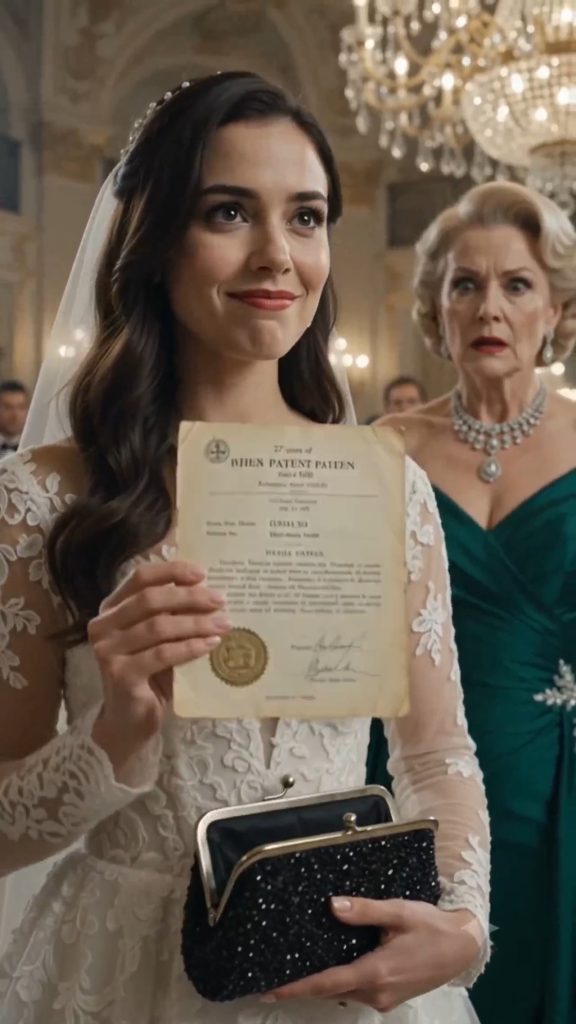
Pinned beneath the compass was a neatly typed note on thick cream paper. The font was old-fashioned, delicate. It read: “Your father’s mind betrayed him. Do not let yours do the same. Seek rest.”
My hands shook as I folded the paper. I checked the locked trunk I had brought from my Baltimore apartment; the compass was gone from its specific compartment.
Later that afternoon, I found a small, intricate spring mechanism—part of an old clockwork prototype my father had been obsessed with—sitting on my pillow. Another typed note lay beside it: “The past holds traps. Do not fall prey to inherited delusions. A sanatorium offers quiet.”
I started checking my locks obsessively, but there was never any sign of forced entry. It felt as though the very air in the carriage house was laced with a chilling presence. Each item, each note, felt like a deliberate, psychological assault.
When Julian arrived that evening, bringing a bouquet of white roses, I practically shoved the latest note into his hands.
“Julian, look at this,” I pleaded, my voice tight with fear. “Someone is coming into the carriage house. They’re leaving things, my father’s things. They’re telling me I’m insane.”
He took the paper gently, his brow furrowed in concern. “Clara, my love, what is this?”
He turned the page over, then held it up to the light. His expression shifted from concern to confusion.
“It’s… it’s blank,” he said, handing it back to me. “Just a piece of Montgomery Defense letterhead.”
My breath caught in my throat. I snatched the paper, holding it up myself. The typed words, the stark black font, were gone. The paper was utterly, completely blank. My hands started to tremble, and a cold sweat broke out on my forehead.
Julian’s eyes were soft, worried. He reached out to cup my cheek. “Clara, you’ve been under so much strain. The engagement, my mother… it’s all been too much.”
Before I could explain, he was called back to the main house. I could hear Eleanor’s voice, hushed but firm, from across the lawn.
An hour later, Julian returned, his face pale, his jaw set. He sat beside me on the sofa, not quite meeting my eyes.
“My mother just paid me a visit,” he said, his voice flat. “She brought something from Bethesda General Hospital. Your name, Clara.”
My stomach clenched. “What about it?”
“She had a copy of your psychiatric evaluation records,” he said, his voice hesitant, almost painful. “From 1952. After your father died.”
I stared at him, my mind reeling. “That’s impossible. I never had a psychiatric evaluation. I was grieving, yes, but I never—”
“It stated you spent two months in a private ward,” Julian interrupted, his voice laced with the strain of disbelief and desperate hope. “For a severe depressive episode with delusional ideation.”
His eyes finally met mine, filled with a crushing weight I had never seen before. “Clara,” he said, his voice barely a whisper. “Are you feeling overwhelmed by all of this? The wedding, the family… Do you need some time to yourself? Some peace?”
His words hung in the air, a gentle trap. He wasn’t accusing me. He was offering an escape, an explanation for what he now perceived as my fractured reality. He was starting to believe Eleanor.
More Stories









+ There are no comments
Add yours