
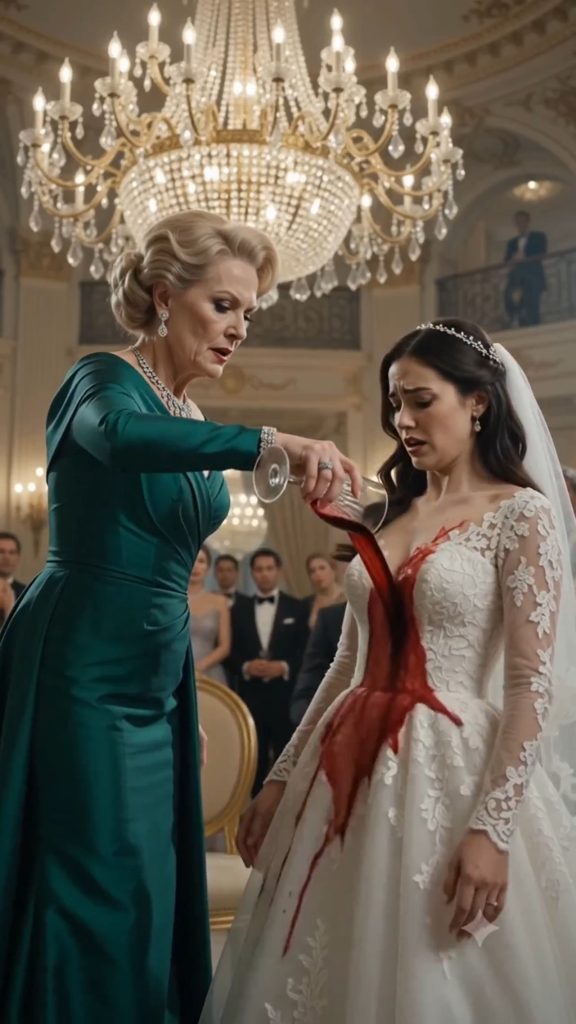
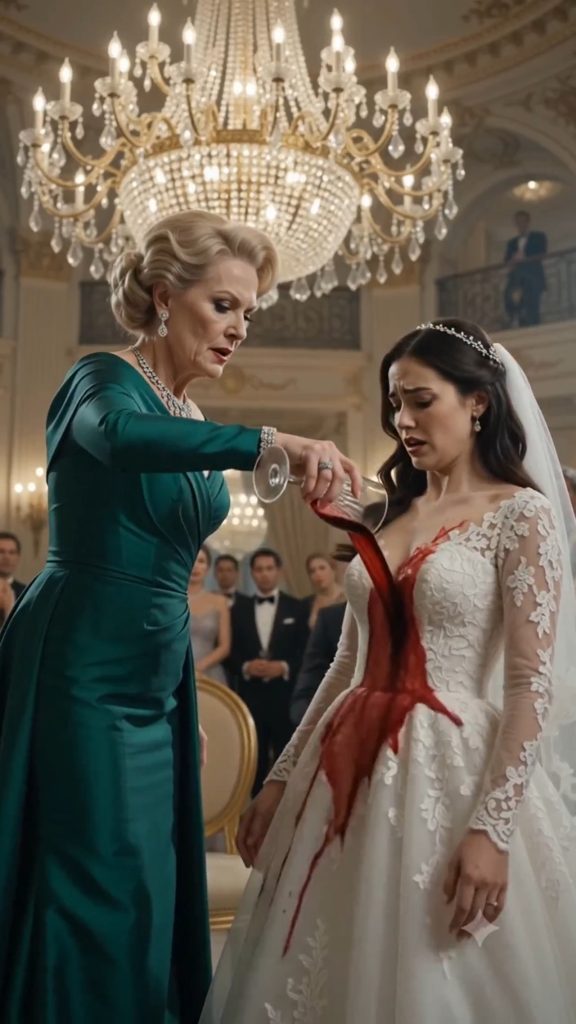
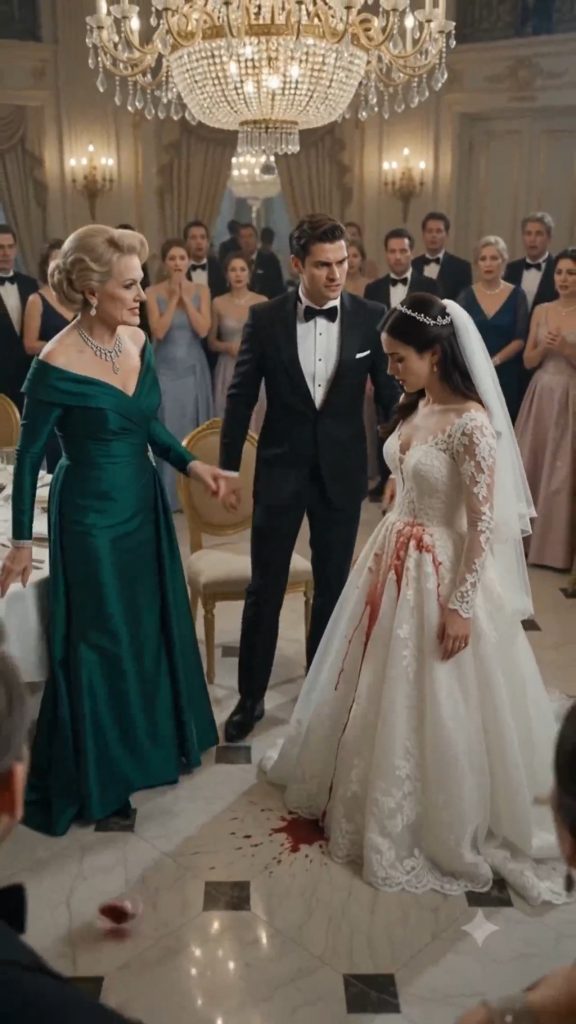
You don't belong among decent people, Clara, and no dress from Paris can hide a beggar's blood, Eleanor Montgomery said.




The morning bus ride into downtown Washington D.C. felt like an escape from a waking nightmare. Every turn of the wheel, every passing street, pulled me further from the suffocating atmosphere of the Montgomery estate and Eleanor’s calculated malice. My hand instinctively sought the brass key in my coat pocket, its cold metal a tangible link to Great-Aunt Beatrice’s desperate urgency.
Riggs National Bank was an imposing, grey stone fortress, solid and unyielding. Inside, the marble floors echoed with the hushed whispers of bankers and the clatter of a few early customers. I approached the stern-faced woman behind the safe deposit box counter, presenting the key and the scribbled address.
“Box 412,” she confirmed, her gaze sharp. “Do you have identification, Miss Higgins?”
I produced my driver’s license, my heart hammering against my ribs. A few tense minutes later, she led me into a private viewing room, its walls paneled in dark wood, its air thick with the scent of old paper and hushed secrets. She handed me a heavy metal box.
Inside, nestled on a bed of aged velvet, was a single, thick manila envelope. My fingers trembled as I lifted it, recognizing the official government stamp. Scrawled across the front in a precise, institutional hand were the words: “Johns Hopkins Naval Medical Annex – Confidential 1954.”
1954. This year. The date sent a fresh wave of dread through me. What secrets could be so current, yet so deeply buried?
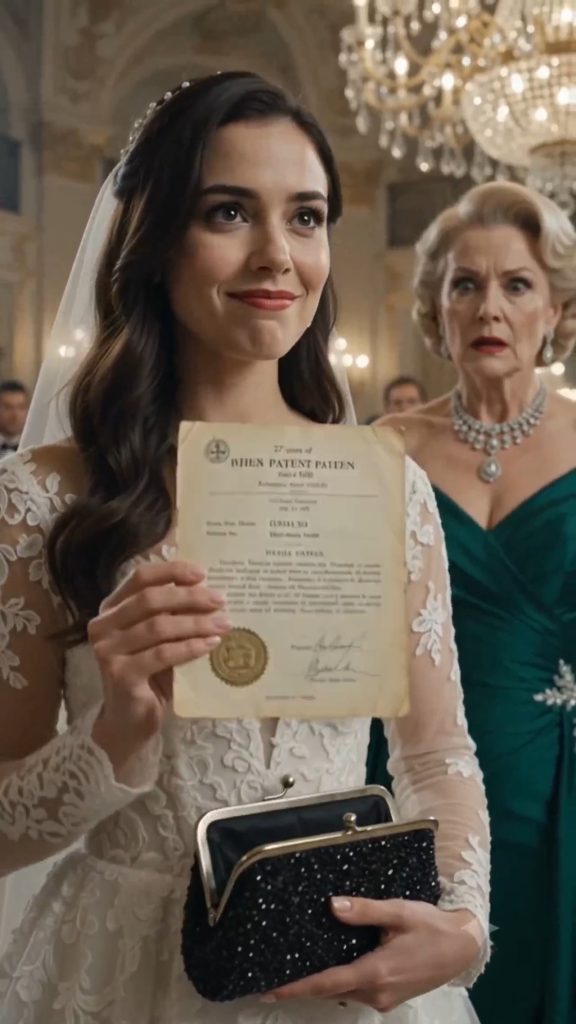
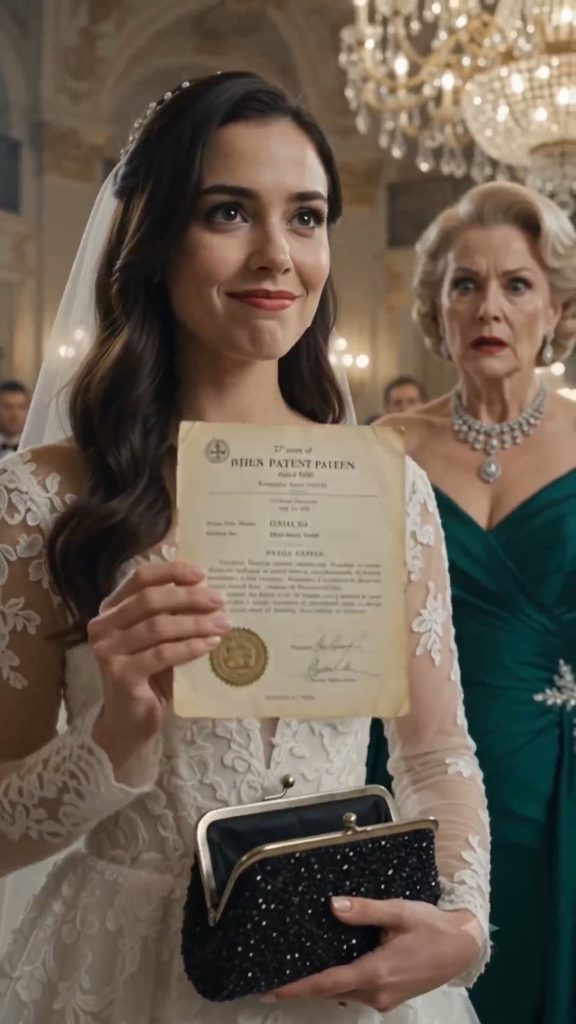
I tore open the seal, the crisp rip echoing loudly in the silent room. Inside, two documents lay neatly folded. The first was a certified blood group analysis, stamped and dated. I scanned the first line: “Subject: Montgomery, Julian Arthur. Date of Birth: June 12, 1928.”
Below it, a detailed breakdown of blood factors: “Blood Group: Type A, Rh-positive. Secretor Status: Secretor.”
My eyes darted to the next paragraph, a small section marked “Paternity Analysis.” The words blurred for a moment, then snapped into sickening focus. “Based on standard Mendelian genetics and serological markers, Arthur Montgomery (DOB: May 5, 1899; Blood Group: Type O, Rh-negative; Secretor Status: Non-secretor) is definitively excluded as the biological father of Julian Arthur Montgomery.”
I gasped, a small, involuntary sound. Arthur Montgomery was not Julian’s father. Eleanor’s husband, the founder of the entire defense empire, was not Julian’s biological parent. The world tilted on its axis.
My gaze dropped to the second document, a smaller lab card tucked beneath the first. This one was older, less formal, but still bore official Johns Hopkins seals. It was dated January 1954.
“Subject: Higgins, Edward Thomas. Blood Group: Type A, Rh-positive. Secretor Status: Secretor.”
Edward Thomas Higgins. My uncle Edward. My father’s younger brother, who had died a hero in World War II. Julian’s blood markers matched my uncle’s. Not just similar, but a conclusive match, according to the report.
Julian Montgomery was not Arthur Montgomery’s son. He was the son of Edward Higgins. My uncle. Which meant Julian was my first cousin.
The air in the quiet room grew thin. The hum of the ventilation system felt like a roar in my ears. Eleanor had not just stolen my father’s work; she had stolen his very family, weaving a web of deceit that stretched for decades, culminating in a secret so profound it now threatened to unravel everything I thought I knew.
More Stories










+ There are no comments
Add yours