You're lucky we're even letting you sleep here, my older sister Clara said, wiping down the marble counter in our late mother's Charleston kitchen.


Five years later, at 22 years old, I walked out to the rotting wooden slipway on the Ashley River marsh edge behind the house. The wood, slick with black marsh mud, creaked under my weight. This was the exact spot where my parents’ fishing boat had been docked, before the storm, before the accident, before everything changed.
The air smelled of salt and pluff mud. The tide was coming in, a slow, insistent push against the banks.
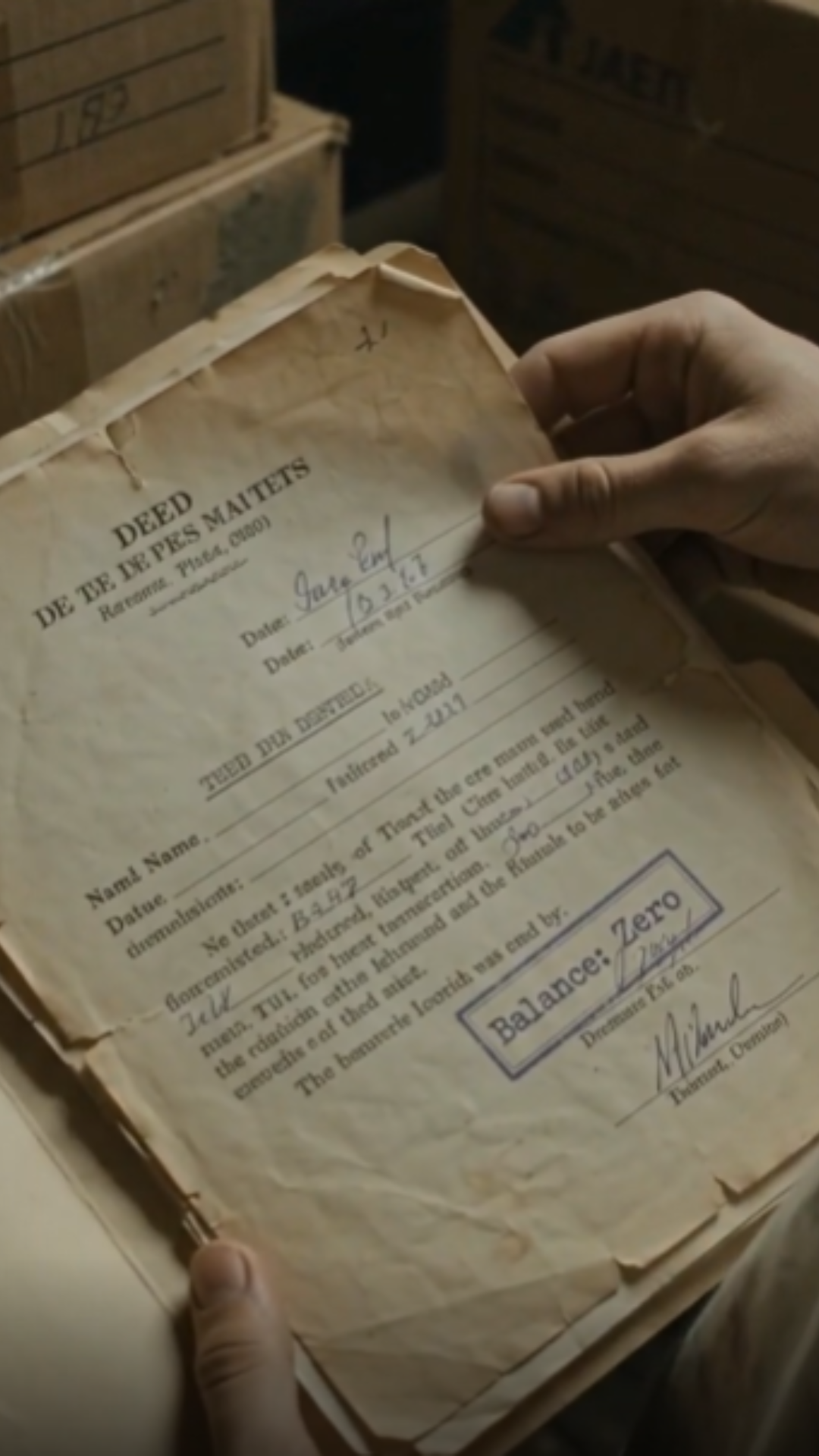
I had spent those five years working. Electrician’s apprentice by day, freelance repairman by night. Every dollar earned, every extra shift, had gone to the house. Line by line, I had paid off the $90,000 tax debt. Every single one. While my high school friends finished college, traveled, and started their careers, I was here, covered in paint and sawdust.
I turned and looked back at the house. Its exterior was freshly painted, a soft, warm yellow against the green of the oaks. The porch railings were sturdy, the windows replaced. It stood proud, restored, a testament to my effort. I had saved it.
But the cost. The permanent cost of my youth, my education, the choices I hadn’t gotten to make. The freedom I’d fought for had become a different kind of burden.
I watched the tide come in over the salt marsh, the water creeping higher and higher, accepting the quiet, bittersweet weight of my choice.
I thought saving my home meant saving my life, but standing on the rotting dock five years later, I realized some victories are just gilded cages we build with our own hands.
More Stories





+ There are no comments
Add yours