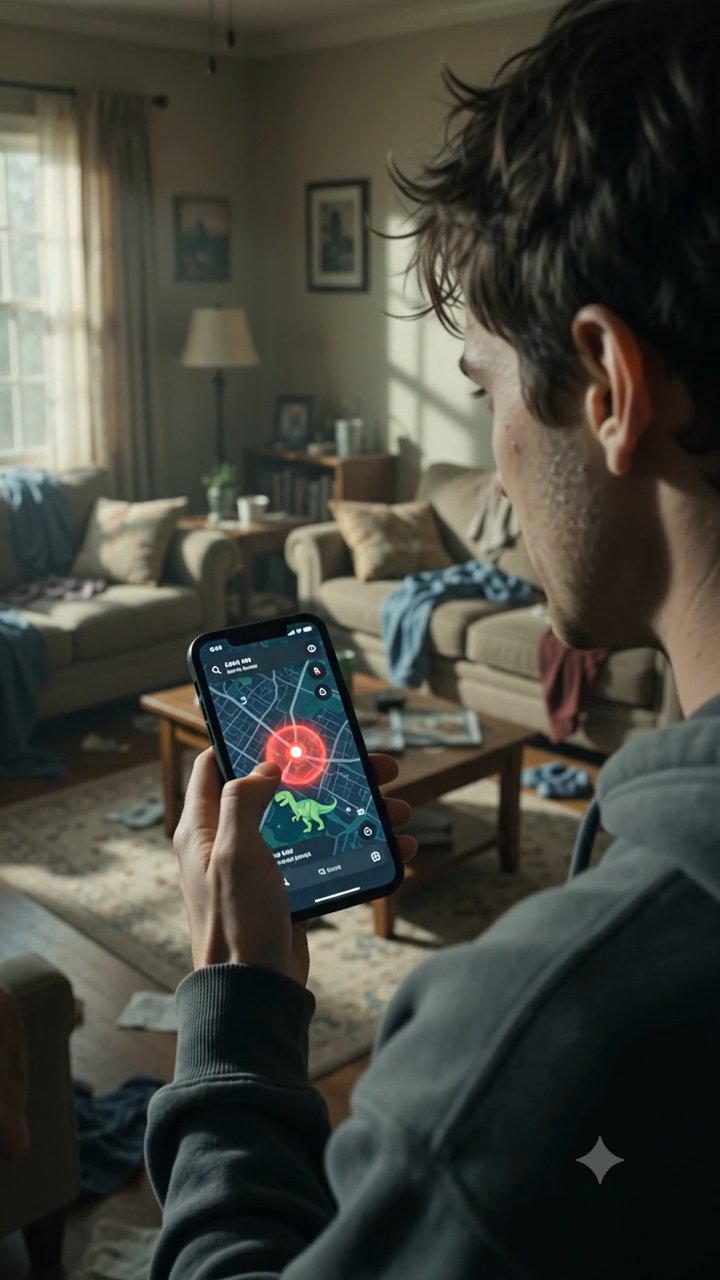
Daddy, please... grandma locked me in the dark room behind the clinic, whispered five-year-old Luke, his voice trembling before a loud crash and a sharp scream cut the phone line dead.


The hospital administrators and police officers exchanged surprised glances, but no one argued. The raw, desperate truth of Darlene’s condition, so powerfully revealed by Clara and Darlene herself, left little room for punitive action. Dr. Reynolds, his face etched with concern, immediately dispatched a medical team.
Emergency care teams arrived swiftly, moving with gentle efficiency. They helped Darlene from my arms, her sobs subsiding into confused murmurs. She was gently transferred to St. Jude’s acute geriatric unit for immediate neurological evaluation and stabilization. The process was swift, respectful, and entirely focused on her care, not her culpability.
Meanwhile, a Child Protective Services social worker, whose initial skepticism had transformed into quiet understanding, approached me. She reviewed Luke’s flawless 18-month sobriety records, the detailed pediatric care logs I had meticulously maintained, and the evidence of my active participation in support groups. There was no question.
“Mr. Delaney,” she said, her voice soft. “Given the circumstances, and your exemplary record, there will be no question of your full physical custody of Luke. We’ll arrange follow-up visits to ensure his well-being, but he goes home with you.”
A wave of profound relief washed over me, so potent it almost buckled my knees. Luke, now fully alert and clinging to my side, looked up at me, his eyes wide but no longer terrified.
“Daddy, can we go home now?” he whispered, his voice small.
“Yes, buddy,” I choked out, pulling him closer. “Yes, we can.”
Darlene’s property management firm, already teetering under the weight of her $184,000 in unmanaged medical debt and her increasing cognitive decline, naturally entered bankruptcy liquidations. Without her active management, the intricate web of leases and contracts unraveled, causing the company to dissolve. Her role as my landlady, and as the landlord of the hospital annex, ended not with a dramatic legal battle, but with the quiet, inevitable consequence of her medical incapacity and financial insolvency. There were no charges, no public spectacle, just the quiet, natural collapse of a system she could no longer maintain.
The hospital ethicists launched an internal review of Dr. Ross’s actions, but given his unwitting role and immediate cooperation, he was given an educational reprimand and assigned to a mentor. Clara Higgins received a formal commendation for her swift, ethical, and life-saving intervention, her job secure, her conscience clear.
The immediate aftermath was quiet, almost surreal. The chaos of the past 24 hours slowly gave way to a profound sense of exhaustion, but also, for the first time in a long time, a flicker of hope. Luke was safe. Darlene was receiving the care she desperately needed. And I, Austin Delaney, was finally on the path to reclaiming my life, not just as a sober man, but as a father who had fought for and won his son.
More Stories









+ There are no comments
Add yours