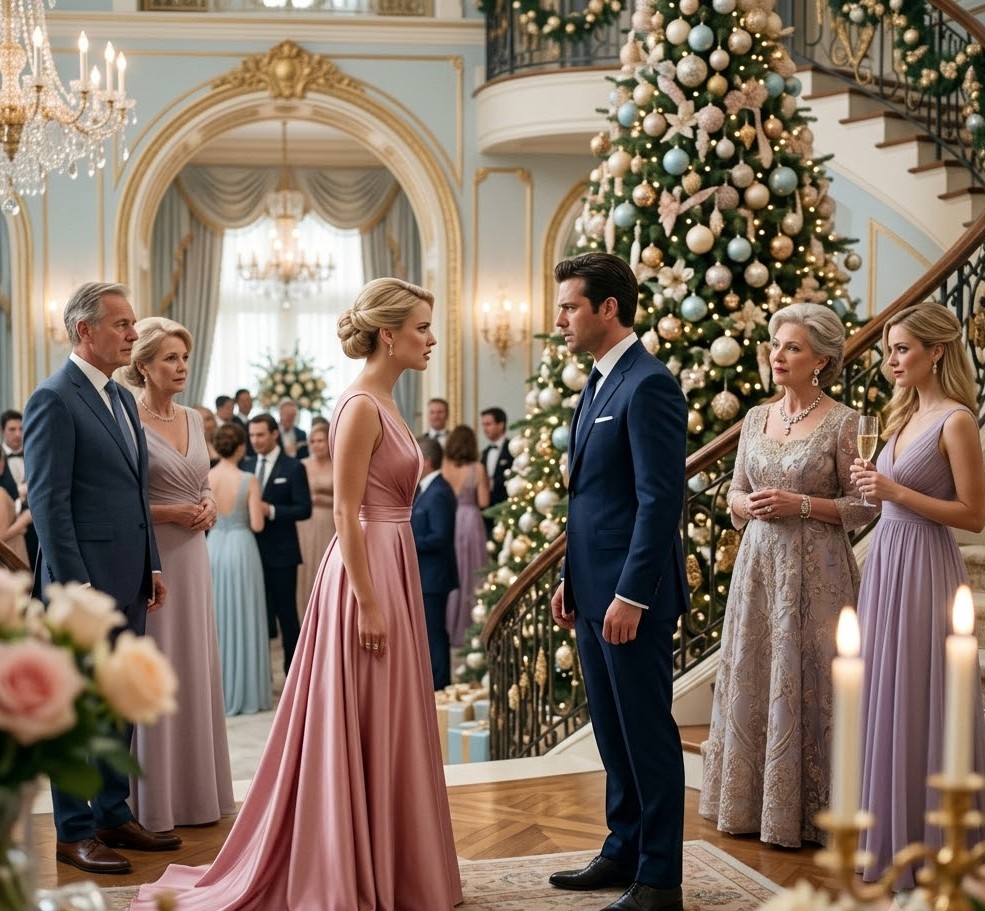
The Roaring Twenties Scandal: A Socialite's Ultimatum at a High-Society Gala Sparks a Vicious Battle for Reputation and Fortune
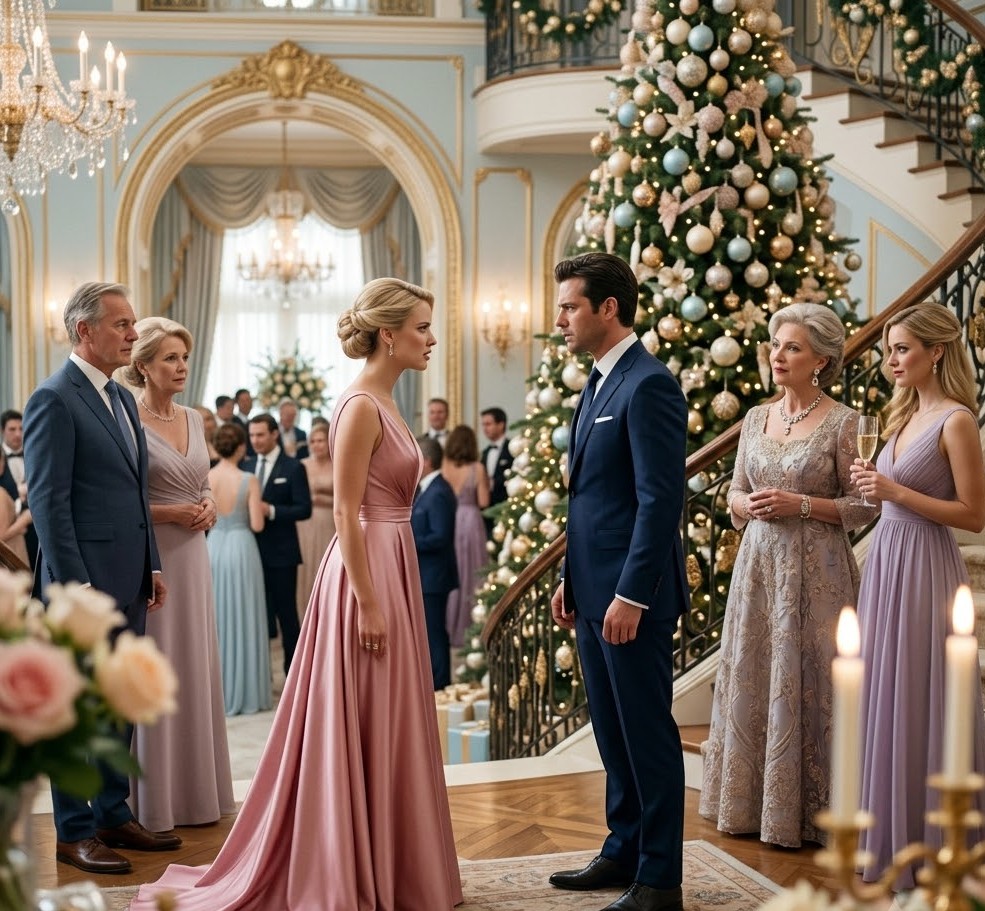

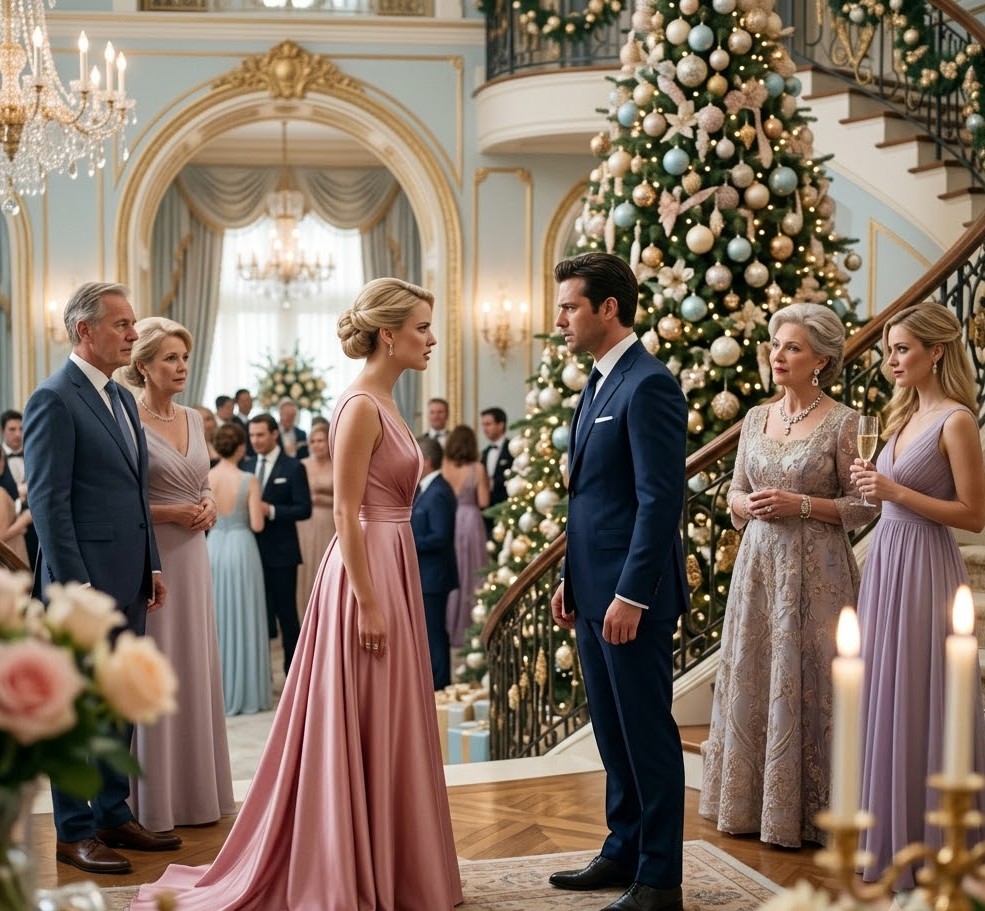
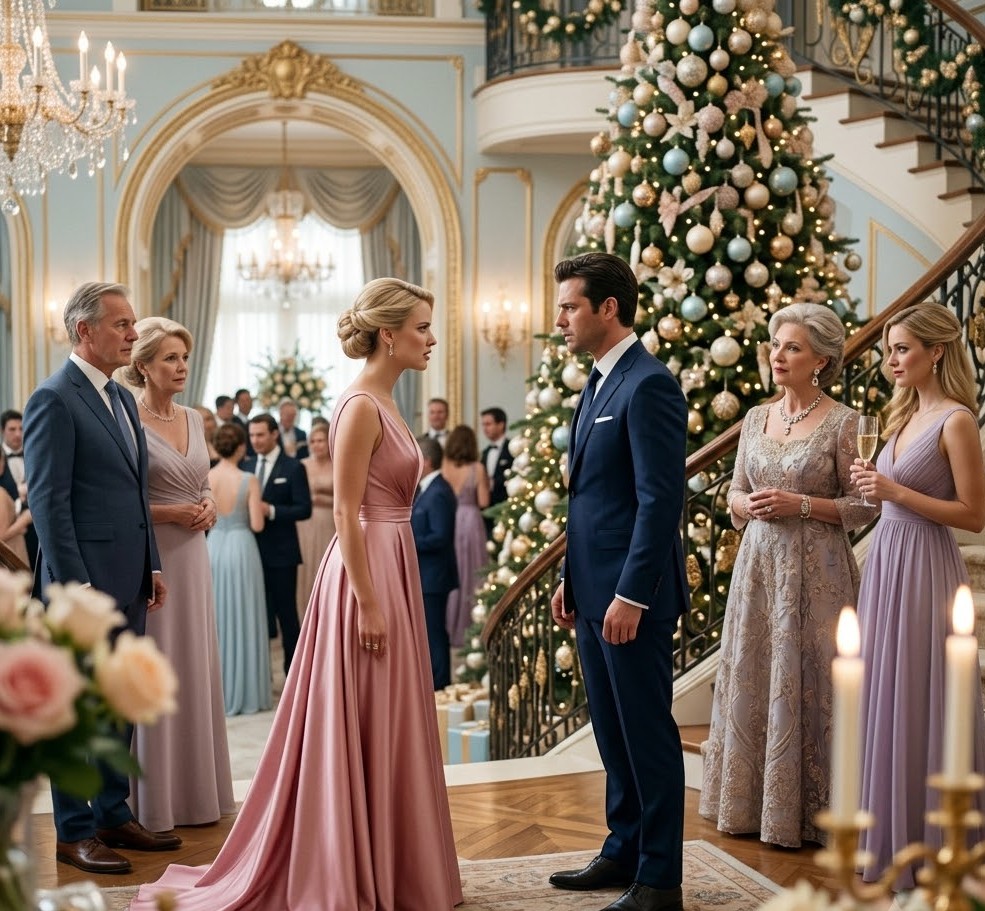


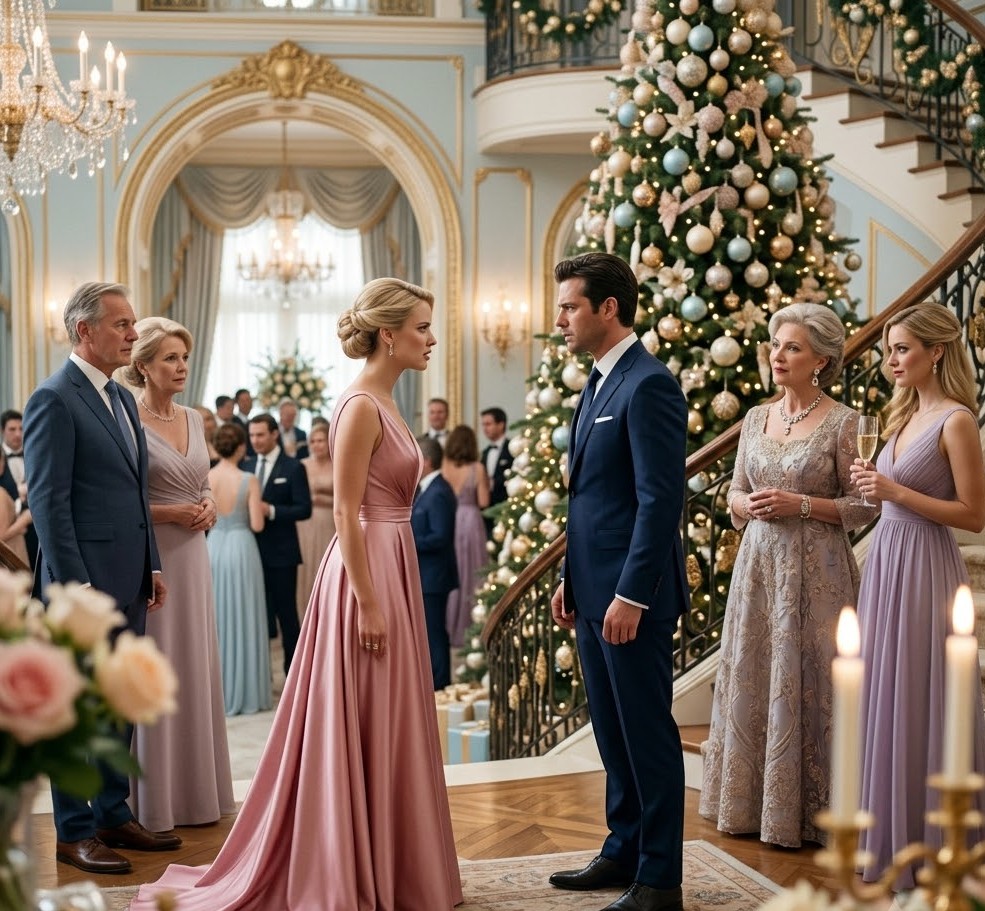

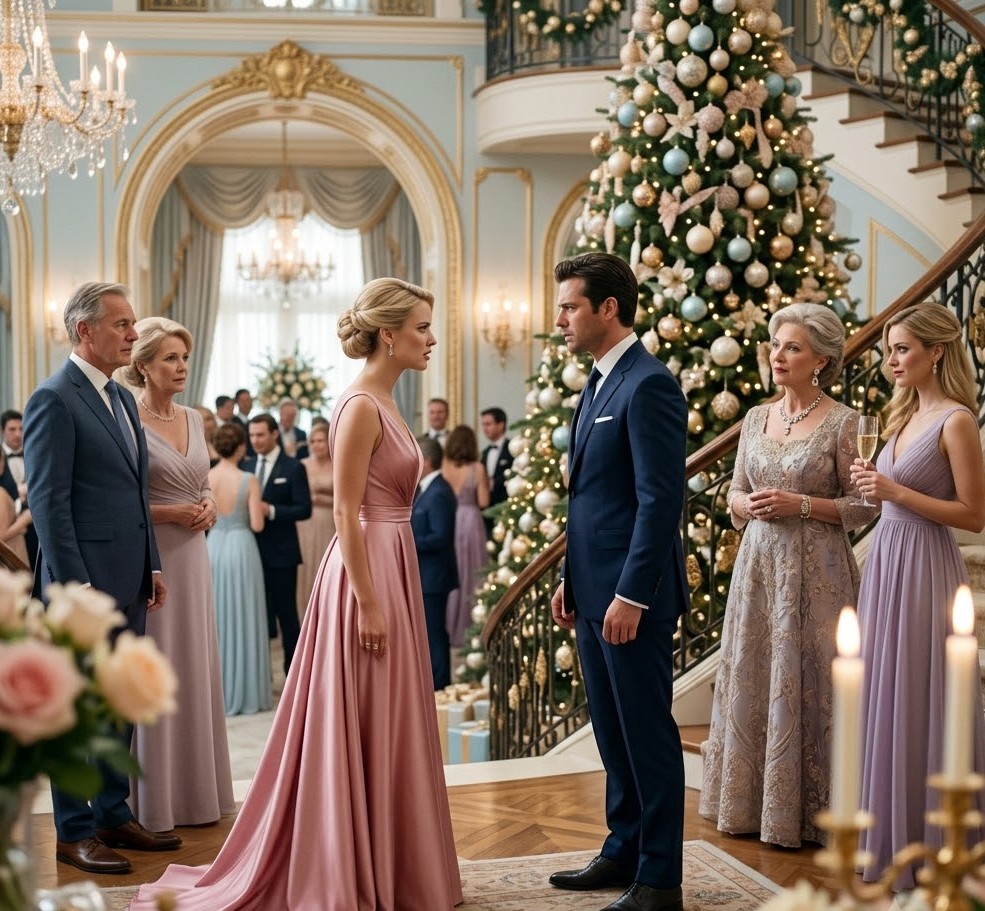

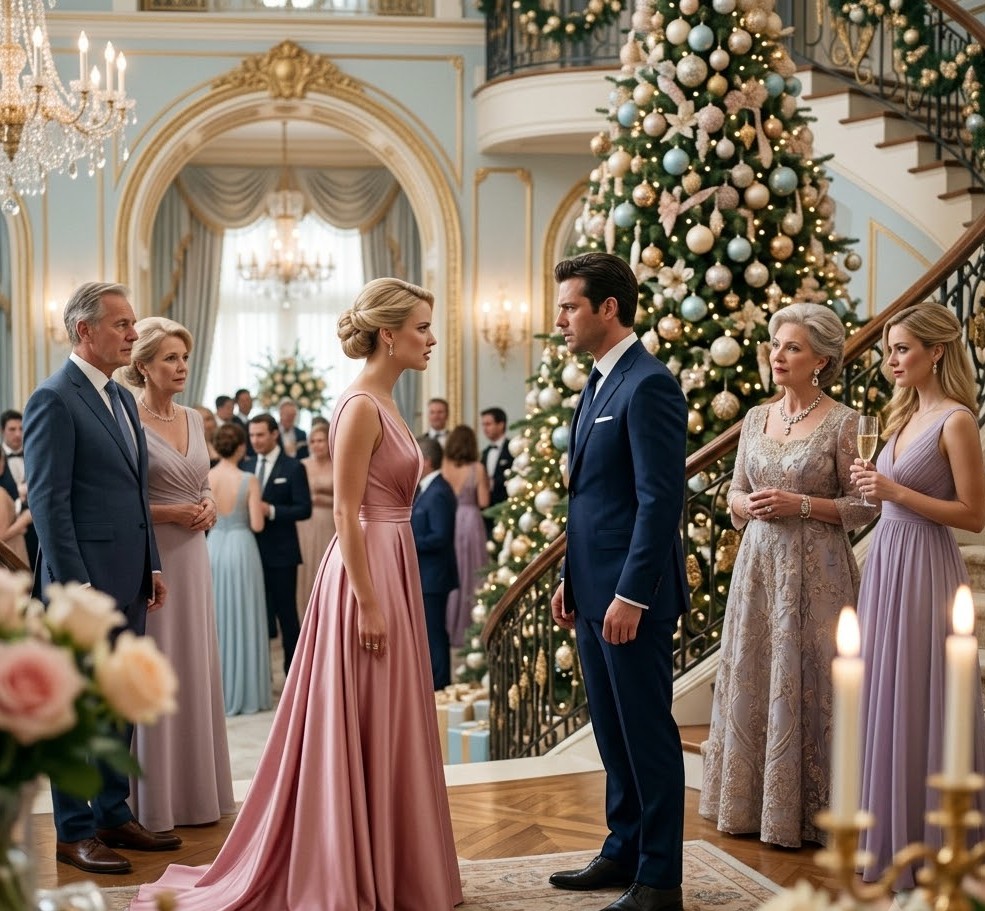
Edwin’s furious dismissal left me reeling, but not defeated. His anger was a shield, a desperate attempt to protect his carefully constructed reality. But I knew the truth, and I knew where to find the chink in his armor. He might ignore the general entries, but there was one detail in Finch’s ledger, a tiny, seemingly insignificant mark, that I knew would cut through his denial like a knife.
I returned to Silas’s office, the sting of Edwin’s accusations still fresh. I recounted the disastrous confrontation, his unwavering defense of Ophelia, his outrage at my “spying.”
Silas listened, a grim set to his jaw. “Stubborn fool. They always are, when the truth is ugly enough.”
“He called it a fabrication,” I said, my voice heavy. “He accused me of forgery, of trying to ruin his family out of spite.”
Silas picked up the ledger, flipping to a specific page. “He can deny all he wants, but this book has a language he understands. A secret language.”
I pointed to the entry for the “Special Consideration Fee – City Permit – $5,000,” the very payment that had triggered Ophelia’s slander against my father. Next to the sum, in Arthur Finch’s precise hand, was a small, almost imperceptible annotation: a tiny, stylized ‘L’ nestled within a larger, more elaborate ‘L’. It was so subtle, so easily missed, that I had overlooked it at first. Silas had pointed it out during our previous session.
“He dismissed the entire entry for the city permit,” I explained to Silas. “But I remembered you pointing out this mark.”
Silas nodded. “This, Eleanor, is the key. The code’s betrayal.”
He then revealed a secret, a childhood game that Edwin and Ophelia had played, a private language known only to them. When they were children, conspiring against their governess or hiding sweets, they would use a specific symbol: a smaller ‘L’ (for Livingston) drawn inside a larger, ornate ‘L’. It was their secret mark, signifying “Livingston Family Secret – Keep Hidden.” It was a childish game, yes, but it spoke of a shared history, a specific, intimate detail that only they would recognize as a signal for illicit activity. This petty cruelty was a double betrayal, the family code used to hide a crime against the very city it was meant to protect.
“This is their childhood cipher,” Silas confirmed, his voice low. “A secret mark they used for their private schemes. Finch, being a creature of habit, and perhaps a touch too confident, used it to confirm the nature of the transaction. A nod to his employers, a private assurance that the payment was indeed for what it seemed, and not to be questioned.”
The knowledge hit me with a jolt. This wasn’t some vague symbol. This was *their* symbol. A recognition of shared illicit activity, a silent acknowledgment between conspirators. It transcended any legal jargon or complex financial maneuver. It was personal.
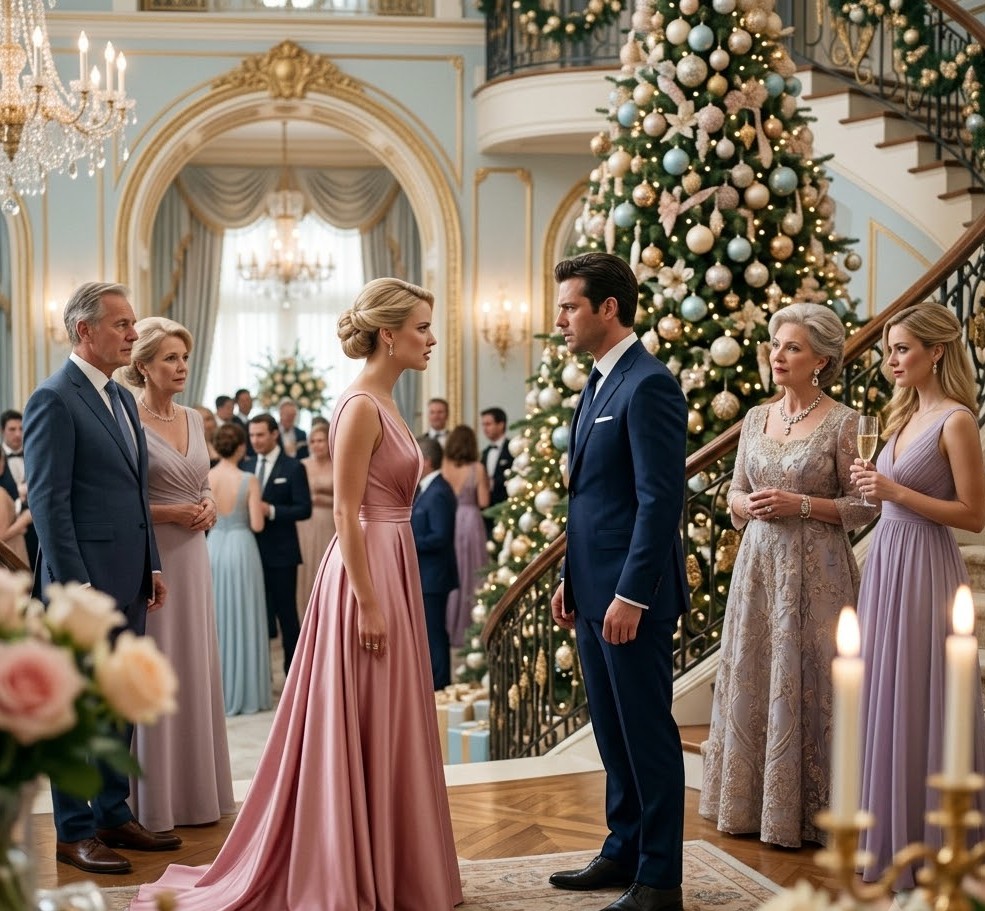
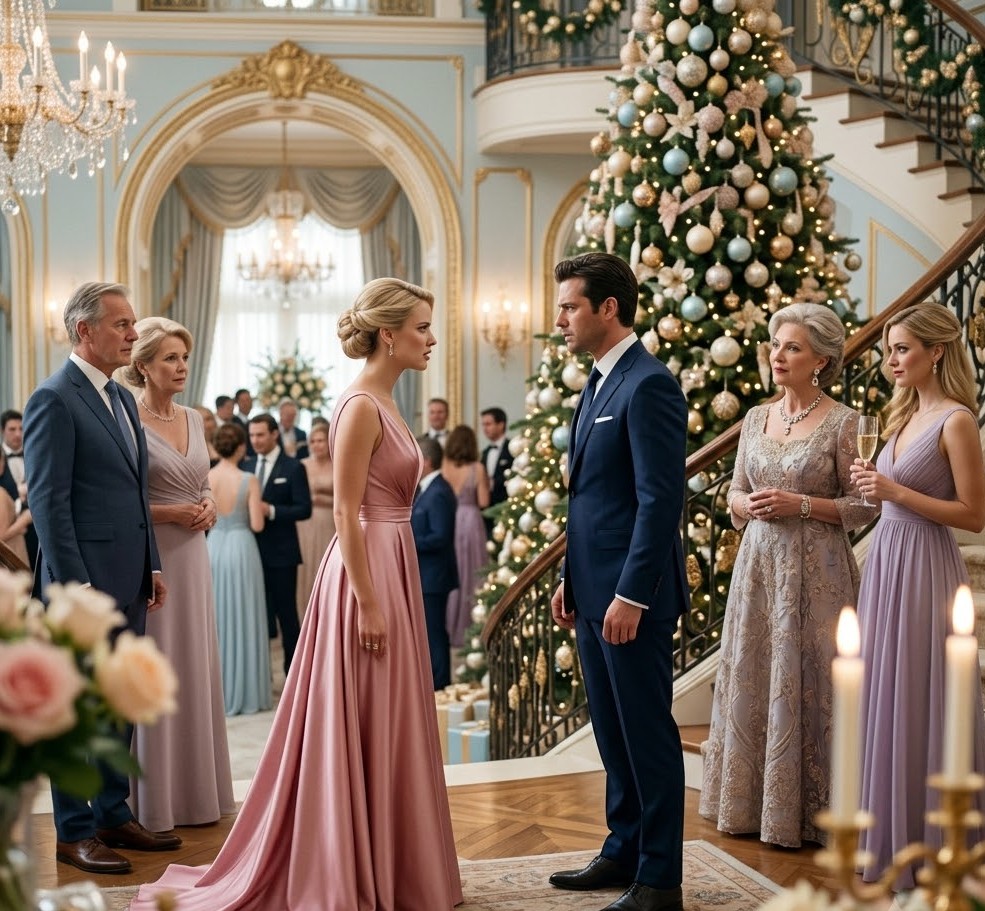
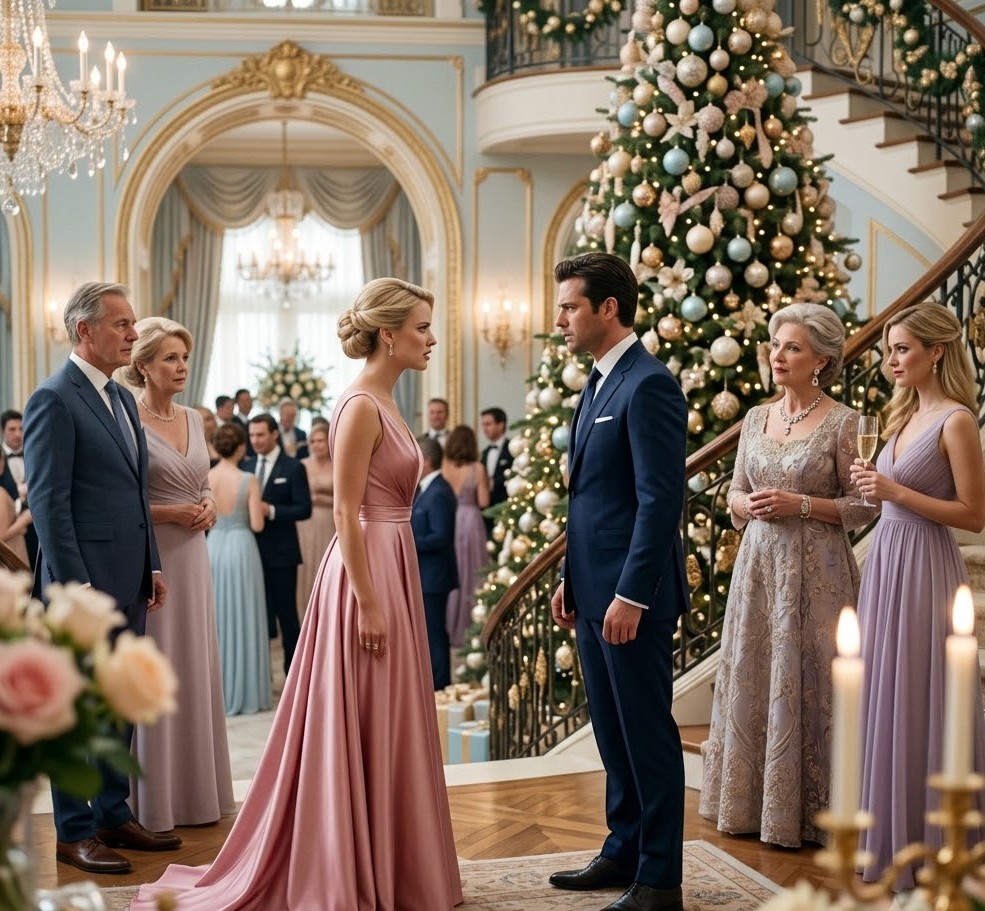
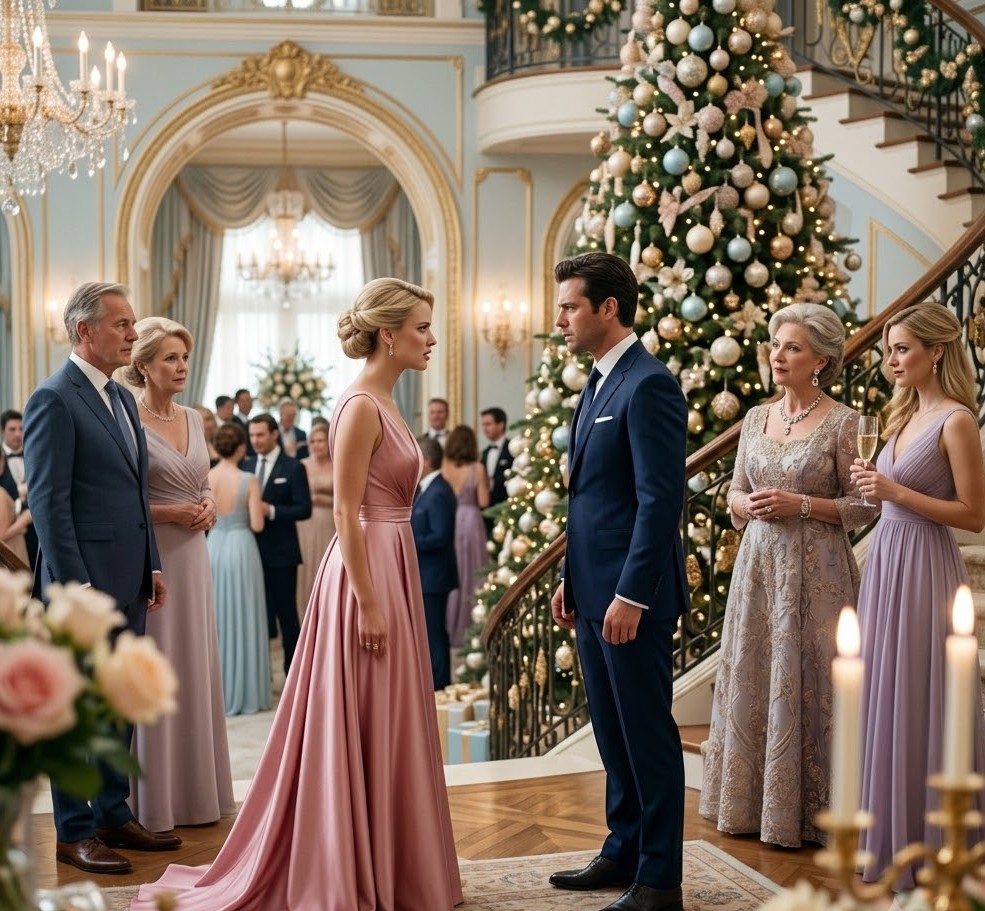
I knew then what I had to do. I marched directly back to Edwin’s study, the ledger clutched in my hand. This time, I didn’t knock. He looked up, his face still etched with annoyance.
“I told you, Eleanor, I will not discuss this further,” he began, his voice sharp.
“You will discuss this, Edwin,” I retorted, my voice firm. “Because you’re going to explain this.”
I laid the ledger open again, pointing a steady finger to the specific entry, the $5,000 payment for the city permit, and then, crucially, to the tiny, stylized ‘L’ nestled within the larger ‘L’.
“Look at this, Edwin,” I commanded, my voice betraying no emotion. “Look very closely at Finch’s handwriting. At that particular mark.”
He leaned forward, his eyes narrowed, an impatient sigh on his lips. He glanced at the entry, his gaze following my finger. His eyes lingered on the peculiar annotation. For a moment, his face remained impassive. Then, slowly, almost imperceptibly, his eyes widened. The color drained from his face, leaving his skin a pale, ashen grey.
His hand, which had been resting casually on his desk, clenched into a tight fist. His gaze remained fixed on the ledger, his breath catching in his throat. The haughty dismissal, the anger, the practiced indifference—all of it crumbled, replaced by a look of dawning horror.
His jaw tightened, a muscle jumping in his cheek. He looked up at me, his eyes now wide with a terrible, sickening realization. The denial had vanished. The bluster was gone. In its place was a cold dread, an understanding of the full extent of Ophelia’s betrayal, and his own willful blindness. That tiny, childish mark, a relic of their shared past, was the undeniable proof he could no longer ignore.
“That’s…” he began, his voice raspy, a mere whisper. “That’s impossible.”
“Is it, Edwin?” I asked, my voice devoid of triumph, only a deep sadness. “Is it impossible that your beloved sister, your ‘spirited’ Ophelia, has been using your family’s legacy to commit fraud, bribery, and theft, all while dragging my family’s name through the mud as a convenient diversion?”
He said nothing, only stared at the ledger, then at me, then back at the ledger, the weight of the truth crushing him under its undeniable force. The code, their private secret, had finally betrayed him. His world, built on carefully curated illusions, had just shattered. The fight had taken a decisive turn.
More Stories

















+ There are no comments
Add yours