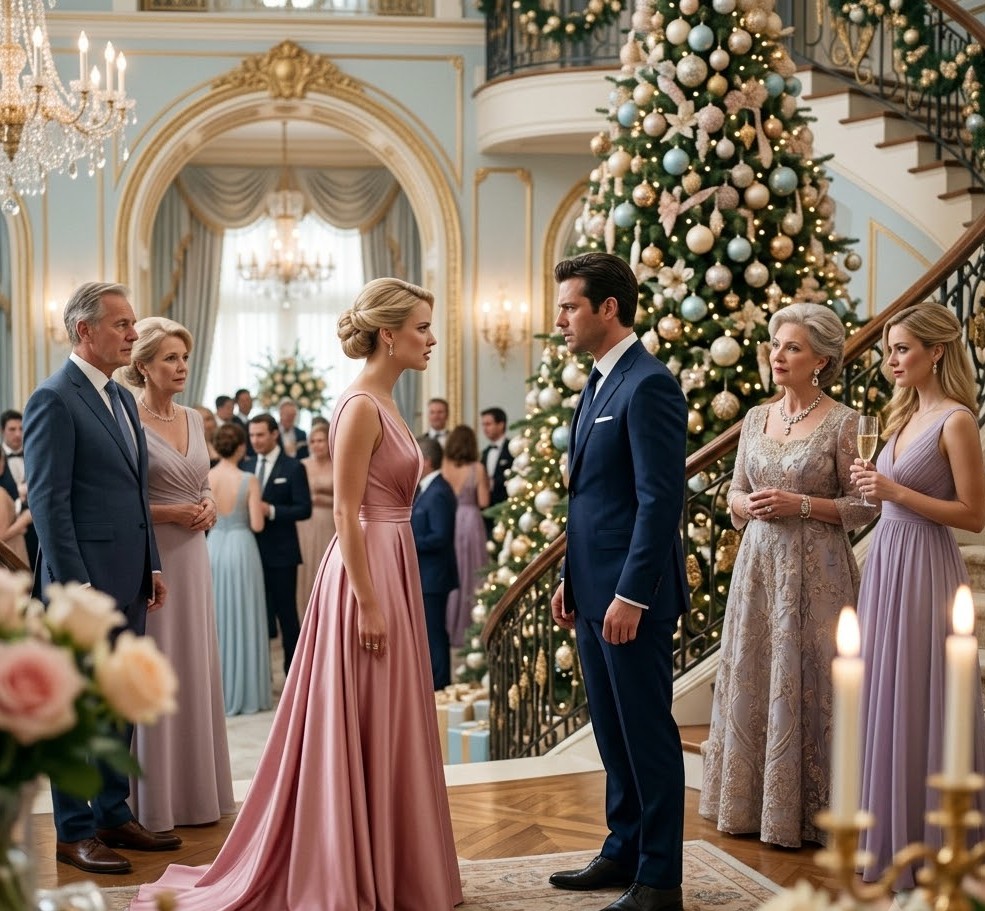
The Roaring Twenties Scandal: A Socialite's Ultimatum at a High-Society Gala Sparks a Vicious Battle for Reputation and Fortune





As soon as William was settled with a fresh glass of milk and his favorite book of adventure stories, with strict instructions to stay in his room, I hurried to my own study, the leather-bound ledger clutched tightly in my hands. My fingers still trembled from the sheer shock of William’s discovery. This small, unassuming book held the potential to either condemn or vindicate, and my instincts screamed that it would be the former.
I spread the ledger open on my desk, the faint scent of old paper and leather filling the air. My eyes scanned the pages, taking in the neat, precise script. It was instantly recognizable. Arthur Finch. There was no mistaking his meticulous, almost calligraphic handwriting, a meticulousness that now seemed chillingly sinister.
The initial entries seemed innocuous enough: dates, sums, brief descriptions. But as I flipped further, the pattern began to emerge. Irregular payments, large disbursements, often marked with cryptic codes instead of clear explanations. And consistently, alongside these peculiar transactions, were entries detailing “consulting fees” paid to A. Finch.
The first few pages showed what appeared to be legitimate expenditures, but soon the entries shifted. One series of entries stood out, marked with the code “OV.” Beneath it, a substantial sum—$7,000—was noted. Beside the sum, in smaller, almost illegible script, was the date: October 1924. This was precisely when Ophelia had taken her extravagant trip to Paris, a trip I now understood was funded by stolen money. The petty cruelty here was the audacious theft from a charity, recorded with such nonchalant bureaucratic precision.
Another series of entries, marked “WVR,” clearly corresponded to the “WWI Veteran Relief” payments Silas had spoken of. But instead of the names of veteran organizations, the payee column often listed names of shell corporations, names that sounded vaguely familiar from Silas’s earlier reports. One such entry read: “Payment to ‘Liberty Bridge Holdings’ for ‘Discretionary Services,’ $12,500.” The date aligned with Ophelia’s purchase of a new diamond necklace, a purchase she had flaunted at a society luncheon.
The pattern was unmistakable. This was a detailed, meticulously kept record of Ophelia’s embezzlement from the Livingston Charitable Trust. Finch hadn’t just been complicit; he had been the architect, the meticulous hand that documented every stolen dollar, every false transaction. His fees were simply his price for silence, his reward for enabling her corruption.
I ran my finger down a column of numbers, the sheer scale of the theft beginning to truly sink in. Tens of thousands of dollars, syphoned away from those who needed it most, all to fuel Ophelia’s insatiable greed and desire for superficial splendor. The casual way these significant sums were moved, with simple codes and vague descriptors, spoke volumes about the audacity of their scheme.
I thought of the bank manager, Mr. Harrison, refusing me access to my modest funds, citing “reckless spending.” The sheer hypocrisy was stomach-churning. While I was being publicly shamed and financially strangled for imagined indiscretions, Ophelia was systematically looting a charitable trust, with Finch documenting every criminal act in this very ledger. The petty cruelty wasn’t just in the theft; it was in the deliberate contrast, the flaunting of stolen wealth while others were left destitute, all meticulously recorded in this quiet book.
My gaze fell upon a particular entry, circled in red ink by Finch’s hand: “Special Consideration Fee – City Permit – $5,000.” The date was circled as well: March 1923. My mind raced, trying to connect this to any event I knew. City permit, special consideration… the language was thinly veiled. This hinted at bribery, another layer of criminality, perhaps even more dangerous than the embezzlement.
This ledger was not merely a record of theft; it was a damning testament to Ophelia’s extensive network of corruption. Finch had diligently recorded it all, perhaps as a form of self-preservation, a detailed chronicle of his own involvement, should Ophelia ever try to cut him loose. It was his insurance policy, now in my hands.
I closed the ledger, the weight of it suddenly feeling immense. I needed Silas. He would know how to interpret the more cryptic entries, how to trace the shell corporations, how to use this meticulously documented evidence to expose Ophelia and Edwin. My son, in his innocent search for answers, had found the smoking gun. This small, worn book, now fully revealed as a record of sophisticated fraud and personal betrayal, was the undeniable proof I needed to fight back. It was Ophelia’s undoing, penned by her own accomplice.
More Stories











+ There are no comments
Add yours