
The Roaring Twenties Scandal: A Socialite's Ultimatum at a High-Society Gala Sparks a Vicious Battle for Reputation and Fortune
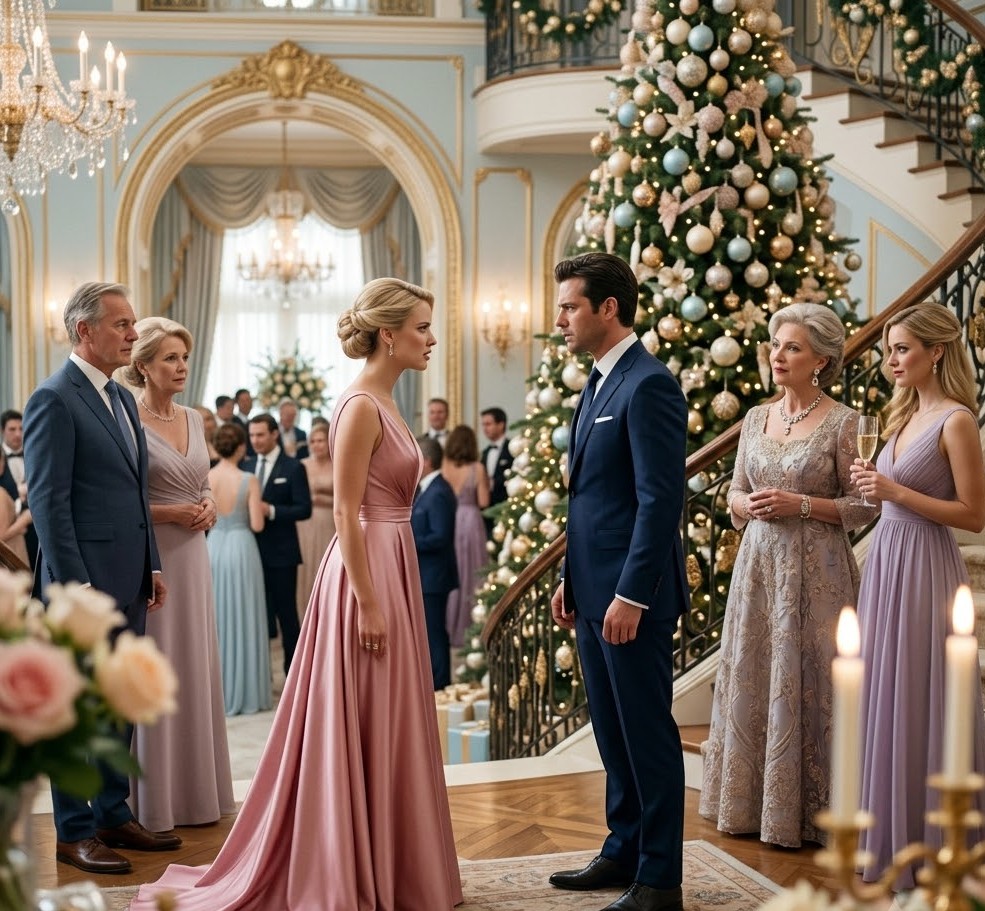

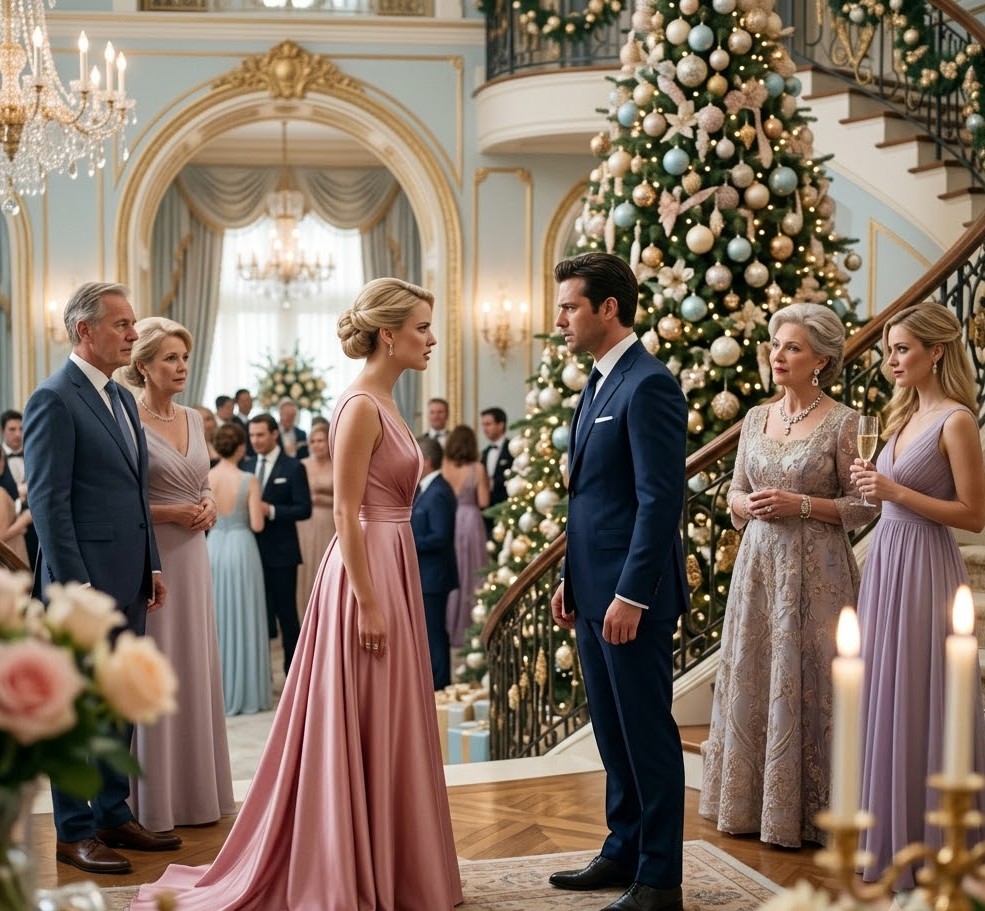
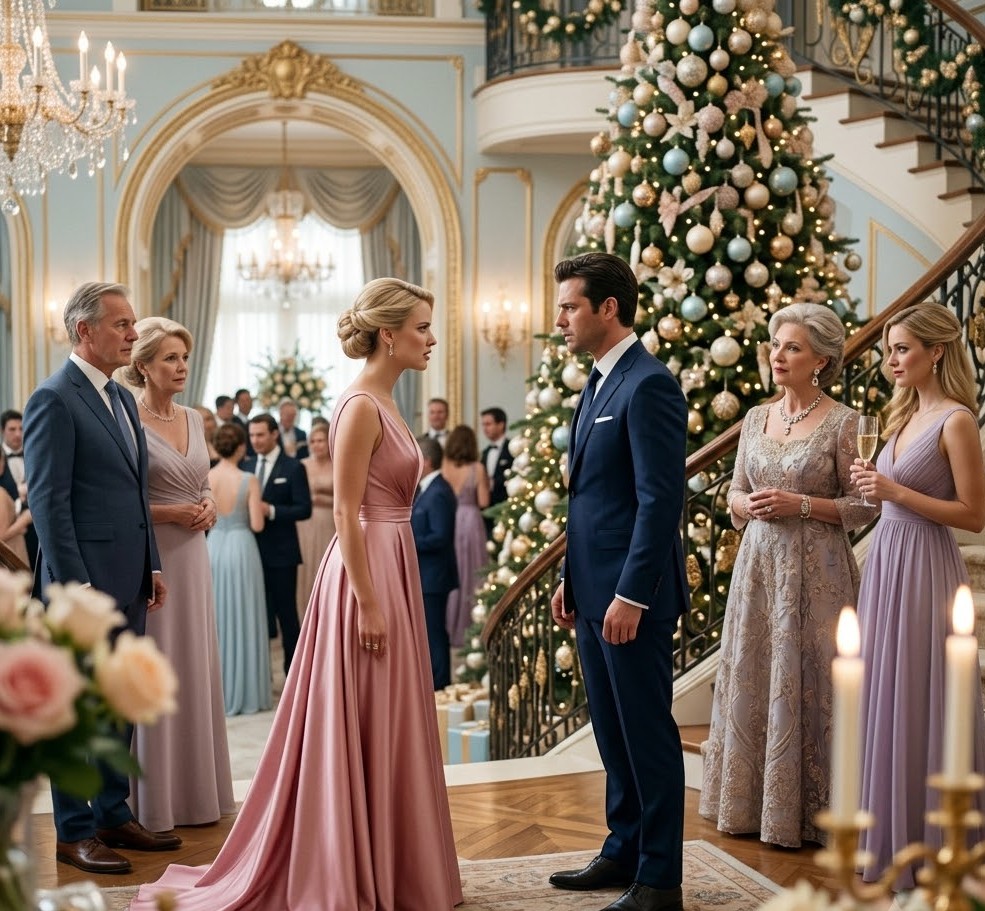


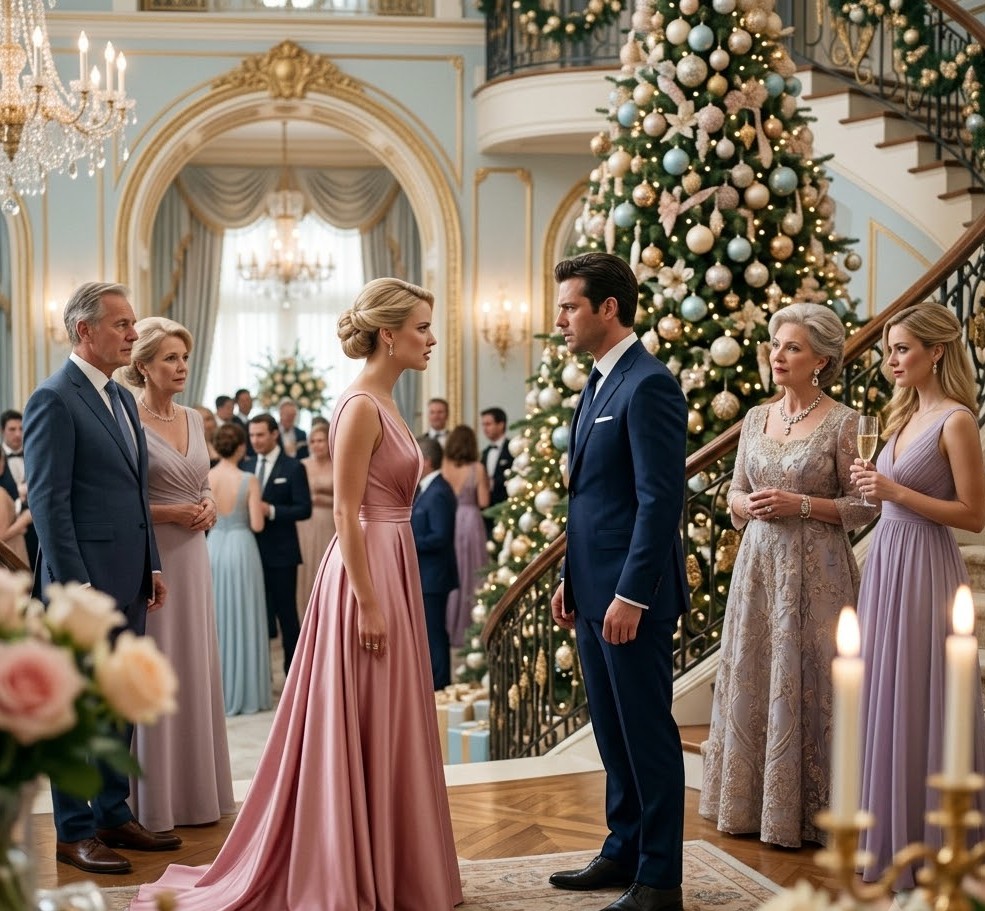
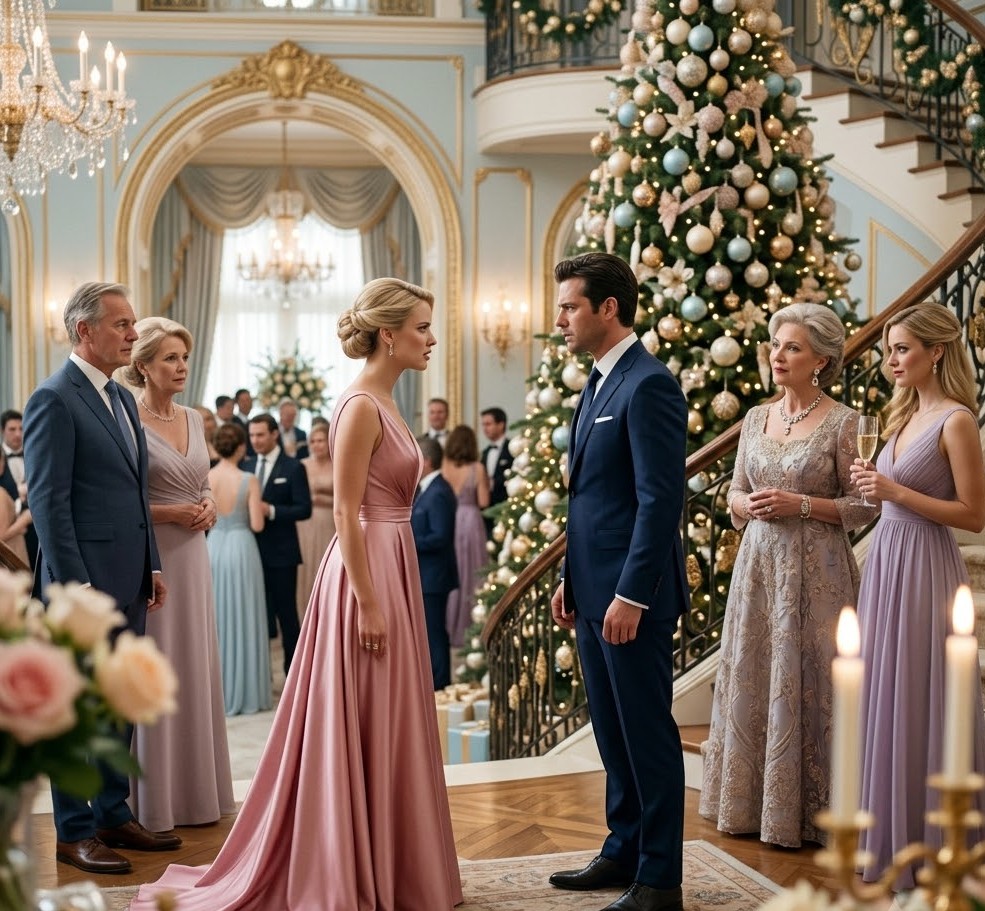
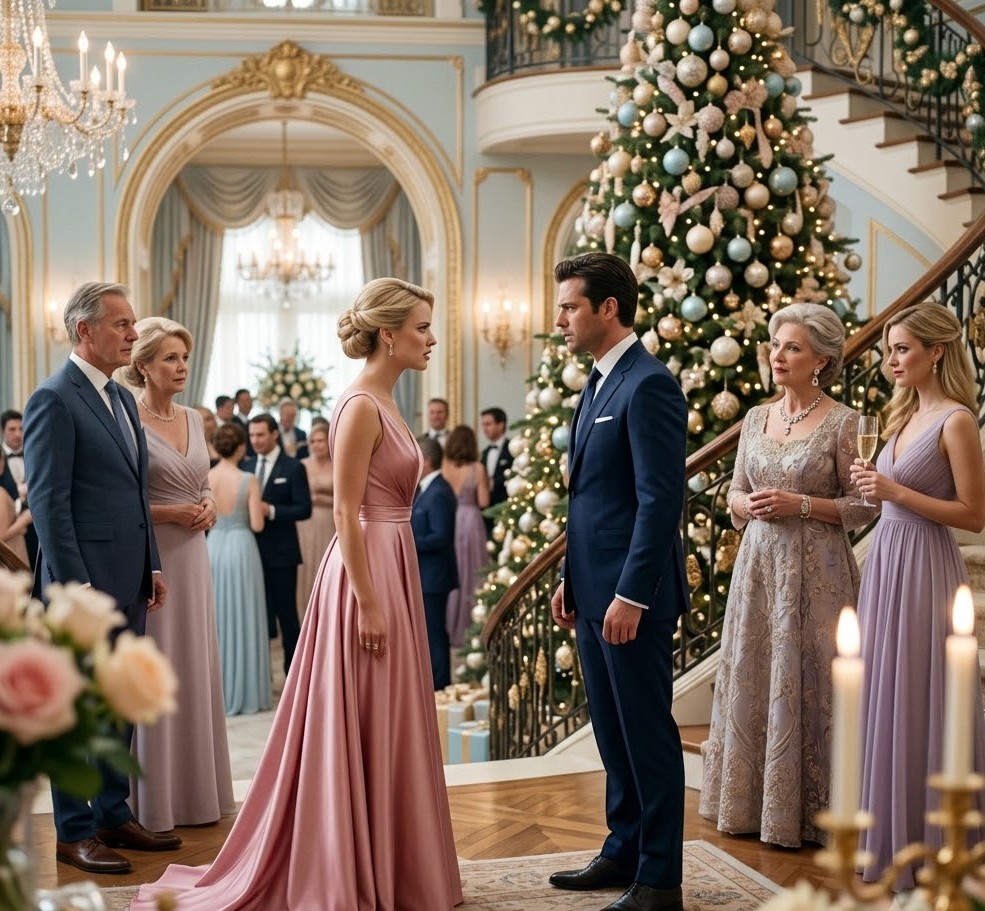
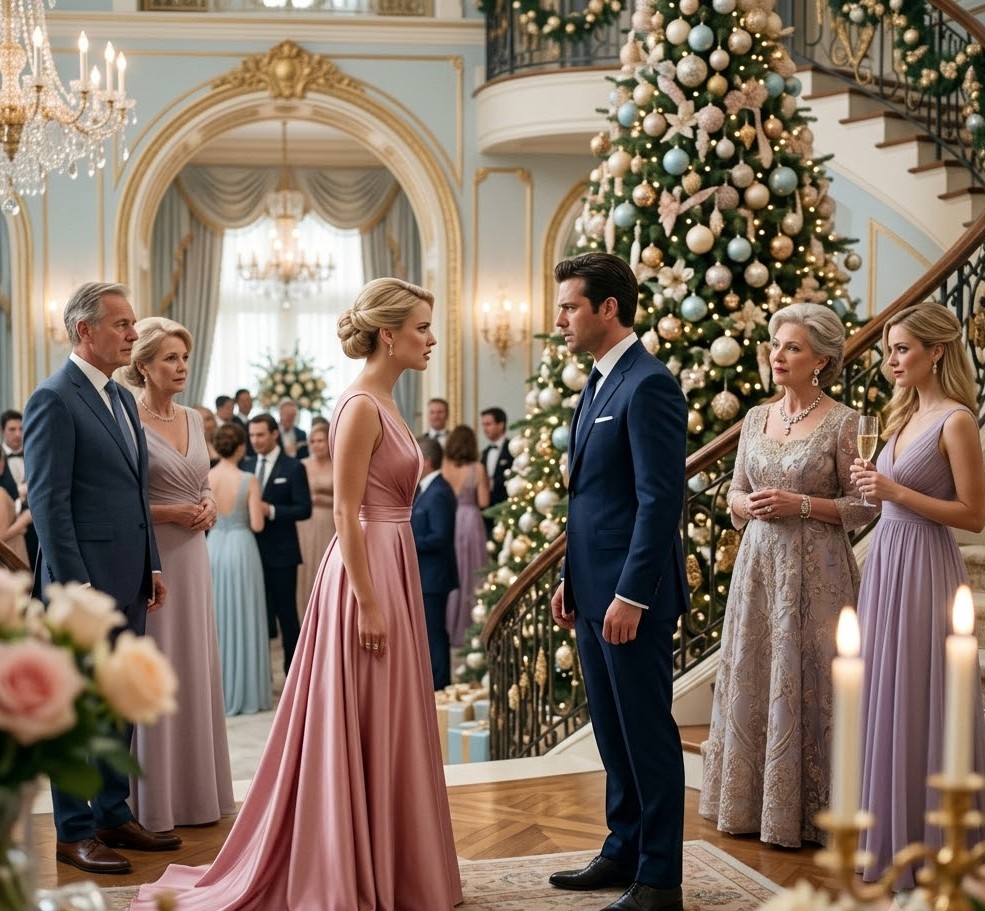
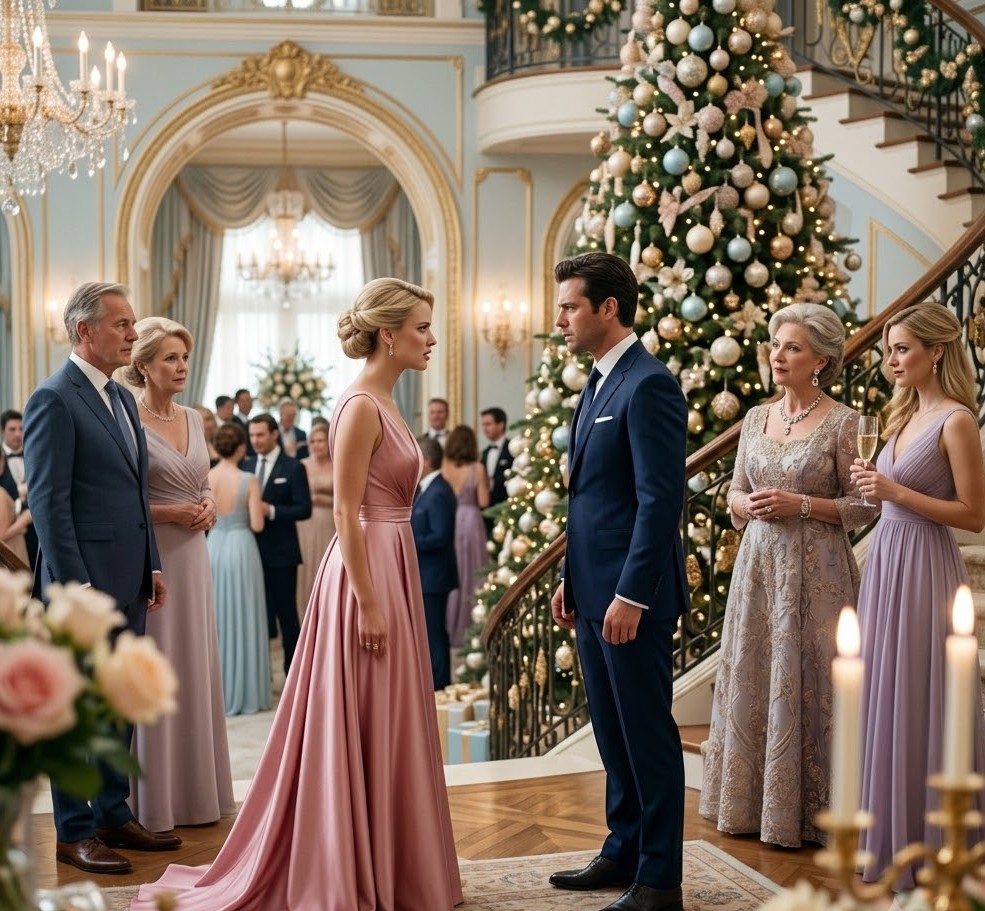
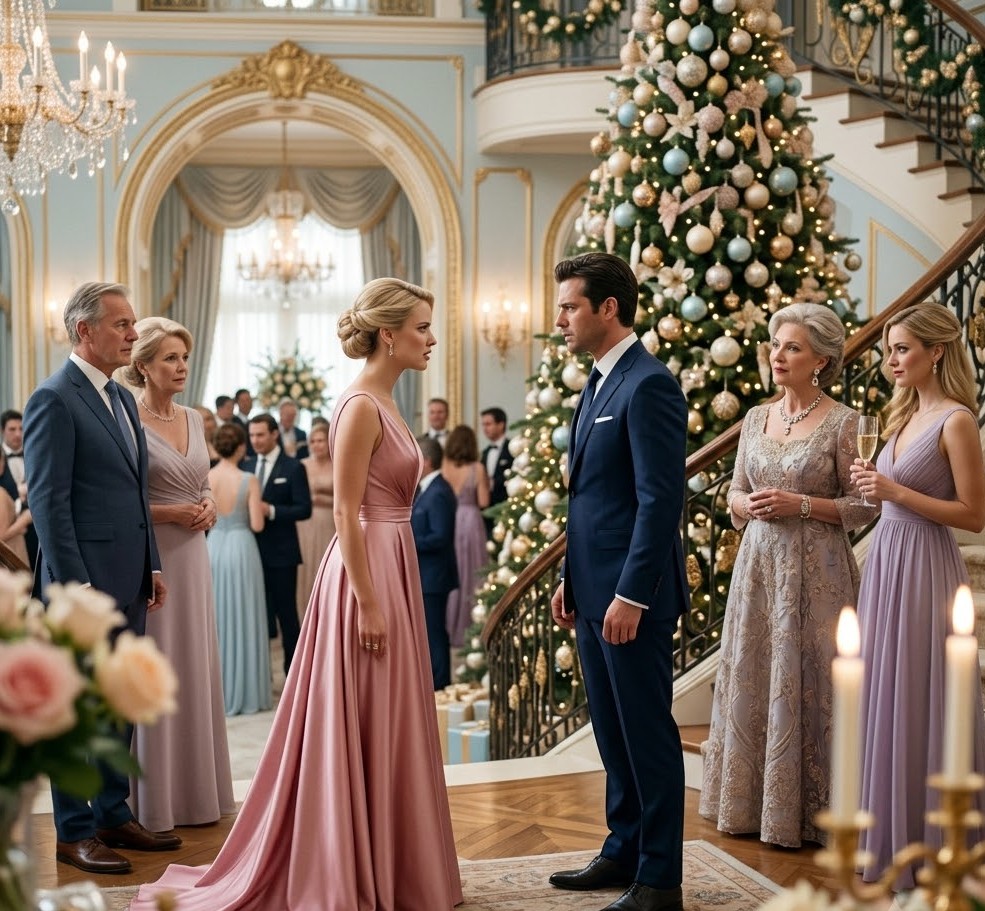

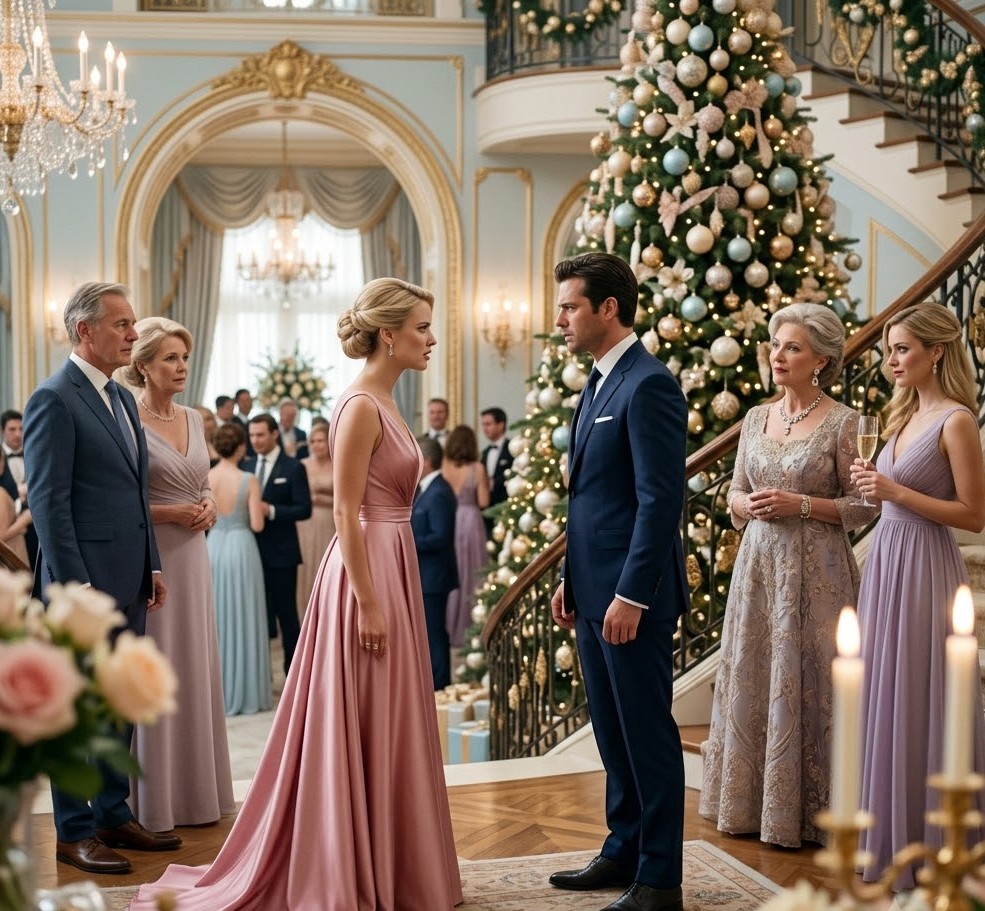
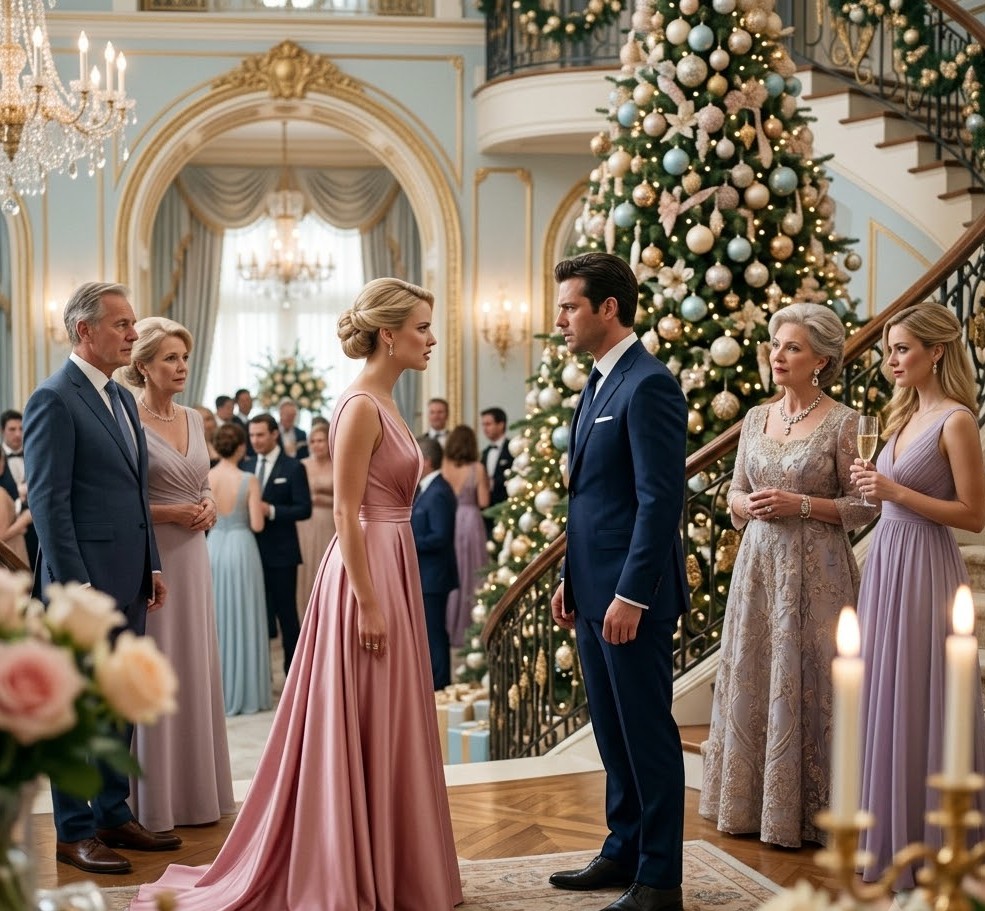
In the quiet aftermath, a different kind of justice unfolded. Edwin, humbled and shamed, delivered on his promises with a quiet efficiency. My parents, Mr. and Mrs. Albright, received a formal, albeit understated, apology from Edwin. He visited them at their modest home, bringing no fanfare, only a solemn sincerity that surprised them.
He admitted his blindness, his error in judgment, and stated unequivocally that the accusations leveled against Mr. Albright were malicious fabrications orchestrated by Ophelia. It wasn’t shouted from the rooftops, but the message was relayed through discreet channels, amplified by Edwin’s newfound earnestness. Within weeks, the whispers that had tarnished their names began to fade, replaced by a quiet respect. My father’s good name, though bruised, was finally restored. It was a tangible act of grace, a profound gesture of reparation that meant more than any public declaration.
My divorce proceeded with remarkable speed, now entirely uncontested. Edwin, stripped of his denial and complicity, ensured that my settlement was generous, granting me true financial independence. He didn’t fight me; he simply facilitated my freedom. I retained the house where William and I lived, along with a substantial trust fund for William’s future and my own comfortable support.
William, though still young, sensed the shift. The tension that had clouded our home for months slowly dissipated. He saw his mother, not as a woman on the brink, but as a figure of quiet strength. There was a lightness in my step, a new clarity in my eyes that had not been there before. He didn’t understand the intricacies of my battle, but he understood the feeling of peace returning to our lives. One afternoon, he drew a picture of me, standing tall, holding a small, unidentifiable book, with a faint smile on my face. It was his innocent acknowledgment of my victory, a silent echo of applause.
Silas O’Malley, ever discreet, had simply faded back into the city’s shadows. He accepted a modest payment for his services, a token of my gratitude, but the true payment, I knew, was the satisfaction of a debt repaid, an old kindness returned. His network, a silent force, had ensured Ophelia’s flight was monitored, her attempts to gather liquid assets unsuccessful, securing her final, desolate exile.
Ophelia Livingston vanished from New York society as completely as if she had never existed. Her name was quietly struck from social registers, her memberships revoked, her presence in the city erased. She moved to a small, unassuming town upstate, living a life of quiet anonymity, under the vigilant, if distant, financial oversight Edwin had arranged. Her avarice and cruelty had cost her everything she cherished: wealth, status, and the very illusion of belonging. She was a ghost in her own life, a fate more crushing to her than any prison sentence.
The dust began to settle. The grand Livingston mansion, once a gilded cage, now felt like a transition point. My own future, once uncertain, stretched before me, clear and open. I had fought not just for myself, but for the honor of my family, for truth against manipulation, and I had emerged, bruised but whole, ready to embrace a new chapter, free from the suffocating grasp of the Livingston legacy. The quiet victory, far from the roar of a gala, was profound.
More Stories















+ There are no comments
Add yours