
The Roaring Twenties Scandal: A Socialite's Ultimatum at a High-Society Gala Sparks a Vicious Battle for Reputation and Fortune
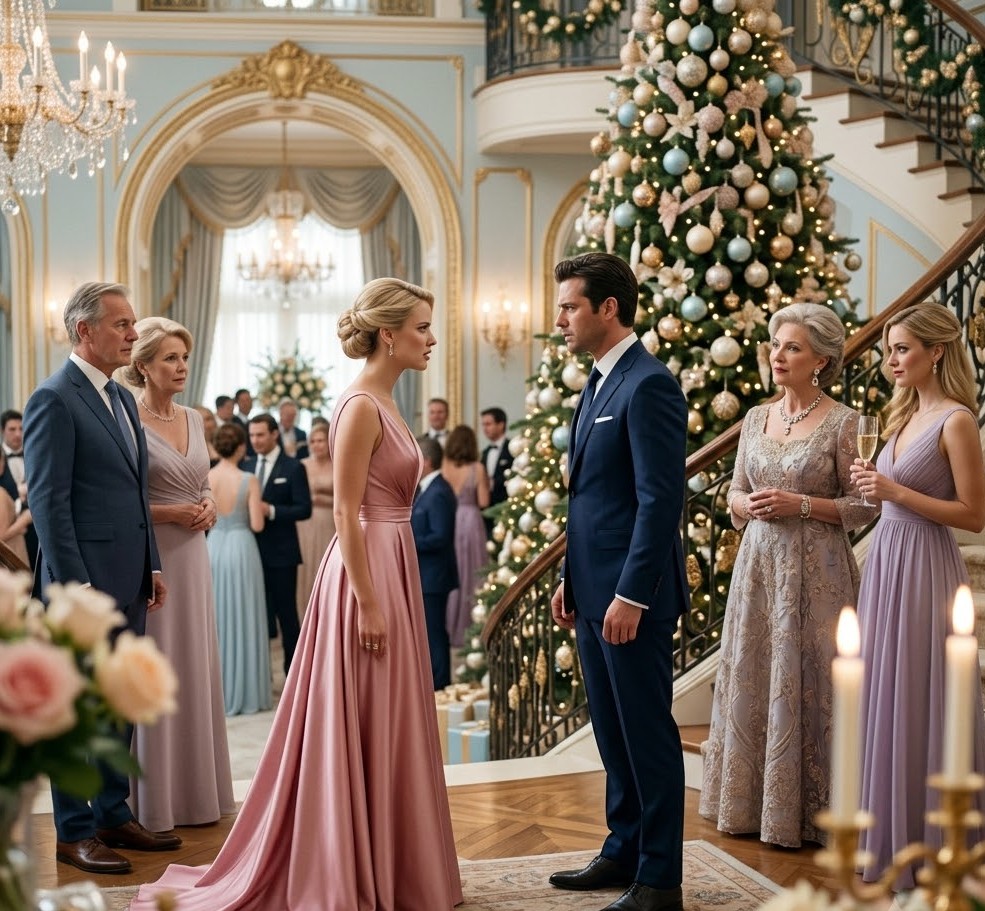

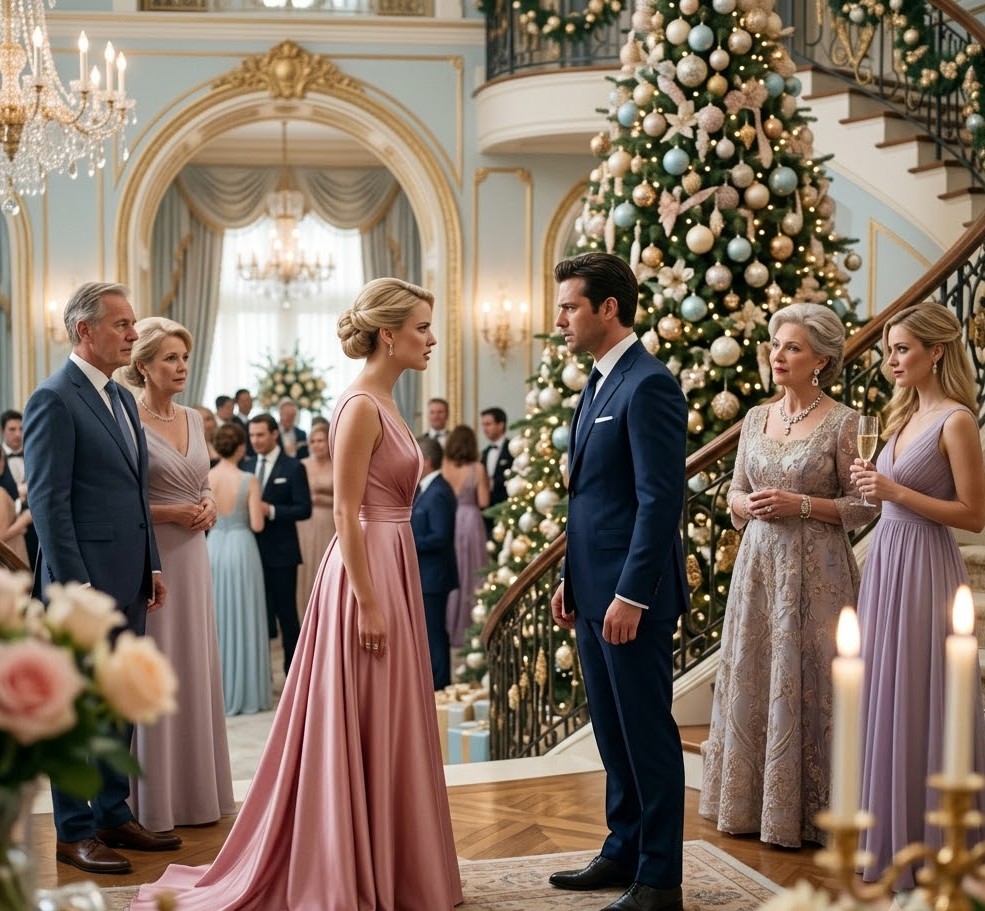
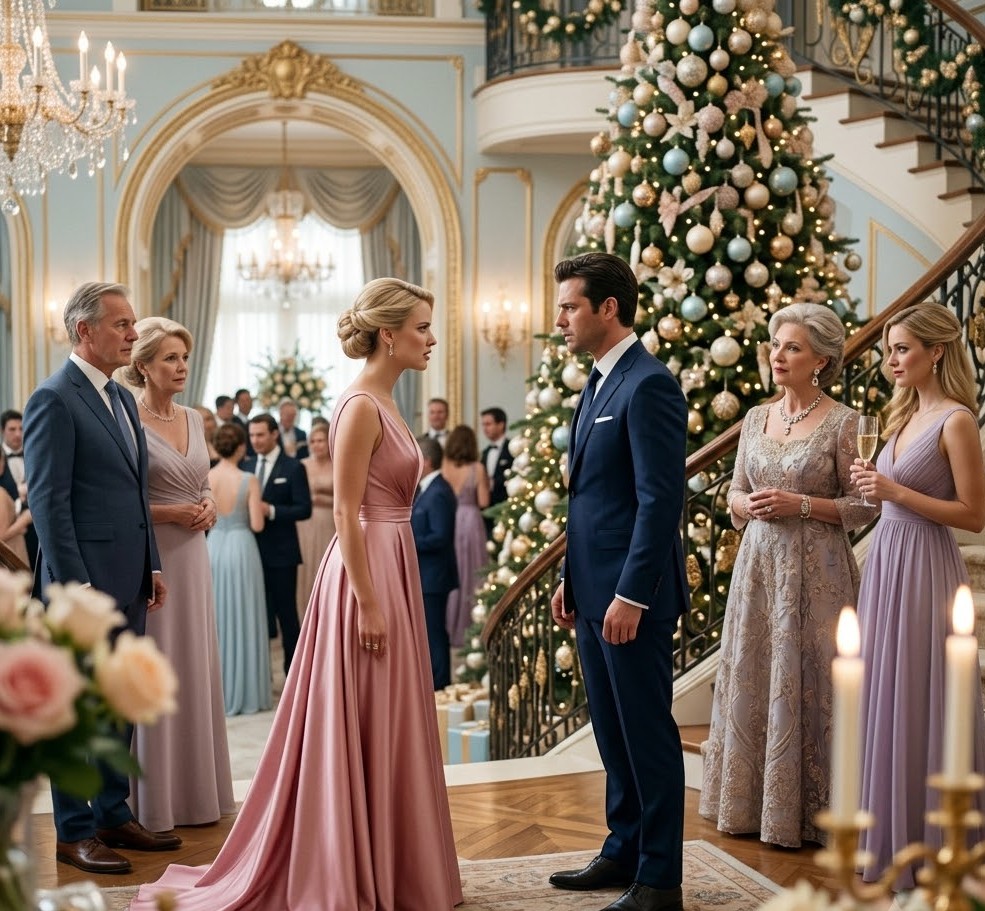


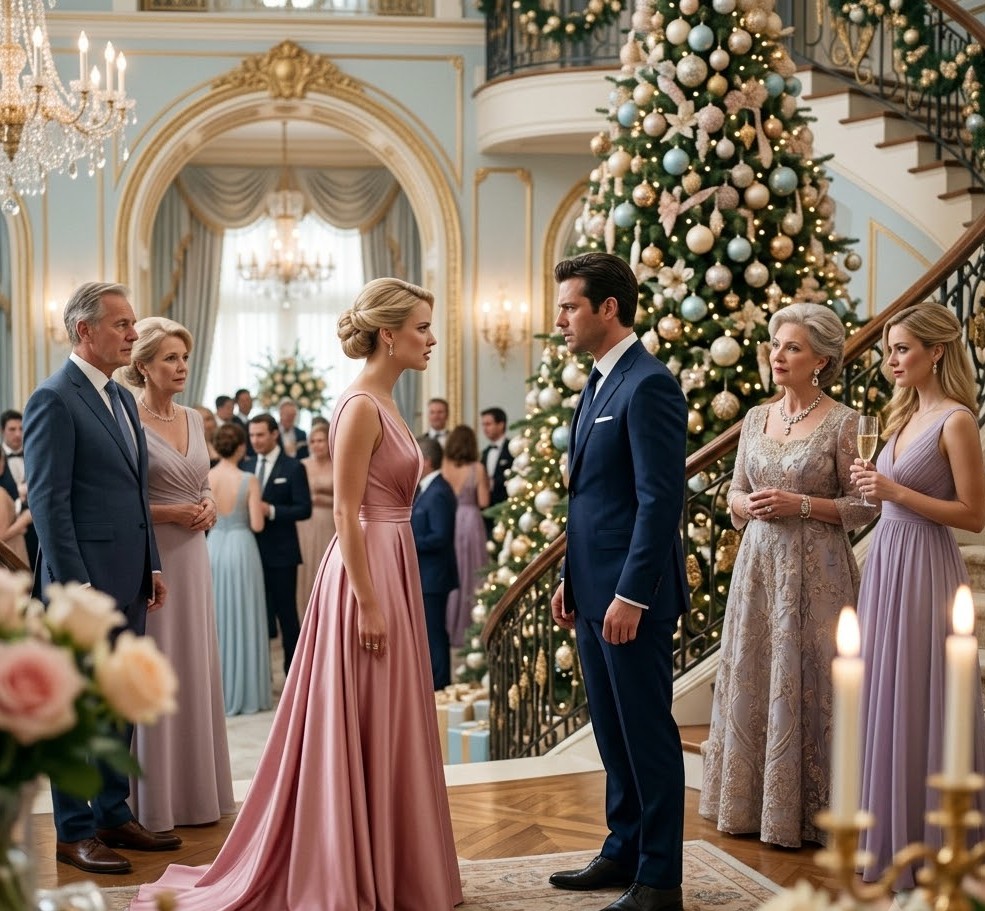
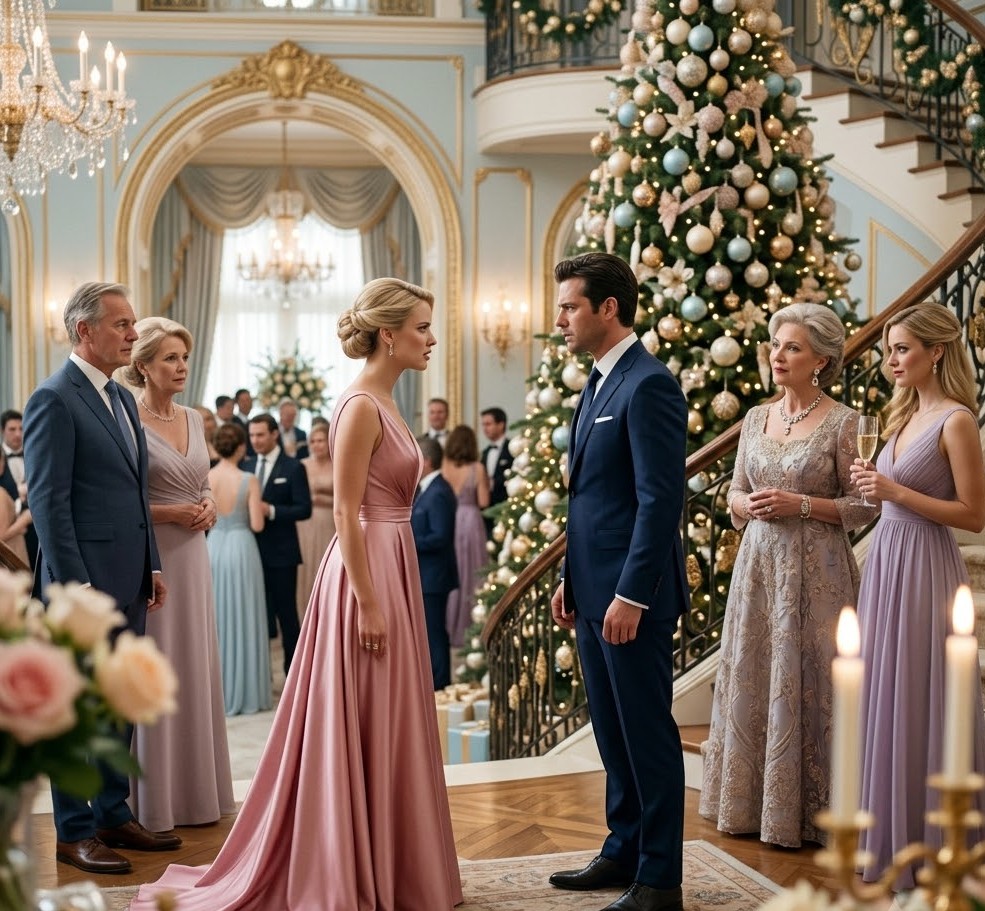
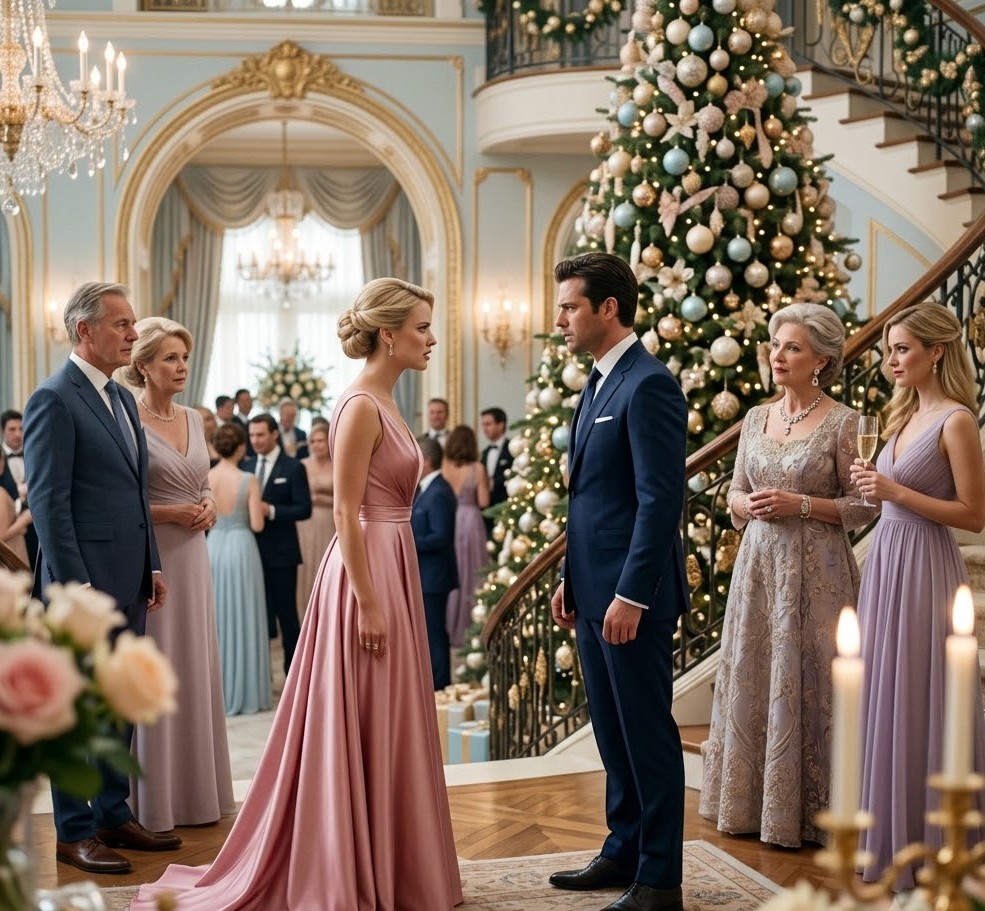
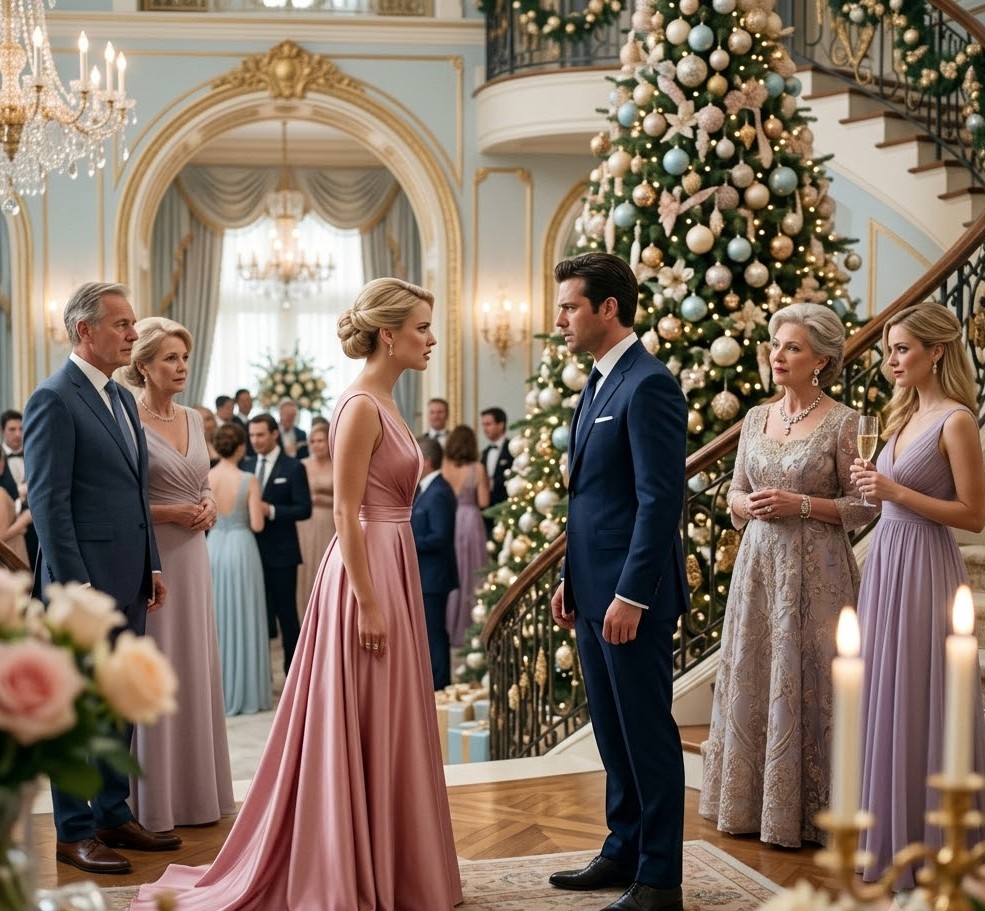
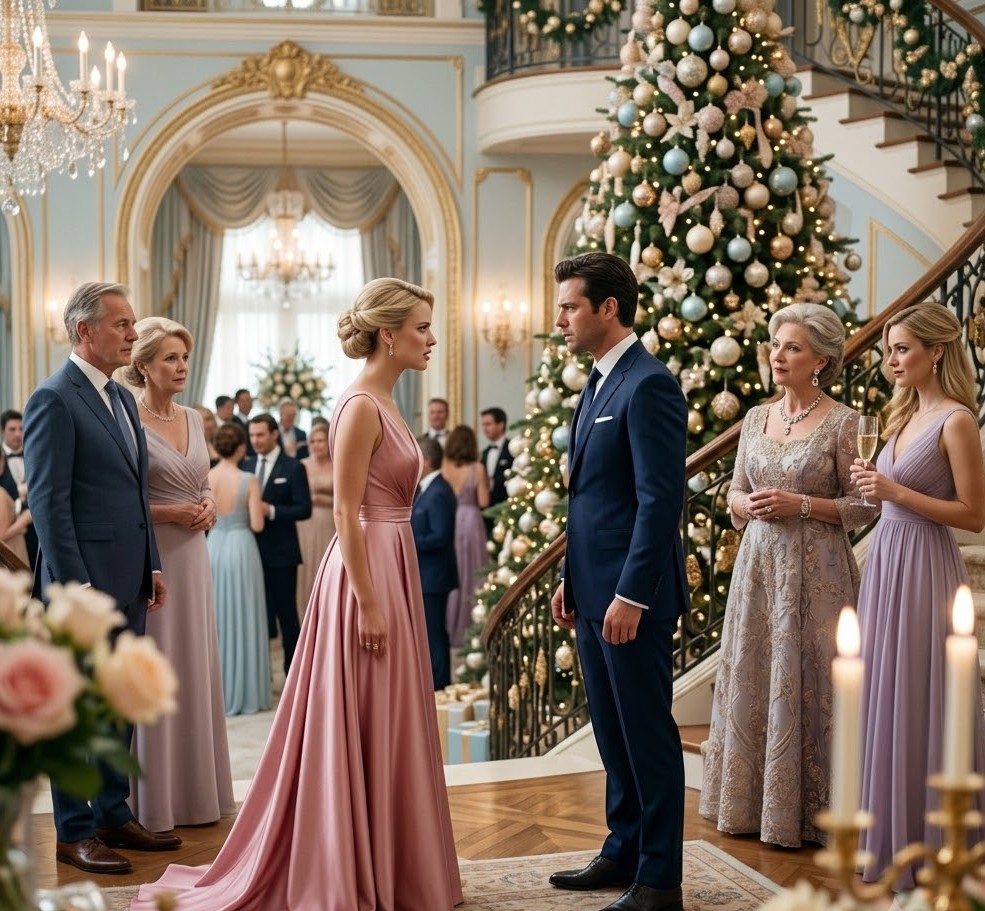


Silas O’Malley’s office felt like a sanctuary from the relentless scrutiny of high society. The smell of pipe tobacco was oddly comforting, a stark contrast to the cloying perfumes and gossip that filled the drawing rooms I had just endured. I recounted the incident at the tea, the cutting remarks, the deliberate character assassination.
Silas listened, nodding occasionally, his expression grim. “She’s good, that Ophelia,” he observed, slowly exhaling a plume of smoke. “A real viper, hiding in plain sight.”
“She’s determined to make me out to be a greedy, unstable woman,” I said, my voice tight with frustration. “She’s not just hurting me; she’s twisting the knife against my parents, too.”
Silas set his pipe down in the ashtray, the amber glowing for a moment before fading. “That’s why we don’t just fight fair, Eleanor. We fight smart. And my network has been busy. They found something interesting, something that ties directly into Ophelia’s character, and her financial desperation.”
My heart quickened. “What did you find?”
He leaned forward, his voice dropping to a low, conspiratorial whisper. “The Livingston Charitable Trust. A noble cause, on paper. Administered by Edwin’s father, but with Ophelia taking a very ‘active’ role in its management over the last few years.”
I knew of the Trust. It was a substantial endowment, providing funds to various community projects, including some of the veterans’ relief efforts Ophelia so loudly championed. She often used it as a platform for her own social standing.
“My people,” Silas continued, “found irregularities. Large sums, untraceable disbursements, all marked as ‘WWI Veteran Relief’ payments.” He paused, letting the implication sink in. “But these payments, they weren’t going to established veteran organizations. They were routed through a series of shell corporations. Ghost companies, all of them.”
A cold knot formed in my stomach. “Shell corporations? For veteran relief?”
Silas shook his head. “No, Eleanor. Not for veteran relief. For Ophelia’s relief.”
“You mean… embezzlement?” I whispered, the word feeling foreign and dangerous on my tongue.
“Exactly,” he confirmed. “My sources indicate these ‘payments’ conveniently align with Ophelia’s sudden lavish spending sprees from the previous year. New furs, a trip to Paris, extravagant jewelry. The kind of things that require a rather significant influx of cash.”
This was the true extent of Ophelia’s depravity. It wasn’t just a failed investment that nearly wiped out a youth endowment, as he’d told me earlier. It was systematic theft from a fund dedicated to WWI veterans, men who had sacrificed everything for their country. The petty cruelty here was stark: she was literally stealing from the wounded and deserving, all to fuel her own frivolous desires and maintain a façade of wealth. The hypocrisy was breathtaking.
“So, she’s stealing from wounded soldiers,” I said, a bitter taste in my mouth. “And using the family’s name to do it.”
Silas nodded. “Precisely. And covering her tracks with a web of dummy companies and false records. It’s elaborate, and it’s dangerous. She’s not just a social climber; she’s a criminal.”
The implications were staggering. This wasn’t merely a character flaw or a social misstep. This was a crime that could destroy the Livingston family’s reputation far more thoroughly than any messy divorce. It would shatter the illusion of their philanthropy, revealing a corrupt heart at the core of their gilded existence.
“Does Edwin know?” I asked, a fresh wave of despair washing over me. How could he stand by and allow such a thing?
Silas shrugged. “Hard to say. The books for the Trust are complex. Ophelia had a hand-picked accountant, Arthur Finch, who handled the specifics. Finch is a meticulous man, known for his discretion, and not above a bit of creative accounting.”
Arthur Finch. The name surfaced from my memory. A quiet, unassuming man, always impeccably dressed, who handled many of the family’s financial affairs. He always seemed nervous, almost timid, but now I saw his caution as something far more sinister. He was complicit.
“So, Finch is involved,” I mused, piecing together the puzzle. “He would have created these shell corporations, drawn up the fake paperwork.”
“Likely,” Silas agreed. “He’s a professional. And professionals don’t come cheap, especially when they’re handling secrets this dirty. Finch would be getting a cut, or a very generous ‘consulting fee’ for his trouble.”
The thought of Finch, the meek accountant, orchestrating such a scheme made my stomach clench. It was another layer of betrayal, a quiet corruption festering within the very heart of the Livingston empire. Ophelia hadn’t just misled me; she’d created a criminal enterprise, using the family’s good name as a shield.
“How much are we talking about?” I asked, trying to grasp the scale of her theft.
Silas hesitated for a moment. “My best estimate? Over the past year, easily fifty thousand dollars. Maybe more.”
Fifty thousand dollars. In 1925, that was a truly staggering sum, enough to buy several large homes, or keep an entire orphanage running for years. The sheer greed, the casual disregard for the veterans’ welfare, was beyond comprehension. The petty cruelty here was the betrayal of trust, the moral void it represented, a casual disregard for those who sacrificed everything. It wasn’t just money; it was hope, dignity, and care, all pilfered for a new necklace or a weekend in Paris.
“And how can we prove this?” I asked, my voice laced with determination. “Shell corporations can be hard to trace, can’t they?”
Silas gave me a knowing look. “They are, for official channels. But my network operates a little differently. We have ways of looking behind the veils. We’re not looking for official records; we’re looking for the *real* records, the ones people keep tucked away when they don’t want the truth to see the light of day.”
He stood up, walking to a filing cabinet in the corner of his office. “This is just the beginning, Eleanor. Ophelia is deep in this. And the deeper we dig, the more desperate she’ll get. But we’re getting close to something concrete. Something that can’t be explained away as ‘reckless spending’ or ‘social indiscretions’.”
I watched him, a cold sense of dread mingling with a fierce resolve. The truth, when it finally emerged, would be far uglier than I had ever imagined. Ophelia was not just a cruel sister-in-law; she was a calculating criminal, and I was now standing on the precipice of exposing her. This discovery wasn’t just a twist; it was a fundamental shift in the nature of my battle. My divorce was no longer a personal slight; it was a matter of justice against a powerful, corrupt system.
More Stories

















+ There are no comments
Add yours