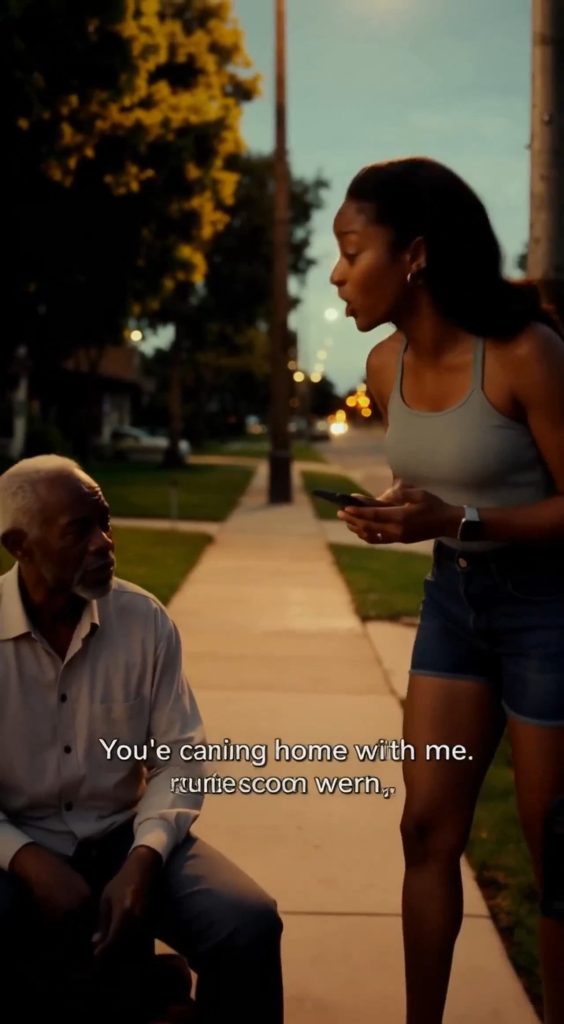
I stepped off the bus in West Philadelphia holding my four-year-old son’s hand, ready to surprise my parents with my culinary school diploma.


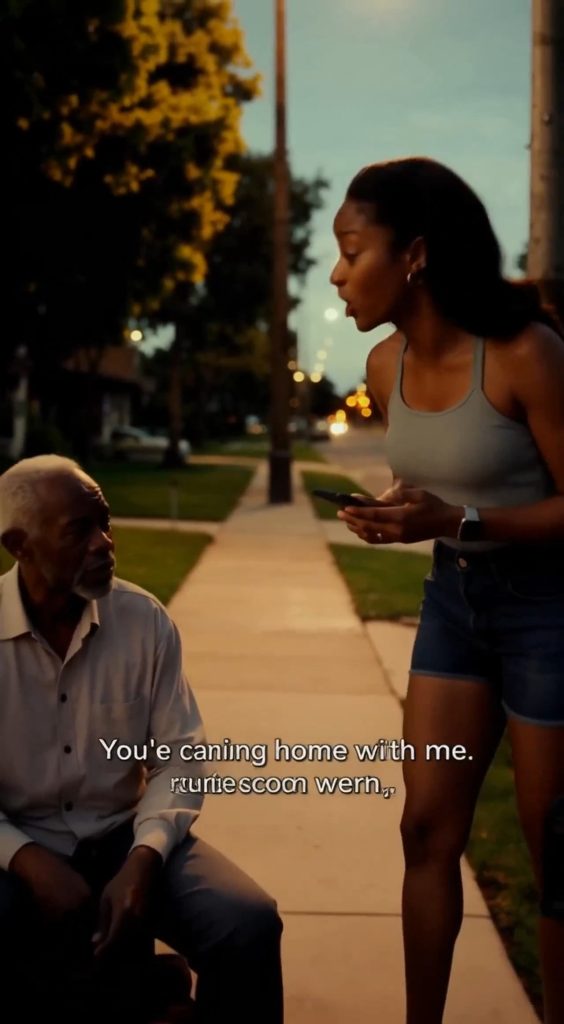
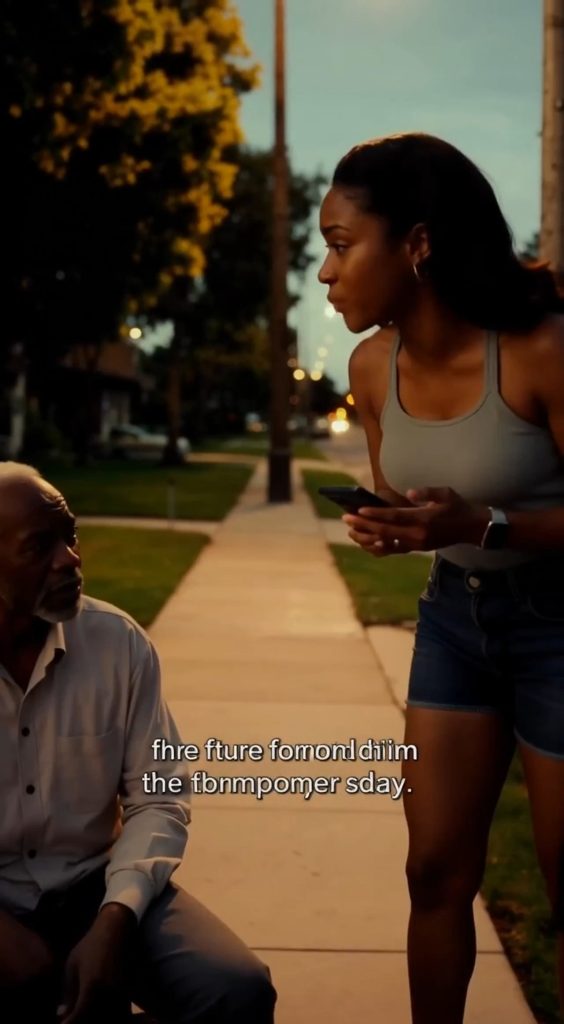
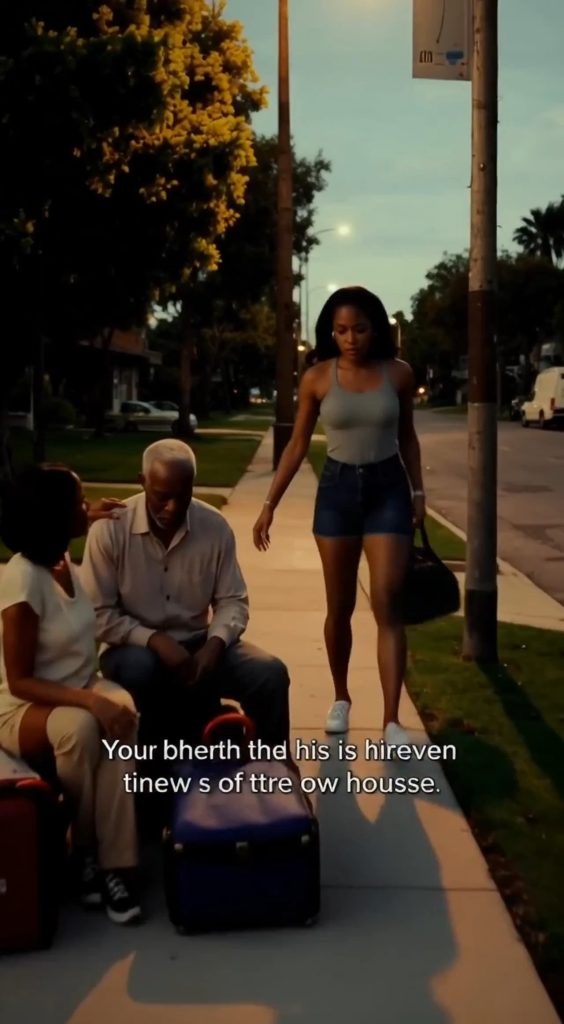

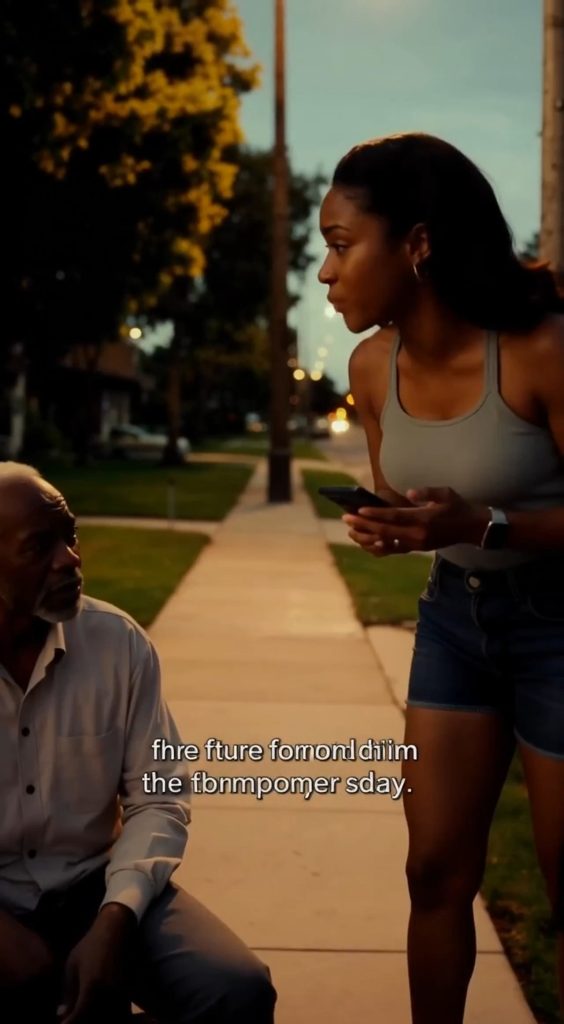

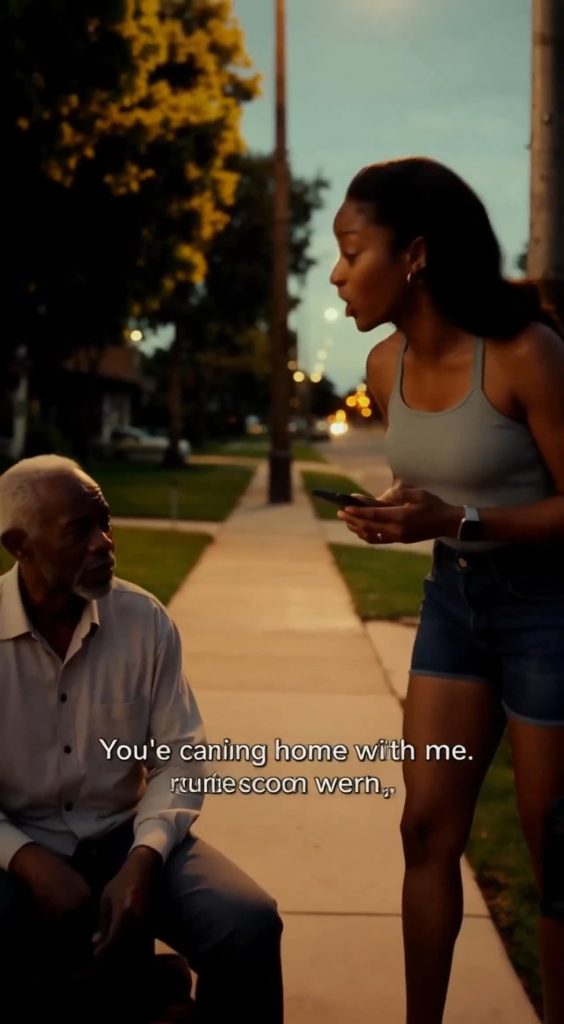

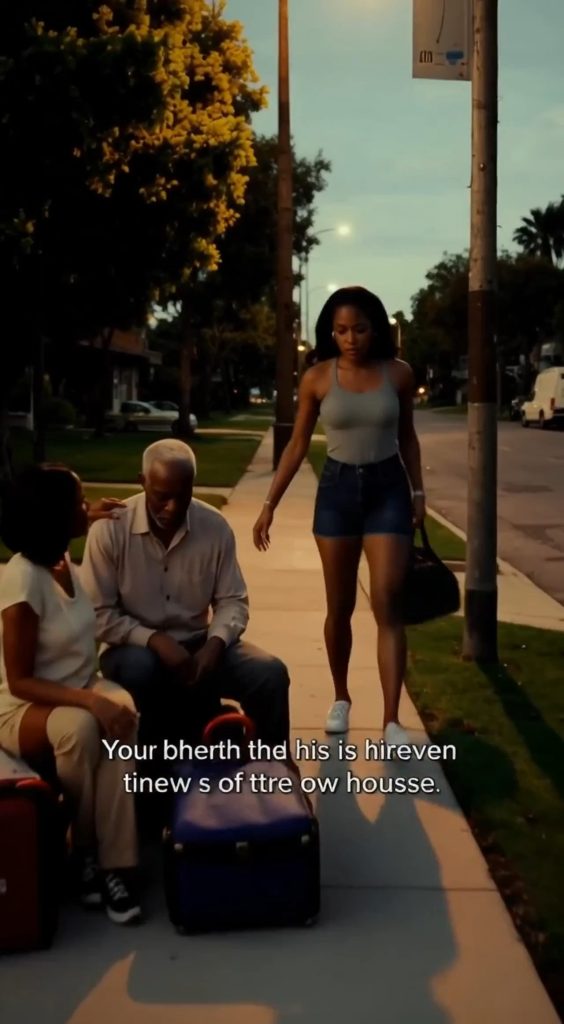
A month later, the scent of fresh bread finally filled the Jenkins rowhouse on 52nd Street once more. The seals were off the ovens, the bank account unfrozen. Arthur and Evelyn were home, their familiar routines slowly returning.
I sat at the small, unglamorous kitchen table, stacks of bakery receipts spread out before me. Leo, my curious four-year-old, was drawing pictures on a pad next to me, humming softly. The fluorescent light hummed above us, casting a warm glow on the invoices and the lukewarm instant coffee in my mug.
A soft knock came at the back door. It was Marcus.
He stood in the doorway, hesitant, his eyes scanning the familiar kitchen, the stacks of folders. He looked different. Cleaner. His mechanic’s jumpsuit was freshly washed, and his eyes, though still carrying a shadow of past shame, held a quiet resolve.
In his hand, he held a garnishment receipt – his first payment stub from Big Mike’s shop. A clear, numerical testament to his honest labor. And in his other hand, a large, foil-wrapped pie. A peach cobbler, still warm.
“Arthur?” he asked, his voice low, almost a whisper.
My father, who was wiping down the counter, turned around. He looked at Marcus, and for a long moment, neither man spoke. The weight of 26 years of unspoken debt, of betrayal, and now, of the difficult path to redemption, hung in the air.
Marcus stepped further into the kitchen, placing the pie gently on the counter. He held out the receipt to Arthur. “First payment, Mr. Jenkins. Straight from Big Mike’s books.”
Arthur took the paper, his fingers brushing Marcus’s. He didn’t examine it immediately. His gaze remained fixed on Marcus’s face.
Marcus swallowed hard, his eyes glistening. “Arthur,” he began, his voice thick with emotion, “I… I don’t know what to say. I read the letter. My mother’s letter. I never knew.”
He looked at my father, then at me, then at Leo, who was now quietly watching from the table. “You saved my life, Arthur. And I tried to… I took your home. I tried to destroy everything you built. I was so lost. So ashamed.”
A single tear tracked down Marcus’s cheek. “I am so sorry, Arthur. For everything. Can you… can you ever forgive me?”
My father, the man who had sat weeping quietly on the street curb, the man whose integrity had been so deeply wounded, simply reached out. He placed a hand on Marcus’s shoulder, a gesture of quiet strength and enduring kindness.
“Come on in, Marcus,” Arthur said, his voice gentle. “There’s always a place for you at this table. Always.”
Marcus’s shoulders sagged with the release of unspoken burden. He nodded, tears now openly streaming down his face, and pulled out a chair. He sat down, a humbled man, finally home. The quiet act of forgiveness, extended not with grand words, but with a simple invitation, filled the small kitchen. It was more than just a house restored; it was a bond healed.
Vengeance might clear the street for an afternoon, but grace is the only thing that builds a home strong enough for our children to live in.
More Stories





+ There are no comments
Add yours