I guess we'll just freeze in the driveway then, Maya, my husband Mark hissed into the phone, his voice trembling with anger while his mother sobbed loudly in the background.


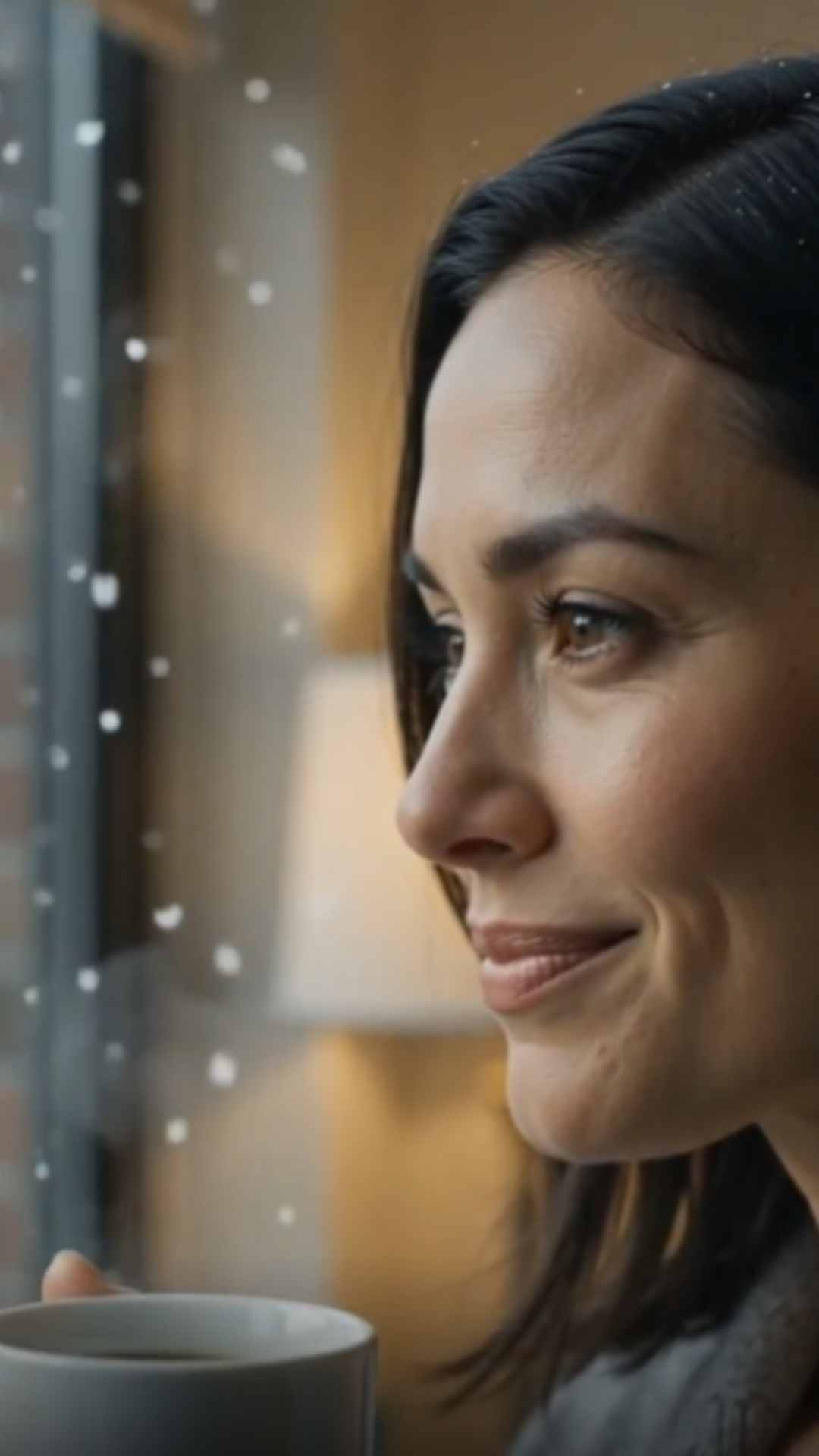
The next morning, the blizzard had passed, leaving behind a world transformed. Sunlight, stark and brilliant, glinted off the pristine, knee-deep snow. My small studio kitchen was still drafty, the cheap refrigerator humming loudly, its sound a constant, low drone. I sat at my tiny laminate table, sipping coffee from my chipped mug, watching the snow glisten outside the narrow window.
The quiet was immense, almost overwhelming. No booming voice, no demanding questions, no subtle manipulations masked as affection. Just the hum of the fridge and the occasional drip of melting snow from the eaves. It was a new kind of freedom, stark and unadorned.
My phone buzzed on the laminate counter. I knew it would be Mark. I let it buzz three times before picking it up. It wasn’t a call. It was a long, rambling text message.
*Maya,* it began, *I know you’re angry. And you have every right to be. Things got out of hand. I made some bad choices. But my family… they’re still here, Maya. They’re still counting on me. I just need a chance to explain. To you. To them.*
*We can work this out. We can still be a team. Once they leave, once all this snow clears, can we please, please just sit down and talk like adults? Really talk? About our future? About what we want? I still believe in us, Maya. Please.*
I read the message twice. The undertone of desperation was still there, but so was the familiar attempt to shift blame, to reframe his egregious betrayals as mere “bad choices.” There was no genuine apology, no true remorse for the fraud, the manipulation, the emotional abuse. Only a plea to restore the status quo, to rebuild the illusion he had so carefully constructed.
I looked around my sparse, temporary room. The few boxes of my true belongings, the secondhand furniture, the small, solitary space. It was a far cry from the craftsman home I had inherited, the home I had loved and protected. Selling it had given me immediate safety, a clean break from Mark’s physical claim on my assets. But his text, buzzing on the counter, was a tangible reminder that the emotional shadow of eight months of manipulation still sat at my breakfast table.
The house was gone. The family was stranded. Mark was exposed. But the weight of it all, the habit of accommodating, of fearing isolation, of being used—that wasn’t gone. It was still there, a phantom limb ache, a quiet hum in the background of my newly silent life.
Escaping a house is easy when you have the deed; escaping the habit of being used takes longer than a single winter morning.
More Stories








+ There are no comments
Add yours