At Her Baby Shower, My Mother-in-Law Accused Me of Instability and Locked My Newborn in a Crib—Then Her Decade-Old Trust Clause Exposed Her Motive


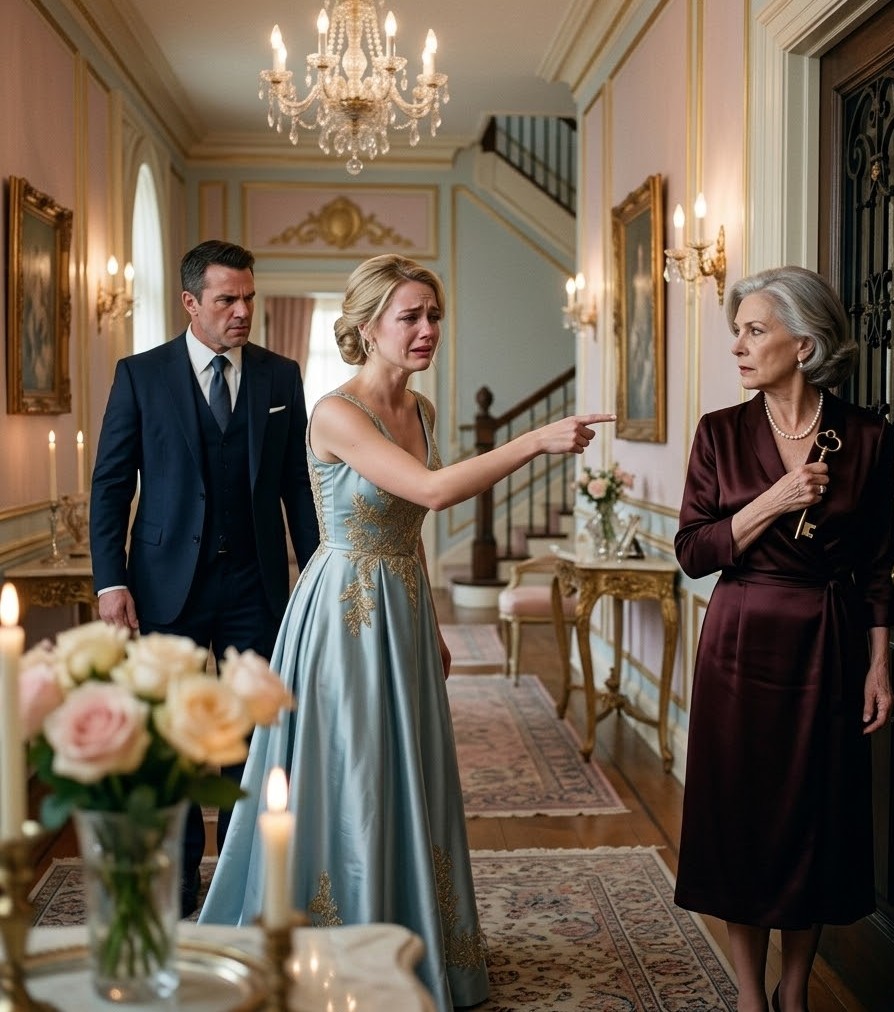


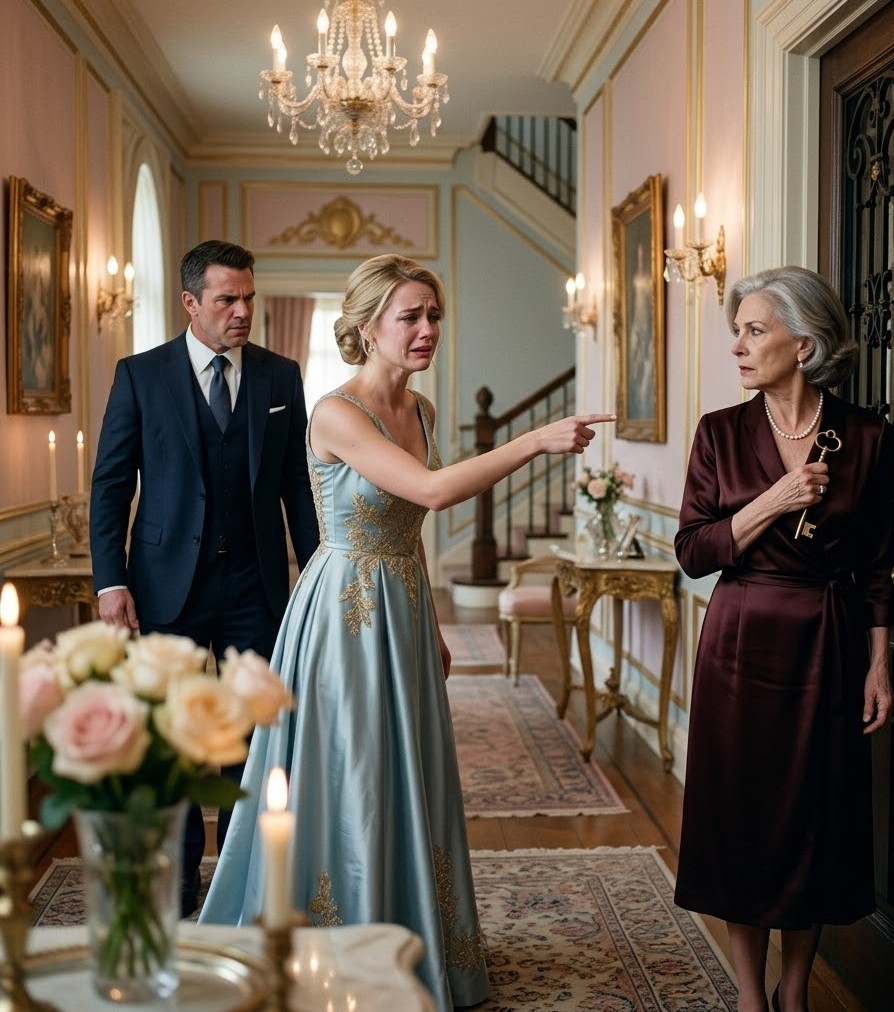
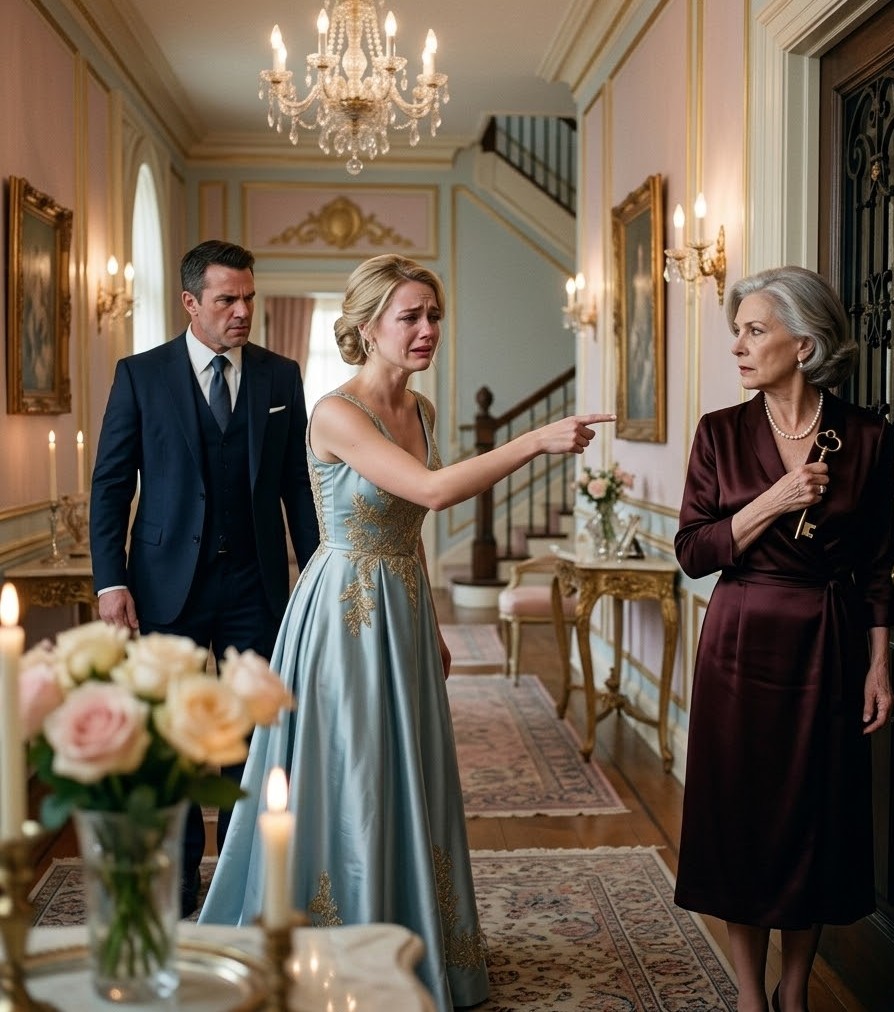


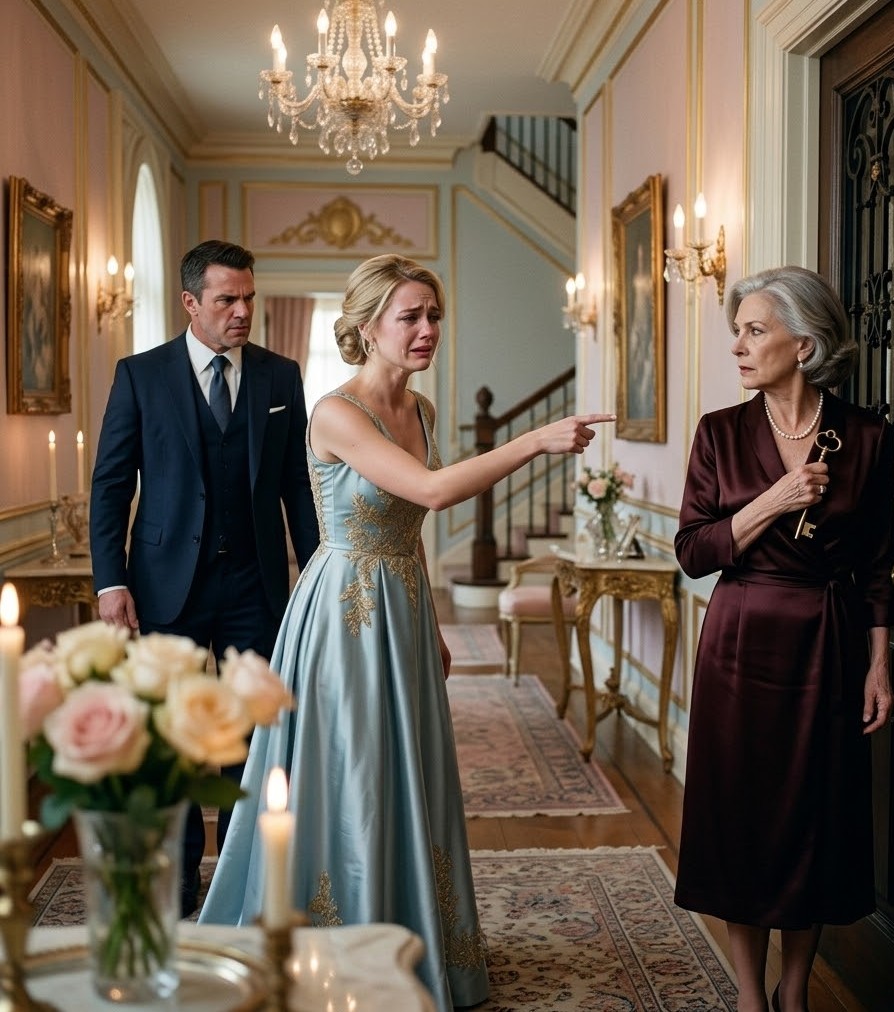
Marcus Thorne’s office felt like a war room now. He had spreadsheets, copies of Beatrice’s legal filings, and a stack of various Caldwell family documents spread across his large conference table. He was methodical, dissecting Beatrice’s case piece by piece.
He passed me a copy of the original 1982 trust document, highlighting the “unfitness” clause. It was dense, archaic legal language, full of “whereas” and “hereinafter.”
“This is what she’s relying on,” Marcus explained, pointing to a specific paragraph. “It grants astonishingly broad powers to the trustee—currently Beatrice—to intervene if a parent is deemed ‘mentally or emotionally unstable’.”
I skimmed the clause, feeling a cold dread. The language felt so sweeping, so open to interpretation. It was a weapon designed to control.
“It mentions requiring ‘verified treatment protocols’,” I noted, recalling Marcus’s earlier words.
“Yes,” he confirmed. “And her ‘family consultant’s’ report attempts to establish that you haven’t followed any. Which, of course, is absurd because there’s no ‘severe mental health condition’ to begin with.”
As he spoke, my mind drifted, trying to connect the dots. The words “trust” and “amendment” echoed in my thoughts. Then, a memory, sharp and sudden, cut through the legal jargon.
It wasn’t a grand revelation, but a mundane, almost forgotten scene. A family gathering, years ago, at the Caldwell villa. Probably 2003, around the time Henry’s father, Walter, was still alive.
I remembered standing near the edge of the large drawing room, feeling very much like an outsider. Henry and I had just started dating seriously, and I was still navigating the complex social currents of the Caldwell family.
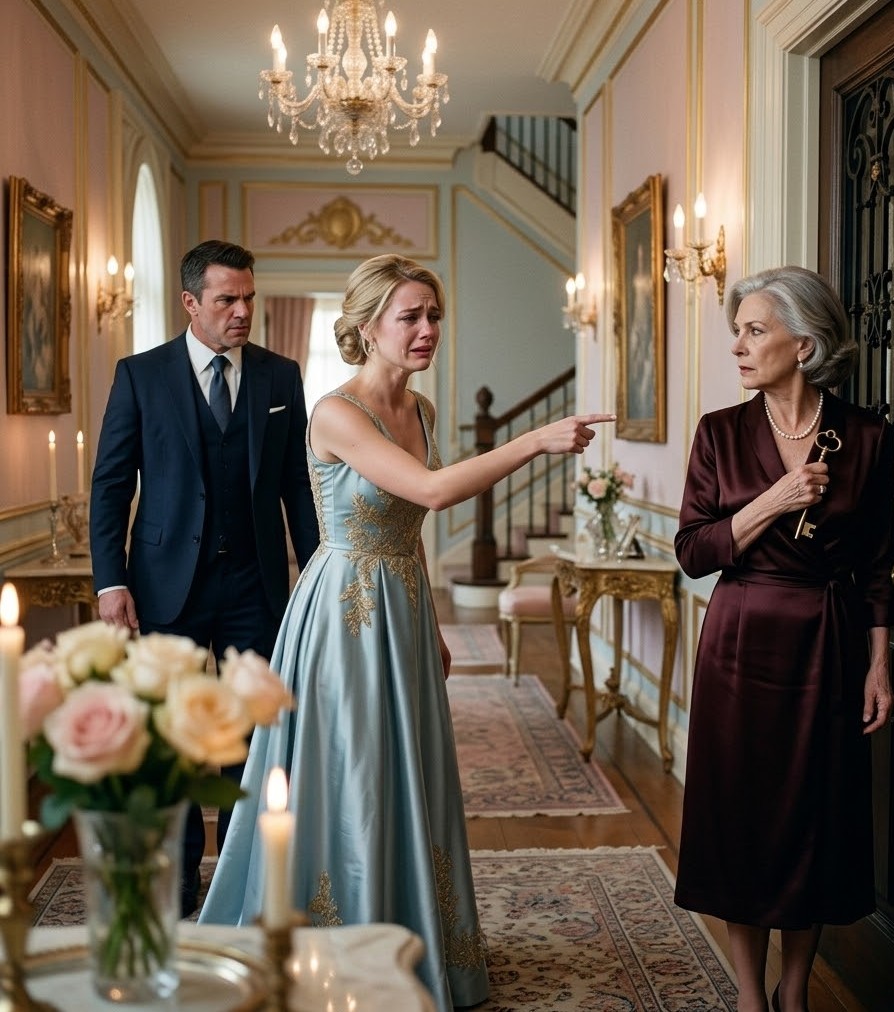
Beatrice was in a heated discussion with Henry’s elder sister, Caroline. Caroline, sharp and fiercely independent, had always had a contentious relationship with her mother.
Their voices had been hushed at first, then escalated, catching my attention. I remembered Caroline’s face, flushed with anger, her hand gesturing wildly at a stack of papers on a nearby side table.
“It’s about control, Mother!” Caroline had spat, her voice tight with frustration. “You’re trying to lock everything down! It’s not fair to anyone!”
Beatrice had responded with a steely calm, her words laced with icy authority. “It’s about protecting the family’s legacy, Caroline. Ensuring stability.”
“Stability for whom?” Caroline had retorted, her eyes flashing. “Or stability for *you* to dictate who gets what, and under what conditions?”
I remembered phrases like “changes to the trust,” “amendments,” and “conditions of inheritance.” It had sounded like a squabble over money, over who would ultimately control the vast Caldwell fortune.
At the time, I had dismissed it as typical family drama. As an outsider, newly introduced to the Caldwells, I had felt it wasn’t my place to listen. I had retreated, pretending to admire a painting, feeling a familiar pang of being an “uninvited guest” in their exclusive world.
The specifics of their argument had been lost to me, the intricate details of who gets what and control of assets. I was just Henry’s new girlfriend, not a Caldwell heir. The trust, and its complexities, felt like a distant, irrelevant concern.
But now, sitting with Marcus, the memory was vivid. Caroline’s anger, Beatrice’s rigid insistence. It had been about more than just money; it had been about *control*.
“Marcus,” I said, interrupting his explanation of legal precedents. “I just remembered something.”
He looked up, attentive.
“Years ago, probably 2003, Henry’s sister, Caroline, had a huge argument with Beatrice,” I explained, recalling the scene. “It was about changes to the family trust. Caroline was furious about ‘who gets what’ and ‘control of assets’ if certain conditions were met.”
Marcus’s eyebrows shot up. “An argument about a trust amendment in 2003?” he repeated, a sudden spark in his eyes. “That’s very interesting. Why 2003?”
“I don’t know the specifics,” I admitted, frustrated that I hadn’t paid more attention back then. “I was an outsider. Beatrice always made me feel like anything beyond polite conversation was none of my business.”
That was another form of Beatrice’s subtle cruelty: making me feel perpetually on the fringes, unimportant, my opinions irrelevant to the ‘real’ family matters. It was designed to keep me quiet, to ensure I would never question her authority.
“But it was definitely about the trust, and conditions,” I pressed on. “Caroline was saying Beatrice was trying to ‘lock everything down’.”
Marcus leaned back, tapping his pen thoughtfully.
“A 2003 amendment could be crucial. If it altered the 1982 clause, or added new stipulations, it could completely change the landscape.”
He pulled out a notepad. “Do you remember anything else? Any specific words or phrases Caroline used?”
I shook my head, my mind sifting through the dusty corners of memory. “Just the feeling of it. Caroline was really upset about Beatrice trying to impose her will, using the trust to dictate terms.”
“Beatrice’s need for control,” Marcus mused aloud. “That’s consistent.”
He pointed back to the 1982 clause. “This clause is incredibly broad. Many older family trusts have similar provisions. But family law has evolved significantly since 1982. Courts are much more reluctant to sever parental rights without very clear, very specific, and usually court-ordered evidence.”
My memory of Caroline’s fierce opposition suddenly felt like a beacon. If Caroline had fought against Beatrice’s attempts to “lock everything down,” perhaps she had influenced a change that would now help me.
“Caroline was strong,” I said, a glimmer of hope forming. “She always stood up to Beatrice.”
“This is exactly the kind of detail we need,” Marcus affirmed. “It suggests the trust wasn’t static. It was a living, breathing document, subject to internal family disputes and changes.”
He picked up his phone. “I’m going to task my research team with specifically looking for any and all amendments to the Caldwell Family Legacy Trust in 2003. This could be a game-changer.”
The thought of an amendment, a piece of paper that might undo Beatrice’s cruel plot, brought a quiet surge of power. It wasn’t just about my words against hers; it was about solid, documented evidence. My neglected outsider status might actually yield a secret weapon.
More Stories

















+ There are no comments
Add yours