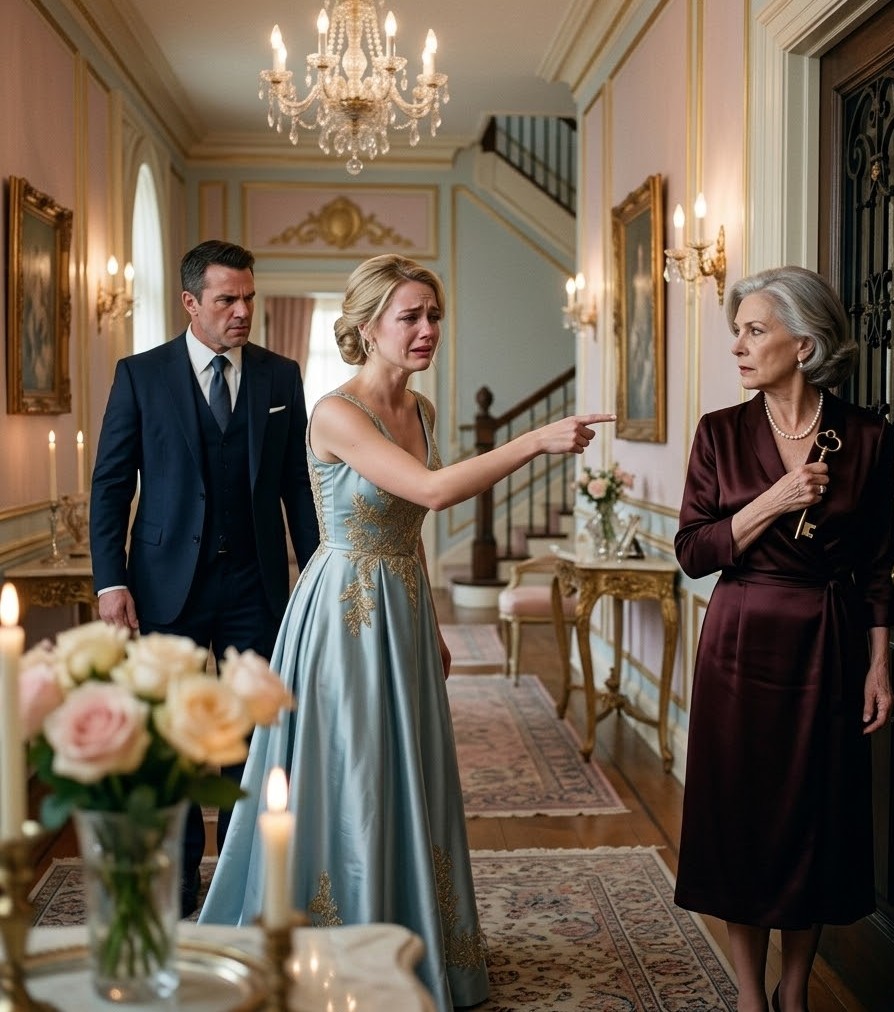
At Her Baby Shower, My Mother-in-Law Accused Me of Instability and Locked My Newborn in a Crib—Then Her Decade-Old Trust Clause Exposed Her Motive
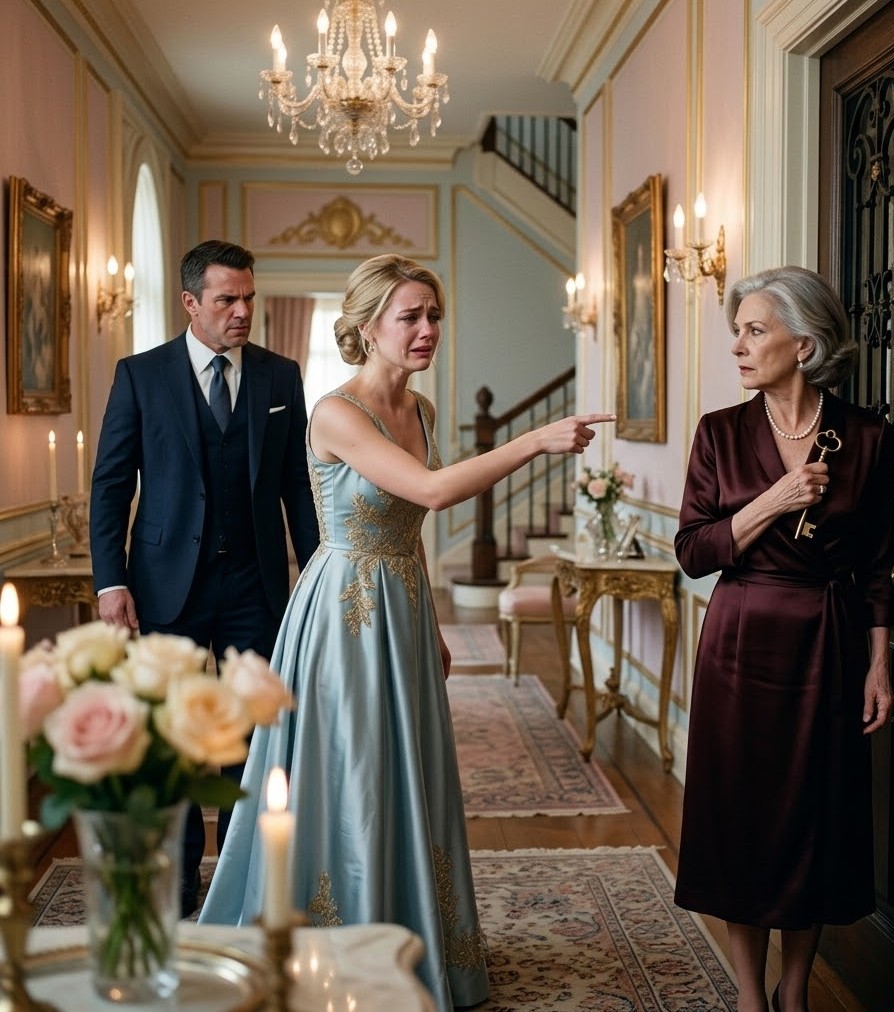


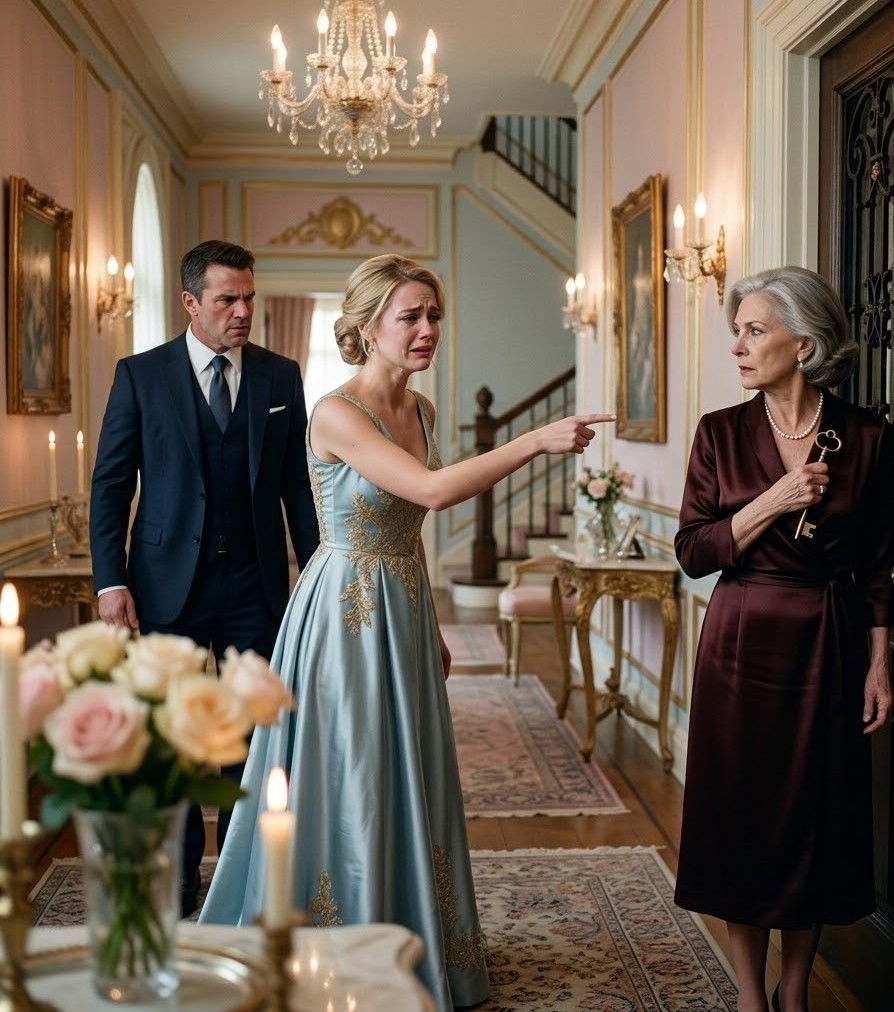

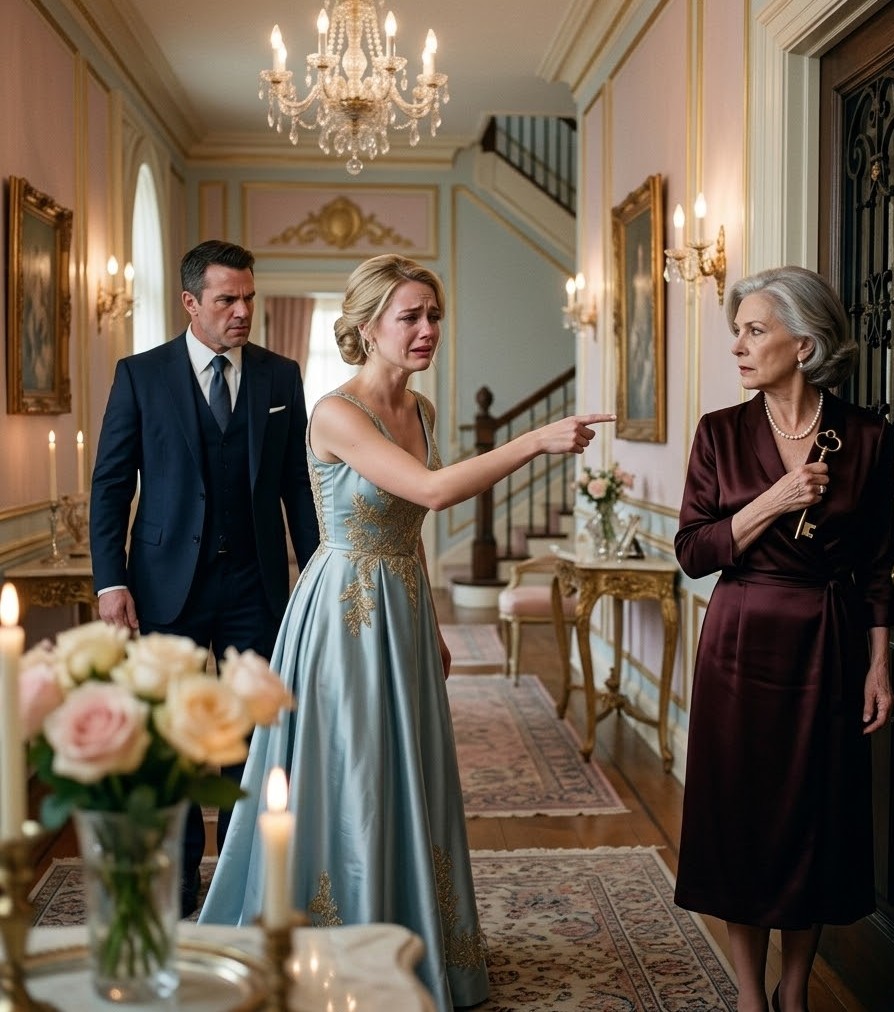
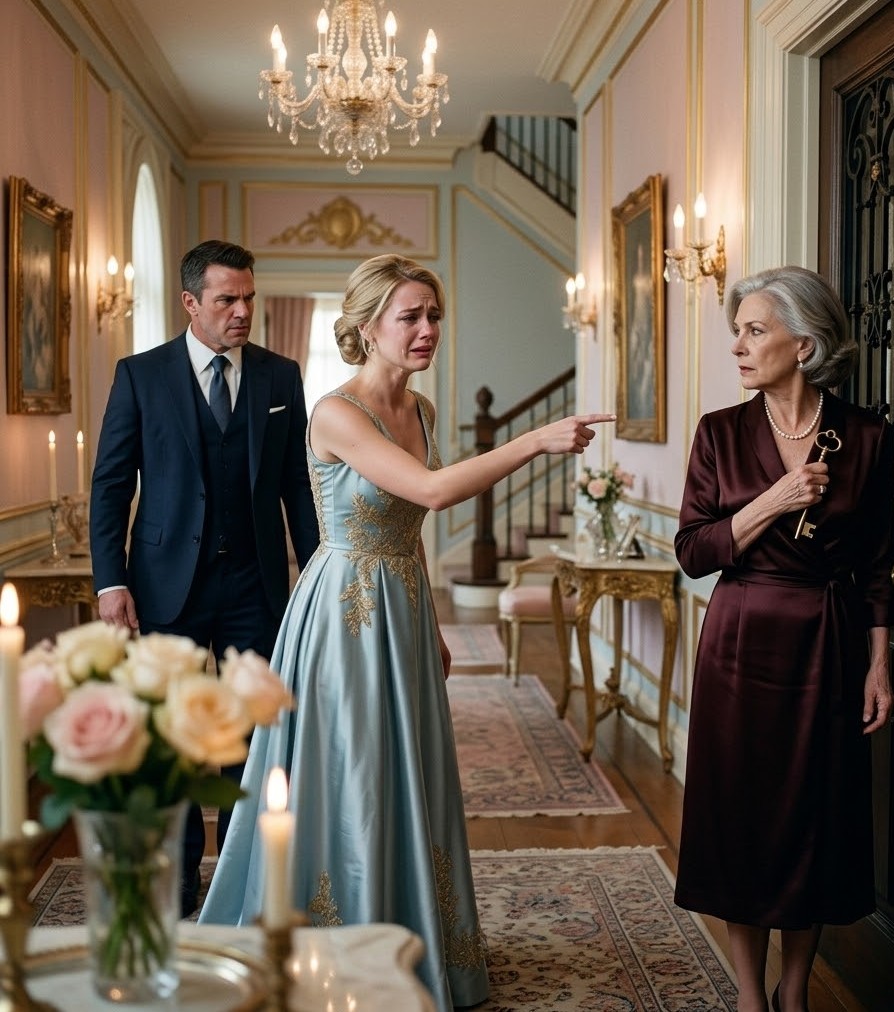


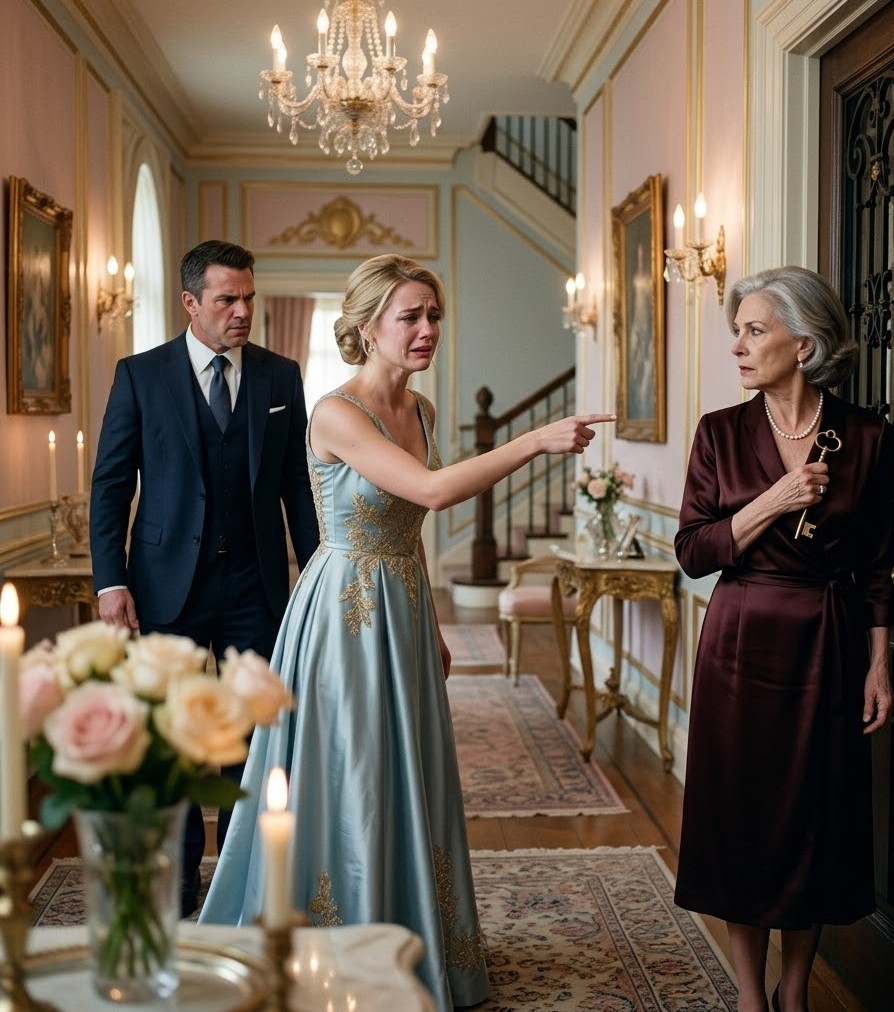
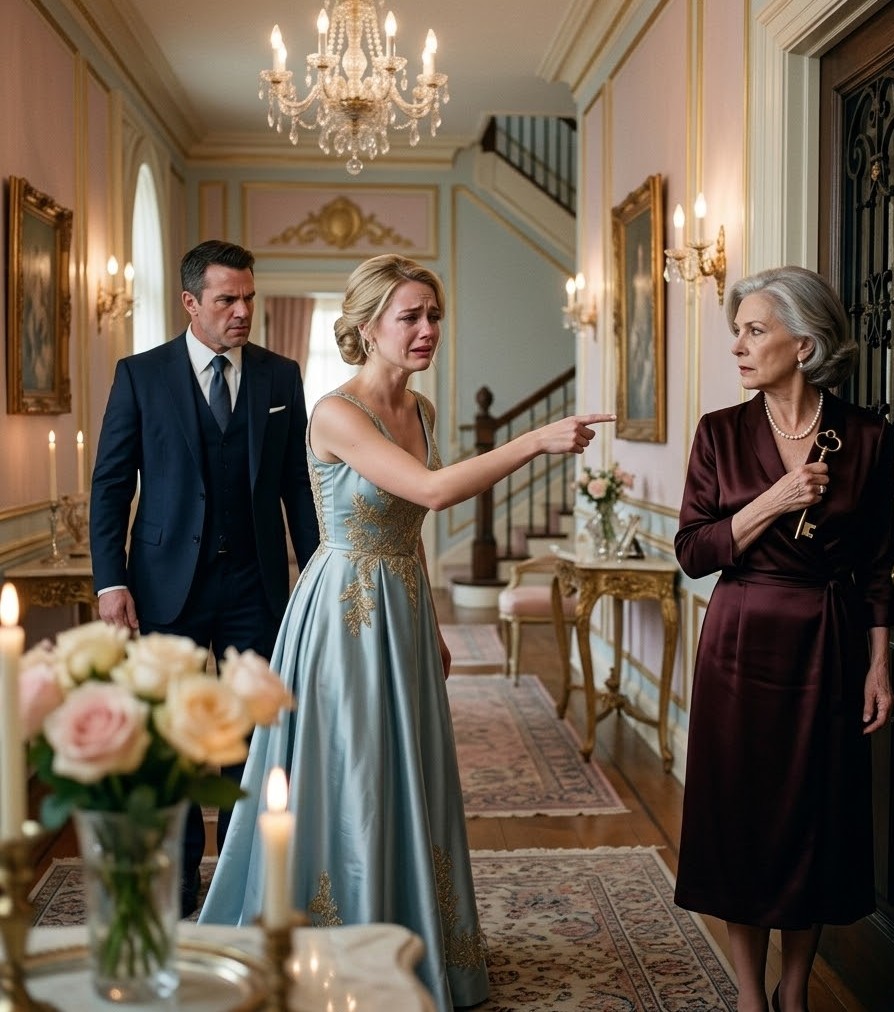


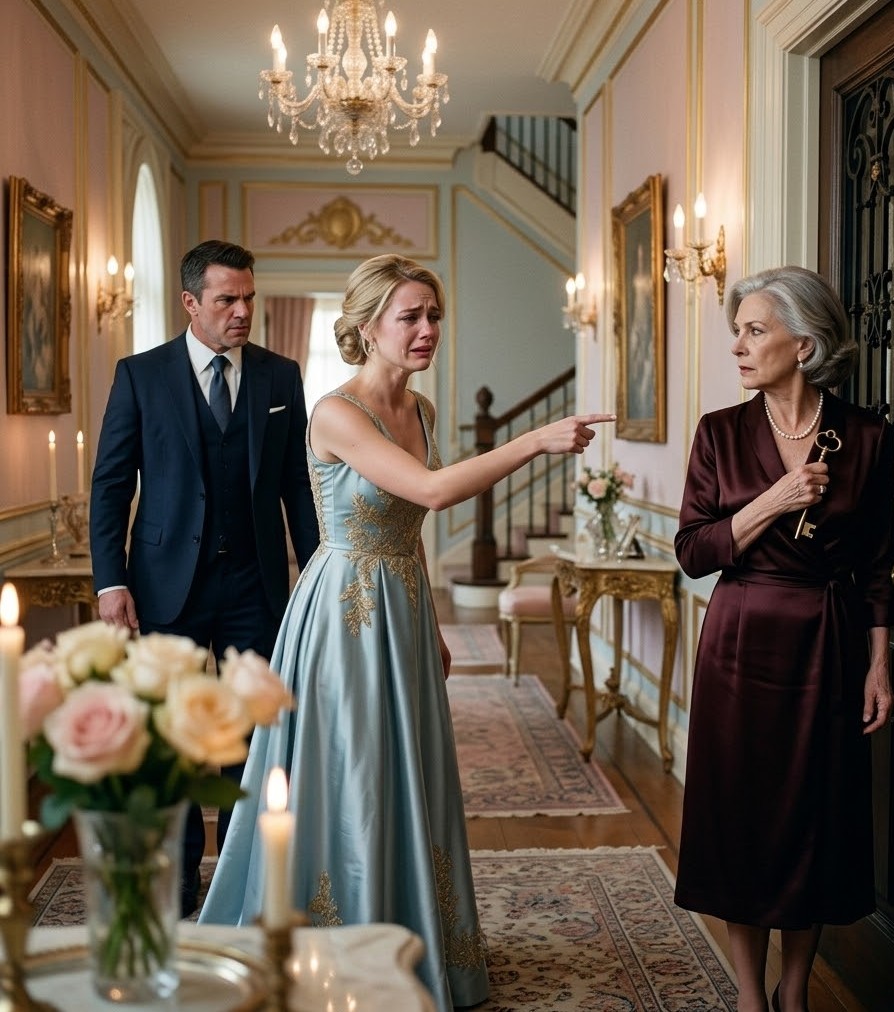
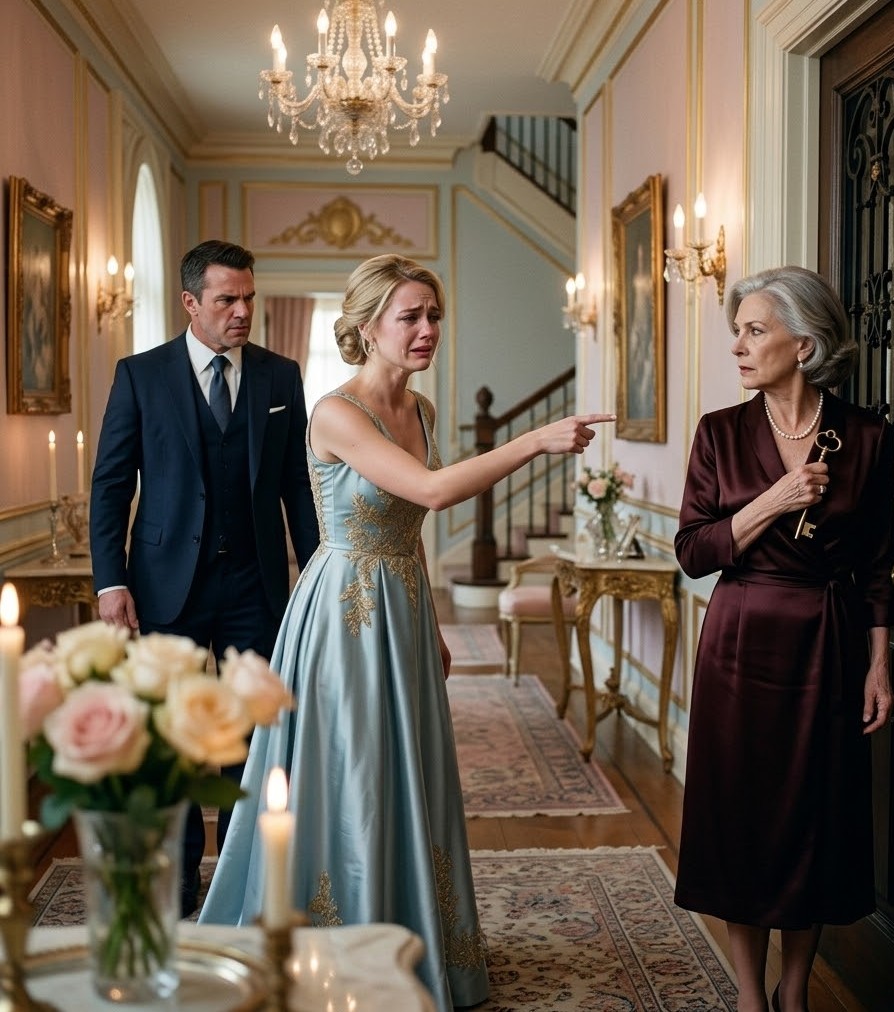
Arthur Finch’s confession had sent shockwaves through Henry. He had been forced to confront the depth of his mother’s manipulation, not just through my words, but through the admissions of a man he had known and trusted his entire life. The realization that Finch had been complicit, that my private pain had been twisted, clearly stung him.
“I can’t believe Mother would do this,” he kept repeating, running a hand through his hair. His face was a mask of disbelief and profound disillusionment. “To you, Eleanor. To Clara.”
He paced our study, the very room where the initial shock of the padlock had unfolded. The air in the room, normally quiet and predictable, was now charged with a nervous energy.
“She did, Henry,” I said, my voice gentle. “And Arthur Finch helped her.”
He stopped, his gaze unfocused.
“My father,” he murmured, almost to himself. “He hated dishonesty. He would never have stood for this.”
His father, Walter Caldwell, had been a quiet, formidable man, a pillar of integrity. He had managed the Caldwell empire with a firm but fair hand, a stark contrast to Beatrice’s ruthless machinations.
“Your father kept everything,” I reminded him, a sudden thought sparking. “He was so meticulous with his papers. Do you remember how he used to keep personal copies of everything?”
Henry’s eyes widened. “Yes! Always. He had that locked desk in his study. Nobody was ever allowed to touch it.”
The study, his father’s sanctuary, had remained largely untouched since Walter’s death years ago. It was filled with old books, leather-bound ledgers, and a heavy mahogany desk, its drawers still locked. Henry, out of reverence and a degree of procrastination, had never fully cleared it out.
“Do you think he might have kept copies of the trust documents?” I suggested, a surge of hope rising within me. “Especially if there were amendments he was involved in, or that he felt strongly about?”
He stared at the locked desk, a relic from a different era. His father’s presence still seemed to linger in the room, a silent observer.
“He always said the family trust was sacred,” Henry mused, walking towards the desk. “A protection for future generations, not a weapon.”
He pulled at a drawer handle, but it was firmly locked.
“He never gave me the key,” he admitted, a note of frustration in his voice. “He said I’d get it ‘when I was ready to understand the true weight of the Caldwell legacy’.”
The cryptic words of his late father echoed, suddenly filled with new meaning. Perhaps Walter had anticipated exactly this kind of power play from Beatrice, and had safeguarded critical information.
“We need to get into that desk, Henry,” I urged him. “If there was a 2003 amendment, and your father signed it, he would have kept a copy.”
Henry nodded, his jaw set with a new determination. The betrayal by his mother and Finch, combined with the memory of his principled father, had clearly shifted something deep within him.
He searched through old trinket boxes, through the pockets of his father’s forgotten smoking jacket hanging in the closet. Finally, in a small, velvet-lined box usually reserved for cuff links, he found it. A tiny, ornate silver key.
His hands trembled slightly as he inserted the key into the desk lock. The mechanism clicked open with a soft thud.
Inside, the drawers were a treasure trove of orderly chaos: old letters, meticulously filed financial statements, and, neatly bound with a faded ribbon, a stack of legal documents.
He pulled out the bound stack, his eyes scanning the titles. “Here,” he whispered, his voice thick with emotion. “The Caldwell Family Legacy Trust. Original, and… Amendments. 2003.”
My heart leaped. This was it. The physical manifestation of my memory, the potential undoing of Beatrice’s plot.
He carefully untied the ribbon and opened the document. His finger traced a specific paragraph.
“Article VI, Section C,” he read aloud, his voice gaining strength, “titled ‘Guardianship and Parental Fitness’.”
My breath hitched. This was the same section Sarah Jenkins had found.
He continued reading, his voice growing firmer with each word. “Any determination of a parent’s severe mental health condition requiring intervention for temporary guardianship of a minor beneficiary of this Trust shall be contingent upon verification by *two separate, court-ordered psychiatric evaluations*.”
The words rang out in the quiet study, clear and unequivocal. *Court-ordered*. Not “independent,” not “family consultant.” This was the critical difference.
Henry looked up, his face a mix of awe and grim satisfaction.
“Father knew,” he breathed, looking at the pristine signature of Walter Caldwell at the bottom of the amendment. “He put this in to prevent exactly this kind of abuse.”
The physical presence of the document, signed by his father, was an undeniable truth. It was a silent rebuke to Beatrice’s manipulations, a legacy of integrity protecting a new generation.
The casual cruelty of Beatrice’s actions, trying to bypass due process and impose her will, was starkly contrasted by Walter’s foresight. He had guarded against this specific vulnerability, a safeguard against Beatrice’s long-standing need for control.
“This renders her ‘family consultant’s’ report completely useless,” I said, a wave of relief washing over me. “And her demand for a second ‘independent’ evaluation irrelevant.”
Henry carefully refolded the document, his gaze still fixed on his father’s signature. He had found not just a piece of paper, but a vindication of his father’s values, a silent testament to his wisdom.
His loyalty, once divided, had finally found its true north. The weight of his father’s legacy had broken Beatrice’s hold.
More Stories
















+ There are no comments
Add yours