
At Her Baby Shower, My Mother-in-Law Accused Me of Instability and Locked My Newborn in a Crib—Then Her Decade-Old Trust Clause Exposed Her Motive
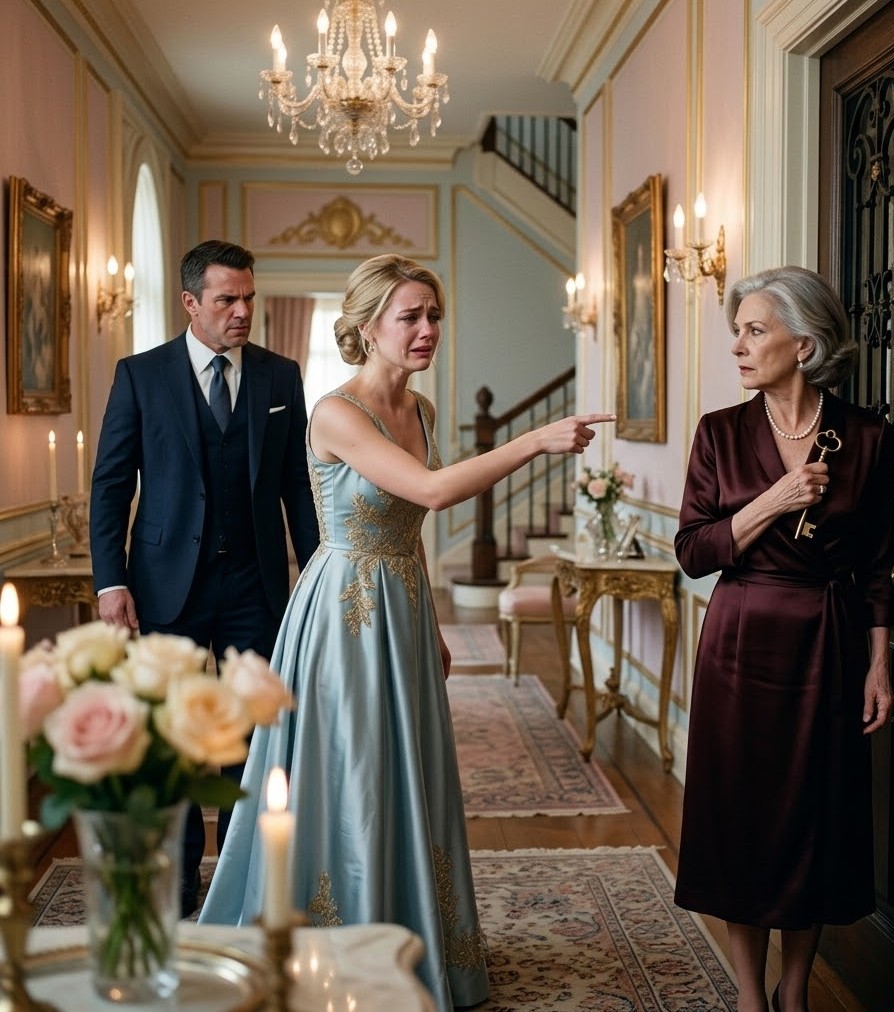



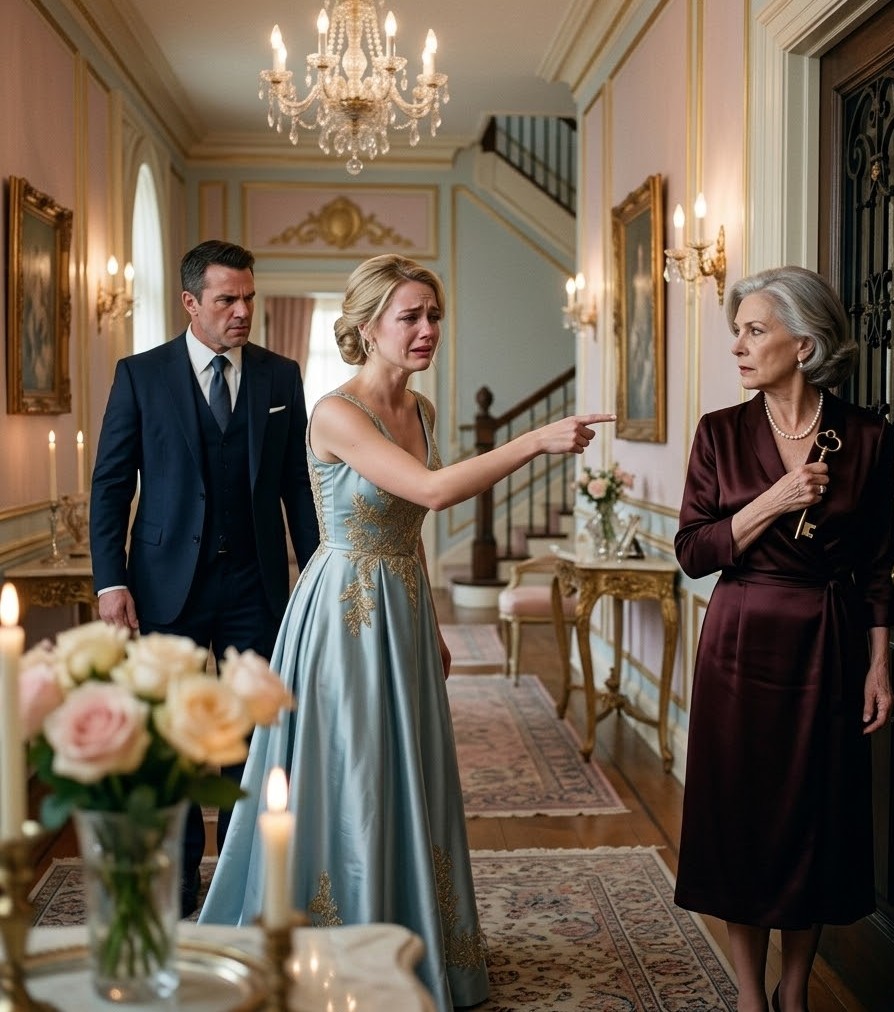



With Henry’s discovery of the 2003 amendment and Arthur Finch’s reluctant confession, Marcus Thorne’s office buzzed with a renewed sense of purpose. The pieces of the puzzle were finally falling into place, revealing the full scope of Beatrice’s calculated manipulations.
Marcus spread the documents across his table: the original 1982 trust, the pristine 2003 amendment, Arthur Finch’s manipulated financial statements alongside my original bank records, and the dubious “family consultant’s” report.
“This is strong, Eleanor,” Marcus affirmed, tapping the amendment. “This ‘court-ordered’ stipulation changes everything. Beatrice’s entire argument rests on bypassing proper legal channels.”
He pointed to Finch’s original, doctored reports. “And Finch’s confession, coupled with your bank statements, exposes the financial misrepresentation.”
I felt a quiet sense of resolve settling over me. The initial fear was still there, but it was now tempered by a growing confidence. This wasn’t just about defending myself; it was about exposing the truth.
“But Beatrice won’t back down easily, will she?” I asked, knowing her relentless nature.
Marcus nodded, a pragmatic glint in his eye.
“Absolutely not. Her lawyers will likely try to challenge the validity of the 2003 amendment. They might claim it was improperly executed, or that its interpretation is ambiguous. They could even argue that your mental state is so urgent it bypasses standard procedure, trying to invoke some ’emergency’ clause.”
He leaned back, his gaze steady. “They will try every trick in the book to discredit our evidence, to prolong the process, to wear you down.”
The thought of Beatrice’s lawyers twisting and turning the truth, attempting to cast doubt on Henry’s father’s intentions, ignited a fresh spark of anger. It felt like another petty cruelty, disrespectful to Walter Caldwell’s memory.
“She won’t stop until she gets what she wants,” Henry added, his voice grim. He was now fully aligned with me, his earlier hesitations gone.
“Exactly,” Marcus confirmed. “But we have a solid case. We have documented evidence that directly contradicts her claims and her legal strategy.”
He outlined the plan for the preliminary hearing. We would present the 2003 amendment first, establishing the legal prerequisite for any guardianship petition. Then, we would use Finch’s testimony and the financial records to expose the fabricated evidence of my “erratic spending.”
“We need Finch to stand firm on his confession,” Marcus stressed. “His live testimony will be critical.”
I remembered Finch’s trembling hands, his pathetic admission. He was a coward, but he had confessed.
“He’s terrified of Beatrice,” I said. “But I think he’s more terrified of perjury.”
Marcus smiled faintly. “That’s exactly what we’re counting on.”
He shifted some papers. “We also need to highlight the dubious nature of her ‘family consultant.’ We’ll show the court her questionable credentials and the biased language in her report.”
As we discussed the strategy, I felt a quiet resolve take root. This journey had forced me to dig deep, to find a strength I hadn’t known I possessed. I wasn’t fighting with anger, but with methodical defense, with facts and truth.
“I still don’t understand how Beatrice could be so reckless,” Henry said, shaking his head. “To fabricate evidence, to push this so aggressively, knowing what the trust actually says.”
“She believed she had control,” Marcus explained. “She likely thought she could intimidate you, and that the original 1982 clause, coupled with Finch’s cooperation, was enough. She probably banked on that 2003 amendment being forgotten or ignored.”
The thought that Beatrice had simply assumed the amendment would never come to light, that Henry’s father’s wishes would remain buried, was another subtle, casual cruelty. It was the arrogance of someone who believed they were above reproach, above consequences.
“She underestimated us,” I said, a quiet fire in my eyes. “She underestimated Henry. And she underestimated Clara.”
Marcus nodded, gathering the documents into a neat stack.
“She definitely underestimated you, Eleanor. But now, it’s about the law. And the law, thankfully, is on your side.”
I looked at the pile of papers, the evidence of Beatrice’s deceit and my fight for my daughter. The path ahead was still daunting, filled with the uncertainty of a court hearing, but I no longer felt lost. I had found my voice, not in anger, but in the unwavering defense of my family.
More Stories











+ There are no comments
Add yours